PVC-Rohre PVC-Kabelkanäle PC-Lampenschirm ABS-Extrusion PVC-Paneele PVC-Sockelleiste PVC-Extrusionsprofile

Maßgeschneidert und gestaltet

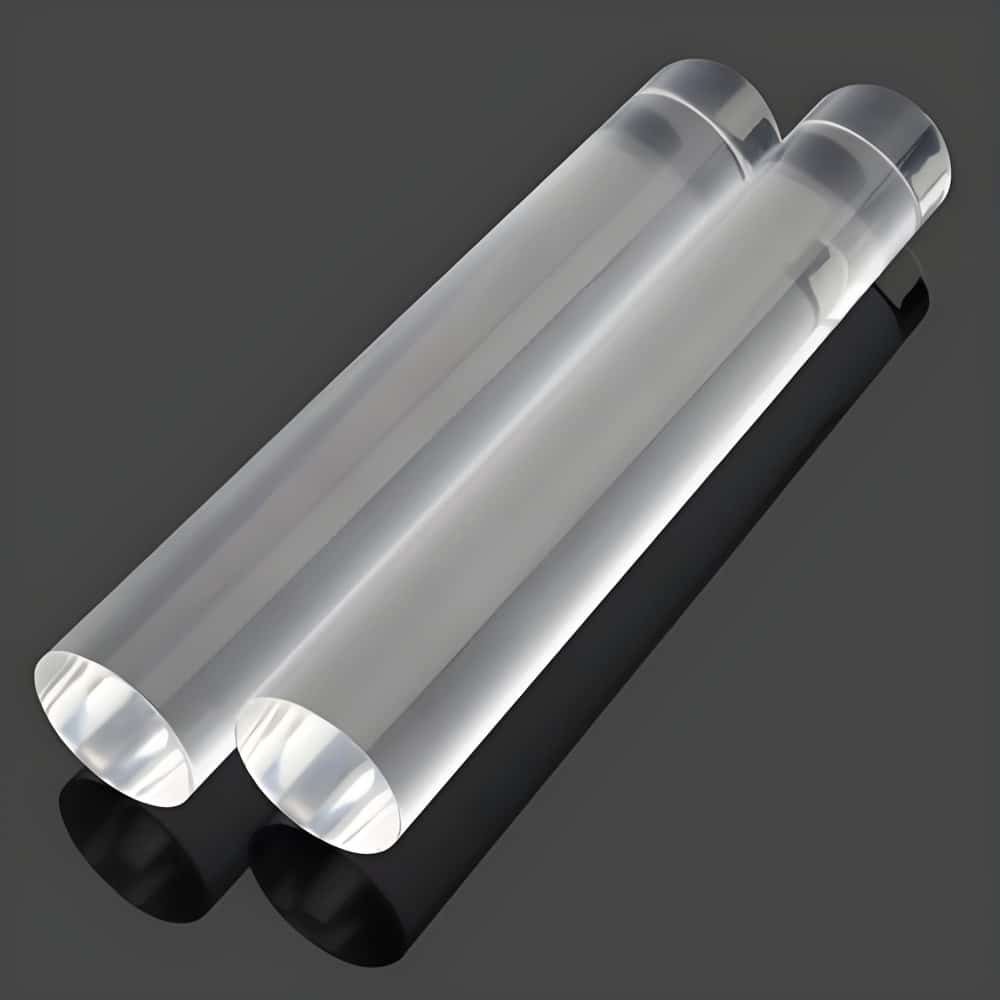
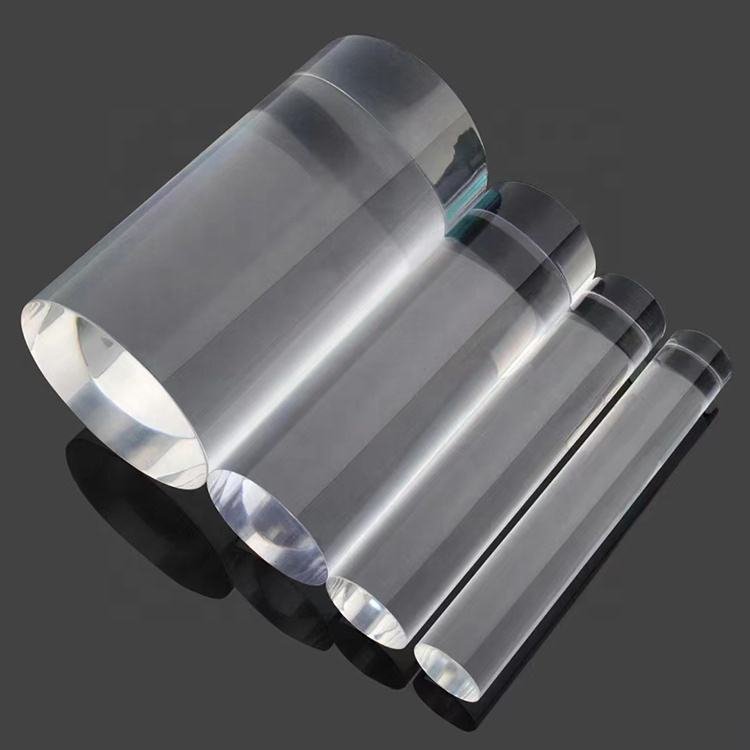
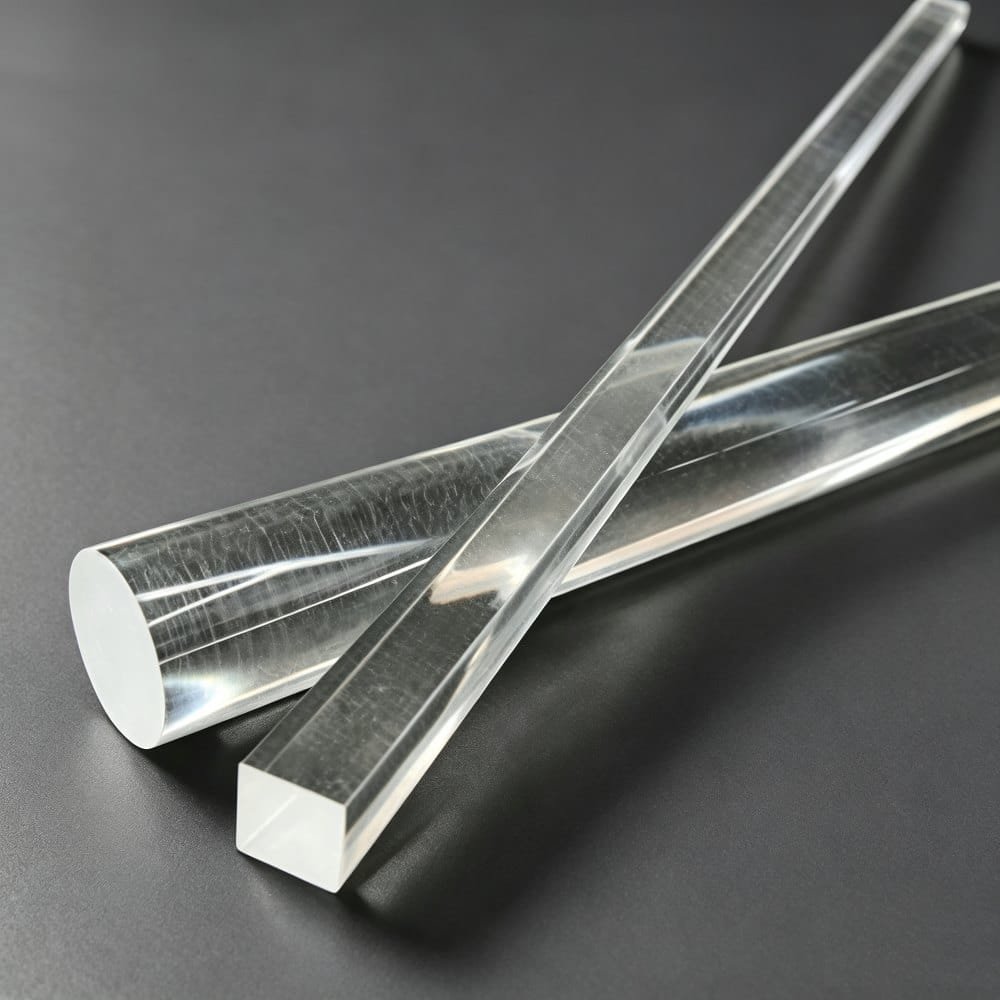
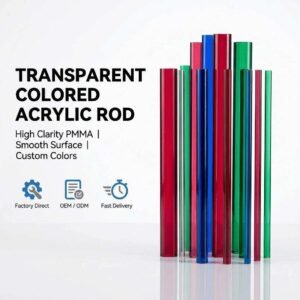
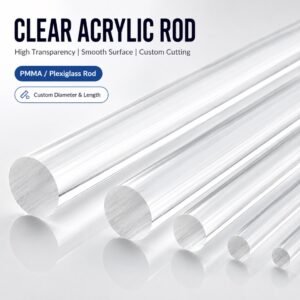
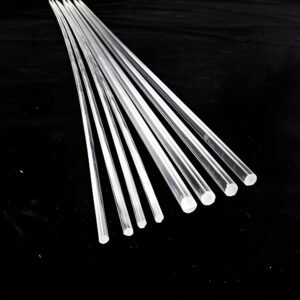
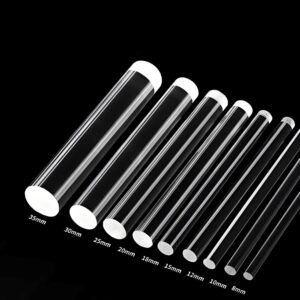
Transparent Acrylic Rod Factory High Quality Custom PMMA Rod

Material: Acrylic PMMA

Size: Various sizes

Colors: Clear

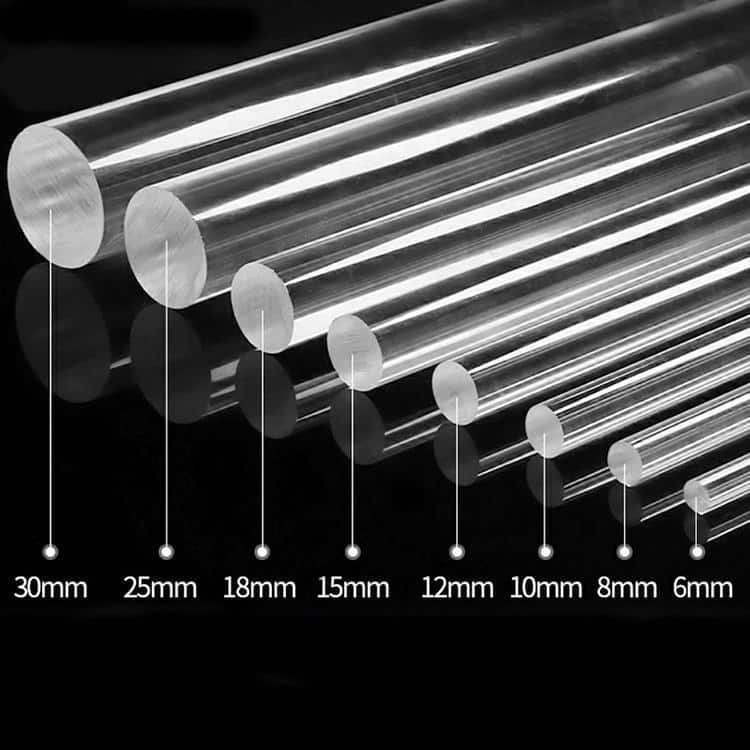
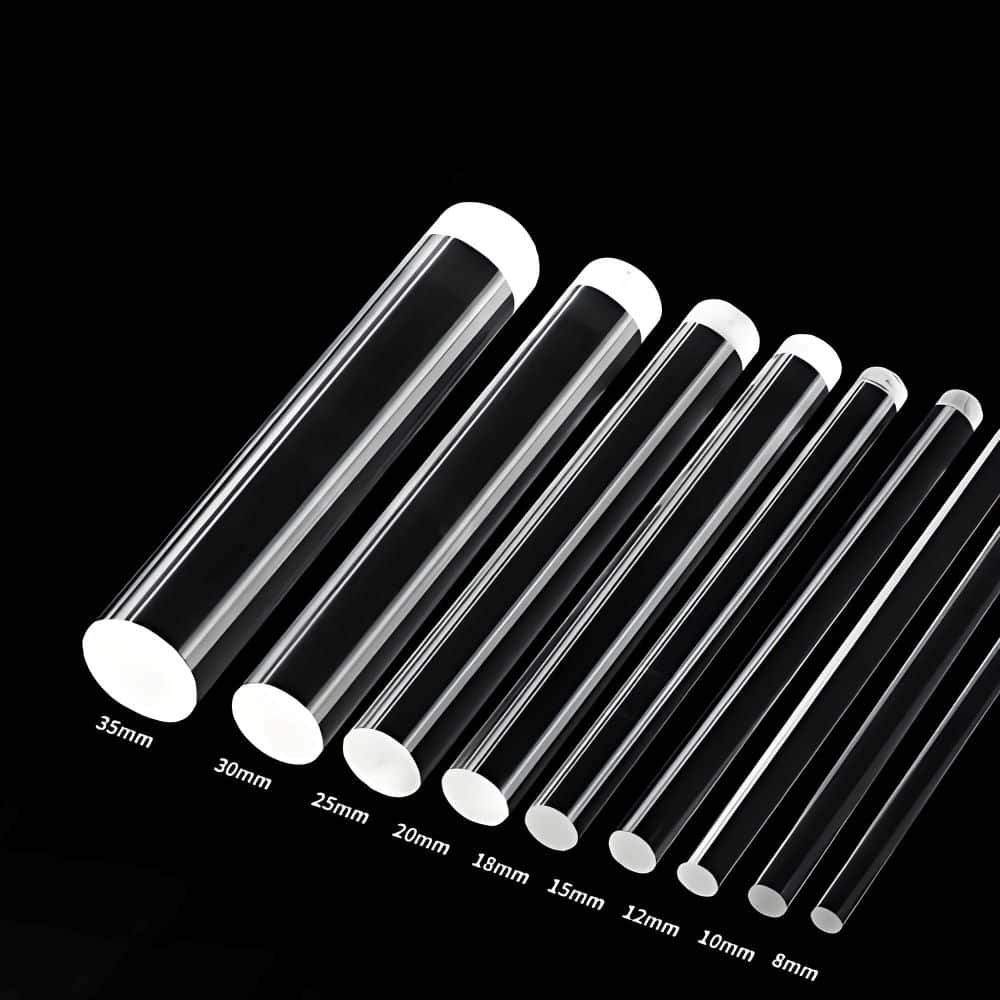
Diameter: 8-35mm/custom

Länge: According to client request

Besonderheit: Eco-friendly, Clear

Verarbeitungsdienst: Moulding, Cutting

Betriebstemperatur: -5-90°c

Anwendung:Industrial/Toy/Construction

1-About PMMA Acrylic Rod

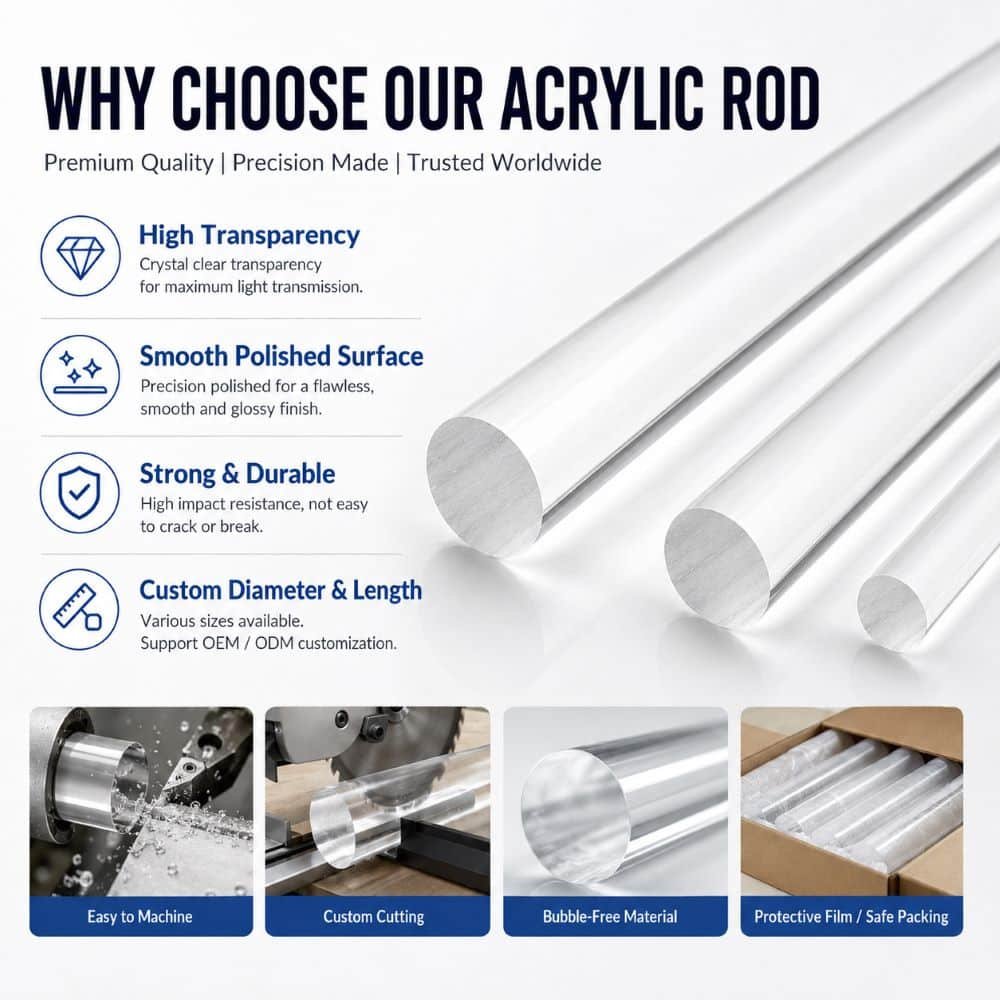
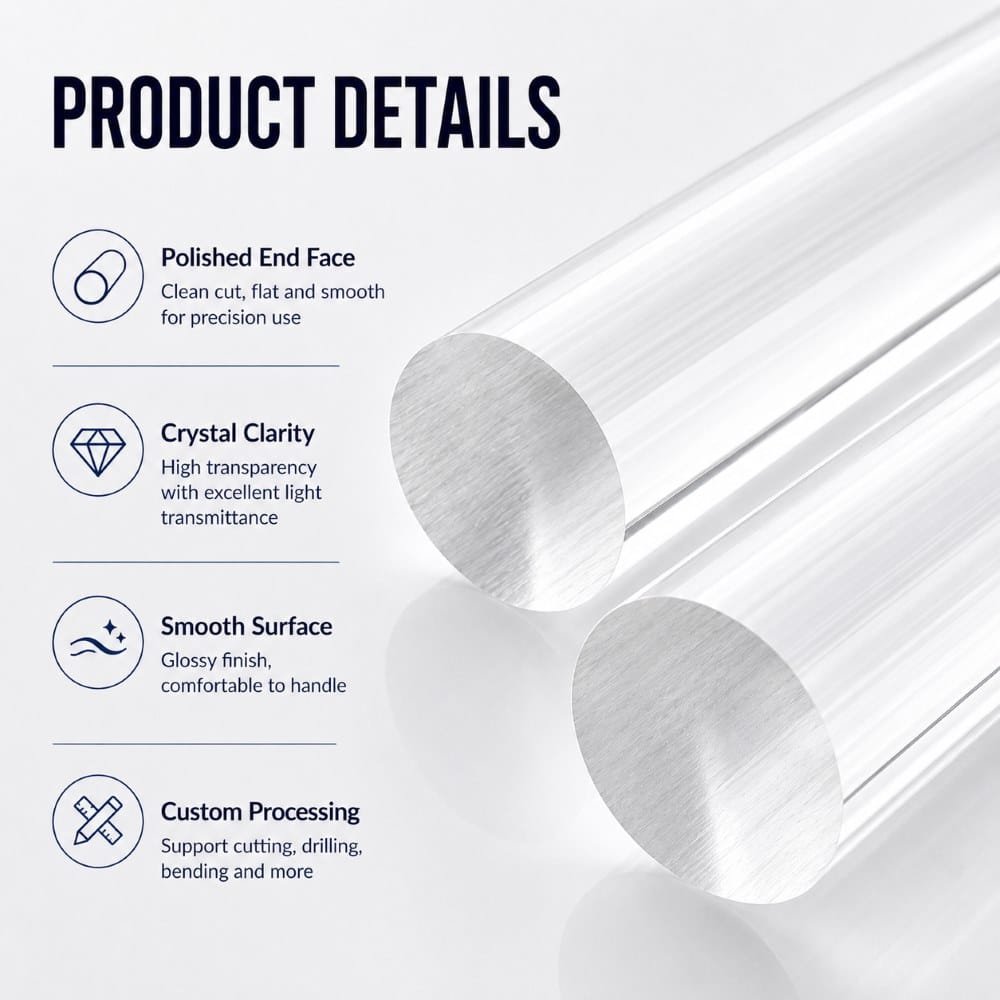
Acrylic rod—also known as organic glass rods, PMMA rod, or plexiglass rods—are made from polymethyl methacrylate (PMMA), a transparent thermoplastic polymer. Thanks to their excellent optical properties, mechanical strength, and ease of processing, acrylic rods are widely used in fields such as industrial manufacturing, commercial displays, artistic decoration, and everyday life.

Key Characteristics of PMMA Rod:

  • Superior Optical Properties: Acrylic rods boast a light transmission rate exceeding 92%—surpassing that of ordinary glass—delivering a crystal-clear visual effect. They feature a high-gloss, mirror-like surface and come in a wide range of appearances, including colorless transparent, tinted transparent, pearlescent, and opaque finishes.
  • Lightweight yet Strong: With a density of approximately 1.19–1.2 g/cm³—roughly half that of glass—they are lightweight and easy to handle and install. Additionally, their impact strength is 7 to 18 times that of ordinary glass; they are shatter-resistant and offer enhanced safety.
  • Excellent Weather and Chemical Stability: They adapt well to natural environments, resisting yellowing or embrittlement during prolonged outdoor exposure, and offer outstanding UV resistance.
  • Ease of Fabrication: Possessing excellent thermoplastic properties, they can be bent and shaped when heated. They also support various secondary processing techniques, such as cutting, drilling, engraving, polishing, and bonding.

2-Custom PMMA Acrylic Rod parameters

KategorienPMMA acrylic rod
MaterialHigh quality PMMA plastic
MarkeIhr LOGO
FarbeClear (custom color)
Größe/FormRod
DiameterBrauch
Länge1-4 m oder nach Kundenwunsch
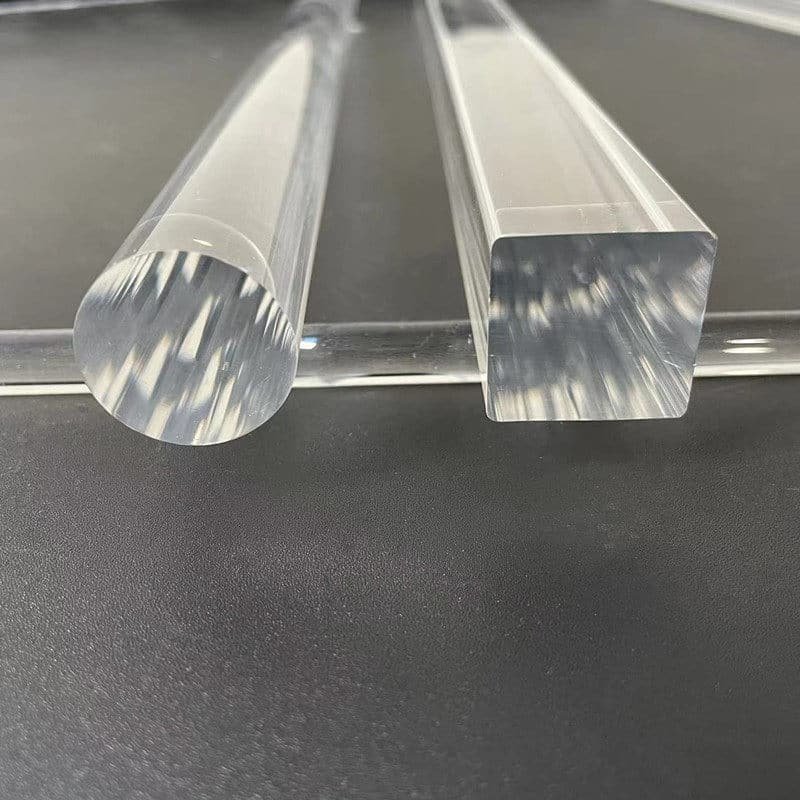
FormCylinder or Square column
VerarbeitungsdienstCutting, Molding
Kunststoff-FormteilExtrudieren
AnwendungBuilding Industry,decoration
BesonderheitExceptional optical performance/Environmental friendly
StandardISO 9001 ISO14001 ISO45001 cm²
DesignIndividuell nach Ihrer Zeichnung anfertigen
NettogewichtLaut Zeichnung
OEM/ODMAkzeptieren
VerpackungMaßgeschneidert
VerpackungsmaterialKarton
VerpackungsgrößeKundenspezifische Verpackung
VersandKleine Mengen werden innerhalb von 3-7 Tagen per FedEx, UPS, DHL, TNT oder EMS geliefert; größere Mengen per See- oder Luftfracht.
ZahlungsbedingungenTT, PayPal und Western Union
ZertifizierungCE, CCC, CQC, RoHS
LieferzeitDie Herstellung der Form und die Mustererstellung dauern 7–10 Tage, die Produktion selbst 7–30 Tage, abhängig von der Bestellmenge.

3 wichtige physikalische und chemische Eigenschaften

EigentumBeschreibung
Dichte1.19-1.2g/cm³
Zugfestigkeit2–3 MPa
Betriebstemperatur-30°C to +90°C
UV-BeständigkeitExcellent UV resistance
Chemische BeständigkeitIt is resistant to weak acids, weak bases, and alcoholic solvents, but may undergo dissolution or stress cracking in strong acids, strong bases, and certain organic solvents.
SchlagfestigkeitIts impact strength is 7 to 18 times that of ordinary glass; it is resistant to breakage and offers greater safety.

4-Applications of PMMA acrylic Rod

  • Advertising and Displays: Used for light box light-guiding columns, display stands, signage, and cosmetic display props, leveraging high light transmission and aesthetic appeal to enhance visual impact.
  • Architectural Decoration: Utilized for decorative moldings, partition columns, skylight support structures, or interior art installations to create a sense of modernity and transparency.
  • Lighting and Fixtures: Widely applied in LED light-guiding rods, ambient light columns, and crystal light accessories; capable of evenly transmitting light to produce soft lighting effects.
  • Industry and Machinery: Used for machinery observation window frames, insulating components, water treatment equipment parts, and more.
  • Crafts and DIY: Favored for its ease of processing and variety of colors, it is frequently used to create models, jewelry, desktop ornaments, and creative handicrafts.

5-customized cases

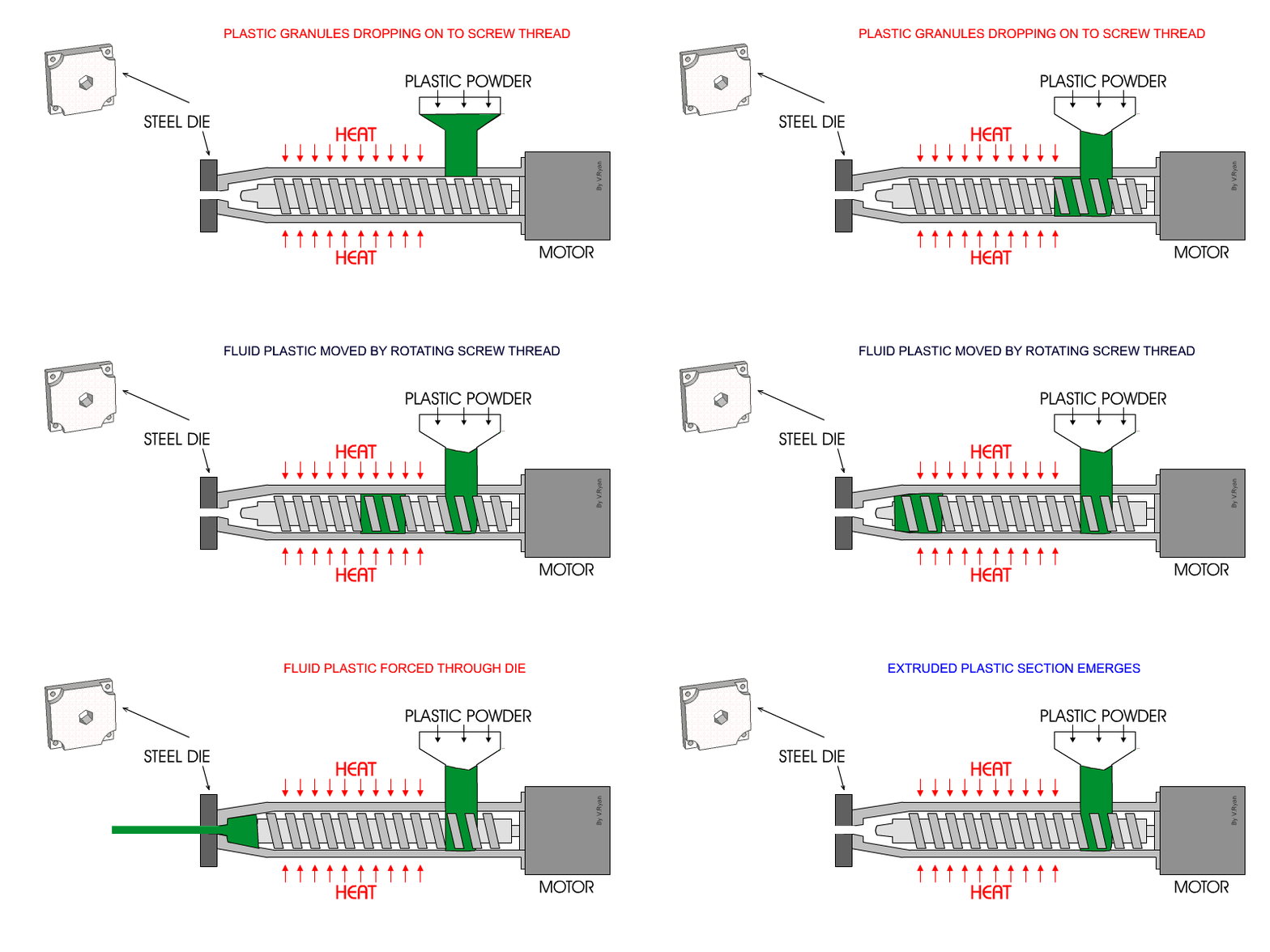
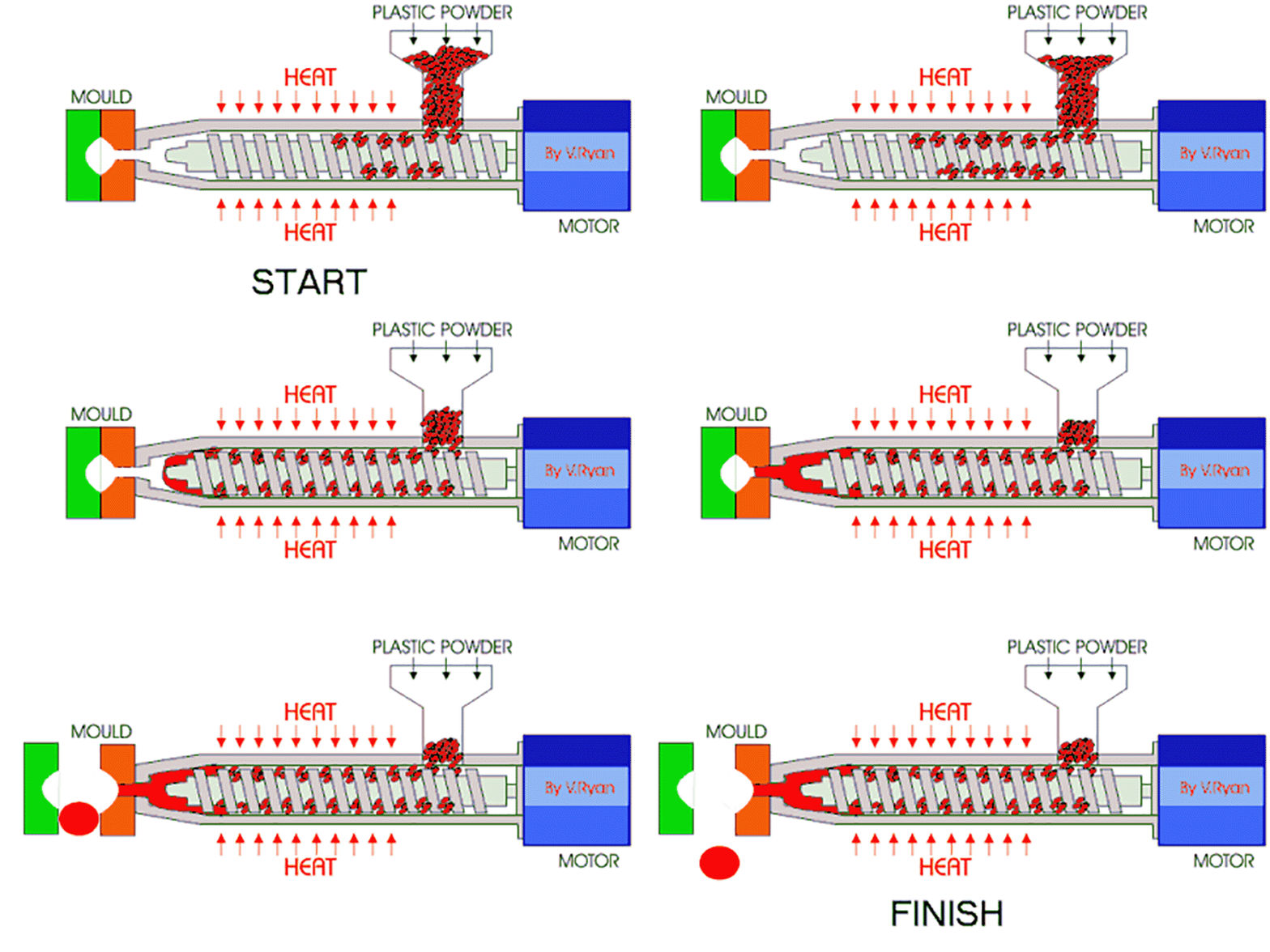
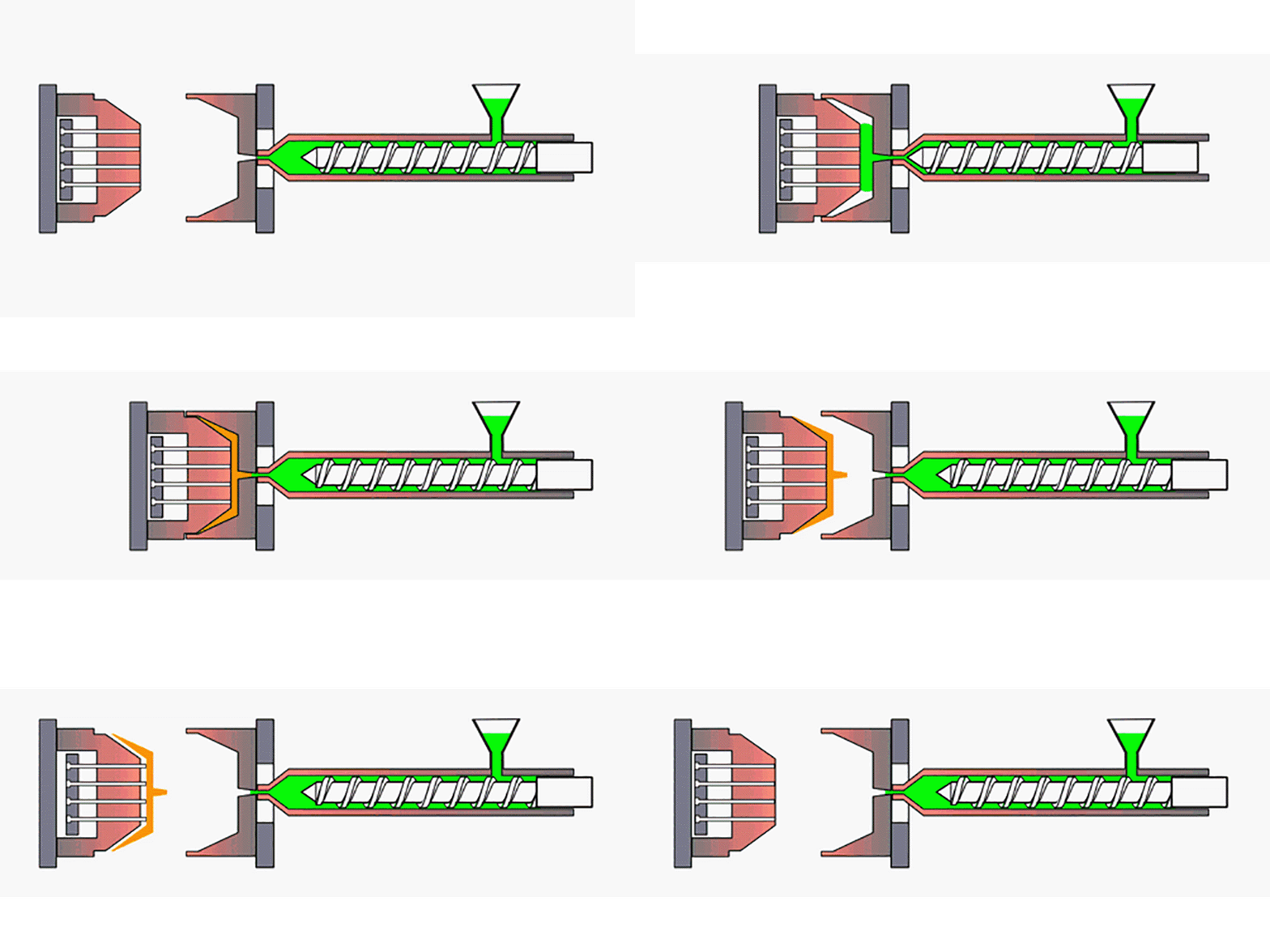
6-Common PMMA acrylic rod extrusion schemes

wie man kundenspezifische Kunststoffextrusionsprofile herstellt
Acrylic Rods extrusion
PVC-Extrusionsprofile
Kunststoffextrusion
PVC-Frofiles
Extrusionsprofile

7 häufig gestellte Fragen

What are the basic characteristics of acrylic rods?
  1. High Light Transmittance: High-quality acrylic rods offer light transmittance exceeding 92%, surpassing that of ordinary glass (approx. 85%) and polycarbonate (PC, approx. 88%). Light scattering is minimal as it passes through, resulting in a crystal-clear visual effect.
  2. Lightweight yet Strong: With a density of approximately 1.19 g/cm³—only about half that of glass—it boasts an impact strength several times greater than ordinary glass and is resistant to breakage.
  3. Ease of Processing: It exhibits excellent thermoplastic properties, allowing for easy bending and shaping when heated; it supports various processing methods such as laser cutting, CNC engraving, drilling, and polishing, enabling the creation of complex shapes.
  4. Weather and Chemical Stability: It remains stable against most chemicals at room temperature and offers good weather resistance for outdoor use, though standard grades may yellow after prolonged exposure to ultraviolet (UV) light.
What are the main types of acrylic rods?

They are primarily categorized into the following types based on function and manufacturing process:

  1. Transparent Acrylic Rods: Standard type offering exceptional clarity; commonly used for light-guiding pillars and display stands.
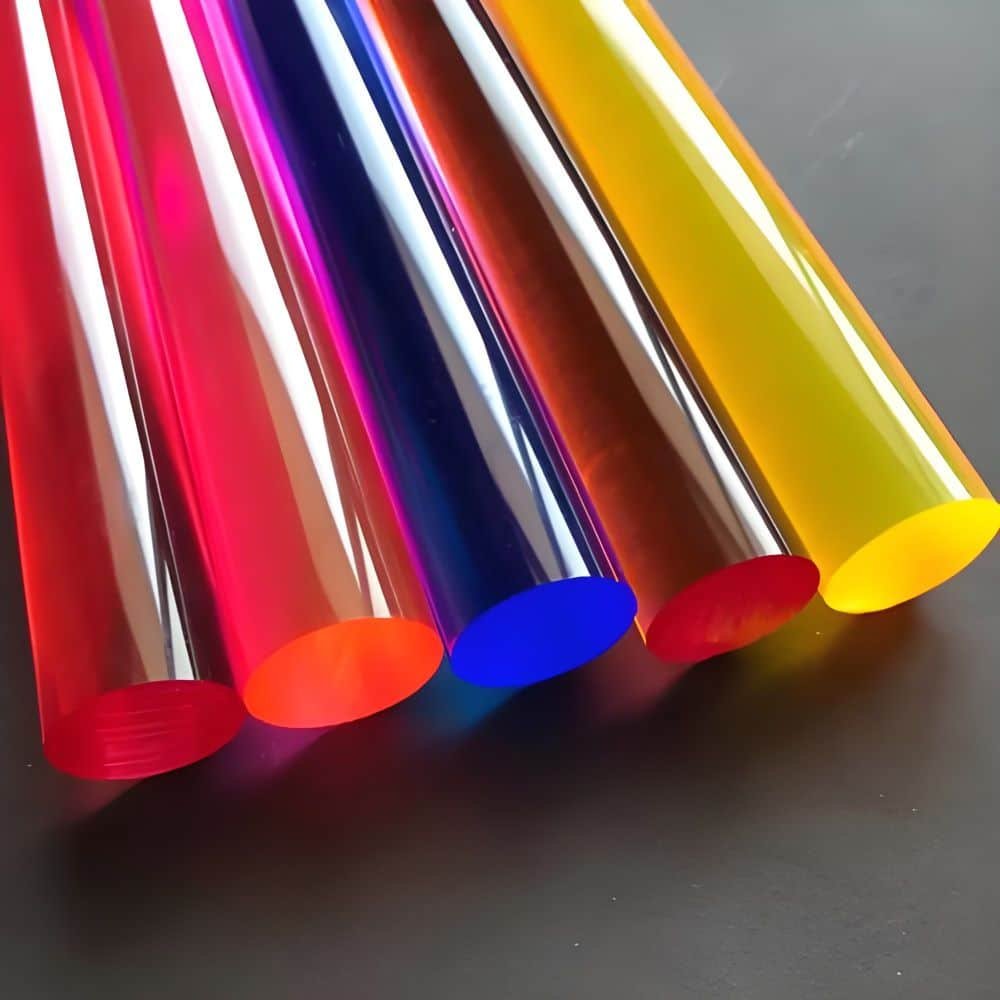
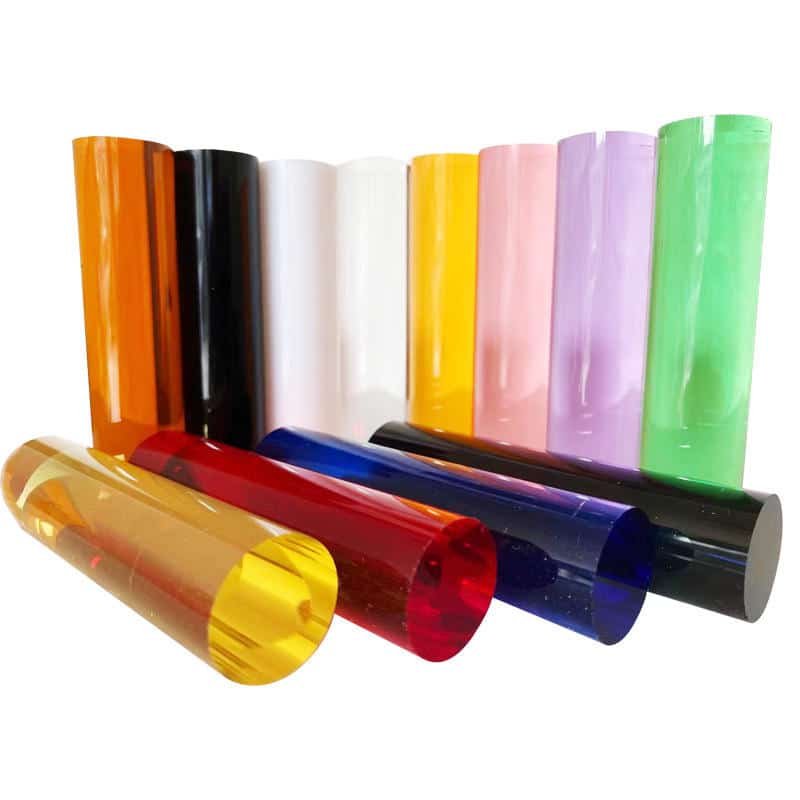
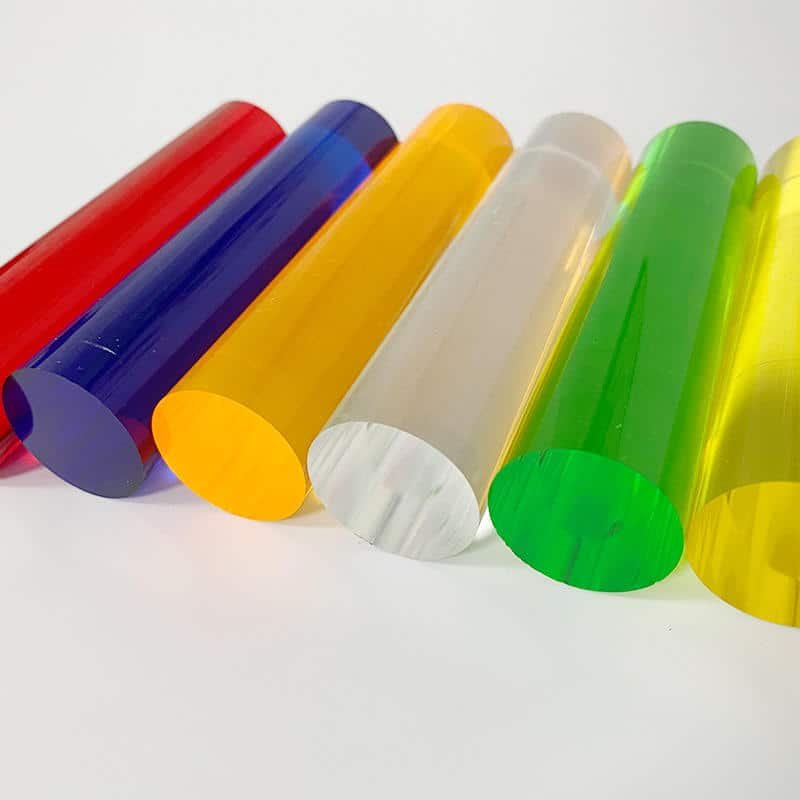
  2. Colored Acrylic Rods: Produced by adding color masterbatch; features rich, uniform color, making them suitable for decorative purposes and art installations.
  3. Frosted/Opal Acrylic Rods: Feature a frosted surface or body that creates a soft, diffused light effect; ideal for ambient lighting designs.
  4. Bubble Acrylic Rods: Contain evenly distributed micro-bubbles; create a unique “starlight” or flowing texture when illuminated, primarily used for creative décor.
  5. Anti-Yellowing Acrylic Rods: Formulated with UV stabilizers for outdoor use; effectively delay yellowing and aging caused by UV exposure, making them suitable for outdoor signage and light boxes.
  6. High-Temperature Resistant Acrylic Rods: Specially formulated to maintain physical stability at elevated temperatures; suitable for applications requiring heat resistance, such as in electronic equipment and aerospace.
How do I choose the right specifications and dimensions?
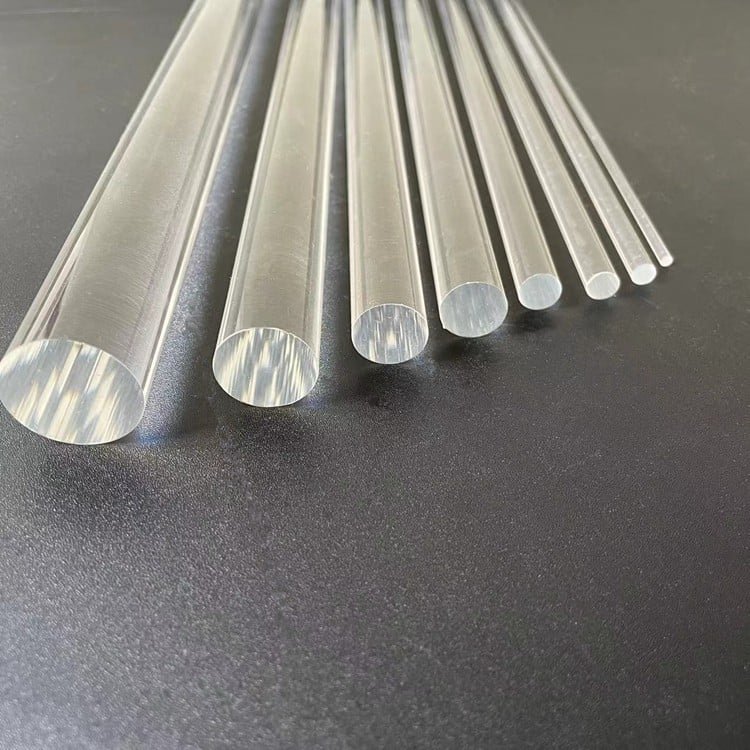
  1. Diameter Range: Common market diameters range from 1mm to 350mm. Small diameters (1–10mm) are typically used for model detailing or as fiber optic substitutes; medium diameters (10–50mm) are suitable for lamp posts, handles, and decorative columns; and large diameters (over 50mm) are often used for main shafts in large exhibition stands and for structural support.
  2. Tolerance Precision: For high-precision applications (such as instrument windows or nested assemblies), select products with tolerances controlled within ±0.05mm to ensure a precise, seamless fit.
  3. Custom Lengths: Most suppliers offer cut-to-order services; specify your total length and segmentation requirements when purchasing.
What should we pay attention to when processing and using acrylic rod?
  1. Cleaning and Protection: Remove surface dust and impurities before processing to prevent scratches. For routine cleaning, use a soft cloth and a neutral detergent; strictly avoid organic solvents such as alcohol or acetone, as these can cause cracking or dissolution.
  2. Cutting and Engraving: When laser cutting, control the speed and power to avoid edge melting or excessive smoke; for CNC engraving, use sharp tools and adequate cooling to prevent material deformation due to overheating.
  3. Thermoforming: Strictly control the heating temperature—softening typically occurs between 100°C and 120°C—to avoid localized overheating that could cause blistering or scorching.
  4. Scratch Prevention: Although the material offers high impact resistance, its surface hardness is relatively low (H–2H), making it susceptible to scratches from sharp objects; exercise care and provide protection during handling and installation.
How can the yellowing of acrylic rods used outdoors be resolved?

Cause: Under prolonged exposure to UV radiation, oxygen, and humidity, the molecular chains of standard acrylic rods degrade, resulting in visible yellowing and embrittlement.
Solution:

  • Select specialized grades labeled “UV-resistant” or “anti-yellowing”; these products contain added UV absorbers and stabilizers.
  • For outdoor applications with extremely high performance requirements, consider applying a UV-resistant surface coating.
  • Perform regular cleaning and maintenance to minimize the impact of contaminants that accelerate aging.
What factors should be considered when purchasing acrylic rod?
  1. Transparency and Impurities: Check for air bubbles, black specks, flow lines, or stress marks; high-quality rods should be clear and flawless.
  2. Brand and Certification: Choose well-known brands or direct manufacturers with certifications such as ISO9001, SGS, and RoHS to ensure the material is eco-friendly, non-toxic, and of consistent quality.
  3. Application Suitability: Select standard clear or colored versions for interior decoration; choose anti-yellowing types for long-term outdoor use; and opt for heat-resistant versions for high-temperature environments.
  4. Kundendienst: Confirm whether the supplier offers sample testing, custom fabrication, and comprehensive after-sales support.
Sind Sie ein Hersteller oder ein Händler?

Wir sind ein chinesisches Top-Unternehmen Kunststoff-Extrusionsprofile manufacturer and our factory is located in Huizhou. Our factory has a 6,000㎡ production base, 5+ automated extrusion profiles production lines, an annual production capacity of 30,000 tons, and serves more than 500 customers worldwide. Welcome to visit our factory!

 
Besitzen Sie internationale Zertifizierungen?

We have passed ISO 9001, CE, RoHS, SGS and other certifications, and meet the mainstream standards of Europe, America, the Middle East and Asia.


Holen Sie sich den aktuellen Preis

Vertraut von
Kunststoffextrusionsfabrik

Erfahren Sie, wie wir 100 Top-Marken zum Erfolg verholfen haben.

Lass uns reden