



Wall panel has become an essential element in modern interior design, architecture, and construction. They are no longer just a decorative feature but also play a functional role in protecting surfaces, insulating rooms, and offering long-term durability. With a wide range of materials available, choosing the right type of wall panel depends on your project needs, budget, and design preferences.
Als SW, ein Profi PVC panel factory with over 20 years of extrusion experience, we understand that customers often want to compare different wall panel materials before making a choice. In this blog, we will introduce the most common wall panel materials, including PVC, wood, MDF, gypsum, metal, glass, fabric, WPC, and acrylic, and evaluate their advantages, disadvantages, and ideal applications.
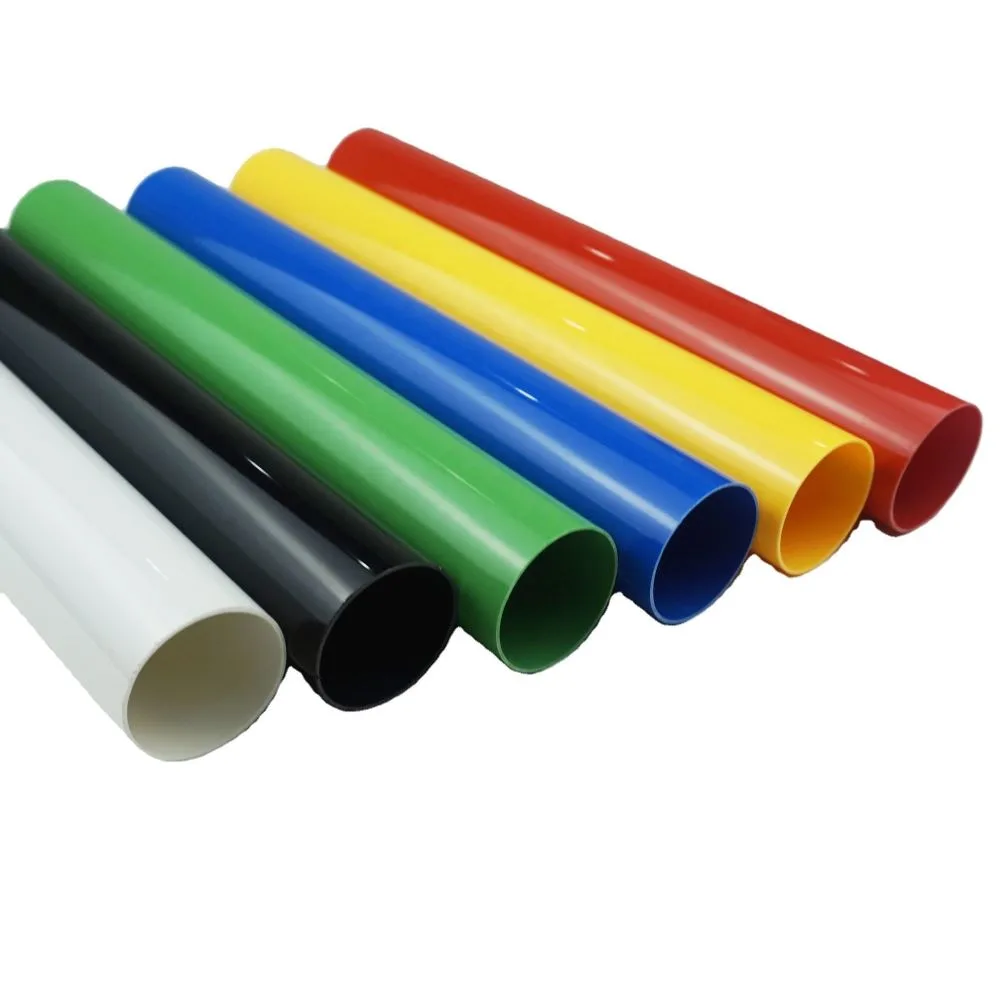
1. PVC Wall Panel
PVC wall panel is one of the most popular choices in both residential and commercial projects today. At SW, we have specialized in manufacturing PVC panels for decades, and the material’s benefits are widely recognized.
Key Features:
Lightweight and Durable: PVC panels are easy to handle and transport while still offering strength and long-term performance.
Moisture Resistance: Unlike wood, PVC panels are non-porous and do not absorb water, making them ideal for bathrooms, kitchens, and basements.
Easy to Clean: Smooth, non-stick surfaces allow simple cleaning with a damp cloth.
Fire Retardant: High-quality PVC panels can meet fire safety standards.
Design Versatility: Available in countless colors, textures, and patterns, including wood grain, marble, or glossy finishes.
Cost-Effective: Affordable compared to wood or glass.
Anwendungsbereiche:
Bathrooms and washrooms
Kitchen backsplashes and walls
Office and retail interiors
Residential wall and ceiling decoration
Summary: PVC wall panels are a versatile, economical, and low-maintenance choice, making them one of the most widely used solutions in the global market.
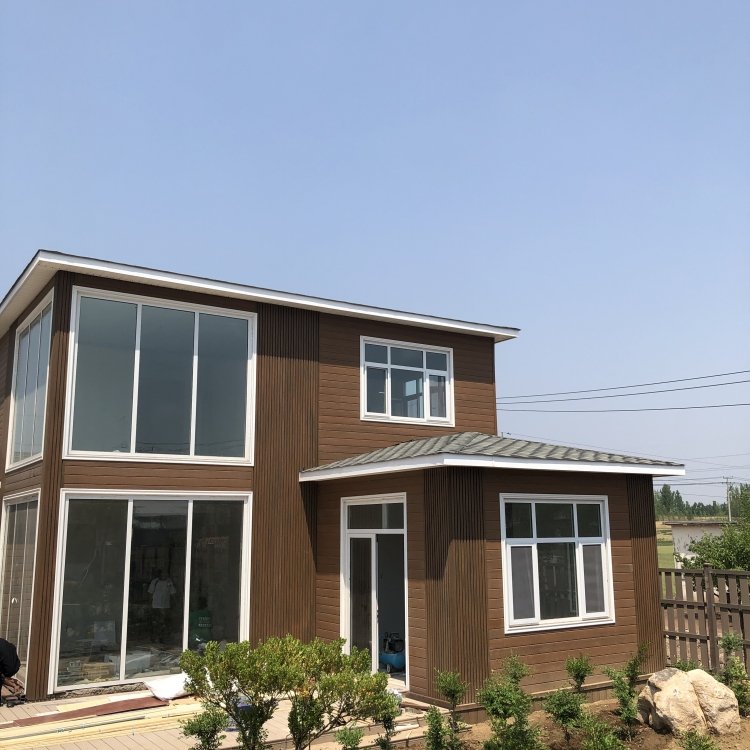
2. Wooden Wall Panel
Wood has been used in construction and decoration for centuries. It remains a premium choice for creating warmth and luxury in interiors.
Key Features:
Aesthetic Appeal: Natural wood grain provides timeless beauty and elegance.
Insulation: Wood offers good thermal and acoustic insulation.
Customizable: Can be carved, stained, or painted.
Limitations:
Moisture Sensitivity: Wood can swell, warp, or rot in humid environments.
Higher Cost: Premium hardwood panels can be expensive.
Maintenance Needs: Requires polishing or varnishing over time.
Anwendungsbereiche:
Living rooms and bedrooms
High-end commercial spaces
Hotels, restaurants, and resorts
Summary: Wooden panels are best suited for luxury projects where natural aesthetics outweigh maintenance concerns.
3. MDF wall Panel
MDF (Medium Density Fiberboard) wall panel is engineered wood products made by compressing wood fibers with resin.
Key Features:
Smooth Surface: Ideal for painting or laminating.
Affordable: Cheaper than solid wood.
Custom Shapes: Easily cut and molded into decorative designs.
Limitations:
Moisture Vulnerability: Prone to swelling in wet areas.
Lower Strength: Not as durable as natural wood or PVC.
Anwendungsbereiche:
Decorative wall cladding
Indoor paneling where humidity is controlled
Summary: MDF panels are an economical option for stylish interiors but should not be used in wet areas.
4. Gypsum Wall Panel
Gypsum (or plasterboard) wall panel is commonly used in construction for interior walls and ceilings.
Key Features:
Fire Resistant: Offers good fireproofing properties.
Smooth Finish: Provides a seamless surface for painting.
Sound Insulation: Effective for noise reduction.
Limitations:
Fragility: Can crack or chip under impact.
Moisture Sensitivity: Not suitable for wet areas unless treated.
Anwendungsbereiche:
Residential walls and ceilings
Office partitions
Commercial interiors
Summary: Gypsum panels are a practical choice for standard construction projects but less suitable for high-humidity areas.

5. Metal Wall Panel
Metal wall panels, often made of aluminum or steel, are widely used in both industrial and modern architectural applications.
Key Features:
Haltbarkeit: Resistant to impact, pests, and weathering.
Modern Look: Provides a sleek and contemporary appearance.
Fireproof: Excellent fire resistance.
Limitations:
Kosten: More expensive than PVC or MDF.
Acoustic Properties: May amplify noise unless insulated.
Anwendungsbereiche:
Industrial facilities
Exterior wall cladding
High-tech or modern style interiors
Summary: Metal panels offer strength and aesthetics for projects requiring a modern or industrial appeal.
6. Glass Wall Panel
Glass is widely used for creating open, light-filled spaces.
Key Features:
Transparency: Maximizes natural light.
Aesthetics: Sleek and elegant.
Easy Cleaning: Non-porous and smooth surface.
Limitations:
Fragility: Susceptible to breakage.
Kosten: Can be expensive, especially tempered or frosted glass.
Privacy Concerns: Requires treatments like frosting or tinting.
Anwendungsbereiche:
Offices and commercial interiors
Luxury residential spaces
Shower enclosures
Summary: Glass wall panel creates openness but are not ideal for high-traffic or impact-prone areas.
7. Fabric Wall Panel
Fabric-covered panels are primarily used for acoustic and decorative purposes.
Key Features:
Sound Absorption: Excellent for improving room acoustics.
Aesthetic Variety: Wide range of colors, patterns, and textures.
Comfortable Look: Adds warmth and softness.
Limitations:
Maintenance: Can absorb dust and stains.
Haltbarkeit: Less resistant to wear and tear.
Anwendungsbereiche:
Theaters and recording studios
Hotels and luxury interiors
Residential feature walls
Summary: Fabric panels are ideal for acoustic performance and soft aesthetics but require higher maintenance.
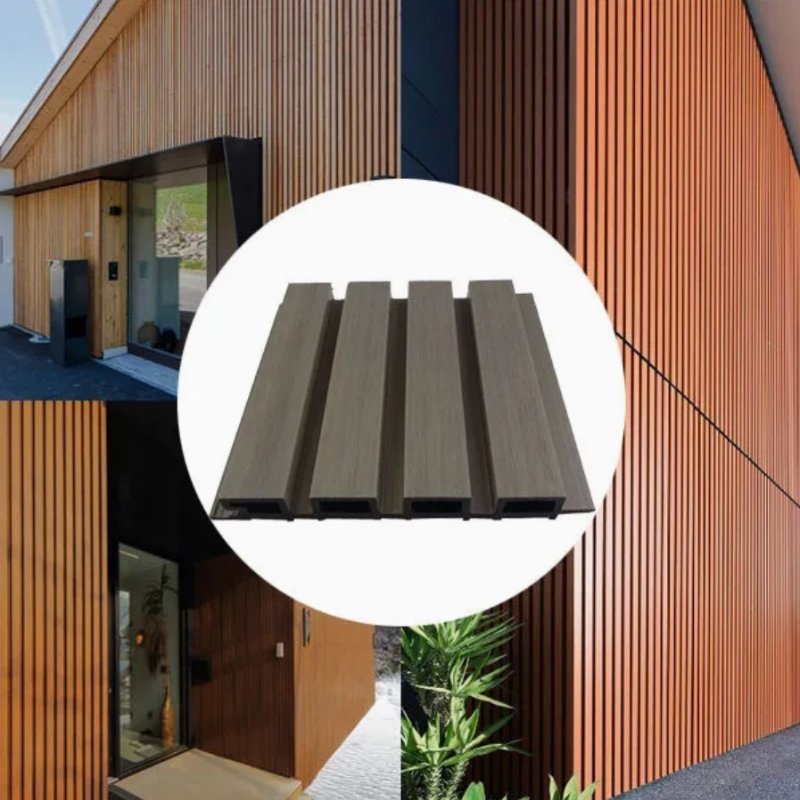
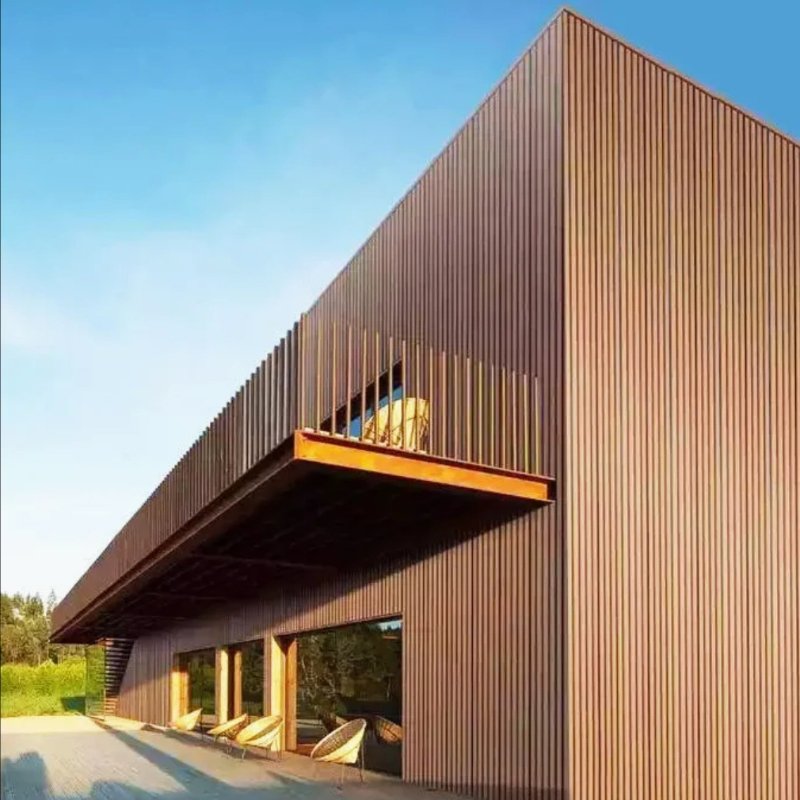
8. WPC (Wood-Plastic Composite) Wall Panels
WPC wall panel combine wood fiber and thermoplastic resin, offering a balance between natural beauty and durability.
Key Features:
Moisture Resistant: Better than MDF or wood.
Eco-Friendly: Often made from recycled materials.
Haltbarkeit: Resistant to insects and decay.
Limitations:
Kosten: Higher than PVC but lower than solid wood.
Limited Designs: Not as customizable as PVC.
Anwendungsbereiche:
Outdoor cladding
Bathrooms and kitchens
Eco-conscious projects
Summary: WPC wall panels are a sustainable and durable alternative for both indoor and outdoor use.
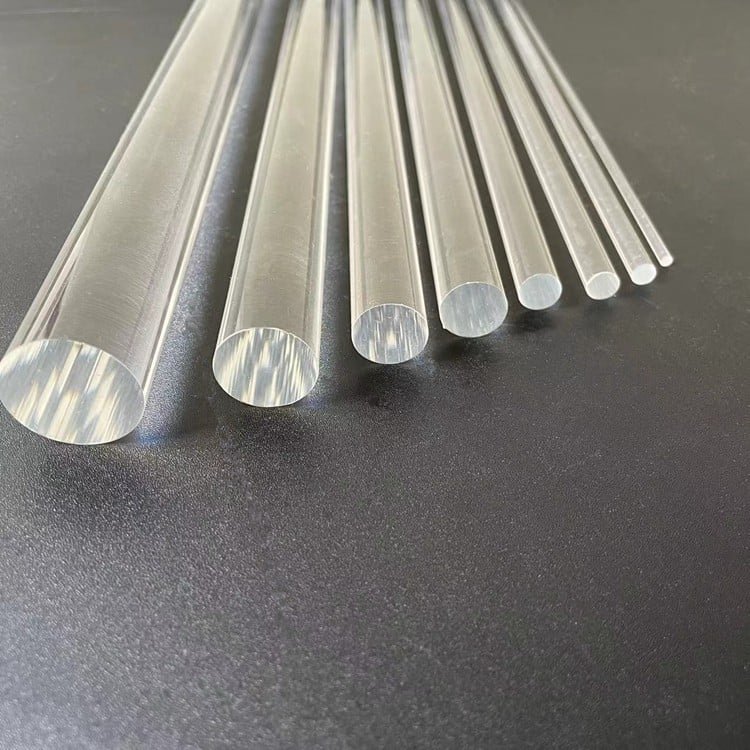
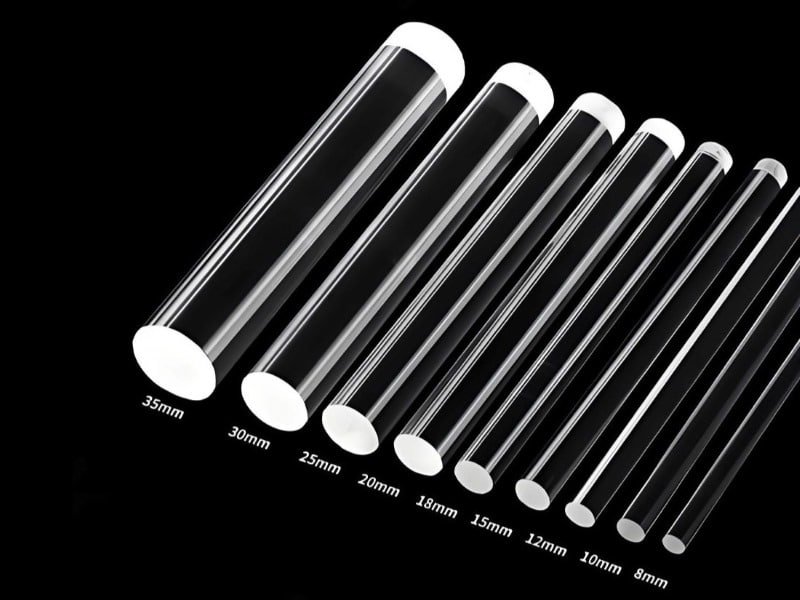
9. Acrylic Wall Panel
Acrylic wall panel is lightweight plastic sheets with high clarity and brightness.
Key Features:
Glossy Finish: Bright and reflective surfaces.
Moisture Resistance: Suitable for wet areas.
Custom Colors: Wide design flexibility.
Limitations:
Scratch Sensitivity: Can be easily damaged by sharp objects.
Higher Cost: More expensive than PVC.
Anwendungsbereiche:
Kitchen backsplashes
Bathroom walls
Decorative partitions
Summary: Acrylic wall panels provide a modern, glossy finish but may require more careful handling.
Comparative Overview of Wall Panel Materials
| Material | Kosten | Haltbarkeit | Moisture Resistance | Fire Resistance | Maintenance | Ästhetische Optionen | Anwendungen |
|---|---|---|---|---|---|---|---|
| PVC | Low | High | Excellent | Good | Low | Wide range | Bathrooms, kitchens, interiors |
| Wood | High | High (indoors) | Poor | Fair | High | Natural, luxury | Living rooms, resorts |
| MDF | Low | Medium | Poor | Fair | Medium | Paint/laminate | Decorative indoor walls |
| Gypsum | Medium | Medium | Poor | Good | Medium | Smooth finish | Walls, ceilings |
| Metal | High | Very High | Excellent | Excellent | Low | Modern/industrial | Exteriors, factories |
| Glass | High | Medium | Excellent | Fair | Low | Transparent, sleek | Offices, luxury homes |
| Fabric | Medium | Medium | Poor | Fair | High | Color/texture variety | Theaters, hotels |
| WPC | Medium | High | Good | Good | Low | Limited | Eco-friendly interiors/exteriors |
| Acrylic | Medium-High | Medium | Good | Fair | Medium | Glossy, vibrant | Kitchens, bathrooms |
How to Choose the Right Wall Panel Material
When selecting wall panels, consider the following factors:
Environment: Wet areas like bathrooms and kitchens require water-resistant panels (PVC, acrylic, WPC).
Budget: PVC and MDF panels are cost-effective; wood and glass panels are more premium.
Aesthetic Preference: Choose wood for natural luxury, fabric for warmth, metal for modernity, or PVC for versatile designs.
Maintenance Needs: PVC and metal panels require minimal maintenance, while wood and fabric need more care.
Functionality: For soundproofing, fabric panels are ideal; for fire safety, gypsum or metal panels are better.
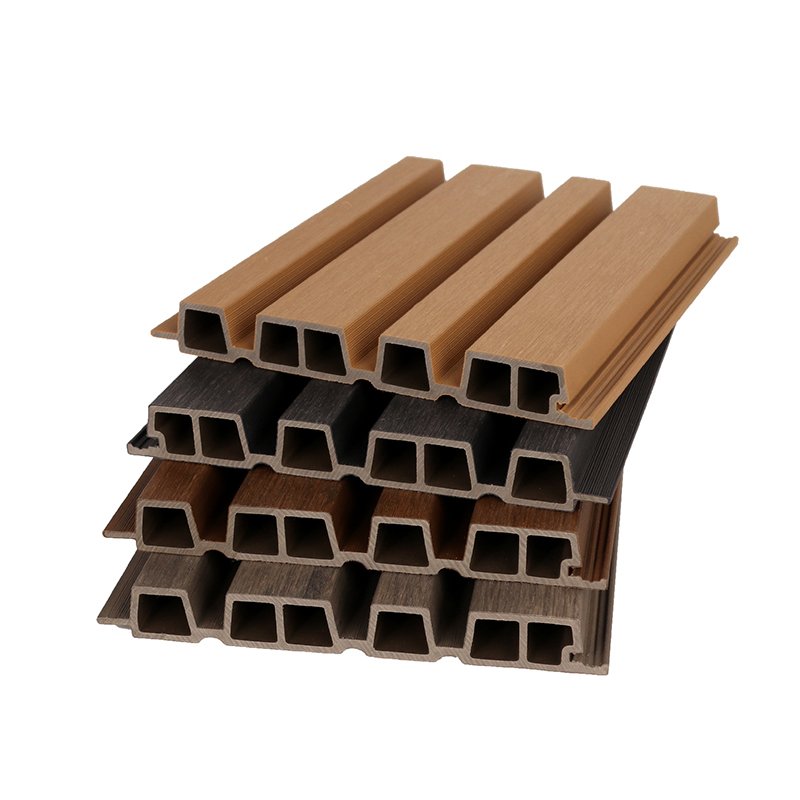
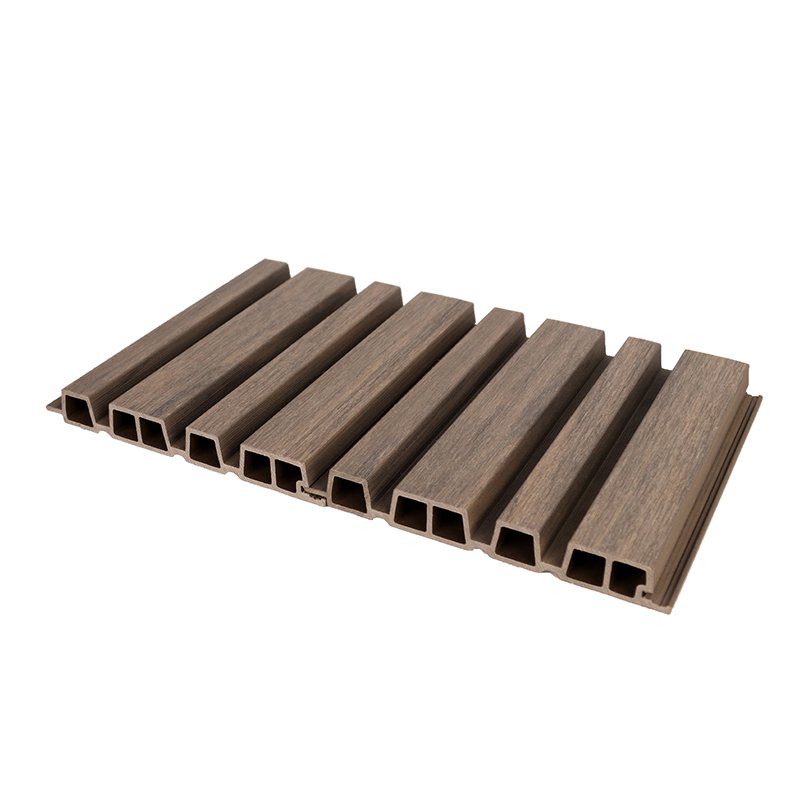
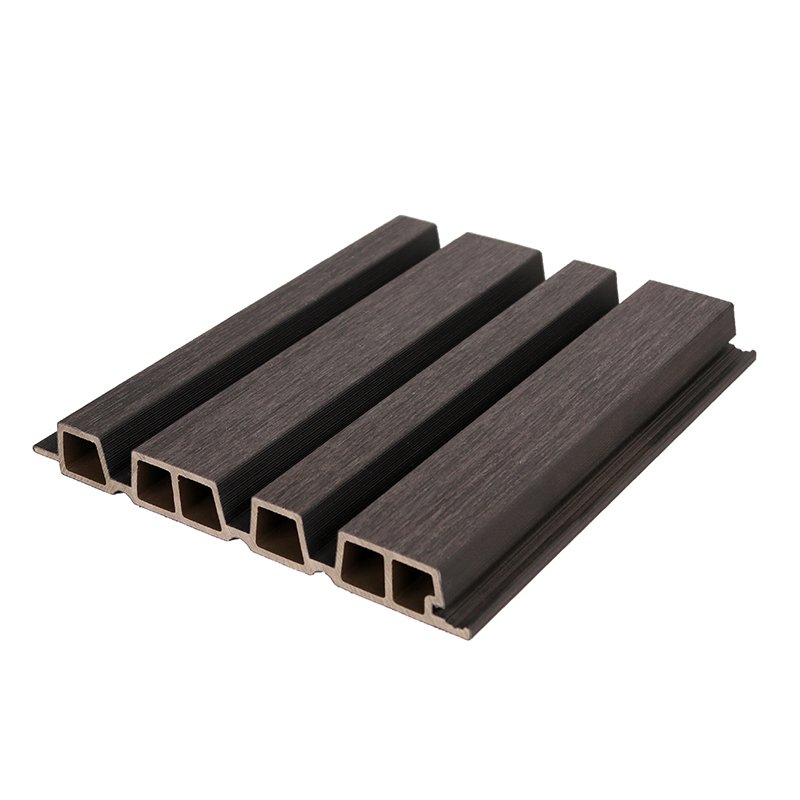
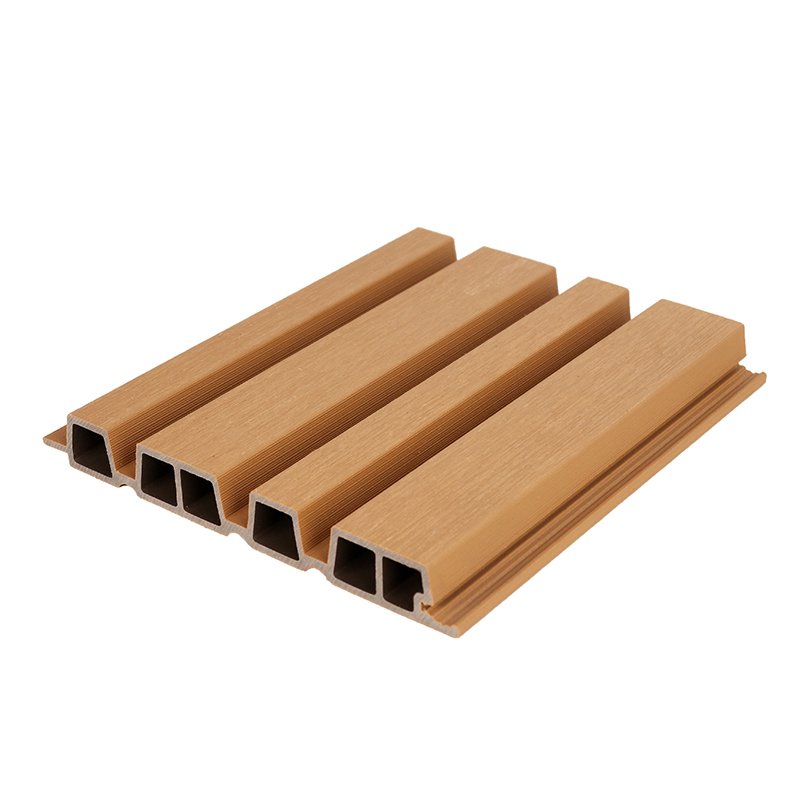
Wall panels come in a wide variety of materials
Wall panels come in a wide variety of materials, each offering unique advantages and limitations. PVC-Paneele stand out as one of the most versatile, affordable, and practical choices, especially for moisture-prone and high-traffic areas. At SW, with over 20 years of manufacturing experience, we specialize in producing high-quality PVC-Paneele that combine durability, aesthetics, and cost-effectiveness.
Whether you are designing a modern home, upgrading commercial interiors, or planning a specialized project, understanding the strengths of each material will help you make the best choice.
Wir verfügen über ein Werk für PVC-Rohre mit erfahrenen Ingenieuren, die Sie bei der Produktentwicklung – von der ersten Idee bis zur Serienproduktion – unterstützen. Kontaktieren Sie uns gerne bei Fragen zu Ihrem Produkt. Unsere Ingenieure erstellen Ihnen umgehend ein Angebot. WhatsApp +86 188 2072 7151
Wer ist S oder Wei?
Seit 2006 ist Shuowei ein professioneller Hersteller von Extrusionsprofilen mit Sitz in Guangdong, China. Unser Team besteht aus 51 bis 100 Mitarbeitern. Die Shuowei PVC-Extrusionsfabrik hat sich auf die Entwicklung und Produktion von Extrusionsprofilen wie PVC-Rohren, PE-Kabelkanälen und PVC-Sockelleisten spezialisiert. Seit unserer Gründung haben wir uns durch innovatives Design, ausgereifte Technologie und unser kompromissloses Qualitätsstreben die breite Anerkennung des Marktes und das tiefe Vertrauen unserer Kunden erworben.
Sind Sie ein Hersteller oder ein Händler?
Wir sind ein chinesisches Top-Unternehmen PVC-Extrusionsprofile Unser Werk befindet sich in Huizhou. Es verfügt über eine 16.000 m² große Produktionsfläche, mehr als fünf automatisierte Extrusionsprofil-Produktionslinien, eine jährliche Produktionskapazität von 30.000 Tonnen und beliefert über 500 Kunden weltweit. Besuchen Sie uns!
Welche Produkte bieten Sie an?
Wir sind spezialisiert auf die Entwicklung und Produktion von hochwertigen Produkten. Extrusionsprofile,wie beispielsweise PVC-Rohre, ABS-Profile, PC-Lampenschirme, PVC-Sockelleisten, PP-Kabelkanäle, PE-Profile…
Wie lange dauert der Prozess der kundenspezifischen Entwicklung?
Wir unterstützen kundenspezifische Extrusionsprodukte. Der übliche Prozess umfasst 4 Schritte: Bedarfsbestätigung → 3D-Design/Proofing → Testzertifizierung → Serienproduktion (Zyklus 3-8 Wochen).
Besitzen Sie internationale Zertifizierungen?
Wir haben die Zertifizierungen ISO 9001, CE, RoHS, SGS und weitere erhalten und erfüllen die gängigen Standards in Europa, Amerika, dem Nahen Osten und Asien.