

A Fußleiste is often overlooked in interior design, yet it plays a critical role in protecting walls, enhancing aesthetics, and ensuring long-term durability in homes, offices, and commercial spaces. Traditionally made from wood, modern skirting boards now include a wide range of materials such as PVC, MDF, and aluminum, making them more versatile and cost-effective.
Bei SW, we are a professional extrusion factory specializing in PVC skirting boards with over 20 years of manufacturing experience. With advanced technology and global supply capabilities, we deliver customized skirting board solutions for clients worldwide.
This blog provides a comprehensive overview of skirting boards, their functions, materials, design options, and practical applications. Whether you are a homeowner, architect, or contractor, this guide will help you understand why the Fußleiste is an essential component of modern interiors.
1. What is a Skirting Board?
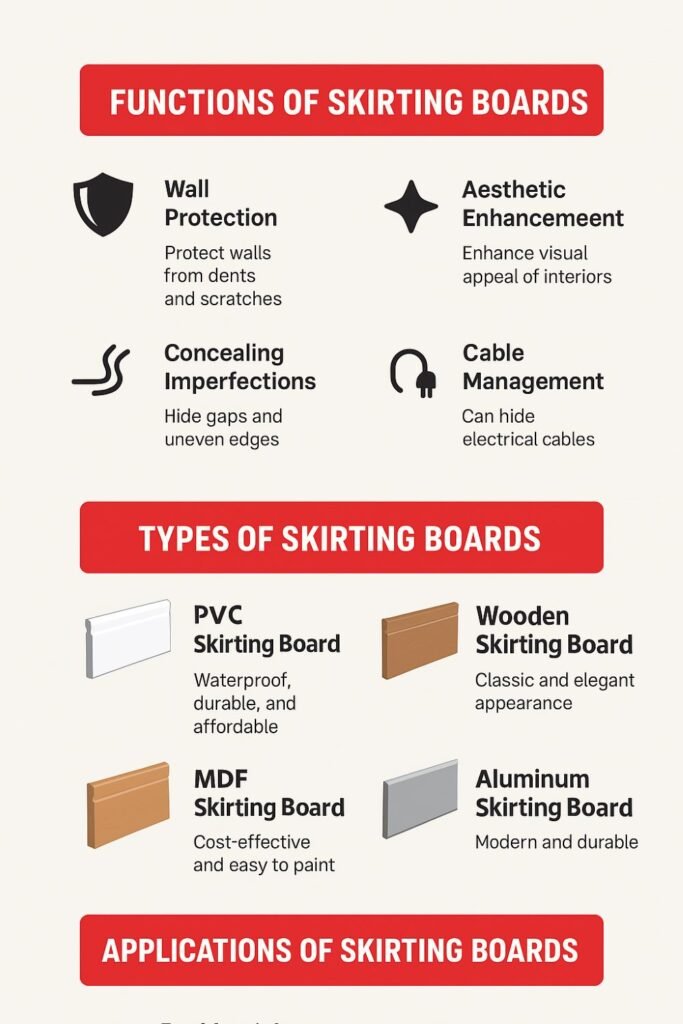
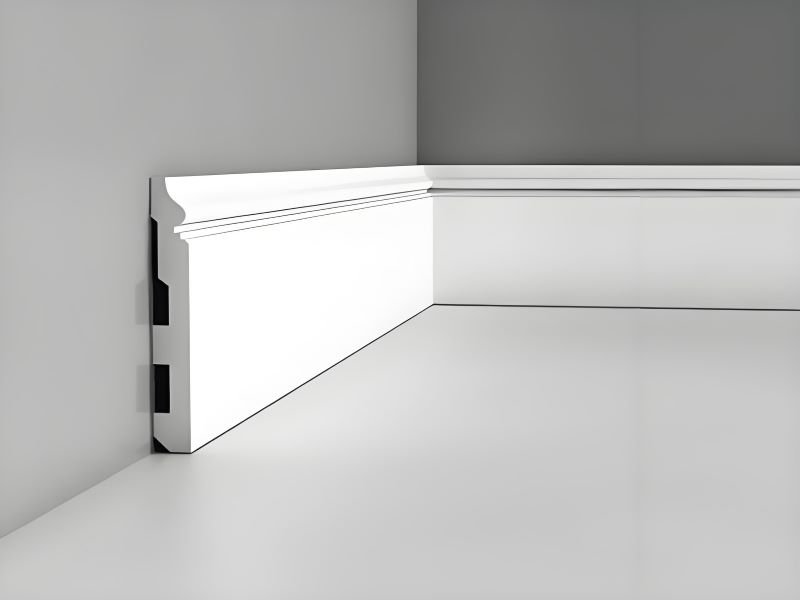
A Fußleiste (also known as baseboard, mopboard, or floor molding) is a strip of material installed at the junction of an interior wall and the floor. Its purpose is not only decorative but also functional.
Skirting boards:
Conceal the uneven joint between wall and floor.
Protect the lower part of walls from damage.
Enhance the overall look of the interior.
Provide channels for hiding cables or wires (especially with PVC skirting boards).
2. The Functions of Skirting Boards
2.1 Wall Protection
One of the main functions of a Fußleiste is to protect walls from scuffs, scratches, and impact caused by furniture, cleaning equipment, or foot traffic.
2.2 Aesthetic Enhancement
Skirting boards add definition and elegance to a room. By providing a finishing touch, they create a smooth transition between the floor and wall.
2.3 Concealing Imperfections
Flooring and plastering often leave gaps or uneven edges. A Fußleiste hides these imperfections for a seamless appearance.
2.4 Cable Management
Modern PVC skirting boards can be designed with internal channels, making them ideal for concealing electrical cables or internet wires.
2.5 Hygiene and Maintenance
They prevent dirt and debris from accumulating in wall-floor gaps, making cleaning easier and more effective.


3. Common Materials for Skirting Boards
3.1 PVC Skirting Board
PVC skirting boards are lightweight, affordable, and waterproof.
Vorteile:
Resistant to moisture, termites, and rot.
Easy to install and maintain.
Available in various finishes (wood grain, marble, solid colors).
Can be customized for cable management.
Anwendungen: Bathrooms, kitchens, offices, commercial interiors.
3.2 Wooden Skirting Board
The classic choice for traditional and luxury interiors.
Vorteile: Natural warmth, premium aesthetics, long-lasting.
Disadvantages: Expensive, prone to termites, sensitive to moisture.
Anwendungen: Living rooms, bedrooms, heritage properties.
3.3 MDF Skirting Board
A cost-effective alternative to wood.
Vorteile: Smooth surface, affordable, easy to paint.
Disadvantages: Poor moisture resistance, not as durable.
Anwendungen: Decorative walls, low-humidity interiors.
3.4 Aluminum Skirting Board
Sleek and modern, aluminum skirting boards are popular in contemporary and industrial designs.
Vorteile: Extremely durable, corrosion-resistant, modern appearance.
Disadvantages: Higher cost, limited design flexibility.
Anwendungen: Offices, commercial buildings, modern homes.
4. Design Options for Skirting Boards
4.1 Height
Low (50–80mm) – Minimalist design, common in modern interiors.
Medium (100–150mm) – Balanced look for most applications.
High (150–250mm) – Grand and elegant, used in luxury interiors.
4.2 Finish
Glossy or matte PVC coatings.
Natural wood polish.
Painted MDF in custom colors.
Metallic aluminum finishes.
4.3 Style
Plain skirting boards for minimalist spaces.
Decorative molded skirting boards for classical interiors.
Integrated cable skirting boards for functional spaces.
5. Applications of Skirting Boards
5.1 Residential Interiors
Living Rooms: Enhances the transition between flooring and wall paint.
Bedrooms: Provides warmth and aesthetic appeal.
Kitchens & Bathrooms: PVC skirting boards are best due to waterproof properties.
5.2 Commercial Interiors
Offices: Skirting boards hide electrical wires and protect walls from office furniture.
Retail Stores: Adds a polished look to customer-facing spaces.
Hotels: Creates a luxurious appearance in lobbies, hallways, and guest rooms.
5.3 Industrial and Healthcare Facilities
Hospitals: PVC skirting boards are preferred for hygiene and easy cleaning.
Factories: Protects walls from equipment movement and impact.
6. Installation of Skirting Boards
Tools Required
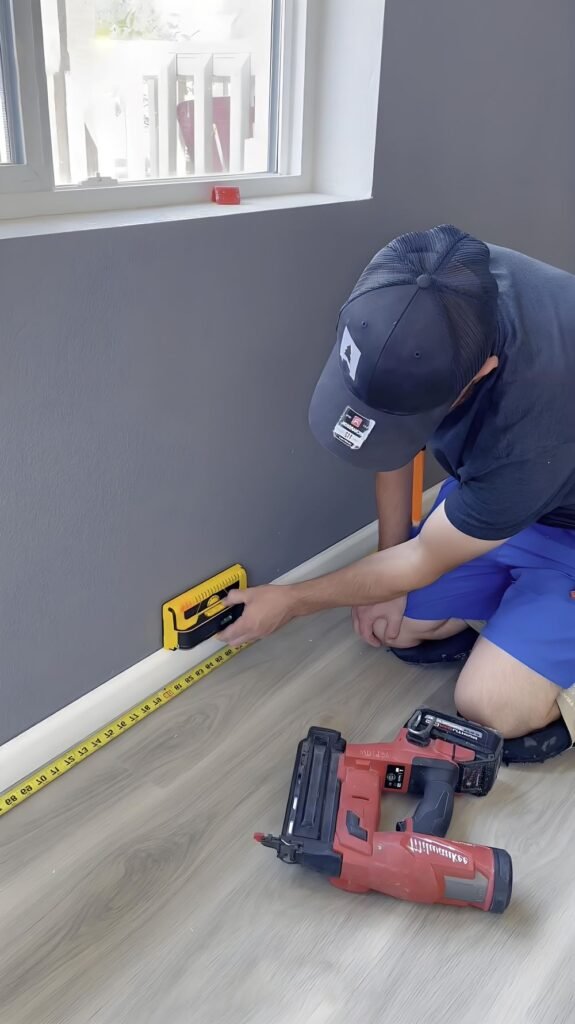
Measuring tape
Saw or PVC cutter
Adhesive or screws
Spirit level
Installation Steps
Measure the length of walls.
Cut skirting boards to size.
Apply adhesive or screw to secure the skirting board to the wall.
Join pieces with corner trims for a seamless finish.
Inspect alignment and wipe clean.
7. Maintenance and Usage Precautions
Cleaning: Use mild soap and water; avoid harsh chemicals.
Impact Protection: Avoid dragging heavy furniture directly against skirting boards.
Feuchtigkeit: Wooden and MDF skirting boards must be kept away from water exposure.
Temperature: PVC and aluminum skirting boards should not be placed near extreme heat sources.
8. Why Choose SW as Your Skirting Board Partner
Bei SW, we specialize in producing PVC skirting board through advanced extrusion technology. With 20 years of experience, we supply both standard and customized skirting board solutions.
Wide range of designs and finishes.
OEM & ODM customization.
Global export capability.
Strict quality control for durability and safety.
By choosing SW, you gain a reliable skirting board factory with proven expertise in international markets.
A skirting board is much more than a decorative accessory
A Fußleiste is much more than a decorative accessory—it protects walls, enhances interiors, and adds long-term functionality to any building. With multiple materials such as PVC, wood, MDF, and aluminum available, the right choice depends on your project’s environment, budget, and design requirements.
For cost-effective, durable, and customizable options, PVC skirting boards from SW are the ideal solution. With over 20 years of experience as a professional extrusion factory, SW is ready to meet your global project needs.
Wir verfügen über ein Werk für PVC-Rohre mit erfahrenen Ingenieuren, die Sie bei der Produktentwicklung – von der ersten Idee bis zur Serienproduktion – unterstützen. Kontaktieren Sie uns gerne bei Fragen zu Ihrem Produkt. Unsere Ingenieure erstellen Ihnen umgehend ein Angebot. WhatsApp +86 188 2072 7151
Wer ist S oder Wei?
Seit 2006 ist Shuowei ein professioneller Hersteller von Extrusionsprofilen mit Sitz in Guangdong, China. Unser Team besteht aus 51 bis 100 Mitarbeitern. Die Shuowei PVC-Extrusionsfabrik hat sich auf die Entwicklung und Produktion von Extrusionsprofilen wie PVC-Rohren, PE-Kabelkanälen und PVC-Sockelleisten spezialisiert. Seit unserer Gründung haben wir uns durch innovatives Design, ausgereifte Technologie und unser kompromissloses Qualitätsstreben die breite Anerkennung des Marktes und das tiefe Vertrauen unserer Kunden erworben.
Sind Sie ein Hersteller oder ein Händler?
Wir sind ein chinesisches Top-Unternehmen PVC-Extrusionsprofile Unser Werk befindet sich in Huizhou. Es verfügt über eine 16.000 m² große Produktionsfläche, mehr als fünf automatisierte Extrusionsprofil-Produktionslinien, eine jährliche Produktionskapazität von 30.000 Tonnen und beliefert über 500 Kunden weltweit. Besuchen Sie uns!
Welche Produkte bieten Sie an?
Wir sind spezialisiert auf die Entwicklung und Produktion von hochwertigen Produkten. Extrusionsprofile,wie beispielsweise PVC-Rohre, ABS-Profile, PC-Lampenschirme, PVC-Sockelleisten, PP-Kabelkanäle, PE-Profile…
Wie lange dauert der Prozess der kundenspezifischen Entwicklung?
Wir unterstützen kundenspezifische Extrusionsprodukte. Der übliche Prozess umfasst 4 Schritte: Bedarfsbestätigung → 3D-Design/Proofing → Testzertifizierung → Serienproduktion (Zyklus 3-8 Wochen).
Besitzen Sie internationale Zertifizierungen?
Wir haben die Zertifizierungen ISO 9001, CE, RoHS, SGS und weitere erhalten und erfüllen die gängigen Standards in Europa, Amerika, dem Nahen Osten und Asien.