


In modern construction, manufacturing, and industrial design, PVC-Dichtungsstreifen have become essential components for ensuring durability, safety, and energy efficiency. From preventing water leakage to reducing vibration and air infiltration, PVC-Dichtungsstreifen serve as versatile sealing and protection solutions across multiple industries.
As a professional manufacturer with 20 Jahre Erfahrung, SW specializes in extruding PVC-Dichtungsstreifen tailored to meet a wide range of customer requirements. This guide explores everything you need to know about PVC sealing strips — including their types, benefits, manufacturing process, applications, and selection tips — to help you make the right choice for your project.
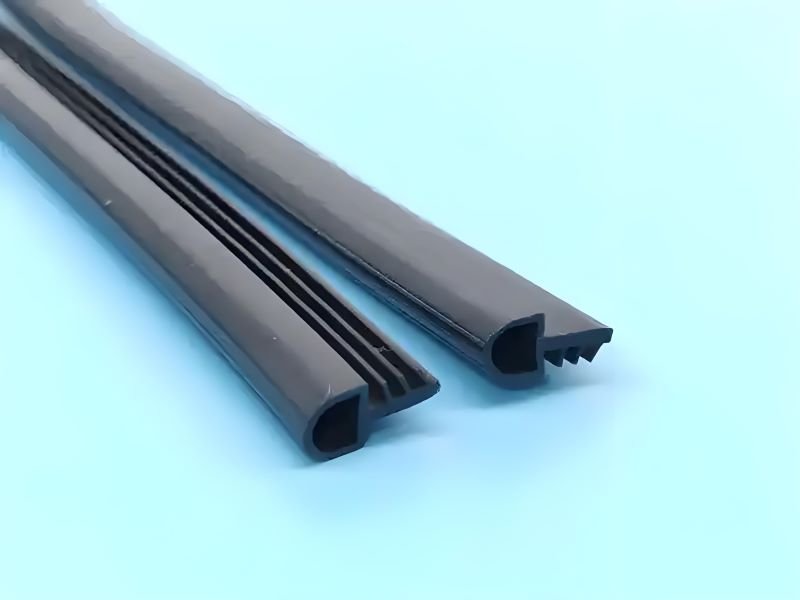
What Are PVC Sealing Strips?
PVC-Dichtungsstreifen are flexible plastic extrusions made primarily from polyvinyl chloride (PVC). They are used to seal gaps, joints, or connections between surfaces to prevent the passage of liquids, air, dust, and noise. These strips are often installed around doors, windows, machinery panels, and vehicles to provide a tight, protective barrier.
Key Features
Excellent resistance to water, oil, and chemical corrosion.
Durable and long-lasting under normal environmental conditions.
Flexible yet strong enough to maintain a secure seal.
Cost-effective and easy to install compared to rubber or silicone alternatives.
Why PVC Is the Ideal Material for Sealing Strips
PVC (polyvinyl chloride) is a synthetic polymer known for its versatility and durability. When extruded into sealing strips, it provides several advantages over other materials such as rubber, silicone, or EPDM.
1. Durability
PVC is highly resistant to environmental wear and tear, including moisture, UV exposure, and temperature changes. This makes PVC-Dichtungsstreifen ideal for both indoor and outdoor applications.
2. Flexibility
PVC’s flexibility allows it to adapt to irregular surfaces and maintain a tight seal even under compression or vibration.
3. Chemical Resistance
PVC offers strong resistance to acids, oils, and chemicals, making it suitable for industrial applications where chemical exposure is common.
4. Cost-Effectiveness
Compared to silicone or EPDM, PVC-Dichtungsstreifen offer a significantly lower production cost while still delivering excellent sealing performance.
5. Ease of Customization
PVC can be extruded into different shapes, sizes, and hardness levels (measured in Shore A) to meet specific customer requirements.
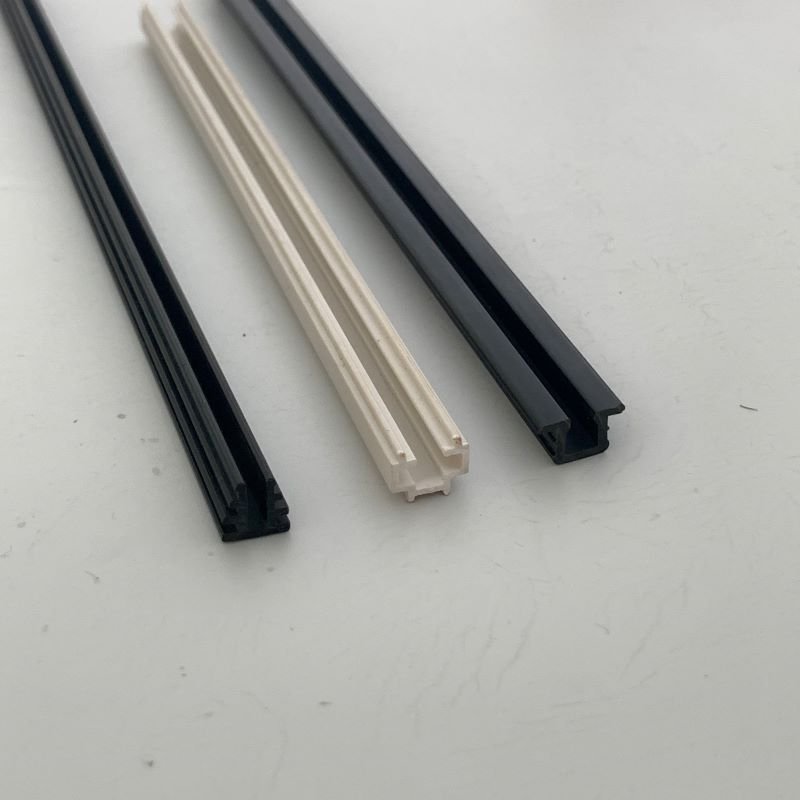
Common Types of PVC Sealing Strips
1. Door and Window Sealing Strips
These strips are designed to prevent air and water infiltration in residential and commercial buildings. They improve energy efficiency by maintaining temperature control and reducing noise.
Anwendungsbereiche:
Household doors and windows
Office buildings
Industrial enclosures
2. Automotive Sealing Strips
Used in car doors, trunks, and sunroofs, PVC-Dichtungsstreifen protect against water, dust, and wind while reducing vibration and noise.
Anwendungsbereiche:
Vehicle doors and windows
Trunk lids and engine compartments
RVs and caravans
3. Machinery Sealing Strips
Industrial machines often require reliable sealing to protect mechanical components from dust, moisture, and oil contamination.
Anwendungsbereiche:
Electrical cabinets
HVAC systems
Manufacturing machinery
4. Refrigerator Sealing Strips
PVC sealing strips are also widely used in the refrigeration industry to maintain insulation and prevent air leakage.
Anwendungsbereiche:
Refrigerator and freezer doors
Cold storage facilities
5. Construction and Infrastructure Strips
In civil construction, PVC-Dichtungsstreifen are used to seal expansion joints and water-retaining structures such as tunnels, dams, and bridges.
Anwendungsbereiche:
Concrete expansion joints
Waterproofing systems
Drainage channels
The Manufacturing Process of PVC Sealing Strips
Als professioneller Fabrik für PVC-Dichtungsstreifen, SW follows a detailed and controlled manufacturing process to ensure consistent quality and performance.
Step 1: Raw Material Selection
High-quality PVC resin is combined with additives such as plasticizers, stabilizers, and pigments to achieve desired flexibility, color, and durability.
Step 2: Extrusion
The PVC compound is melted and extruded through a precision die that shapes it into the desired sealing strip profile. This is a critical step that determines the strip’s dimensions and surface finish.
Step 3: Cooling and Calibration
The newly extruded strip passes through a cooling system to stabilize its shape and ensure dimensional accuracy.
Step 4: Cutting and Coiling
The cooled strips are cut into standard lengths or coiled for bulk packaging, depending on client requirements.
Step 5: Quality Inspection
Each batch undergoes thorough inspection for surface defects, hardness, flexibility, and sealing performance.
Step 6: Packaging and Shipping
Finally, strips are packaged securely to avoid deformation during transit and shipped to customers worldwide.
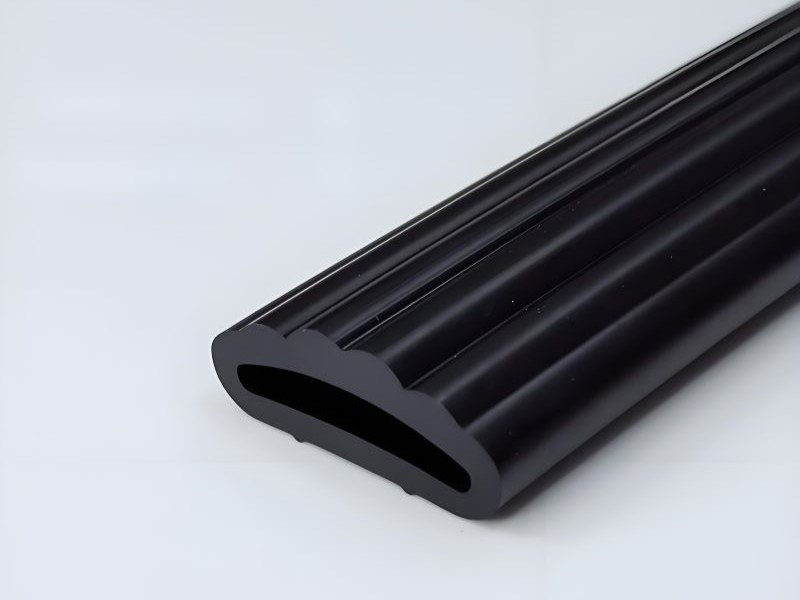
Advantages of PVC Sealing Strips
Waterproof and Dustproof: Perfect for sealing applications in wet or dusty environments.
Noise Reduction: Helps dampen sound in automotive and construction uses.
Thermal Insulation: Prevents air leakage and enhances energy efficiency.
Chemical Resistance: Ideal for industrial environments exposed to oils or solvents.
Versatility: Suitable for a wide range of applications across multiple industries.
Customizable: Can be extruded in different colors, shapes, and hardness levels.
Easy Maintenance: Simple to clean and replace when necessary.
How to Install PVC Sealing Strips
Proper installation is key to achieving a durable and effective seal. Here’s a general installation guide:
Step 1: Clean the Surface
Ensure the installation area is free of dust, grease, and moisture.
Step 2: Measure and Cut
Measure the required length and cut the PVC sealing strip to size using a sharp utility knife or scissors.
Step 3: Apply Adhesive or Insert
Depending on the design, either apply adhesive to the back of the strip or insert it into the designated groove.
Step 4: Press Firmly
Press the strip along the surface, ensuring even contact and a continuous seal.
Step 5: Check for Gaps
Inspect the installation to make sure there are no air gaps or uneven sections.
Maintenance and Usage Tips
Regular Cleaning: Use mild soap and water to clean the strips. Avoid harsh chemicals.
Avoid High Heat: PVC may deform under excessive temperatures.
Check Adhesion: Over time, reapply adhesive if strips begin to loosen.
Inspect Periodically: Replace worn or damaged strips to maintain performance.
Avoid Stretching: Do not overstretch the strip during installation to prevent shrinkage later.
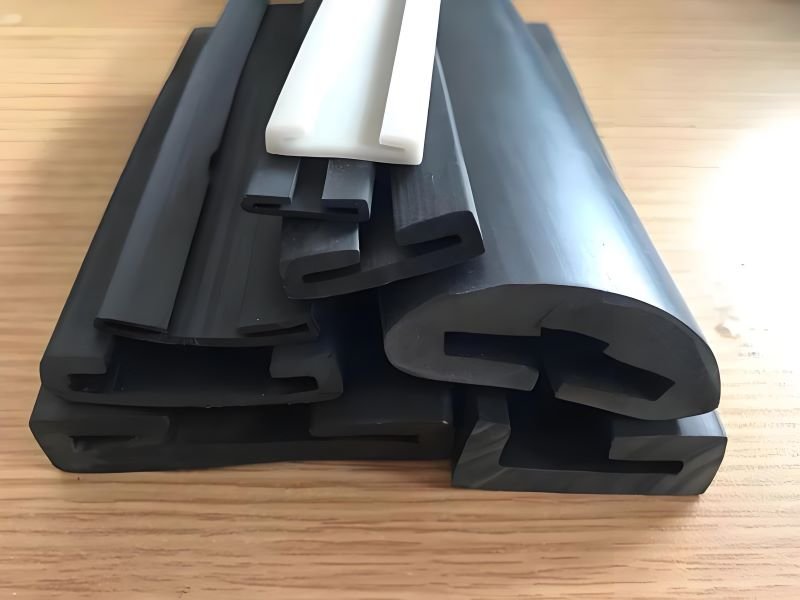
Comparison: PVC vs. Other Materials
| Material | Kosten | Flexibilität | Haltbarkeit | Chemische Beständigkeit | Common Applications |
|---|---|---|---|---|---|
| PVC | Low | High | High | High | Doors, windows, machinery |
| EPDM Rubber | Medium | High | Very High | Medium | Automotive, outdoor use |
| Silicone | High | Medium | Very High | Very High | Medical, food, electronics |
| Neoprene | Medium | Medium | Medium | Medium | Industrial sealing |
| Foam | Low | High | Low | Low | Temporary sealing, insulation |
PVC remains the best balance of performance, price, and customization — making it the top choice for most sealing applications.
Industries Using PVC Sealing Strips
Automotive Manufacturing
Building and Construction
HVAC and Electrical Equipment
Food Storage and Refrigeration
Marine and Transportation
Machinery and Industrial Equipment
Each of these industries relies on the unique combination of flexibility, durability, and chemical resistance offered by PVC-Dichtungsstreifen.
Why Choose SW as Your PVC Sealing Strips Factory
With two decades of specialization in plastic extrusion, SW stands out as a leading PVC-Dichtungsstreifen Hersteller trusted by clients around the world.
Our strengths include:
Over 20 years of manufacturing experience.
Advanced extrusion technology ensuring precision and consistency.
Customized solutions based on your project requirements.
High-quality raw materials ensuring durability and performance.
Fast delivery and competitive pricing.
International certifications for quality and safety.
SW supports OEM and ODM production, providing tailored sealing solutions that fit specific customer needs — from automotive applications to construction systems.
The right PVC sealing strip can significantly improve the safety
The right PVC sealing strip can significantly improve the safety, efficiency, and durability of your product or building system. Its unique combination of flexibility, affordability, and resistance to environmental factors makes PVC one of the most practical materials for sealing applications today.
Whether you are looking for door and window sealing, automotive weatherstripping, or industrial sealing solutions, SW’s PVC sealing strips offer unmatched performance and customization.
By partnering with a professional Fabrik für PVC-Dichtungsstreifen like SW, you ensure not only superior product quality but also expert guidance, consistent supply, and long-term reliability.
Wir verfügen über ein Werk für PVC-Rohre mit erfahrenen Ingenieuren, die Sie bei der Produktentwicklung – von der ersten Idee bis zur Serienproduktion – unterstützen. Kontaktieren Sie uns gerne bei Fragen zu Ihrem Produkt. Unsere Ingenieure erstellen Ihnen umgehend ein Angebot. WhatsApp +86 188 2072 7151
Wer ist S oder Wei?
Seit 2006 ist Shuowei ein professioneller Hersteller von Extrusionsprofilen mit Sitz in Guangdong, China. Unser Team besteht aus 51 bis 100 Mitarbeitern. Die Shuowei PVC-Extrusionsfabrik hat sich auf die Entwicklung und Produktion von Extrusionsprofilen wie PVC-Rohren, PE-Kabelkanälen und PVC-Sockelleisten spezialisiert. Seit unserer Gründung haben wir uns durch innovatives Design, ausgereifte Technologie und unser kompromissloses Qualitätsstreben die breite Anerkennung des Marktes und das tiefe Vertrauen unserer Kunden erworben.
Sind Sie ein Hersteller oder ein Händler?
Wir sind ein chinesisches Top-Unternehmen PVC-Extrusionsprofile Unser Werk befindet sich in Huizhou. Es verfügt über eine 16.000 m² große Produktionsfläche, mehr als fünf automatisierte Extrusionsprofil-Produktionslinien, eine jährliche Produktionskapazität von 30.000 Tonnen und beliefert über 500 Kunden weltweit. Besuchen Sie uns!
Welche Produkte bieten Sie an?
Wir sind spezialisiert auf die Entwicklung und Produktion von hochwertigen Produkten. Extrusionsprofile,wie beispielsweise PVC-Rohre, ABS-Profile, PC-Lampenschirme, PVC-Sockelleisten, PP-Kabelkanäle, PE-Profile…
Wie lange dauert der Prozess der kundenspezifischen Entwicklung?
Wir unterstützen kundenspezifische Extrusionsprodukte. Der übliche Prozess umfasst 4 Schritte: Bedarfsbestätigung → 3D-Design/Proofing → Testzertifizierung → Serienproduktion (Zyklus 3-8 Wochen).
Besitzen Sie internationale Zertifizierungen?
Wir haben die Zertifizierungen ISO 9001, CE, RoHS, SGS und weitere erhalten und erfüllen die gängigen Standards in Europa, Amerika, dem Nahen Osten und Asien.