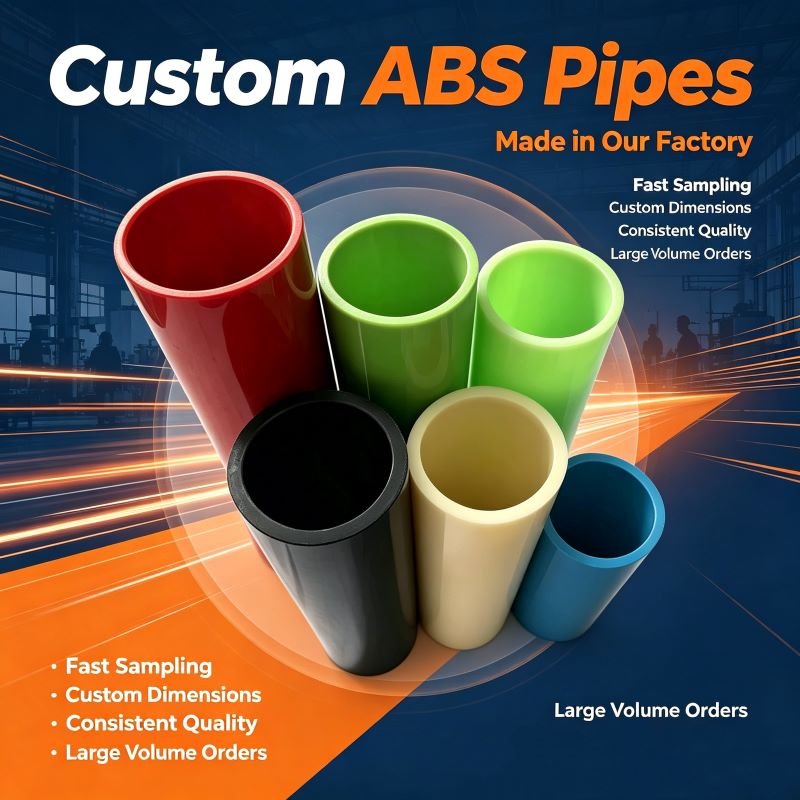




In the world of modern infrastructure, one material stands out for its balance of strength, durability, and versatility — ABS pipe. Acrylonitrile Butadiene Styrene (ABS) is a thermoplastic polymer widely used in industrial, commercial, and residential applications. Known for its toughness and resistance to impact, ABS pipe is a cornerstone component in plumbing, construction, drainage systems, and industrial engineering.
Bei SW, we have been manufacturing high-performance ABS pipes for over 20 years, supplying top-quality extrusion products to global partners. Our experience in plastic extrusion and custom development enables us to offer precision-engineered ABS piping solutions that meet the demands of various industries.
This comprehensive guide explores what ABS pipes are, how they’re made, their key applications, Und why choosing the right ABS pipe factory—like SW—can make a decisive difference in performance and longevity.

1. What is ABS Pipe?
ABS pipe is made from a thermoplastic polymer known as Acrylonitrile Butadiene Styrene, a combination of three key monomers:
Acrylonitrile – provides chemical resistance and rigidity.
Butadiene – contributes elasticity and impact strength.
Styrene – offers a glossy surface and workability.
Together, these properties create a material that is lightweight yet highly durable, making ABS-Rohre ideal for carrying fluids under varying temperature and pressure conditions.
Key Physical and Chemical Properties
| Property | Description |
|---|---|
| Density | 1.03–1.06 g/cm³ |
| Tensile Strength | 40–50 MPa |
| Working Temperature | -40°C to +80°C |
| UV Resistance | Moderate (requires UV-stabilized grades for outdoor use) |
| Chemical Resistance | Excellent against acids, alkalis, and salts |
| Impact Strength | High, even at low temperatures |
Bei SW, we fine-tune the polymer ratios during extrusion to optimize flexibility, rigidity, and impact performance depending on each client’s technical requirements.
2. Advantages of ABS Pipe
ABS pipes offer numerous advantages over other piping materials such as PVC, copper, or steel:
Lightweight: Easy to transport and install.
High Impact Resistance: Maintains integrity under mechanical stress.
Thermal Stability: Suitable for both hot and cold applications.
Chemical Resistance: Performs well in industrial environments.
Non-corrosive: Unlike metal pipes, ABS does not rust or degrade.
Cost-Effective: Competitive material and production costs.
SW’s ABS pipes are particularly known for their tight dimensional tolerances Und smooth internal surfaces, reducing friction losses and improving fluid flow efficiency.
3. Applications of ABS Pipe
ABS-Rohre are used across multiple industries due to their durability and performance:
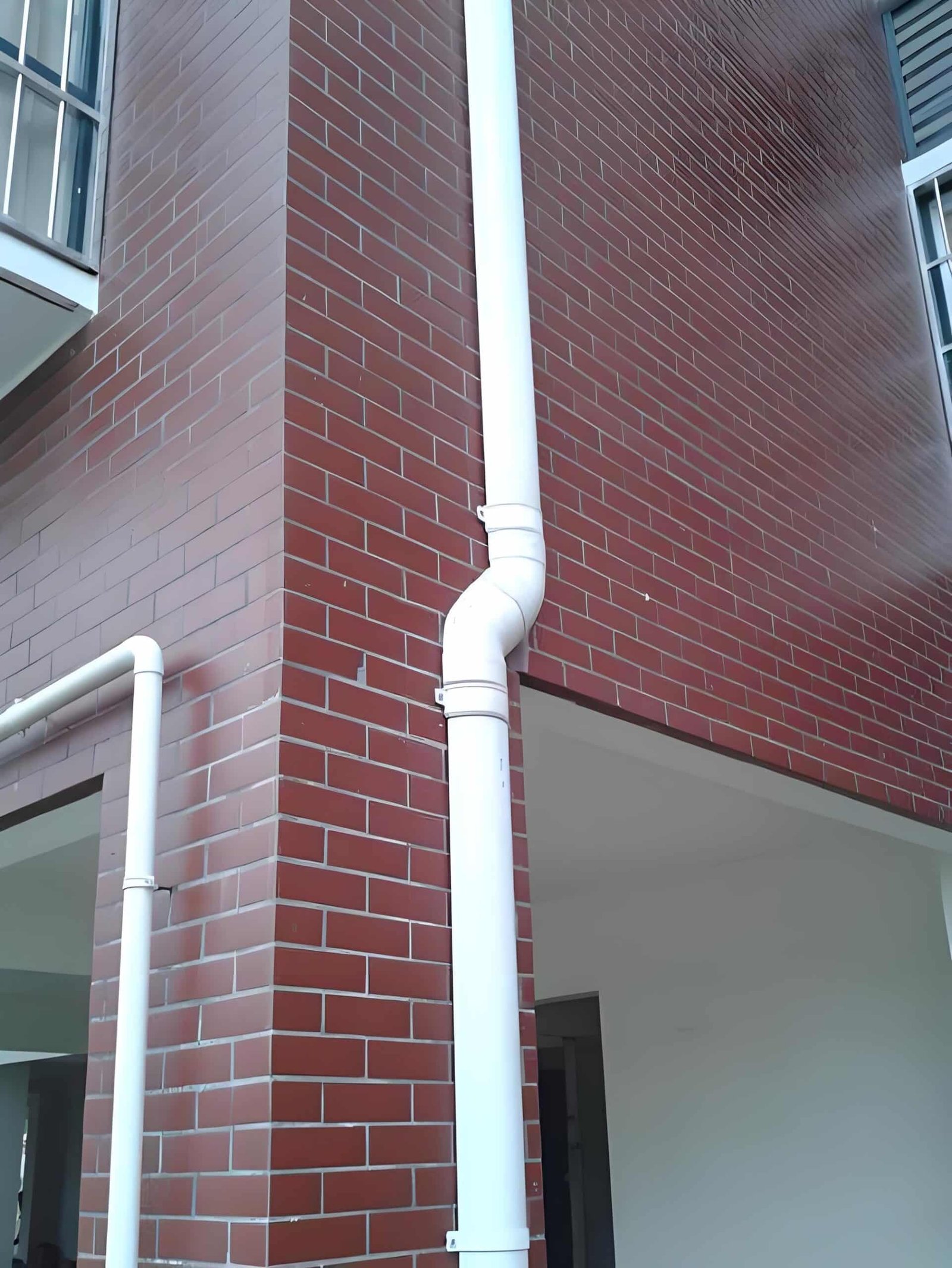
1. Plumbing and Drainage Systems
Widely used in residential and commercial plumbing for waste and vent piping due to their corrosion resistance and impact strength.
2. Industrial Piping
In factories, ABS pipe is preferred for transporting industrial fluids and chemicals safely.
3. Ventilation Systems
Its lightweight nature and ease of fabrication make ABS ideal for air ducting and fume extraction lines.
4. Marine and Automotive Industries
ABS is used in bilge pumping systems, hydraulic lines, and air conditioning ducts in boats and vehicles.
5. Electrical Conduit
Due to its insulating properties, ABS is used for cable protection and wire management systems.
Bei SW, we have delivered ABS pipe solutions to clients in construction, agriculture, and automotive sectors—each requiring specific design and performance modifications.
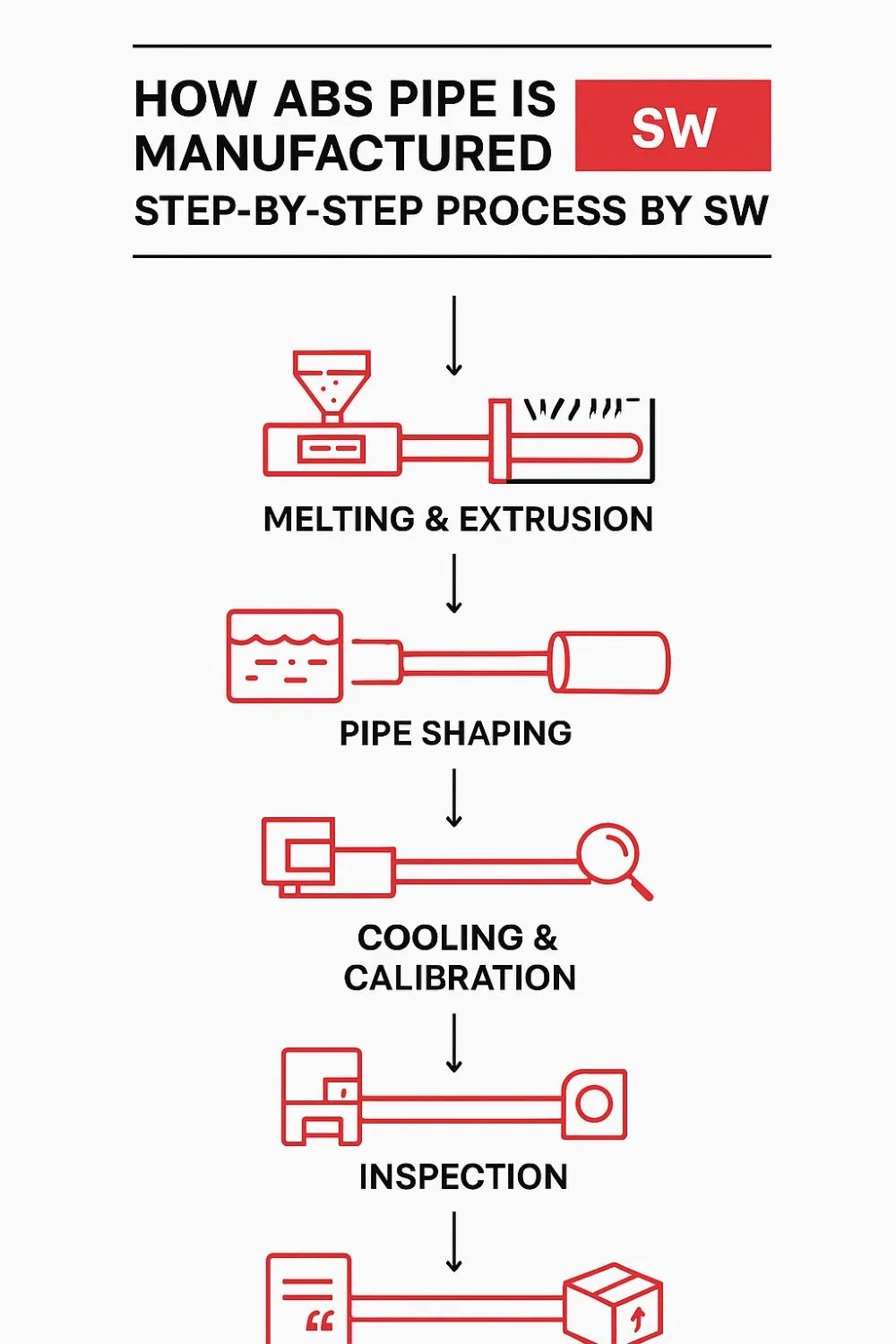
4. How ABS Pipe Is Manufactured
Bei SW, we use advanced extrusion technology to ensure every ABS pipe meets rigorous international standards. Below is the typical production process:
Step 1: Raw Material Selection
We start by selecting high-purity ABS resin pellets, sometimes blended with UV stabilizers, colorants, or additives.
Step 2: Compounding and Mixing
The resin is blended in high-speed mixers to ensure uniform distribution of additives.
Step 3: Extrusion
The compounded material is fed into an extrusion line, where it’s heated and shaped through a die to form the desired pipe dimensions.
Step 4: Cooling and Sizing
The extruded ABS pipe passes through a vacuum calibration tank to maintain precise dimensions and roundness.
Step 5: Cutting and Finishing
Pipes are cut to standard or customized lengths, then deburred and inspected for quality.
Step 6: Testing
Every SW ABS pipe undergoes tests for:
Dimensional accuracy
Pressure tolerance
Chemical and impact resistance
Surface finish
This rigorous process ensures SW’s ABS pipes consistently meet both ISO and ASTM standards.
5. Customizing ABS Pipes with SW
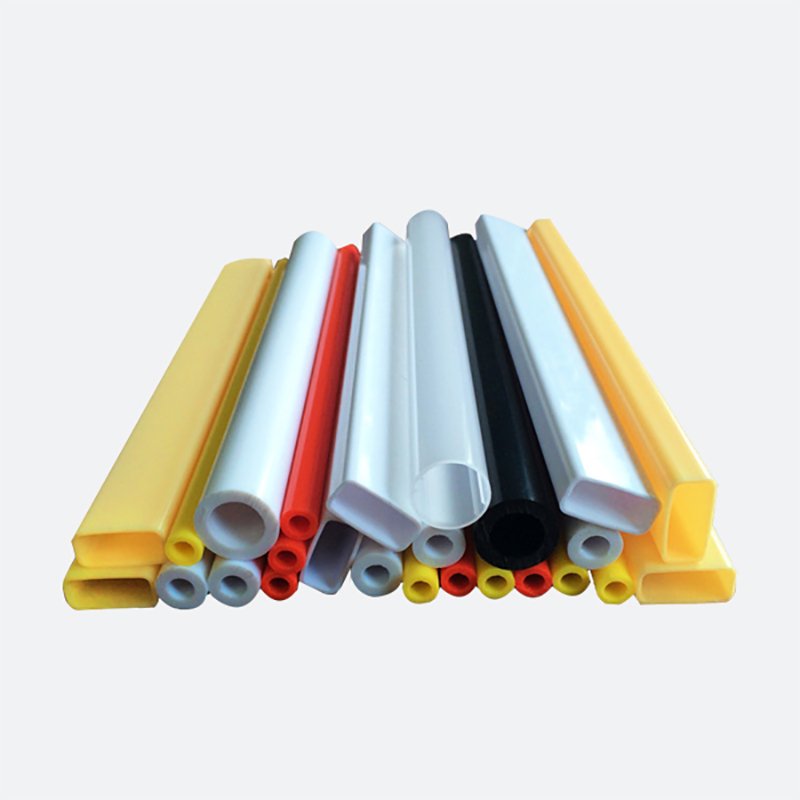
As a leading ABS pipe factory, SW provides customized extrusion solutions for clients requiring specific parameters such as:
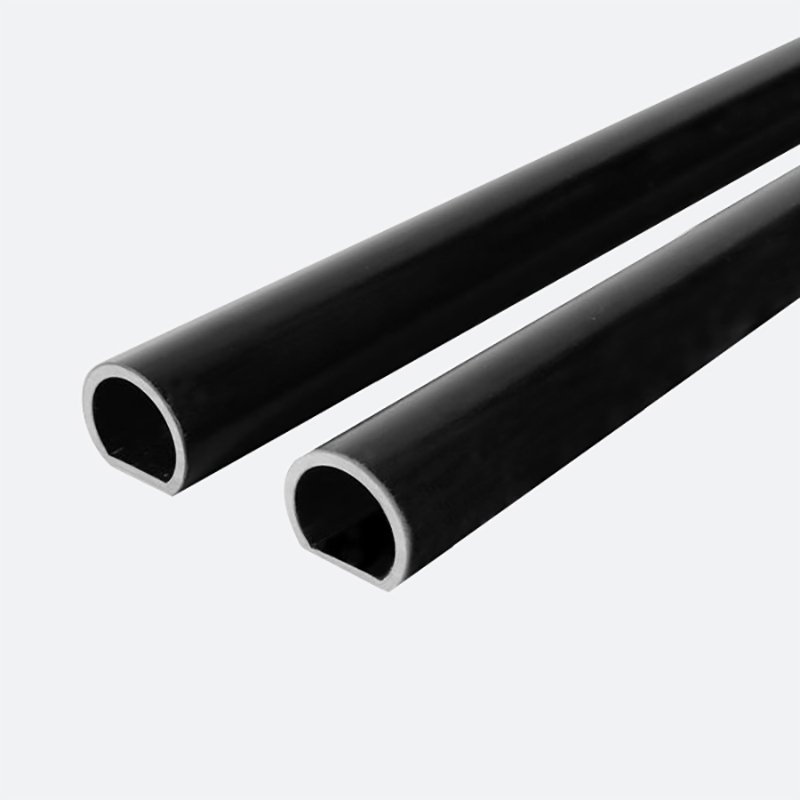
Unique diameters or wall thicknesses
Custom colors (e.g., black, gray, white)
Special surface textures
UV-stabilized or flame-retardant grades
Precision cut-to-length options
Our R&D and mold development teams work directly with customers to engineer bespoke ABS pipe products that match their application needs.
6. How to Choose the Right ABS Pipe
Selecting the right ABS pipe depends on several key considerations:
| Parameter | Recommendation |
|---|---|
| Application Type | Plumbing, chemical, air, or industrial use |
| Pipe Size & Thickness | Based on pressure and flow rate requirements |
| Temperature Range | Ensure compatibility with system conditions |
| UV Exposure | Opt for UV-stabilized ABS for outdoor use |
| Certifications | Verify ISO or ASTM compliance |
| Manufacturer Experience | Choose trusted factories like SW with 20+ years in extrusion |
SW’s engineering team provides technical consultation to ensure every customer selects the right ABS pipe for optimal safety and performance.
7. Installation Guidelines for ABS Pipe
Proper installation ensures long service life and reliability. Follow these professional installation steps:
1. Preparation
Cut ABS pipe with a fine-tooth saw.
Deburr and clean the edges.
2. Dry Fitting
Test all joints before applying cement.
3. Solvent Welding
Apply ABS solvent cement evenly on both surfaces.
Insert and twist to ensure uniform adhesion.
4. Support and Alignment
Use adequate pipe supports every 1.2 to 1.5 meters.
Avoid over-tightening brackets.
5. Testing
Conduct hydrostatic or air pressure tests before final commissioning.
Bei SW, we supply installation manuals and technical support to ensure correct application of our products.
8. Maintenance and Safety Tips
While ABS-Rohre require minimal maintenance, a few precautions can extend their lifespan:
Avoid prolonged exposure to direct sunlight without UV protection.
Do not use solvents or adhesives not rated for ABS.
Inspect joints periodically in high-pressure applications.
Store pipes in a shaded, dry environment before installation.
9. Sustainability and Recycling of ABS Pipes
ABS is fully recyclable, making it a sustainable option for modern construction. SW employs closed-loop recycling systems, ensuring minimal material waste during production.
Additionally, ABS’s long lifespan reduces replacement frequency, supporting eco-friendly infrastructure development.
10. Why Choose SW as Your ABS Pipe Manufacturer
With 20 years of professional extrusion experience, SW is recognized globally as a leading ABS pipe factory that delivers superior quality, precision, and customization.
Key Advantages of Working with SW
ISO-certified manufacturing facilities
Advanced extrusion and compounding lines
In-house tooling and design teams
Strict quality assurance and testing
OEM/ODM services for global brands
Fast delivery and professional logistics
SW doesn’t just manufacture pipes—we engineer reliable flow systems that support industries worldwide.
ABS pipes are indispensable in modern engineering due to their durability
From residential plumbing to industrial process systems, ABS-Rohre are indispensable in modern engineering due to their durability, chemical resistance, and easy installation.
Choosing the right manufacturer is crucial for ensuring product reliability and performance. With decades of expertise, SW stands at the forefront as a trusted ABS pipe factory, providing customized, high-quality extrusion solutions to clients around the globe.
If you’re seeking a professional ABS pipe partner, SW offers the perfect combination of technical capability, experience, and customer-centric service to meet your specific project needs.
Wir verfügen über ein Werk für PVC-Rohre mit erfahrenen Ingenieuren, die Sie bei der Produktentwicklung – von der ersten Idee bis zur Serienproduktion – unterstützen. Kontaktieren Sie uns gerne bei Fragen zu Ihrem Produkt. Unsere Ingenieure erstellen Ihnen umgehend ein Angebot. WhatsApp +86 188 2072 7151
Wer ist S oder Wei?
Seit 2006 ist Shuowei ein professioneller Hersteller von Extrusionsprofilen mit Sitz in Guangdong, China. Unser Team besteht aus 51 bis 100 Mitarbeitern. Die Shuowei PVC-Extrusionsfabrik hat sich auf die Entwicklung und Produktion von Extrusionsprofilen wie PVC-Rohren, PE-Kabelkanälen und PVC-Sockelleisten spezialisiert. Seit unserer Gründung haben wir uns durch innovatives Design, ausgereifte Technologie und unser kompromissloses Qualitätsstreben die breite Anerkennung des Marktes und das tiefe Vertrauen unserer Kunden erworben.
Sind Sie ein Hersteller oder ein Händler?
Wir sind ein chinesisches Top-Unternehmen PVC-Extrusionsprofile Unser Werk befindet sich in Huizhou. Es verfügt über eine 16.000 m² große Produktionsfläche, mehr als fünf automatisierte Extrusionsprofil-Produktionslinien, eine jährliche Produktionskapazität von 30.000 Tonnen und beliefert über 500 Kunden weltweit. Besuchen Sie uns!
Welche Produkte bieten Sie an?
Wir sind spezialisiert auf die Entwicklung und Produktion von hochwertigen Produkten. Extrusionsprofile,wie beispielsweise PVC-Rohre, ABS-Profile, PC-Lampenschirme, PVC-Sockelleisten, PP-Kabelkanäle, PE-Profile…
Wie lange dauert der Prozess der kundenspezifischen Entwicklung?
Wir unterstützen kundenspezifische Extrusionsprodukte. Der übliche Prozess umfasst 4 Schritte: Bedarfsbestätigung → 3D-Design/Proofing → Testzertifizierung → Serienproduktion (Zyklus 3-8 Wochen).
Besitzen Sie internationale Zertifizierungen?
Wir haben die Zertifizierungen ISO 9001, CE, RoHS, SGS und weitere erhalten und erfüllen die gängigen Standards in Europa, Amerika, dem Nahen Osten und Asien.