


Cable trunking is an essential component in modern electrical and data systems. It provides a protective pathway for wires and cables, ensuring safety, organization, and long-term reliability. From homes and offices to factories and data centers, cable trunking is used wherever wires need to be organized, hidden, and protected.
Thanks to plastic extrusion technology, cable trunking can be manufactured in a wide range of materials—each offering unique benefits in terms of durability, flame resistance, aesthetics, and cost.
Als professioneller plastic extrusion cable trunking factory mit 20 years of manufacturing experience, SW specializes in PVC-Kabelkanäle as well as other plastic trunking materials. In this blog, we’ll explore the most common materials used for extruded cable trunking, compare their properties, and provide guidance on choosing the right type for your project.

Why Material Choice Matters for Cable Trunking
The performance of cable trunking depends heavily on the material used. Key factors include:
Elektrische Isolierung – Prevents short circuits and protects users.
Flame resistance – Critical for fire safety.
Impact strength – Important in industrial and outdoor environments.
Heat resistance – Ensures stability under high cable loads.
Aesthetics – Especially important in offices, retail, and residential spaces.
Kosten – Must balance budget with performance.
By selecting the right material, engineers and contractors can maximize safety, reduce maintenance, and extend the life of electrical systems.
Common Cable Trunking Materials
1 PVC Cable Trunking
Overview:
PVC is the most widely used material for extruded cable trunking. It combines affordability, durability, and good flame resistance.
Advantages:
Kostengünstig: One of the cheapest trunking materials.
Flame retardant: Self-extinguishing properties reduce fire risk.
Excellent insulation: Prevents electrical leakage.
Corrosion resistant: Does not rust or degrade easily.
Variety of finishes: Available in white, gray, or custom colors.
Disadvantages:
Heat limitations: Softens at higher temperatures (>60°C).
Environmental impact: Not as eco-friendly as some alternatives.
Applications:
Residential electrical wiring
Office cable management
General indoor applications
SW specializes in PVC cable trunking extrusion, offering custom sizes, flame-retardant grades, and OEM solutions for global clients. Learn more about SW PVC-Kabelkanalfabrik.
2 ABS Cable Trunking
Overview:
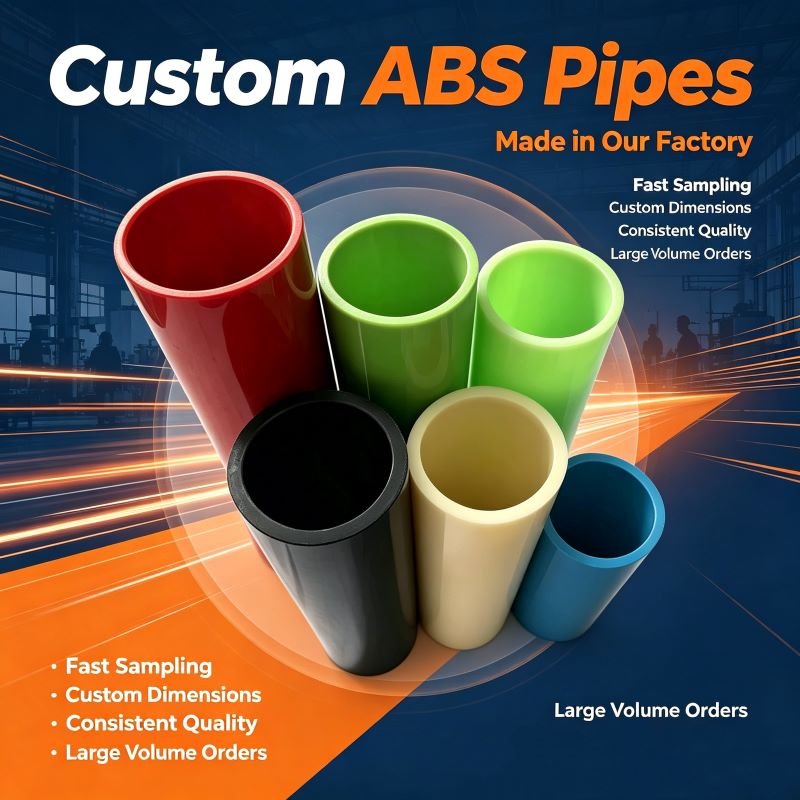
ABS is a tough, impact-resistant plastic often used in higher-end applications.
Advantages:
High impact strength: Resistant to physical damage.
Good surface finish: Can be made with glossy or textured surfaces.
Moderate heat resistance: Performs better than PVC under heat.
Disadvantages:
Higher cost than PVC.
Less flame resistance compared to specialized PVC grades.
Applications:
Industrial cable protection
Areas prone to mechanical impact
Data centers requiring stronger trunking
3 PP Cable Trunking
Overview:
Polypropylene is lightweight, chemically resistant, and flexible.
Advantages:
Lightweight and easy to install
High chemical resistance
Good fatigue resistance (withstands repeated stress)
Affordable alternative to ABS
Disadvantages:
Lower flame resistance unless specially treated
Less rigid than PVC or ABS
Applications:
Industrial plants exposed to chemicals
Lightweight, budget-friendly projects
Temporary wiring installations
4 PE Cable Trunking
Overview:
Polyethylene is known for its toughness and weather resistance.
Advantages:
Excellent outdoor performance
Good chemical resistance
Impact resistant even at low temperatures
Moisture resistant
Disadvantages:
Lower flame resistance without additives
Less aesthetic finish compared to PVC or ABS
Applications:
Outdoor wiring protection
Agricultural installations
Harsh environments with moisture exposure
5 PC Cable Trunking
Overview:
Polycarbonate is a premium material with exceptional mechanical and thermal properties.
Advantages:
High heat resistance – ideal for heavy electrical loads
Unbreakable strength – impact resistance superior to ABS
Excellent flame retardancy
Transparent options available
Disadvantages:
Significantly more expensive
Heavier than other plastics
Applications:
High-performance electrical systems
Industrial and commercial buildings
Environments with strict fire safety standards

Comparative Table of Cable Trunking Materials
| Material | Flame Resistance | Impact Strength | Heat Resistance | Cost Level | Beste Anwendungen |
|---|---|---|---|---|---|
| PVC | ★★★★☆ | ★★★☆☆ | ★★☆☆☆ | ★★☆☆☆ | Residential, office, general wiring |
| ABS | ★★★☆☆ | ★★★★☆ | ★★★☆☆ | ★★★☆☆ | Industrial, data centers |
| PP | ★★☆☆☆ | ★★☆☆☆ | ★★★☆☆ | ★★☆☆☆ | Chemical plants, low-cost installs |
| PE | ★★☆☆☆ | ★★★☆☆ | ★★★☆☆ | ★★☆☆☆ | Outdoor, agriculture |
| PC | ★★★★★ | ★★★★★ | ★★★★★ | ★★★★★ | High-performance, critical systems |
How to Choose the Right Cable Trunking Material
When selecting cable trunking, consider the following:
Environment
Indoor, low-risk → PVC
Outdoor or chemical exposure → PE or PP
High-impact areas → ABS or PC
Fire Safety
Residential or office → Flame-retardant PVC
Industrial high-load → PC or ABS with flame-retardant treatment
Budget
Limited budget → PVC or PP
Premium safety and durability → PC or ABS
Aesthetics
Office interiors → PVC with smooth finish
Industrial areas → Functionality prioritized over look
Why Work with a Professional Plastic Extrusion Cable Trunking Factory
Partnering with an experienced plastic extrusion cable trunking factory ensures you get:
Consistent quality with ISO-certified production
Custom sizes, shapes, and materials
Flame-retardant and UV-resistant options
Factory-direct pricing and OEM/ODM services
Technical guidance for specific project needs
Bei SW, we bring over 20 years of expertise in PVC cable trunking manufacturing and have expanded into ABS, PP, PE, and PC solutions. Our advanced extrusion equipment allows us to deliver customized, high-performance trunking systems for clients worldwide.


Which materials of Cable trunking ?
Cable trunking may seem simple, but the choice of material directly impacts safety, durability, and cost-efficiency.
PVC remains the most common and cost-effective choice.
ABS offers higher strength for industrial environments.
PP and PE excel in chemical or outdoor conditions.
PC provides premium fire resistance and durability for high-risk environments.
By working with a trusted plastic extrusion cable trunking factory like SW, you ensure your project benefits from reliable materials, expert engineering, and tailored solutions.
With 20 years of manufacturing experience, SW is your professional partner for high-quality extruded cable trunking across diverse industries.
We have a PVC cable trunking factory of skilled engineers ready to support you in your product development journey from idea design to production.Any ideas about your product you can contact us freely,and our engineers will get back to you with a quote asap. WhatsApp +86 188 2072 7151
Wer ist S oder Wei?
Seit 2006 ist Shuowei ein professioneller Hersteller von Extrusionsprofilen mit Sitz in Guangdong, China. Unser Team besteht aus 51 bis 100 Mitarbeitern. Die Shuowei PVC-Extrusionsfabrik hat sich auf die Entwicklung und Produktion von Extrusionsprofilen wie PVC-Rohren, PE-Kabelkanälen und PVC-Sockelleisten spezialisiert. Seit unserer Gründung haben wir uns durch innovatives Design, ausgereifte Technologie und unser kompromissloses Qualitätsstreben die breite Anerkennung des Marktes und das tiefe Vertrauen unserer Kunden erworben.
Sind Sie ein Hersteller oder ein Händler?
Wir sind ein chinesisches Top-Unternehmen PVC-Extrusionsprofile Unser Werk befindet sich in Huizhou. Es verfügt über eine 16.000 m² große Produktionsfläche, mehr als fünf automatisierte Extrusionsprofil-Produktionslinien, eine jährliche Produktionskapazität von 30.000 Tonnen und beliefert über 500 Kunden weltweit. Besuchen Sie uns!
Welche Produkte bieten Sie an?
Wir sind spezialisiert auf die Entwicklung und Produktion von hochwertigen Produkten. Extrusionsprofile,wie beispielsweise PVC-Rohre, ABS-Profile, PC-Lampenschirme, PVC-Sockelleisten, PP-Kabelkanäle, PE-Profile…
Wie lange dauert der Prozess der kundenspezifischen Entwicklung?
Wir unterstützen kundenspezifische Extrusionsprodukte. Der übliche Prozess umfasst 4 Schritte: Bedarfsbestätigung → 3D-Design/Proofing → Testzertifizierung → Serienproduktion (Zyklus 3-8 Wochen).
Besitzen Sie internationale Zertifizierungen?
Wir haben die Zertifizierungen ISO 9001, CE, RoHS, SGS und weitere erhalten und erfüllen die gängigen Standards in Europa, Amerika, dem Nahen Osten und Asien.