


Lampshades are more than just decorative accessories — they shape the quality of light, protect the bulb, and influence the mood of a room. For manufacturers, designers, and end users, selecting the right material for a lampshade is essential to balance aesthetics, durability, cost, and functionality.
Bei SW, as a professional Hersteller von Kunststoffextrusionen, we have decades of experience producing high-quality plastic components, including customized lampshades. In this guide, we’ll explore the advantages, disadvantages, and applications of the five most popular materials for lampshades: PVC, PP, PC, ABS, and Acrylic.
1. PVC Lampshade
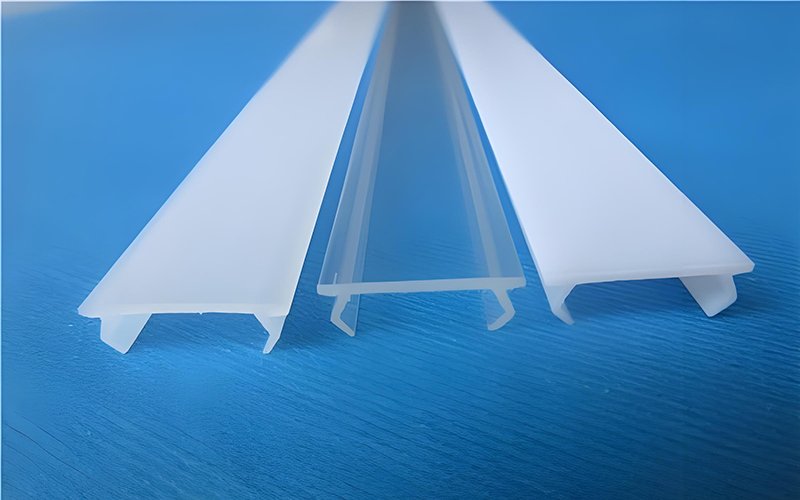
Polyvinyl Chloride (PVC) is one of the most widely used materials for lampshades due to its versatility and affordability.
Advantages of PVC Lampshade
Kostengünstig: PVC is inexpensive compared to many other plastics, making it ideal for large-scale production.
Lightweight and flexible: Easy to shape and extrude into custom designs.
Heat resistance: With proper formulation, PVC can withstand the heat from bulbs without deforming.
Customizable finishes: PVC lampshades can be translucent, opaque, colored, or even patterned to suit decorative needs.
Haltbarkeit: Resistant to moisture, chemicals, and UV rays (with UV stabilizers added).
Disadvantages
May emit odors if poor-quality PVC is used or if not heat stabilized.
Slightly less impact resistant than some engineering plastics like PC or ABS.
Anwendungen
Residential lampshades (floor lamps, table lamps).
Commercial lighting covers.
Decorative wall lamps.
PVC is an excellent choice when affordability and versatility are priorities.
2. PP Lampshade
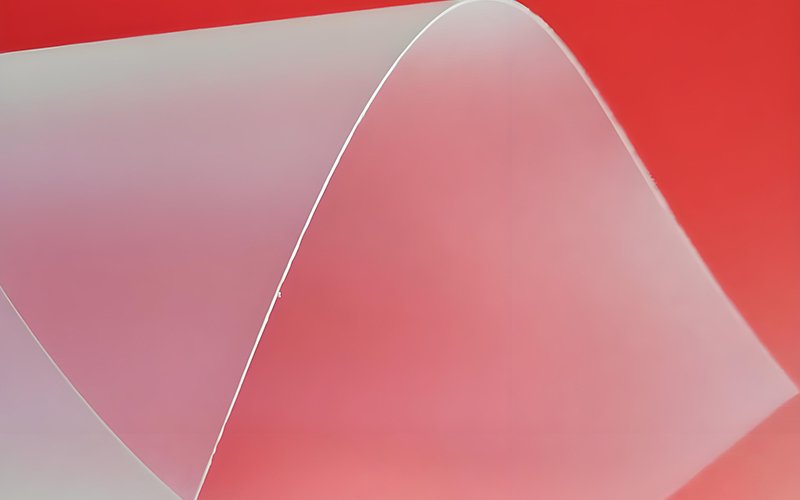
Polypropylene (PP) is another popular plastic for lampshades, known for its lightweight properties and chemical resistance.
Advantages of PP Lampshade
Very lightweight: Makes handling and installation easy.
Chemical and moisture resistance: PP resists corrosion and is suitable for humid environments.
Good fatigue resistance: Can withstand repeated bending without breaking, useful for flexible designs.
Cost-efficient: Similar to PVC, PP offers competitive pricing.
Disadvantages
Lower heat resistance compared to PC or ABS, so not suitable for high-wattage bulbs.
Surface finishes are usually less glossy than acrylic or PC.
Anwendungen
Budget-friendly residential lighting.
Outdoor lampshades with proper UV stabilizers.
Portable lamps (battery-powered LED lamps).
PP is a practical choice for low-heat LED lighting applications.
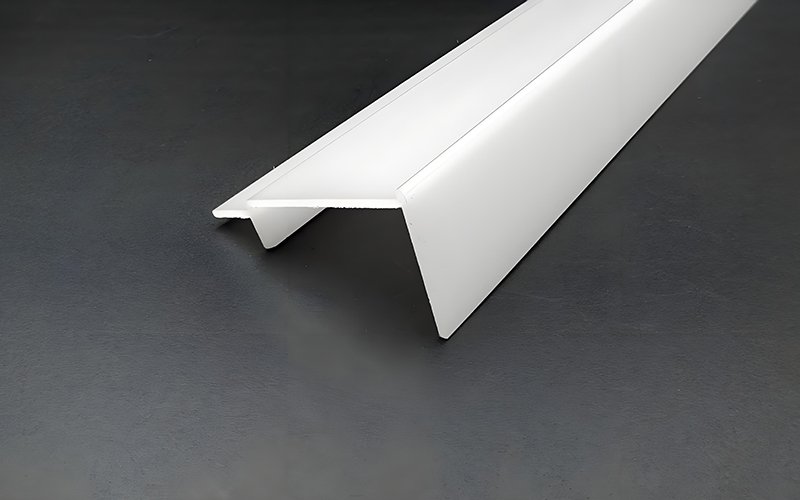
3. PC Lampshade
Polycarbonate (PC) is considered a high-performance material in lighting applications due to its strength and transparency.
Advantages of PC Lampshade
Excellent transparency: Up to 90% light transmission, comparable to glass.
High impact resistance: Virtually unbreakable, making it safe for public and outdoor use.
Heat resistance: Performs well under high temperatures, making it compatible with powerful bulbs.
Flammschutz: Can be formulated to meet safety standards for lighting.
Disadvantages
Higher cost compared to PVC and PP.
Can yellow over time without UV stabilizers.
Anwendungen
Street lighting covers.
Industrial and commercial lighting fixtures.
Premium home lampshades where safety and clarity are important.
PC lampshades are ideal for applications requiring strength, clarity, and safety.
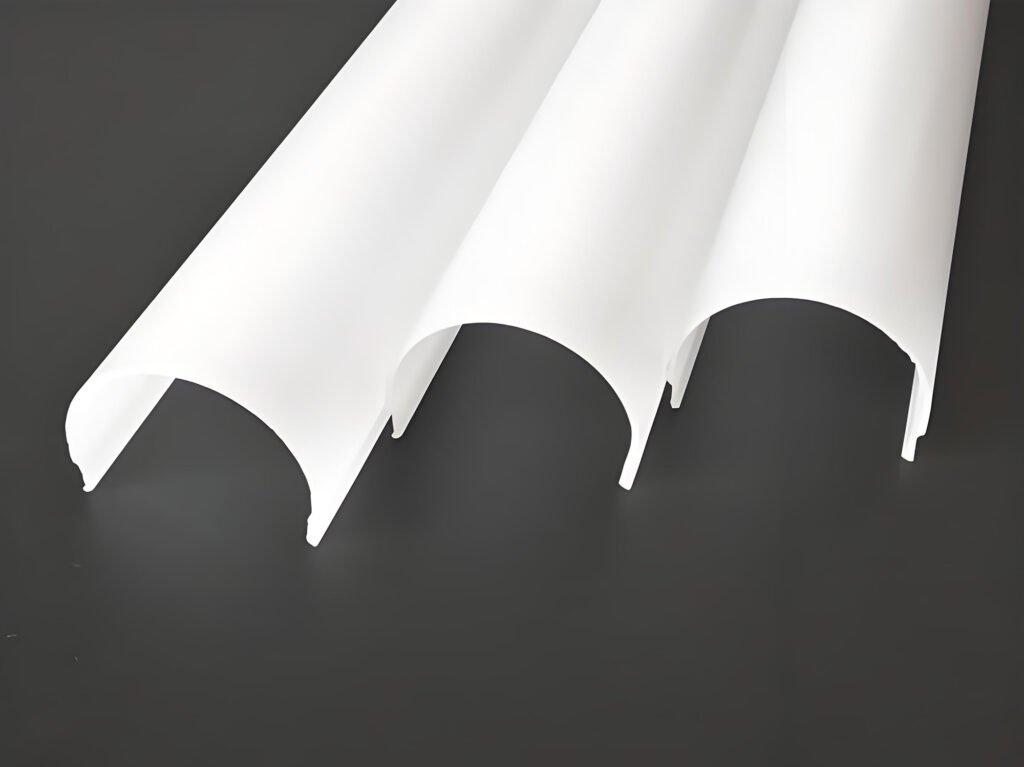
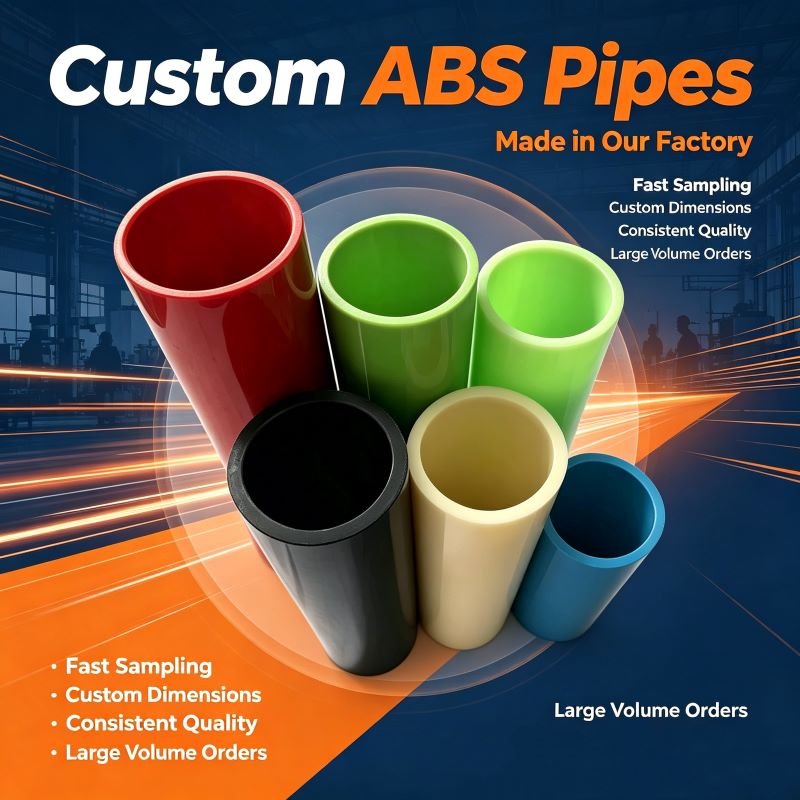
4. ABS Lampshade
Acrylonitrile Butadiene Styrene (ABS) is known for its toughness and attractive surface finishes.
Advantages of ABS Lampshade
High strength and toughness: Resistant to impacts and stress cracking.
Excellent surface quality: Naturally glossy finish suitable for modern aesthetics.
Good heat resistance: Performs better than PP and PVC under high temperatures.
Paintable and customizable: Can be easily coated or colored for unique designs.
Disadvantages
More expensive than PVC and PP.
Less transparent, usually used in opaque designs.
Anwendungen
Designer lampshades for modern interiors.
Commercial lighting in offices or retail spaces.
Decorative lamps requiring stylish finishes.
ABS lampshades are best when aesthetic appeal and strength are priorities.
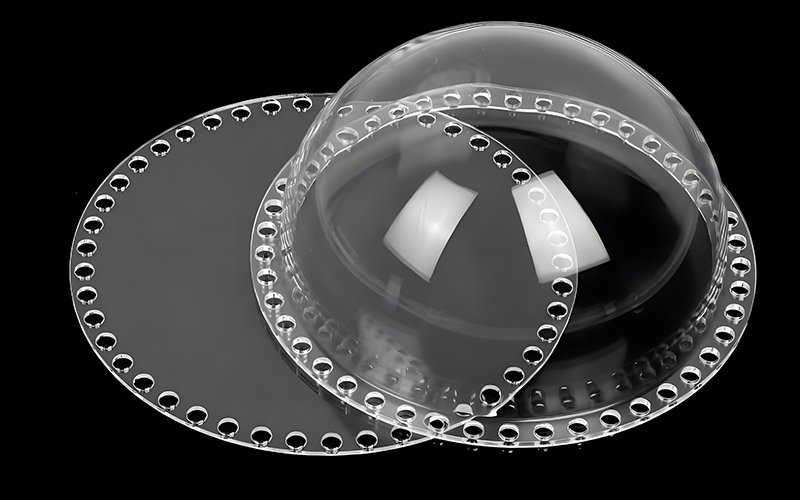
5. Acrylic Lampshade (PMMA)
Acrylic, also known as PMMA (Polymethyl Methacrylate), is one of the most attractive plastics for lampshades, often used as a glass alternative.
Advantages of Acrylic Lampshade
Exceptional transparency: Up to 92% light transmission, higher than glass.
Hervorragende Witterungsbeständigkeit: Maintains clarity outdoors for years with UV stabilizers.
Lightweight: Much lighter than glass but with similar optical qualities.
Customizable finishes: Can be frosted, tinted, or patterned.
Disadvantages
More brittle than PC, prone to cracking under strong impact.
Higher cost than PVC and PP.
Anwendungen
Decorative home lampshades.
High-end commercial lighting.
Outdoor decorative lamps (with UV protection).
Acrylic lampshades are perfect for achieving a premium, glass-like appearance without the weight of glass.
6. Comparison Table of Lampshade Materials
| Material | Transparency | Heat Resistance | Impact Resistance | Cost Level | Beste Anwendungen |
|---|---|---|---|---|---|
| PVC | Medium | Medium | Medium | Low | General residential/commercial |
| PP | Medium | Low–Medium | Low–Medium | Low | LED lamps, budget lighting |
| PC | High | High | Very High | High | Street lighting, industrial, premium |
| ABS | Low–Medium | High | High | Medium | Designer lamps, modern interiors |
| Acrylic (PMMA) | Very High | Medium | Medium | High | Decorative, high-end, outdoor |
7. How to Choose the Right Lampshade Material
When selecting a lampshade material, consider the following factors:
Light Source – For LED lights, PP and PVC are cost-effective. For high-temperature bulbs, PC or ABS is safer.
Design Aesthetics – For clear, glass-like finishes, acrylic or PC are ideal. For opaque or modern styles, ABS works well.
Durability Needs – PC and ABS are best where impact resistance is important.
Budget – PVC and PP are affordable options, while acrylic and PC are more premium choices.
Environment – For outdoor or humid environments, choose materials with UV and moisture resistance, such as acrylic or treated PVC.
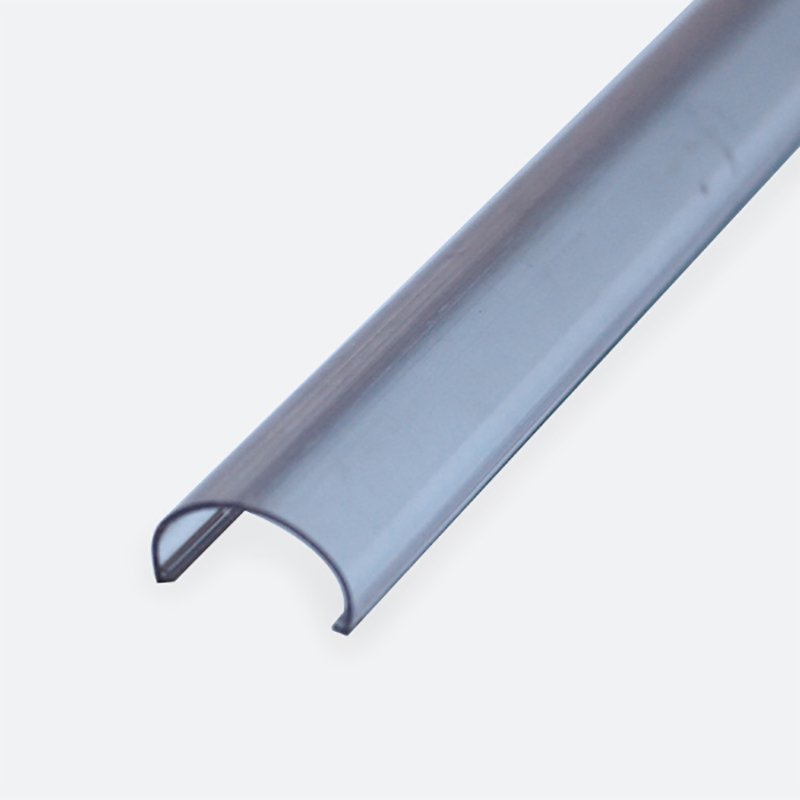
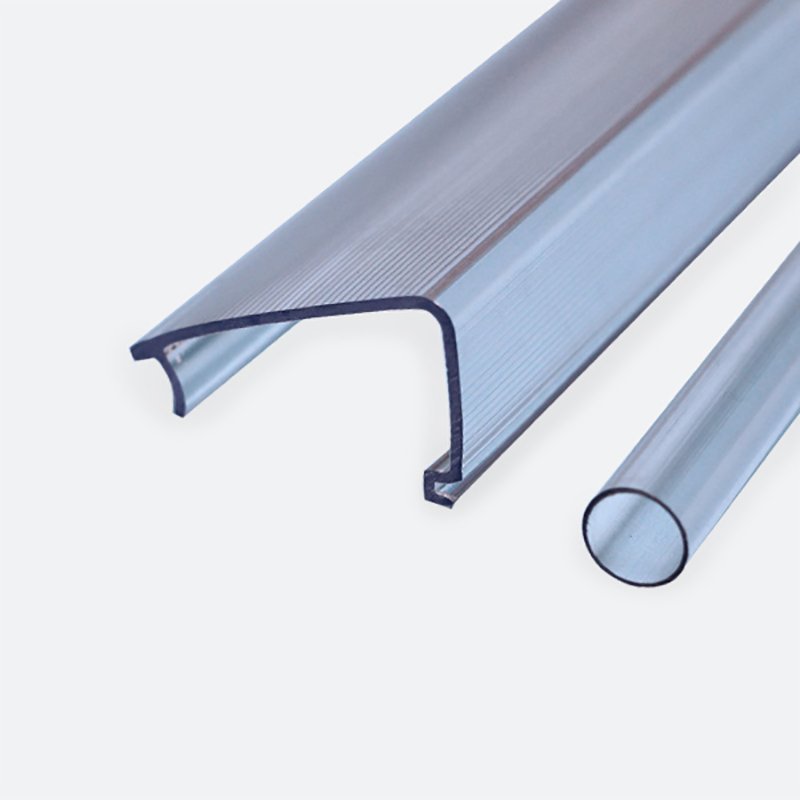
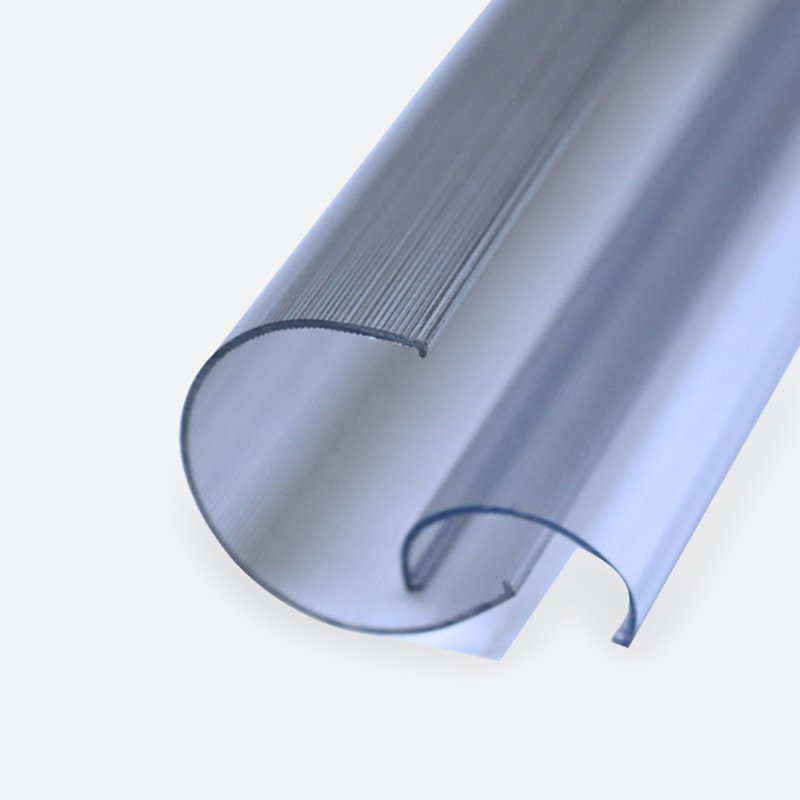
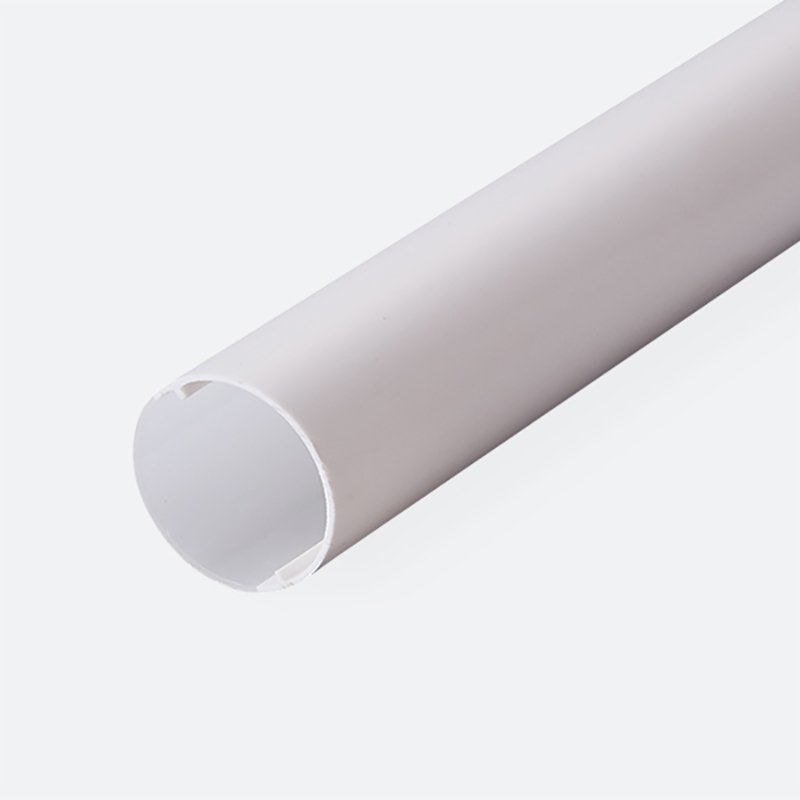
specialize in producing custom plastic lampshades
Each material — PVC, PP, PC, ABS, and Acrylic — has its strengths and limitations. The right choice depends on your specific application, budget, and design preferences.
Bei SW, we specialize in producing custom plastic lampshades using high-quality extrusion and molding processes. Whether you need affordable PVC lampshades for mass production or premium acrylic or PC lampshade for luxury designs, we can provide tailored solutions that balance performance, aesthetics, and cost.
By understanding the unique properties of each material, buyers and designers can make informed decisions that ensure both functional performance and visual appeal.
Wir verfügen über ein Werk für PVC-Rohre mit erfahrenen Ingenieuren, die Sie bei der Produktentwicklung – von der ersten Idee bis zur Serienproduktion – unterstützen. Kontaktieren Sie uns gerne bei Fragen zu Ihrem Produkt. Unsere Ingenieure erstellen Ihnen umgehend ein Angebot. WhatsApp +86 188 2072 7151
Wer ist S oder Wei?
Seit 2006 ist Shuowei ein professioneller Hersteller von Extrusionsprofilen mit Sitz in Guangdong, China. Unser Team besteht aus 51 bis 100 Mitarbeitern. Die Shuowei PVC-Extrusionsfabrik hat sich auf die Entwicklung und Produktion von Extrusionsprofilen wie PVC-Rohren, PE-Kabelkanälen und PVC-Sockelleisten spezialisiert. Seit unserer Gründung haben wir uns durch innovatives Design, ausgereifte Technologie und unser kompromissloses Qualitätsstreben die breite Anerkennung des Marktes und das tiefe Vertrauen unserer Kunden erworben.
Sind Sie ein Hersteller oder ein Händler?
Wir sind ein chinesisches Top-Unternehmen PVC-Extrusionsprofile Unser Werk befindet sich in Huizhou. Es verfügt über eine 16.000 m² große Produktionsfläche, mehr als fünf automatisierte Extrusionsprofil-Produktionslinien, eine jährliche Produktionskapazität von 30.000 Tonnen und beliefert über 500 Kunden weltweit. Besuchen Sie uns!
Welche Produkte bieten Sie an?
Wir sind spezialisiert auf die Entwicklung und Produktion von hochwertigen Produkten. Extrusionsprofile,wie beispielsweise PVC-Rohre, ABS-Profile, PC-Lampenschirme, PVC-Sockelleisten, PP-Kabelkanäle, PE-Profile…
Wie lange dauert der Prozess der kundenspezifischen Entwicklung?
Wir unterstützen kundenspezifische Extrusionsprodukte. Der übliche Prozess umfasst 4 Schritte: Bedarfsbestätigung → 3D-Design/Proofing → Testzertifizierung → Serienproduktion (Zyklus 3-8 Wochen).
Besitzen Sie internationale Zertifizierungen?
Wir haben die Zertifizierungen ISO 9001, CE, RoHS, SGS und weitere erhalten und erfüllen die gängigen Standards in Europa, Amerika, dem Nahen Osten und Asien.