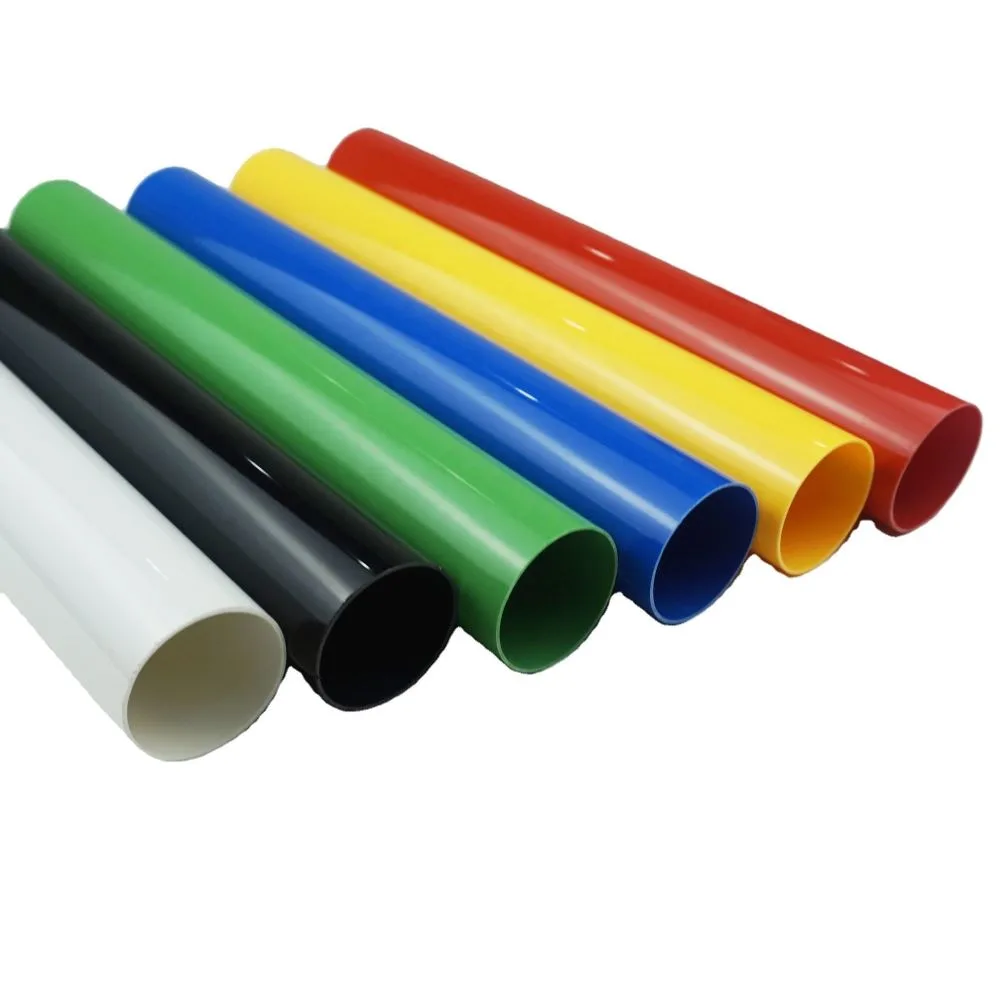




In electrical and communication projects, PVC-Kabelkanäle has become one of the most widely used cable management systems. Its popularity comes from a balance of affordability, durability, flame-retardant performance, and ease of installation. Whether in residential buildings, commercial offices, industrial factories, or infrastructure projects, PVC-Kabelkanäle helps electricians and engineers organize wiring safely and efficiently.
Bei SW, ein Profi PVC-Kabelkanalfabrik with more than 20 years of manufacturing experience, we have provided both standard and customized PVC-Kabelkanäle for leading global brands. Based on our expertise, this blog provides a detailed guide to PVC trunking installation techniques and highlights key usage precautions.

1. Why PVC Trunking is Essential
1.1 Organization of Cables
PVC trunking neatly separates power, data, and communication cables, reducing the risk of entanglement and improving maintenance efficiency.
1.2 Safety in Electrical Systems
With flame-retardant and insulating properties, PVC-Kabelkanäle reduces the risk of electrical fires and protects users from accidental contact with live wires.
1.3 Durability
PVC is resistant to moisture, corrosion, and most chemicals, making it suitable for long-term indoor and outdoor use (with UV-stabilized grades).
1.4 Aesthetics
Installed along walls, ceilings, or floors, PVC-Kabelkanäle conceals cables and improves the overall appearance of buildings.
2. Preparation Before Installing PVC Trunking
2.1 Planning the Layout
Identify cable routes in advance.
Separate power cables from data/communication cables to prevent interference.
Minimize sharp bends to avoid stress on wires.
2.2 Measuring and Marking
Measure wall or ceiling areas where PVC-Kabelkanäle will be mounted.
Mark fixing points with a level to ensure straight installation.
2.3 Choosing the Right Size
Select PVC-Kabelkanäle width and depth based on the number and type of cables.
Allow extra space (typically 30% spare capacity) for future expansion.
2.4 Tools Required
Hacksaw or PVC cutter
Drill and wall plugs
Screwdriver or power driver
Tape measure and spirit level
Deburring tool or sandpaper

3. PVC Trunking Installation Techniques
3.1 Cutting and Preparing
Cut PVC-Kabelkanäle to required lengths using a fine-tooth saw.
Smooth rough edges with sandpaper to prevent cable damage.
Ensure covers fit securely after cutting.
3.2 Fixing the Base
Position the PVC-Kabelkanäle base against the wall or ceiling.
Drill holes at intervals of 300–500 mm (closer spacing for larger trunking).
Use screws and wall plugs for firm attachment.
3.3 Inserting Cables
Lay cables neatly inside the PVC-Kabelkanäle, avoiding sharp bends.
Group similar cables (e.g., power, data) separately for organization.
Do not overload; maintain free space for ventilation and heat dissipation.
3.4 Closing the Cover
Snap the cover onto the trunking base securely.
Ensure no cable is pinched between cover and base.
For long runs, stagger joints to improve stability.
3.5 Using Accessories
Apply internal/external bends for corners.
Use tees, junctions, and end caps for neat finishes.
Apply reducers when connecting trunking of different sizes.
4. Advanced Installation Guidelines
4.1 Fire Safety
Immer verwenden flame-retardant PVC trunking in high-risk environments.
Avoid routing cables near direct heat sources.
4.2 Moisture and Outdoor Use
For outdoor applications, choose UV-resistant PVC trunking.
Seal joints with weatherproof adhesive or silicone where necessary.
4.3 Data and Communication Cables
Keep data cables separate from power cables to reduce electromagnetic interference.
Use slotted PVC-Kabelkanäle in control panels to improve ventilation.
4.4 Industrial Installations
Use larger trunking for heavy-duty applications.
Reinforce fixing points in areas with vibration or mechanical stress.
5. Häufige Fehler, die Sie vermeiden sollten
Overfilling: Never exceed trunking capacity; overheating and cable damage may occur.
Loose Fixing: Poorly fixed bases can lead to trunking detachment.
Sharp Edges: Unsmoothed cuts can damage insulation and create hazards.
Mixing Cables Improperly: Power and communication cables should not run side by side.
Skipping Accessories: Improvised bends and joints reduce installation quality.
6. Usage Precautions After Installation
6.1 Regular Inspection
Periodically check PVC-Kabelkanäle for cracks, discoloration, or warping.
Ensure covers remain securely snapped into place.
6.2 Avoid Excessive Heat
Do not run cables carrying very high current in undersized trunking.
Maintain clearance from boilers, ovens, and other heat sources.
6.3 Expansion and Upgrades
Always leave extra space inside PVC-Kabelkanäle for future cables.
Avoid forcing additional cables into already full trunking.
6.4 Cleaning and Maintenance
Wipe surfaces with a damp cloth; avoid harsh solvents.
Replace damaged sections immediately to maintain safety.


7. Application Examples of PVC Trunking
Case 1: Residential Apartment
PVC trunking concealed lighting and power cables along walls and ceilings. The slim profile improved room aesthetics and allowed future upgrades.
Case 2: Commercial Office
Large-sized trunking managed both power and data cabling. Separate compartments ensured no signal interference.
Case 3: Industrial Control Panel
Slotted PVC-Kabelkanäle was used for switchboards, allowing easy cable insertion and ventilation.
Case 4: Outdoor Solar Project
UV-resistant PVC-Kabelkanäle protected cables from sunlight and weather exposure.
8. Why Choose SW for PVC Trunking
Als führender PVC-Kabelkanalfabrik with 20 years of expertise, SW provides:
Wide range of standard sizes and profiles
Customized solutions for global brands (OEM/ODM)
Flame-retardant, UV-resistant, and chemical-resistant grades
Strict quality control and factory-direct pricing
Technical support for installation and project design
Correct installation and maintenance of PVC trunking are essential
Correct installation and maintenance of PVC-Kabelkanäle are essential for safe and efficient electrical systems. From planning the layout and cutting Zu fixing, cabling, and covering, following proper techniques ensures long service life and reliability.
By understanding usage precautions, electricians and engineers can avoid common mistakes and ensure safety. With decades of experience, SW provides high-quality PVC trunking solutions trusted worldwide.
Whether you need standard trunking or customized OEM designs, SW is your reliable partner for PVC trunking manufacturing and supply.
Wir verfügen über ein Werk für PVC-Rohre mit erfahrenen Ingenieuren, die Sie bei der Produktentwicklung – von der ersten Idee bis zur Serienproduktion – unterstützen. Kontaktieren Sie uns gerne bei Fragen zu Ihrem Produkt. Unsere Ingenieure erstellen Ihnen umgehend ein Angebot. WhatsApp +86 188 2072 7151
Wer ist S oder Wei?
Seit 2006 ist Shuowei ein professioneller Hersteller von Extrusionsprofilen mit Sitz in Guangdong, China. Unser Team besteht aus 51 bis 100 Mitarbeitern. Die Shuowei PVC-Extrusionsfabrik hat sich auf die Entwicklung und Produktion von Extrusionsprofilen wie PVC-Rohren, PE-Kabelkanälen und PVC-Sockelleisten spezialisiert. Seit unserer Gründung haben wir uns durch innovatives Design, ausgereifte Technologie und unser kompromissloses Qualitätsstreben die breite Anerkennung des Marktes und das tiefe Vertrauen unserer Kunden erworben.
Sind Sie ein Hersteller oder ein Händler?
Wir sind ein chinesisches Top-Unternehmen PVC-Extrusionsprofile Unser Werk befindet sich in Huizhou. Es verfügt über eine 16.000 m² große Produktionsfläche, mehr als fünf automatisierte Extrusionsprofil-Produktionslinien, eine jährliche Produktionskapazität von 30.000 Tonnen und beliefert über 500 Kunden weltweit. Besuchen Sie uns!
Welche Produkte bieten Sie an?
Wir sind spezialisiert auf die Entwicklung und Produktion von hochwertigen Produkten. Extrusionsprofile,wie beispielsweise PVC-Rohre, ABS-Profile, PC-Lampenschirme, PVC-Sockelleisten, PP-Kabelkanäle, PE-Profile…
Wie lange dauert der Prozess der kundenspezifischen Entwicklung?
Wir unterstützen kundenspezifische Extrusionsprodukte. Der übliche Prozess umfasst 4 Schritte: Bedarfsbestätigung → 3D-Design/Proofing → Testzertifizierung → Serienproduktion (Zyklus 3-8 Wochen).
Besitzen Sie internationale Zertifizierungen?
Wir haben die Zertifizierungen ISO 9001, CE, RoHS, SGS und weitere erhalten und erfüllen die gängigen Standards in Europa, Amerika, dem Nahen Osten und Asien.