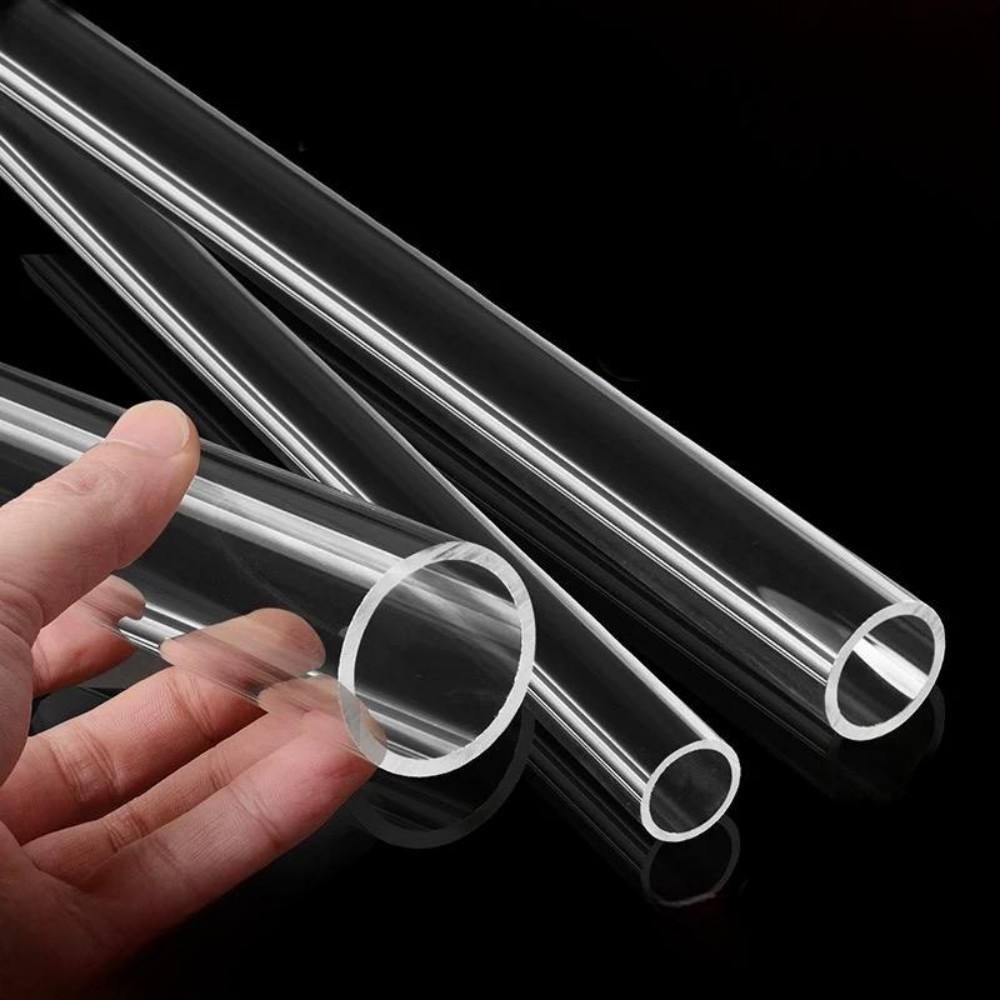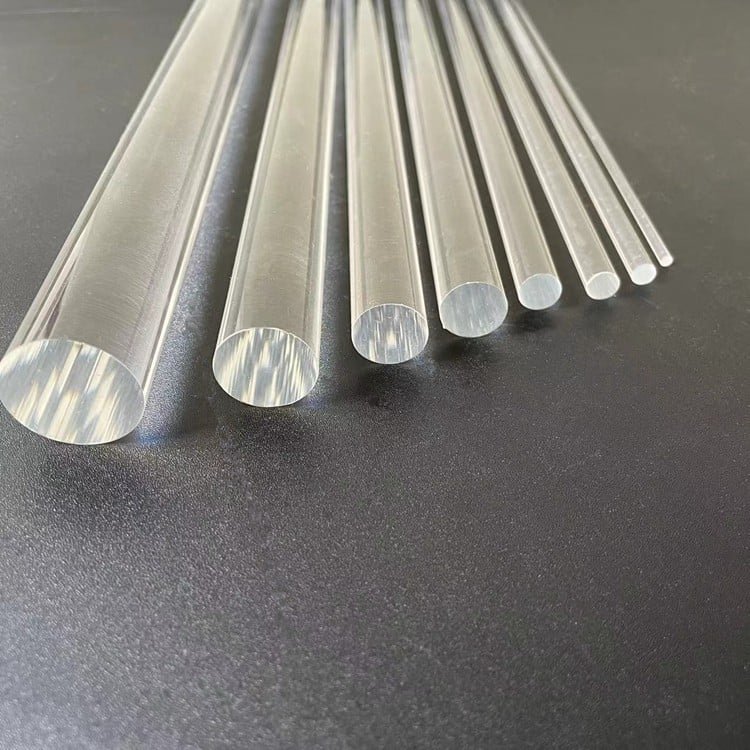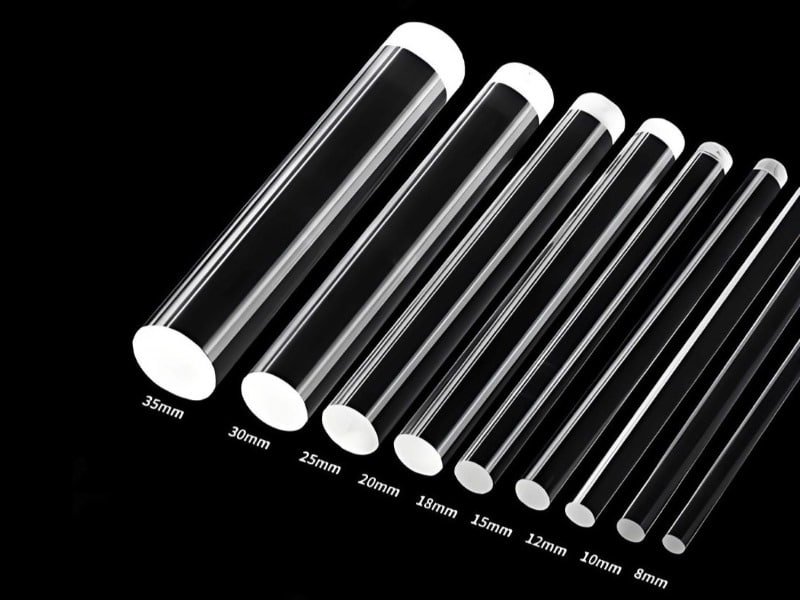




LED lighting has changed the requirements for modern light-diffusing components. Unlike traditional light sources, LEDs are compact, highly directional, and often installed in linear arrays or closely spaced configurations. Without an appropriate diffuser, individual LED points can remain visible, producing hotspots, glare, and uneven illumination.
This is why PMMA diffuser profiles have become an important component in many commercial, architectural, industrial, and residential LED lighting systems. PMMA, or polymethyl methacrylate, combines high optical transparency, good weather resistance, dimensional stability, surface hardness, and excellent extrusion capability. When manufactured as an extruded profile, PMMA can be formed into long, continuous diffuser covers with customized geometries for different LED fixtures.
For lighting manufacturers, the value of an extruded PMMA diffuser profile is not simply that it allows light to pass through. A properly engineered diffuser must control light distribution, reduce visible LED hotspots, maintain consistent appearance, withstand the operating environment, and fit accurately into the luminaire housing.
This article explains why LED lighting manufacturers specify PMMA diffusers, what advantages extruded PMMA profiles provide, and how a professional custom PMMA diffuser manufacturer can customize diffuser geometry, optical performance, dimensions, and surface characteristics for different LED applications.
1. PMMA Diffuser: The Basic Role in LED Lighting
The primary function of a PMMA diffuser is to modify the way LED light travels from the light source to the surrounding environment.
A bare LED produces relatively concentrated light. When multiple LEDs are installed inside a narrow linear housing, the light sources may appear as individual bright points. This effect is commonly known as a hotspot or dotting effect.
A PMMA diffuser is positioned between the LED source and the illuminated area. Depending on its optical formulation and surface structure, it can scatter, transmit, or redirect part of the light.
The result is a more visually uniform light-emitting surface.
Therefore, an LED diffuser is not simply a transparent cover. It is an optical component that influences the relationship between LED source → diffuser → light distribution → visual appearance.
2. PMMA Diffuser: Why PMMA Is Suitable for LED Applications
PMMA is widely used for optical and lighting components because it offers a strong balance between transparency, appearance, weather resistance, and processability.
High-quality PMMA can provide excellent visible-light transmission while maintaining a clean, attractive appearance. This makes it possible to design diffuser profiles that transmit a substantial amount of LED light without requiring excessively thick materials.
Compared with many conventional plastics, PMMA also offers good resistance to outdoor weathering and UV exposure when the appropriate grade is selected.
For LED lighting systems installed in commercial buildings, architectural environments, signage, retail spaces, transportation facilities, or outdoor applications, these characteristics can be valuable.
The material can also be extruded continuously, making PMMA particularly suitable for long linear lighting profiles.
3. Extruded PMMA Diffuser Profiles: Why Extrusion Is Important
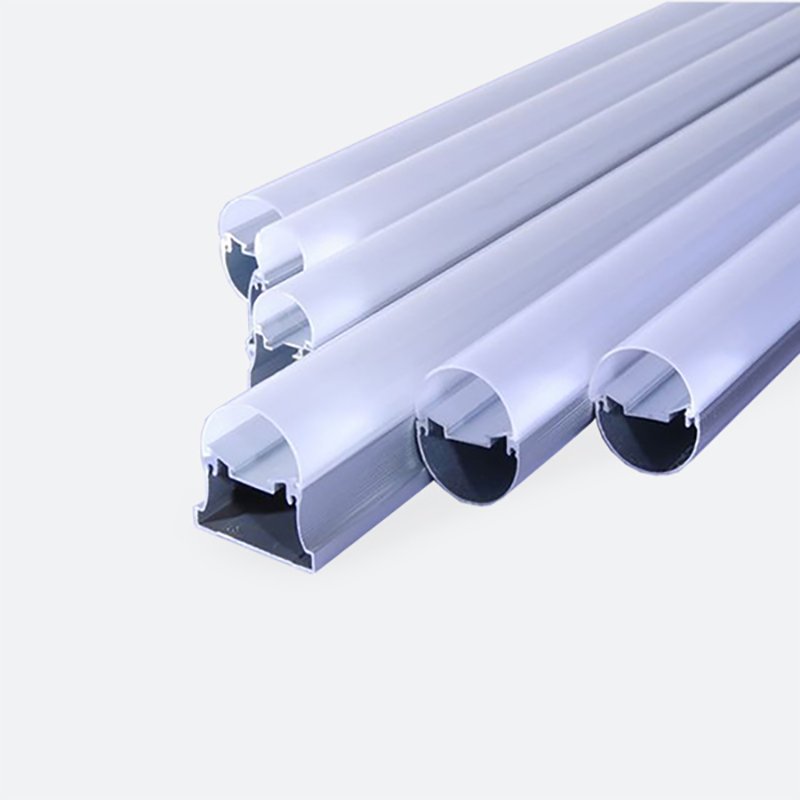
One of the biggest advantages of extruded PMMA diffuser profiles is the ability to manufacture continuous, customized cross-sections.
Instead of producing individual molded components, extrusion allows PMMA material to pass continuously through a precision die. The die determines the basic cross-sectional geometry of the diffuser.
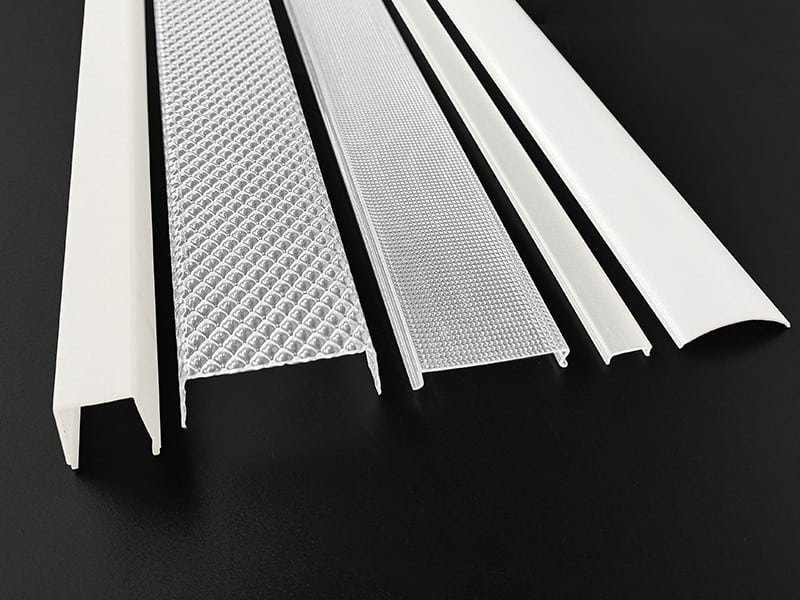
This makes it possible to manufacture profiles such as:
- Linear LED diffuser covers
- U-shaped diffuser profiles
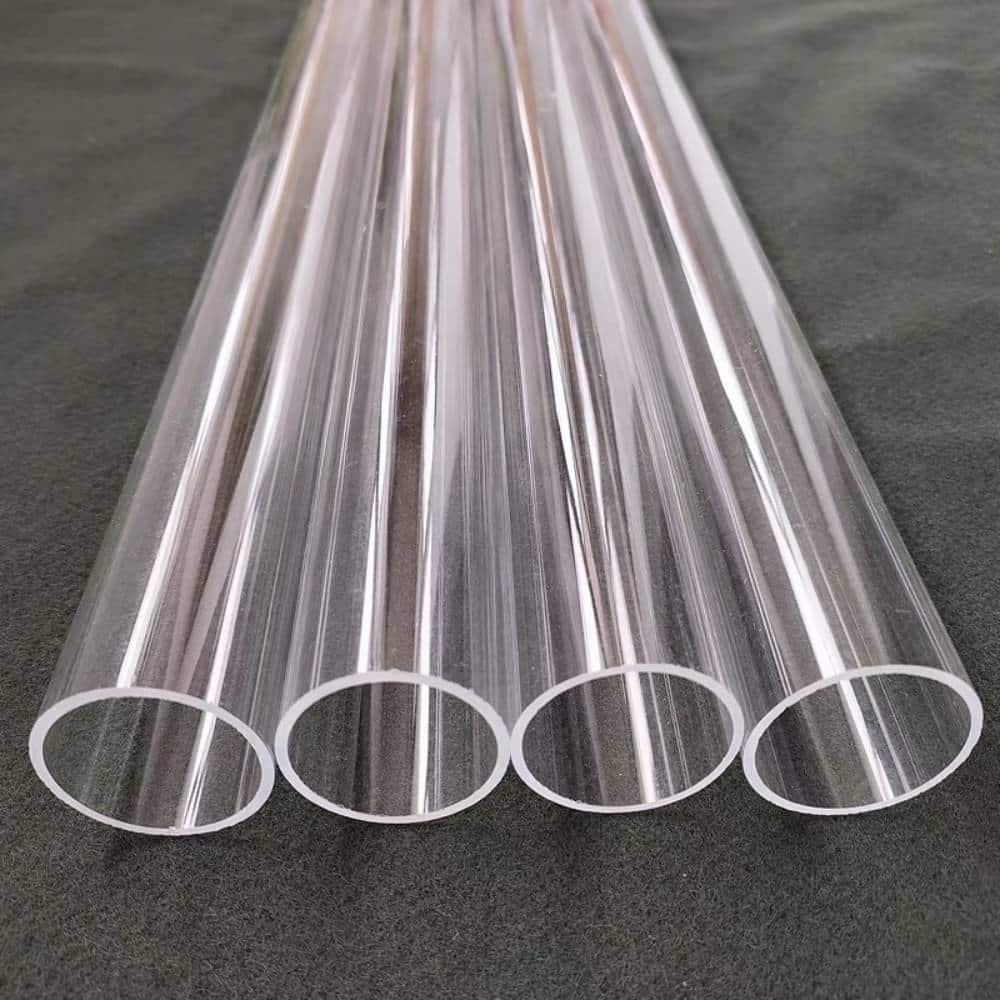
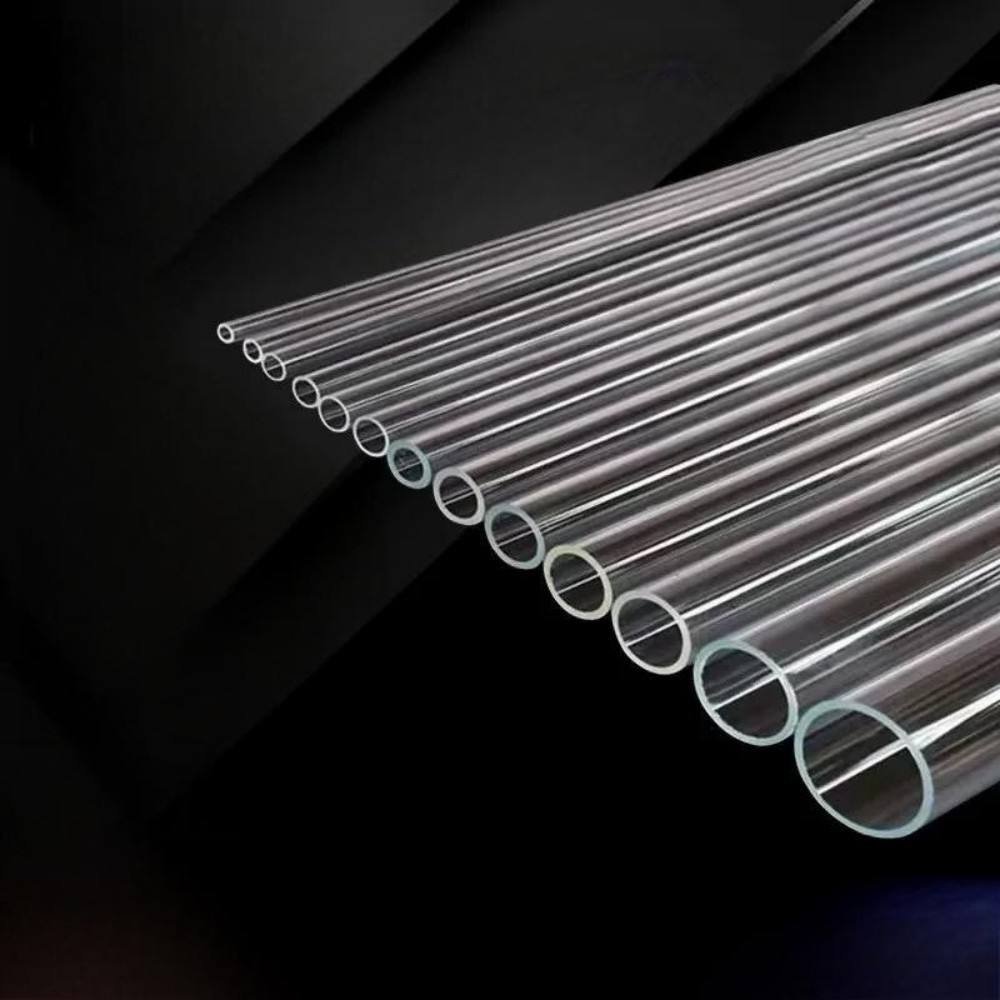
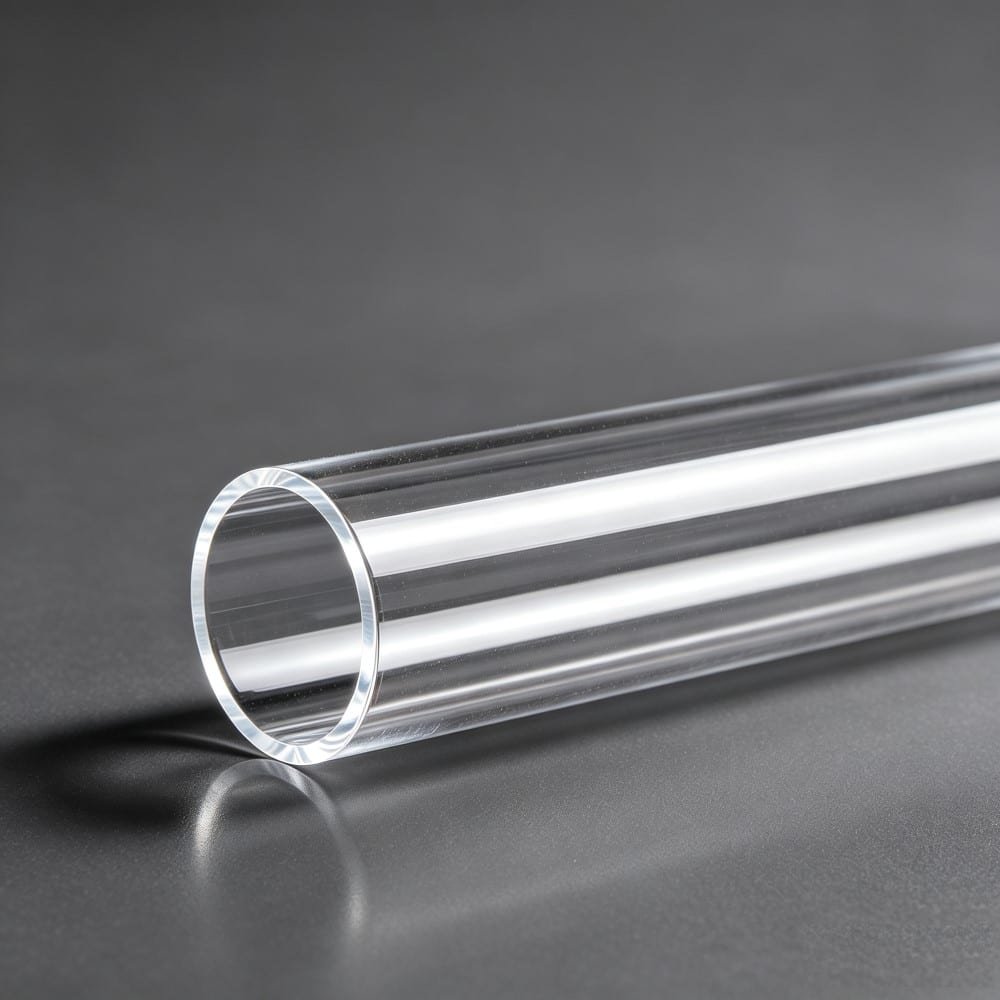
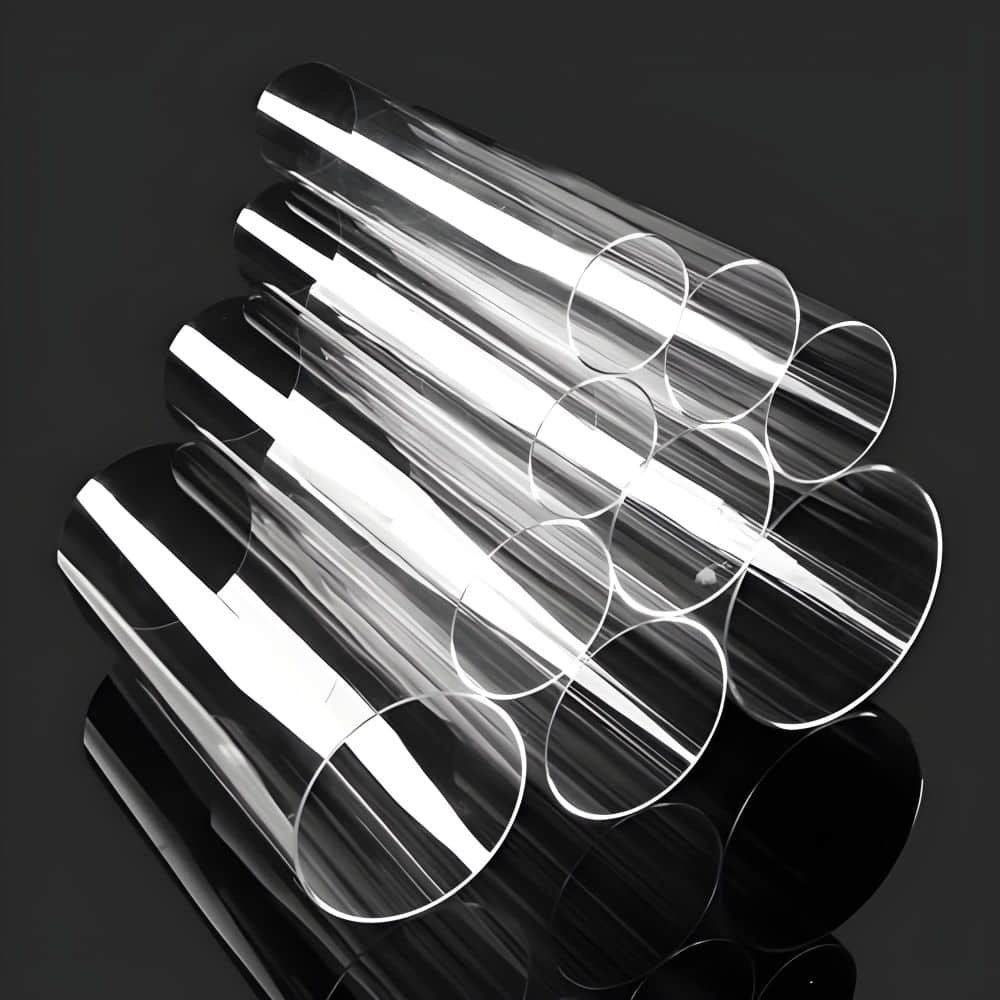
- Round diffuser tubes
- Semi-circular diffuser covers
- Snap-fit diffuser profiles
- Recessed lighting diffusers
- Edge-lighting profiles
- Custom architectural lighting covers
For LED lighting manufacturers, this flexibility is important because luminaire housings are rarely standardized across every project.
A custom PMMA diffuser factory can develop tooling based on the customer’s profile drawing and produce long lengths that can later be cut to the required fixture dimensions.
4. PMMA Diffuser and Optical Transparency
Optical transparency is one of the most important properties of a PMMA diffuser.
Clear PMMA can transmit a high proportion of visible light, allowing designers to achieve strong illumination while maintaining a relatively compact diffuser structure.
However, LED lighting often does not require maximum transparency.
A completely transparent cover may allow individual LED points to remain highly visible. In many applications, a degree of light diffusion is preferred.
Therefore, the optimal PMMA diffuser is often not the material with the highest possible light transmission. Instead, engineers need to balance:
Light transmission + diffusion + LED hotspot reduction + visual comfort.
This balance can be adjusted through PMMA grade selection, diffuser additives, surface treatment, thickness, and profile geometry.
5. PMMA Diffuser: Reducing LED Hotspots and Dotting
LED hotspot reduction is one of the most important reasons for specifying a PMMA diffuser.
Linear LED strips may contain dozens or even hundreds of small LED chips. When the distance between the LED source and diffuser is limited, individual light points can remain visible.
A diffuser scatters part of the incoming light, helping blend neighboring LED emissions.
The performance of the diffuser depends on several factors, including:
- LED pitch
- LED power
- Distance between LED and diffuser
- PMMA optical formulation
- Diffusion level
- Diffuser thickness
- Surface texture
- Profile geometry
For this reason, simply selecting a generic white plastic cover may not provide the required lighting effect.
Ein Profi custom PMMA diffuser manufacturer can adjust the material and profile design according to the actual LED configuration.
6. PMMA Diffuser and Light Uniformity
A good PMMA diffuser should create a visually consistent illuminated surface.
Uniformity is particularly important for architectural linear lighting, commercial displays, office lighting, retail illumination, and decorative LED systems.
If the diffuser scatters light unevenly, some areas may appear brighter than others. If diffusion is too weak, LED points may remain visible. If diffusion is excessive, optical efficiency may decrease because more light is scattered or absorbed.
This creates an important engineering trade-off.
The objective is not simply to maximize diffusion. The objective is to achieve the required uniformity with acceptable optical efficiency.
This is why diffuser development should consider the complete LED system rather than evaluating the PMMA profile independently.

7. Extruded PMMA Diffuser Profiles: Custom Surface Effects
The surface of an extruded PMMA diffuser profile can significantly affect its optical appearance.
A smooth surface may provide high transparency and a clean appearance. A textured, frosted, or matte surface can increase light scattering and reduce direct visibility of LED points.
Different surface effects can therefore be developed for different lighting objectives.
Common options include:
- Clear
- Frosted
- Opal
- Satin
- Matte
- Textured
- Custom optical surfaces
For an experienced custom PMMA diffuser factory, surface design must also be considered together with extrusion stability.
A surface texture that looks excellent in a laboratory sample must remain consistent throughout long production lengths if the diffuser is to be used in commercial lighting systems.
8. PMMA Diffuser: Excellent Weather and UV Resistance
Outdoor LED lighting creates additional material requirements.
A diffuser installed outdoors may be exposed to sunlight, rain, humidity, temperature cycling, and atmospheric contaminants. Over time, poor material selection can lead to yellowing, loss of transparency, cracking, or surface degradation.
PMMA is known for its good weatherability and UV resistance compared with many conventional transparent plastics.
This makes a properly selected PMMA diffuser suitable for applications such as outdoor architectural lighting, signage, facade illumination, garden lighting, commercial outdoor fixtures, and other environments where long-term appearance matters.
However, outdoor performance still depends on the specific PMMA grade, additives, processing conditions, fixture design, and environmental exposure.
9. PMMA Diffuser: Dimensional Stability for LED Assembly
An LED diffuser must fit accurately into the luminaire housing.
A profile that is slightly oversized may be difficult to install. A profile that is undersized may become loose, creating gaps, rattling, or light leakage.
This is where extrusion manufacturing provides an important advantage.
A well-controlled extruded PMMA diffuser profile can maintain consistent dimensions over long production lengths.
The extrusion die, cooling system, sizing process, haul-off speed, and material temperature all influence dimensional stability.
For custom lighting systems, the profile can be engineered with specific snap-fit, slide-in, or mechanical retention features so that the diffuser integrates directly with the aluminum LED channel or plastic housing.
10. Extruded PMMA Diffuser Profiles vs. Other Plastics
PMMA is not the only material that can be used for LED diffusers. Polycarbonate, polycarbonate blends, PVC, and other optical plastics may also be appropriate depending on the application.
A simplified comparison is useful:
| Eigentum | PMMA | Polycarbonate |
|---|---|---|
| Optische Klarheit | Excellent | Excellent |
| Surface hardness | Generally higher | Generally lower |
| Weatherability | Excellent with suitable grade | Grade-dependent |
| UV-Beständigkeit | Very good | Often requires stabilization |
| Transparency | Excellent | Excellent |
| Extrusion capability | Excellent | Excellent |
| Schlagfestigkeit | Moderate | Very high |
| Typical lighting use | Architectural, decorative, optical | Impact-sensitive and demanding environments |
PMMA is particularly attractive when optical appearance, surface hardness, transparency, weatherability, and long-term visual quality are important.
Polycarbonate may be preferable where exceptional impact resistance is the dominant requirement.
Therefore, the best diffuser material should be selected according to the complete application.
11. PMMA Diffuser for Linear LED Lighting
Linear lighting is one of the strongest applications for extruded PMMA diffuser profiles.
LED strips and linear LED boards can be installed inside aluminum channels, recessed channels, pendant fixtures, cabinet lights, and architectural profiles.
The diffuser is typically manufactured as a long continuous profile that can be cut to match the lighting fixture.
Typical applications include:
- LED strip lighting
- Linear architectural lighting
- Cabinet lighting
- Under-cabinet lighting
- Office lighting
- Retail display lighting
- Cove lighting
- Decorative wall lighting
- Furniture lighting
The ability to produce continuous lengths makes extrusion particularly efficient for these applications.
12. PMMA Diffuser Customization: More Than Just Size
Ein Profi custom PMMA diffuser manufacturer should be able to customize more than the external dimensions.
Important customization parameters include:
Profile geometry: The cross-section can be designed according to the LED housing.
Wall thickness: Thickness influences rigidity, weight, optical performance, and material consumption.
Optical diffusion: The diffusion level can be optimized for different LED pitches and brightness requirements.
Surface finish: Clear, frosted, matte, opal, or textured surfaces can be selected.
Color: White, translucent, colored, or customized optical appearances can be developed.
Length: Continuous extrusion allows long lengths to be produced and subsequently cut.
Assembly features: Snap-fit edges, grooves, lips, and retaining structures can be integrated into the profile.
This makes custom extrusion particularly valuable for lighting brands developing proprietary luminaires.

13. PMMA Diffuser Manufacturing: How Quality Is Controlled
The optical performance of a PMMA diffuser depends not only on raw material selection but also on extrusion process control.
A typical production process includes:
PMMA resin → drying/material preparation → extrusion → die forming → calibration → cooling → surface inspection → dimensional inspection → cutting → packaging.
PMMA processing requires appropriate moisture management because excessive moisture can contribute to processing defects and optical problems.
During extrusion, temperature stability and melt uniformity are important. The die must distribute the material consistently across the profile.
Cooling and calibration then establish the final geometry.
For long lighting profiles, consistent production is essential because even small variations in optical appearance or dimensions can become noticeable when multiple diffuser sections are installed together.
14. Custom PMMA Diffuser Manufacturer: Why Choose an Experienced Factory?
Auswahl eines custom PMMA diffuser factory is an engineering decision, not simply a purchasing decision.
A lighting manufacturer should evaluate whether the supplier understands both plastic extrusion and the optical requirements of LED lighting.
Important questions include:
- Can the supplier develop custom extrusion tooling?
- Can it provide different PMMA optical grades?
- Can it produce clear, frosted, opal, or textured finishes?
- Can it control dimensional tolerances?
- Can it maintain consistent optical appearance across batches?
- Can it provide samples for LED testing?
- Can the diffuser be customized for a specific aluminum profile?
- Can the factory support long-term mass production?
SW has more than 20 years of experience in plastic extrusion manufacturing and serves customers in more than 50 countries and regions.
Our customized extrusion capabilities include PMMA rods, PMMA pipes, plastic pipes, PVC pipes, ABS pipes, cable trunking, PVC skirting, and other customized plastic extrusion products.
For LED lighting customers, SW can develop customized extruded PMMA diffuser profiles according to required dimensions, geometry, appearance, and application conditions. The goal is not simply to extrude a transparent plastic profile, but to create a stable component that integrates correctly with the customer’s LED lighting system.
15. PMMA Diffuser: Why Extruded PMMA Is a Strong LED Lighting Solution
The popularity of the PMMA diffuser in LED lighting comes from a combination of optical and manufacturing advantages.
PMMA offers excellent optical transparency, good weatherability, attractive surface quality, and strong suitability for continuous extrusion. Extrusion allows lighting manufacturers to create customized diffuser geometries with controlled dimensions, surface effects, and optical characteristics.
For linear LED lighting in particular, extruded PMMA diffuser profiles provide an efficient way to combine light transmission, diffusion, LED hotspot reduction, and mechanical integration.
The most important consideration is that diffuser performance should be evaluated as part of the entire luminaire. LED spacing, diffuser-to-LED distance, optical diffusion, profile geometry, material grade, wall thickness, and surface treatment all interact with one another.
For lighting brands developing custom products, working with an experienced custom PMMA diffuser manufacturer can shorten development cycles and improve production consistency.
With more than 20 years of plastic extrusion experience, SW provides customized PMMA extrusion solutions for customers requiring lighting profiles and other engineered plastic products.
The key takeaway is simple: a high-performance PMMA diffuser does more than cover an LED. It controls light, improves visual uniformity, protects the lighting system, and becomes an engineered part of the luminaire itself.
Wir verfügen über ein Werk für PVC-Rohre mit erfahrenen Ingenieuren, die Sie bei der Produktentwicklung – von der ersten Idee bis zur Serienproduktion – unterstützen. Kontaktieren Sie uns gerne bei Fragen zu Ihrem Produkt. Unsere Ingenieure erstellen Ihnen umgehend ein Angebot. WhatsApp +86 188 2072 7151
Wer ist S oder Wei?
Seit 2006 ist Shuowei ein professioneller Hersteller von Extrusionsprofilen mit Sitz in Guangdong, China. Unser Team besteht aus 51 bis 100 Mitarbeitern. Die Shuowei PVC-Extrusionsfabrik hat sich auf die Entwicklung und Produktion von Extrusionsprofilen wie PVC-Rohren, PE-Kabelkanälen und PVC-Sockelleisten spezialisiert. Seit unserer Gründung haben wir uns durch innovatives Design, ausgereifte Technologie und unser kompromissloses Qualitätsstreben die breite Anerkennung des Marktes und das tiefe Vertrauen unserer Kunden erworben.
Sind Sie ein Hersteller oder ein Händler?
Wir sind ein chinesisches Top-Unternehmen PVC-Extrusionsprofile Unser Werk befindet sich in Huizhou. Es verfügt über eine 16.000 m² große Produktionsfläche, mehr als fünf automatisierte Extrusionsprofil-Produktionslinien, eine jährliche Produktionskapazität von 30.000 Tonnen und beliefert über 500 Kunden weltweit. Besuchen Sie uns!
Welche Produkte bieten Sie an?
Wir sind spezialisiert auf die Entwicklung und Produktion von hochwertigen Produkten. Extrusionsprofile,wie beispielsweise PVC-Rohre, ABS-Profile, PC-Lampenschirme, PVC-Sockelleisten, PP-Kabelkanäle, PE-Profile…
Wie lange dauert der Prozess der kundenspezifischen Entwicklung?
Wir unterstützen kundenspezifische Extrusionsprodukte. Der übliche Prozess umfasst 4 Schritte: Bedarfsbestätigung → 3D-Design/Proofing → Testzertifizierung → Serienproduktion (Zyklus 3-8 Wochen).
Besitzen Sie internationale Zertifizierungen?
Wir haben die Zertifizierungen ISO 9001, CE, RoHS, SGS und weitere erhalten und erfüllen die gängigen Standards in Europa, Amerika, dem Nahen Osten und Asien.