



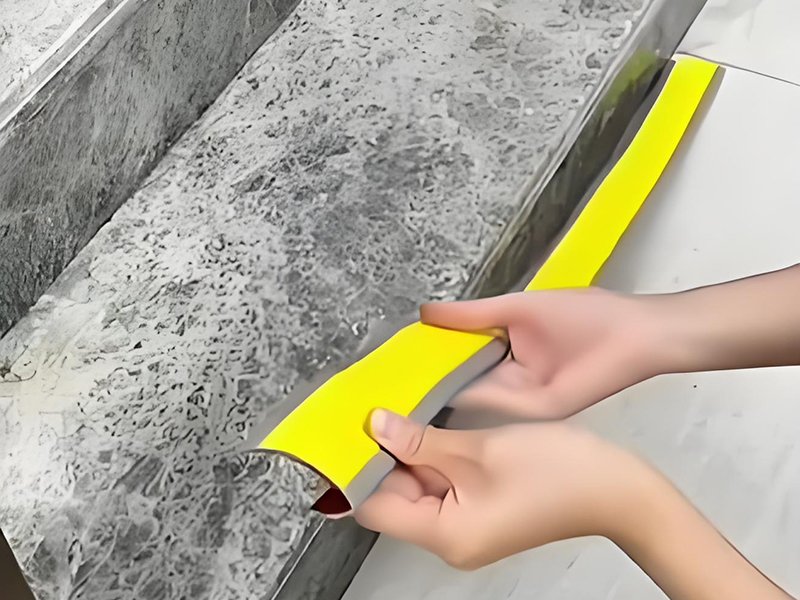
When it comes to flooring safety, شريط مانع للانزلاق من مادة PVC plays an essential role in reducing the risk of accidents in residential, commercial, and industrial environments. These strips are designed to provide additional grip on stairs, ramps, walkways, and other potentially hazardous surfaces. Whether you are a homeowner aiming to make your staircase safer, or a facility manager implementing occupational safety standards, knowing how to install and maintain PVC anti-slip strips is crucial.
في جنوب غرب, with over 20 years of expertise in manufacturing شرائط مانعة للانزلاق مصنوعة من مادة PVC, we provide not only high-quality products but also technical guidance to ensure customers can use them correctly and effectively. This blog explores installation techniques, usage precautions, and best practices for maintaining PVC anti-slip strips.
Why Choose PVC Anti-Slip Strip?
Before diving into installation, it is important to understand why PVC is one of the most popular materials for anti-slip applications:
متانة: PVC anti-slip strips are resistant to moisture, corrosion, and chemical exposure.
المرونة: Unlike metal strips, PVC anti-slip strips are easy to cut and fit into customized spaces.
Cost-Effectiveness: They are more affordable compared to aluminum or stainless steel strips.
Comfort: PVC strips provide softer contact underfoot, making them ideal for homes and workplaces.
Aesthetic Options: Available in a variety of colors and finishes, PVC anti-slip strips can blend with different flooring styles.
Tools and Materials Needed
Before you start installation, prepare the following tools and materials:
PVC anti-slip strips (cut to required length)
Measuring tape and marker
Utility knife or PVC cutter
Adhesive (PVC-compatible glue or double-sided industrial tape)
Screws and drill (if mechanical fastening is needed)
Cleaning supplies (mild detergent, cloth, and brush)
Personal protective equipment (gloves, goggles, mask)

Step-by-Step PVC anti-slip strip Installation Process
Step 1: Surface Preparation
Ensure the installation surface is clean, dry, and free of dust, grease, or oil.
Uneven flooring should be leveled before applying the شريط مانع للانزلاق من مادة PVC.
Use a mild detergent and let the surface dry completely.
Step 2: Measurement and Cutting
Measure the area where the PVC anti-slip strip will be installed.
Mark the measurements on the strip using a marker.
Use a PVC cutter or a sharp utility knife to cut the strip to size.
For corners or angled staircases, cut at a 45° angle for a neat finish.
Step 3: Adhesive Application
Apply PVC-compatible adhesive evenly on the back of the strip.
Alternatively, use industrial-grade double-sided tape for lighter applications.
For high-traffic areas, mechanical fastening with screws is recommended.
Step 4: Fixing the Strip
Carefully align the PVC anti-slip strip with the marked position.
Press firmly along the entire length to ensure proper adhesion.
If using screws, drill pilot holes and secure the strip at regular intervals.
Step 5: Final Inspection
Check for air bubbles or loose edges.
Press down again on weak spots to ensure strong adhesion.
Clean any adhesive residue with a damp cloth.
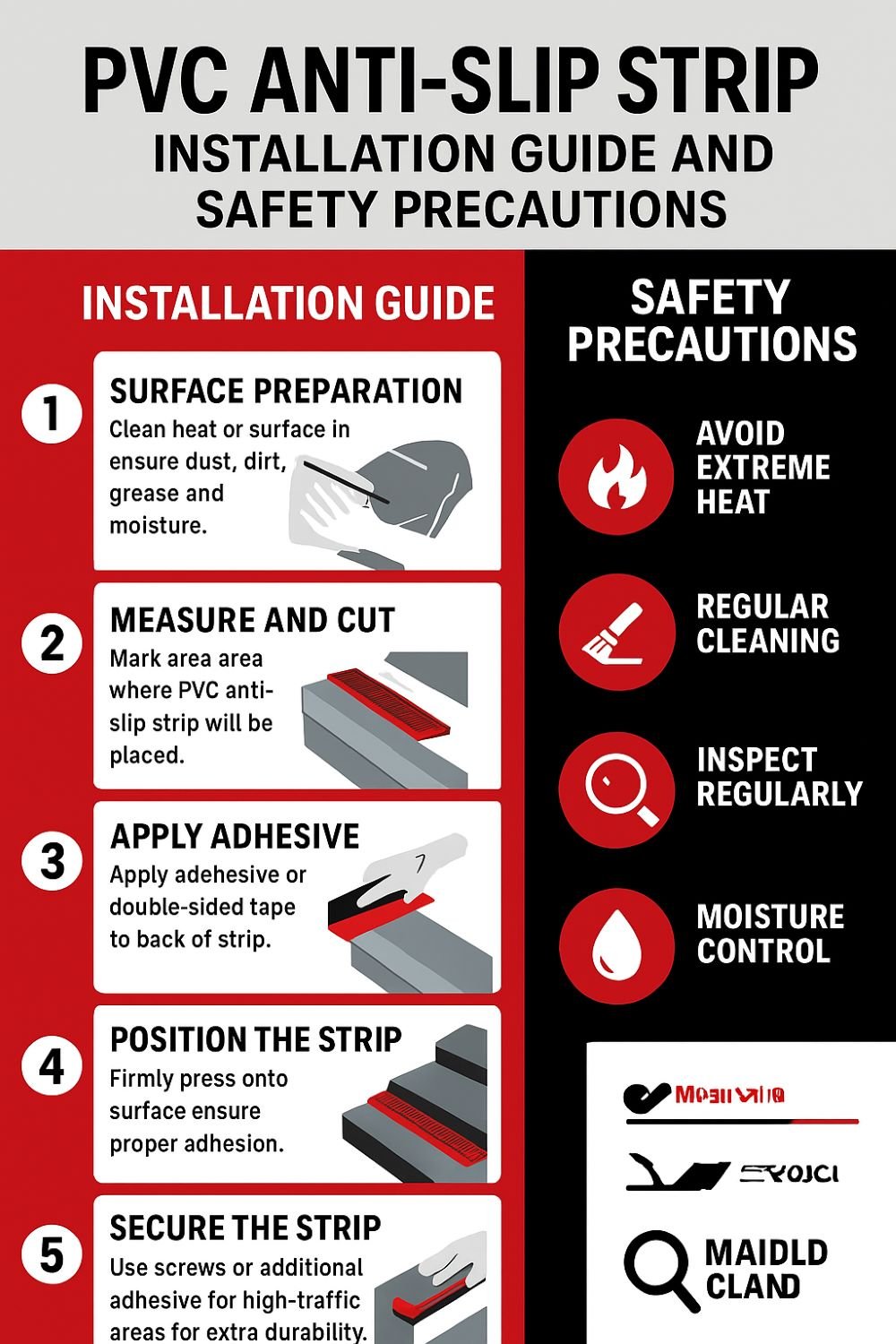
Usage Precautions
To maximize the safety and durability of your شريط مانع للانزلاق من مادة PVC, keep these considerations in mind:
Avoid Extreme Heat Exposure
PVC can warp or lose adhesion when exposed to direct heat sources. Do not install strips near open flames, heaters, or hot machinery.
Regular Cleaning
Clean with mild soap and water.
Avoid abrasive cleaners, harsh chemicals, or steel brushes which may damage the surface.
Periodic Inspection
Check strips regularly for signs of loosening, wear, or damage.
Replace damaged strips promptly to maintain safety.
Moisture Control
While PVC is resistant to water, ensure proper drainage in wet areas to prevent mold and mildew around the edges.
Proper Adhesive Selection
Always use adhesives specifically designed for PVC. Incompatible adhesives can cause strip peeling.
Application Areas of PVC Anti-Slip Strip
Residential:
Staircases, bathroom floors, kitchens, and balconies.
Commercial:
Office buildings, shopping malls, schools, and hospitals.
Industrial:
Factories, warehouses, ramps, and loading areas.
Public Spaces:
Train stations, bus terminals, gyms, and swimming pools.


أخطاء شائعة يجب تجنبها
Incorrect Surface Preparation: Installing PVC anti-slip strips on dirty or oily surfaces reduces adhesion.
Skipping Edge Sealing: Exposed edges can lift over time; sealing with adhesive prevents this.
Using the Wrong Tools: Poorly cut strips may result in uneven surfaces and safety hazards.
Ignoring Load Requirements: For heavy-duty applications, always reinforce strips with screws.
Maintenance Best Practices
Weekly Cleaning: Mop or wipe the strips to remove dust and debris.
Monthly Inspection: Check adhesion and surface texture for signs of wear.
Annual Replacement: In high-traffic areas, consider replacing strips annually for maximum effectiveness.
Why Partner with SW for PVC Anti-Slip Strip?
بصفتي محترفًا مصنع شرائط PVC مانعة للانزلاق with 20 years of industry experience, جنوب غرب ensures:
High-quality, durable products.
Custom extrusion solutions for different applications.
OEM & ODM services tailored to client requirements.
Strict quality control and international standards compliance.
Our expertise not only lies in manufacturing but also in helping clients choose, install, and maintain their anti-slip safety solutions.
Installing and maintaining PVC anti-slip strip
Installing and maintaining شريط مانع للانزلاق من مادة PVC is an effective way to enhance safety and reduce accidents in both residential and commercial environments. By following proper installation techniques and usage precautions, you can extend the lifespan of your strips and ensure maximum protection.
For businesses and homeowners alike, partnering with an experienced مصنع شرائط PVC مانعة للانزلاق like SW guarantees long-term value, safety, and professional support.
لدينا مصنع لأنابيب PVC يضم فريقاً من المهندسين المهرة على أتم الاستعداد لدعمكم في رحلة تطوير منتجاتكم، بدءاً من الفكرة والتصميم وصولاً إلى الإنتاج. يمكنكم التواصل معنا بحرية لأي استفسار أو فكرة تخص منتجكم، وسيقوم مهندسونا بالرد عليكم بعرض سعر في أسرع وقت ممكن. واتساب +86 188 2072 7151
من هو شووي؟
منذ عام 2006، تُعدّ شركة شووي مصنعًا متخصصًا في قطاعات البثق، مقرها في مقاطعة قوانغدونغ بالصين. يضم فريق العمل لدينا ما بين 51 و100 موظف. يلتزم مصنع شووي لبثق PVC بتصميم وإنتاج قطاعات البثق، مثل أنابيب PVC، وقنوات PE، وخطوط PVC الجانبية. منذ تأسيسها، حظيت الشركة بتقدير واسع في السوق وثقة عميقة من عملائها بفضل تصميمها المبتكر، وتقنياتها المتقنة، وسعيها الدؤوب نحو تحقيق أعلى معايير الجودة.
هل أنت مصنّع أم تاجر؟
نحن شركة صينية رائدة قطاعات بثق PVC نحن شركة مصنعة، ويقع مصنعنا في مدينة هويتشو. يمتد مصنعنا على مساحة 16,000 متر مربع، ويضم أكثر من 5 خطوط إنتاج آلية لقطاعات البثق، بطاقة إنتاجية سنوية تبلغ 30,000 طن، ونخدم أكثر من 500 عميل حول العالم. نرحب بزيارتكم لمصنعنا!
ما هي مجموعة منتجاتكم؟
نحن متخصصون في تصميم وإنتاج منتجات عالية الجودة ملامح البثق,مثل أنابيب PVC، ومقاطع ABS، وأغطية مصابيح PC، وخطوط PVC الجانبية، وقنوات PP، وقطاعات PE...
كم تستغرق عملية التطوير المخصصة؟
نحن ندعم منتجات البثق المخصصة. تتكون العملية المعتادة من 4 خطوات: تأكيد الطلب ← تصميم ثلاثي الأبعاد/إثبات ← شهادة اختبار ← الإنتاج بكميات كبيرة (دورة من 3 إلى 8 أسابيع).
هل لديك أي شهادات دولية؟
لقد حصلنا على شهادات ISO 9001 وCE وRoHS وSGS وغيرها، ونلتزم بالمعايير السائدة في أوروبا وأمريكا والشرق الأوسط وآسيا.