


In today’s global sourcing environment, buyers of Kunststoffrohre face a critical challenge: ensuring that the plastic pipes material they purchase meets the required quality standards.
While reputable suppliers provide certified materials, not all manufacturers operate with the same level of integrity. Some may substitute recycled material for virgin material in Kunststoffrohre, leading to performance issues, reduced lifespan, and even project failure.
The problem is that laboratory testing—such as DSC (Differential Scanning Calorimetry), FTIR analysis, or melt flow index testing—can be expensive and time-consuming. Not every buyer has access to such facilities.
So how can you verify plastic pipes material quality quickly and effectively?
Als professioneller Hersteller von Kunststoffrohren with over 20 years of experience, SW provides this practical, field-tested guide to help buyers identify plastic pipes material purity using simple inspection methods, sample testing, and engineering judgment.
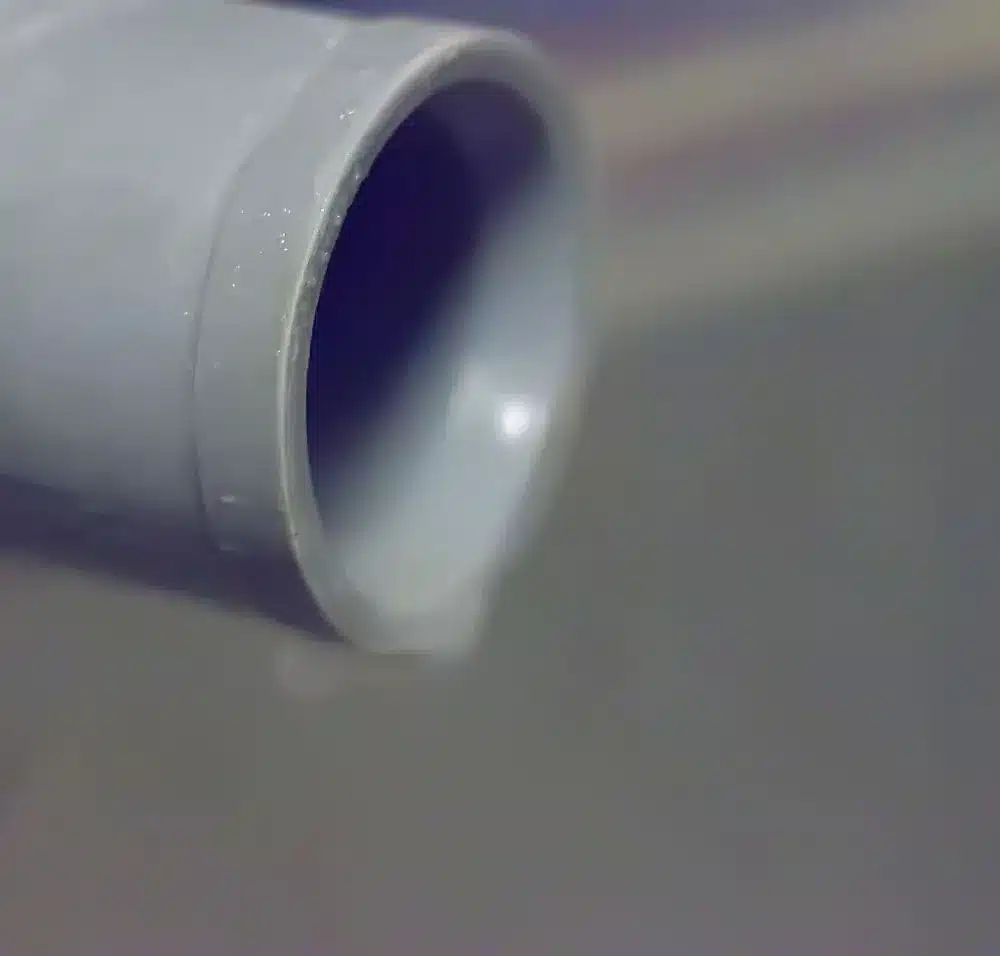
Why Plastic Pipes Material Quality Matters
The quality of plastic pipes material directly affects:
- Mechanical strength
- Pressure resistance
- Chemical stability
- Service life
- Safety compliance
Ein Profi Fabrik für Kunststoffrohre always prioritizes material consistency because even small amounts of recycled content can significantly alter performance.
Virgin vs Recycled Plastic Pipes Material
Virgin Material
- Made from new polymer resin
- Consistent molecular structure
- High mechanical strength
- Stable performance
Recycled Material
- Derived from reprocessed plastics
- Variable composition
- Possible contamination
- Reduced strength and durability
Understanding this difference is essential when evaluating plastic pipes material.
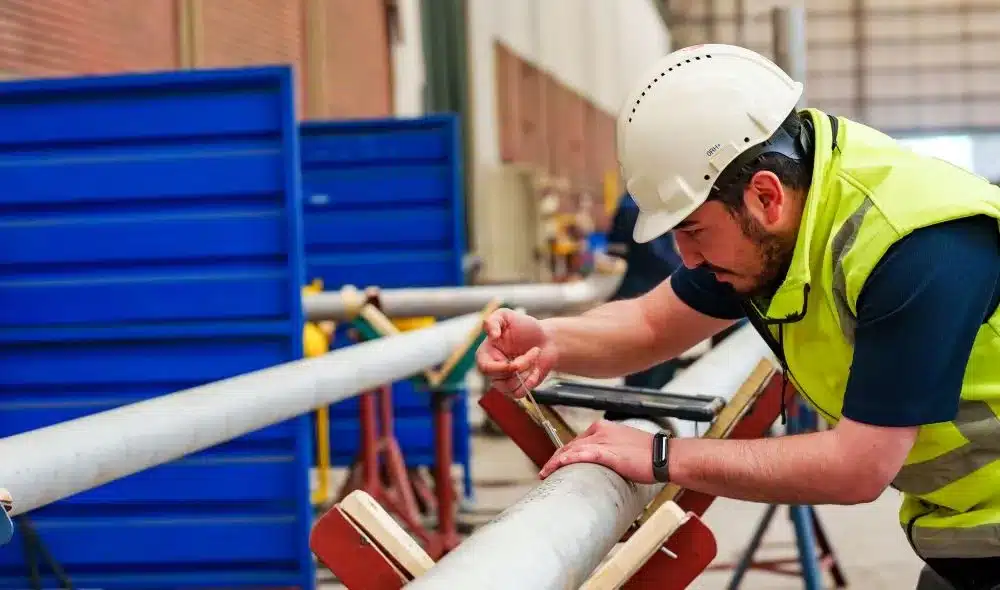
Common Risks of Using Low-Quality Plastic Pipes Material
When a Hersteller von Kunststoffrohren uses excessive recycled material:
- Pipes may crack under pressure
- Reduced UV resistance
- Shortened lifespan
- Inconsistent dimensions
For critical applications, this can lead to significant financial losses.
How to Identify Plastic Pipes Material Without Laboratory Testing
Below are practical methods that can be performed on-site or using sample evaluation.
1. Visual Inspection of Plastic Pipes Material
Visual inspection is the simplest and fastest way to evaluate plastic pipes material.
What to Look For
Surface Finish
- Virgin Kunststoffrohre: smooth, glossy surface
- Recycled material: rough, dull, uneven
Color Consistency
- High-quality plastic pipes material: uniform color
- Recycled: color variation, spots, or streaks
Cross-Section
Cut the pipe and observe:
- Clean, dense structure → good material
- Visible particles or bubbles → recycled content
Ein Profi Fabrik für Kunststoffrohre ensures consistent appearance across batches.
2. Smell Test for Plastic Pipes Material
Although simple, smell can reveal useful clues.
Method
- Slightly heat or rub the pipe
- Smell the emitted odor
Interpretation
- Virgin plastic pipes material: mild or neutral smell
- Recycled material: strong, unpleasant, or burnt odor
This is especially useful for PVC and PE pipes.
3. Density and Weight Comparison
Density can indicate plastic pipes material composition.
Method
- Weigh pipes of identical dimensions
- Compare weight differences
Observation
- Virgin material → consistent weight
- Recycled material → irregular density
Ein zuverlässiger Hersteller von Kunststoffrohren maintains tight weight tolerances.
4. Impact and Flexibility Test
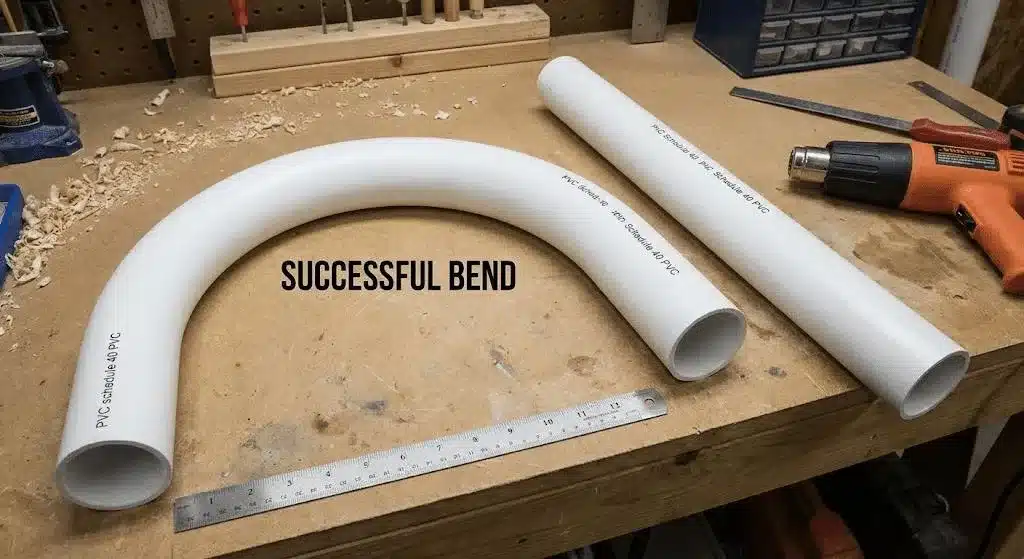
Method
- Drop test (low height)
- Bend or flex the pipe
Ergebnisse
- High-quality plastic pipes material: flexible, resistant to cracking
- Recycled material: brittle, cracks easily
This test is especially effective for PE and ABS pipes.
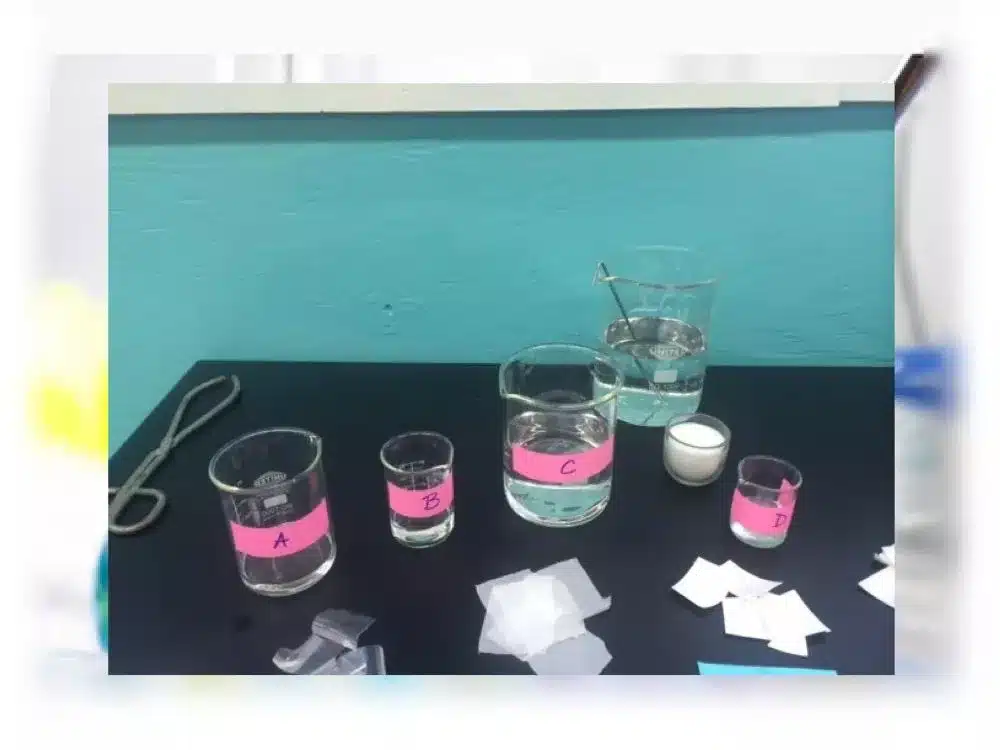
5. Heat Resistance Test
Method
- Apply moderate heat (heat gun or hot water)
Observation
- Virgin plastic pipes material: maintains shape longer
- Recycled material: deforms quickly
This indicates molecular stability.
6. Cutting and Machining Test
Method
- Cut the pipe using a blade or saw
Ergebnisse
- Clean cut surface → high-quality plastic pipes material
- Rough edges, tearing → recycled content
7. Sound Test
Method
- Tap the pipe lightly
Interpretation
- Clear, solid sound → dense material
- Dull or hollow sound → lower material quality
8. Transparency and Light Test (for certain plastics)
Method
- Shine light through thin sections
Observation
- Uniform transmission → consistent material
- Uneven scattering → impurities
9. Supplier Documentation Verification
Ein Profi Hersteller von Kunststoffrohren should provide:
- Raw material certificates
- Production records
- Batch traceability
Lack of documentation is a red flag.
10. Sample Comparison with Known Standards
Compare with samples from a trusted Fabrik für Kunststoffrohre wie SW.
Approach
- Benchmark unknown samples
- Evaluate differences in appearance and performance
Combining Multiple Methods for Accurate Judgment
No single method is perfect. A professional evaluation combines:
- Visual inspection
- Mechanische Prüfung
- Comparative analysis
This multi-step approach increases accuracy when assessing plastic pipes material.
Limitations of Non-Laboratory Testing
While practical, these methods have limitations:
- Cannot quantify exact recycled percentage
- May not detect chemical contamination
- Requires experience and judgment
For critical applications, laboratory testing is still recommended.
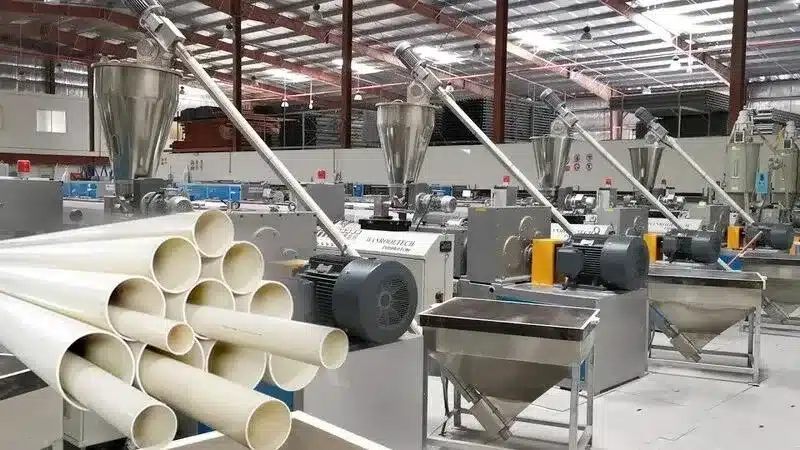
How SW Ensures Plastic Pipes Material Quality
As a trusted Hersteller von Kunststoffrohren, SW implements strict quality control:
Raw Material Selection
- Certified virgin resin suppliers
- Controlled recycled content (if applicable)
Production Monitoring
- Real-time extrusion control
- Consistent temperature and pressure
Quality Inspection
- Dimensional checks
- Mechanische Prüfung
- Oberflächeninspektion
Transparency with Customers
Als professioneller Fabrik für Kunststoffrohre, SW provides:
- Material traceability
- Test reports
- Sample verification
Practical Tips for Buyers of Plastic Pipes
When sourcing plastic pipes material, follow these guidelines:
Request Samples Before Bulk Orders
Always evaluate physical samples.
Work with Reliable Manufacturers
Choose experienced plastic pipes manufacturers with proven track records.
Avoid Unrealistically Low Prices
Extremely low prices often indicate use of recycled material.
Conduct On-Site Inspection
If possible, visit the Fabrik für Kunststoffrohre.
Real-World Case: Avoiding Material Substitution
A client once sourced Kunststoffrohre at a lower price from another supplier.
After simple testing:
- Surface inconsistency detected
- Strong odor observed
- Brittle performance
They switched to SW, ensuring consistent plastic pipes material quality and avoiding project failure.
Future Trends in Plastic Pipes Material Verification
Die Branche entwickelt sich in Richtung:
- Portable testing devices
- AI-based quality inspection
- Blockchain material traceability
However, practical field methods will remain essential.
Smart Verification of Plastic Pipes Material
Ensuring the quality of plastic pipes material is critical for performance, safety, and cost control.
Even without expensive laboratory testing, buyers can use:
- Visual inspection
- Physical testing
- Comparative analysis
to make informed decisions.
Working with a trusted Hersteller von Kunststoffrohren like SW further reduces risk and ensures consistent quality.
In global sourcing, knowledge is your best protection against material substitution—and your key to long-term success.
Wir verfügen über ein Werk für PVC-Rohre mit erfahrenen Ingenieuren, die Sie bei der Produktentwicklung – von der ersten Idee bis zur Serienproduktion – unterstützen. Kontaktieren Sie uns gerne bei Fragen zu Ihrem Produkt. Unsere Ingenieure erstellen Ihnen umgehend ein Angebot. WhatsApp +86 188 2072 7151
Wer ist S oder Wei?
Seit 2006 ist Shuowei ein professioneller Hersteller von Extrusionsprofilen mit Sitz in Guangdong, China. Unser Team besteht aus 51 bis 100 Mitarbeitern. Die Shuowei PVC-Extrusionsfabrik hat sich auf die Entwicklung und Produktion von Extrusionsprofilen wie PVC-Rohren, PE-Kabelkanälen und PVC-Sockelleisten spezialisiert. Seit unserer Gründung haben wir uns durch innovatives Design, ausgereifte Technologie und unser kompromissloses Qualitätsstreben die breite Anerkennung des Marktes und das tiefe Vertrauen unserer Kunden erworben.
Sind Sie ein Hersteller oder ein Händler?
Wir sind ein chinesisches Top-Unternehmen PVC-Extrusionsprofile Unser Werk befindet sich in Huizhou. Es verfügt über eine 16.000 m² große Produktionsfläche, mehr als fünf automatisierte Extrusionsprofil-Produktionslinien, eine jährliche Produktionskapazität von 30.000 Tonnen und beliefert über 500 Kunden weltweit. Besuchen Sie uns!
Welche Produkte bieten Sie an?
Wir sind spezialisiert auf die Entwicklung und Produktion von hochwertigen Produkten. Extrusionsprofile,wie beispielsweise PVC-Rohre, ABS-Profile, PC-Lampenschirme, PVC-Sockelleisten, PP-Kabelkanäle, PE-Profile…
Wie lange dauert der Prozess der kundenspezifischen Entwicklung?
Wir unterstützen kundenspezifische Extrusionsprodukte. Der übliche Prozess umfasst 4 Schritte: Bedarfsbestätigung → 3D-Design/Proofing → Testzertifizierung → Serienproduktion (Zyklus 3-8 Wochen).
Besitzen Sie internationale Zertifizierungen?
Wir haben die Zertifizierungen ISO 9001, CE, RoHS, SGS und weitere erhalten und erfüllen die gängigen Standards in Europa, Amerika, dem Nahen Osten und Asien.