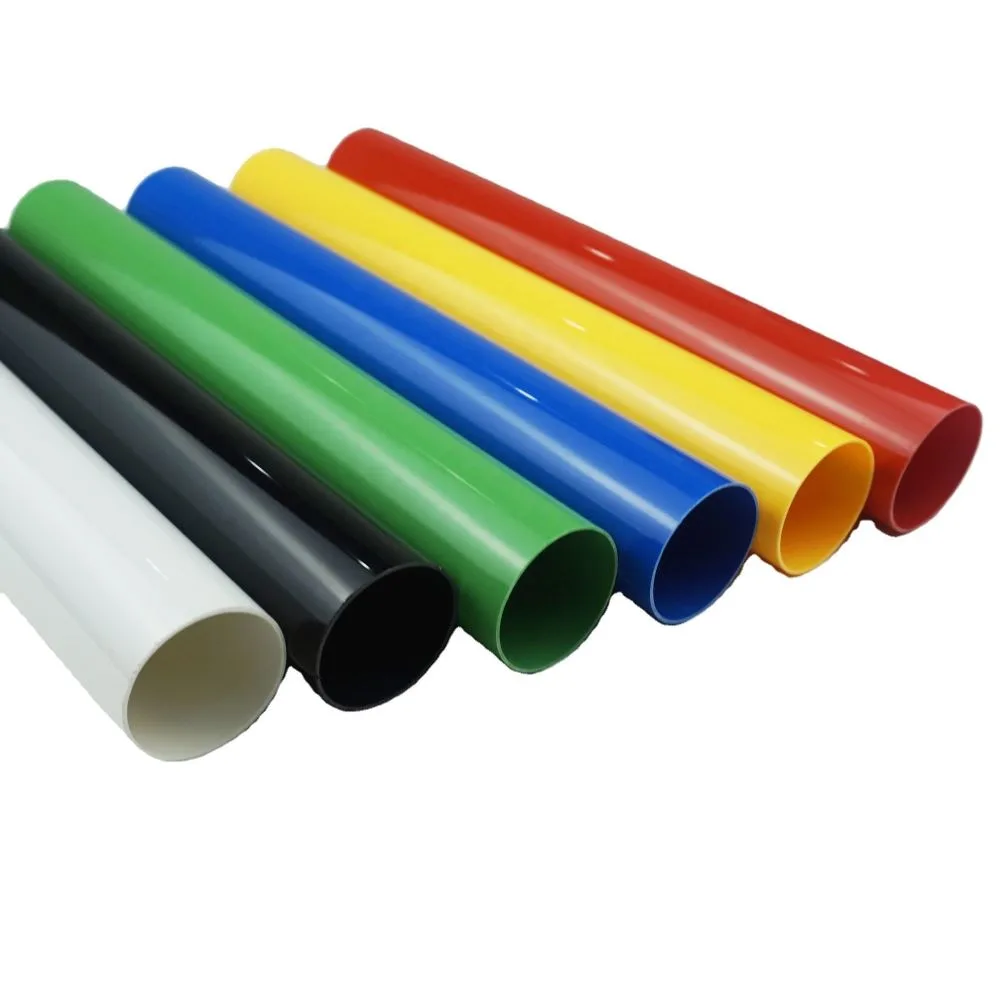
In the global electrical installation industry, PVC-Kabelkanäle is widely used because of its affordability, flame resistance, insulation performance, and installation convenience. From residential wiring systems to commercial buildings and industrial cable management, high-quality PVC-Kabelkanäle plays a critical role in safety and long-term reliability.
However, one recurring problem continues to frustrate buyers, contractors, and distributors worldwide:
The sample quality looks excellent, but six months after installation, the PVC cable trunking begins yellowing, becoming brittle, or cracking.
In many cases, the root cause is not poor installation—but hidden recycled PVC content added during mass production.
Some suppliers provide samples made from high-quality virgin material, but during bulk production, they secretly blend recycled PVC to reduce costs. This can significantly change the long-term performance of the PVC-Kabelkanäle while remaining difficult to detect during initial inspection.
Als professioneller Hersteller von PVC-Kabelkanälen with more than 20 years of extrusion experience, SW has helped many international buyers identify hidden material substitution problems before shipment. This article shares practical, real-world testing methods that buyers can use without relying entirely on expensive laboratory analysis.
The goal is simple:
✅ Detect hidden recycled PVC content early
✅ Avoid long-term yellowing and cracking
✅ Reduce project risk
✅ Improve supplier evaluation capability
Why Recycled PVC Changes the Performance of PVC Cable Trunking
Before discussing testing methods, it is important to understand why recycled material affects PVC-Kabelkanäle performance.
What Happens When Recycled PVC Is Added
Recycled PVC is usually sourced from:
- Scrap extrusion products
- Old electrical trunking
- Reprocessed industrial waste
- Mixed PVC compounds
During repeated heating and processing cycles, PVC molecular chains degrade.
As a result, recycled PVC often has:
- Lower molecular stability
- Reduced impact resistance
- Poorer UV resistance
- Higher impurity levels
- Reduced thermal stability
Ein Profi PVC-Kabelkanalfabrik carefully controls recycled content because excessive recycled material can dramatically shorten product lifespan.
Why Some PVC Cable Trunking Looks Good Initially
One reason hidden recycled PVC is difficult to detect is because the product may initially appear normal.
Suppliers can:
- Add whitening agents
- Use surface polishing
- Blend stabilizers temporarily
- Use virgin material only in outer layers
This creates a misleading appearance during sample approval.
However, after months of heat, UV exposure, and stress, the degradation becomes visible.
Common Signs of Low-Quality PVC Cable Trunking After Installation
Buyers often report:
- Yellowing
- Surface chalking
- Brittle cracking
- Lid deformation
- Reduced impact resistance
- Screw cracking during installation
These failures are commonly linked to excessive recycled content.
How to Detect Hidden Recycled PVC Content in PVC Cable Trunking
The key is combining multiple practical tests.
Ein Profi Hersteller von PVC-Kabelkanälen never relies on visual inspection alone.
1. Burning Test: One of the Fastest Field Methods
How to Perform the Burning Test
Cut a small sample of the PVC-Kabelkanäle and ignite it carefully.
Observe:
- Flame color
- Smoke density
- Burning smell
- Residue characteristics
Virgin PVC Characteristics
High-quality virgin-material PVC-Kabelkanäle typically shows:
- Self-extinguishing behavior
- Stable flame
- Less black smoke
- Relatively clean residue
Recycled PVC Characteristics
PVC cable trunking containing high recycled content often shows:
- Strong pungent odor
- Dense black smoke
- Unstable burning
- Carbonized residue
- Bubbling or impurities
This occurs because recycled material may contain contaminants or degraded stabilizers.
2. Density Comparison Test
Density differences can reveal material inconsistency.
Why Density Matters
Virgin PVC has relatively stable density.
When recycled content increases:
- Fillers may increase
- Contaminants alter density
- Material uniformity decreases
Simple Practical Method
Measure:
- Product dimensions
- Product weight
Then compare between:
- Approved sample
- Bulk production sample
Ein Profi PVC-Kabelkanalfabrik maintains consistent weight tolerances.
Unexpected weight increases may indicate:
- Excess calcium carbonate
- Recycled filler addition
3. Elongation at Break Comparison
This is one of the most effective practical methods.
Why Elongation Matters
Virgin PVC has better molecular integrity.
Recycled PVC loses flexibility after repeated processing.
Practical Field Test
Take two identical samples:
- Bend slowly
- Pull manually or using simple tensile equipment
Observe:
- Flexibilität
- Cracking tendency
- Break behavior
High-Quality PVC Cable Trunking
- Better toughness
- Slower fracture
- More elastic deformation
Recycled PVC Cable Trunking
- Brittle fracture
- Sudden cracking
- Low elongation
4. Impact Resistance Comparison
Impact testing quickly exposes weak material quality.
Simple Field Method
Use controlled tapping or drop testing.
Compare:
- Sample trunking
- Bulk trunking
Recycled PVC Indicators
- Easier cracking
- Sharp fracture edges
- Audible brittleness
5. Surface Scratch and Gloss Test
Recycled PVC often has inconsistent surface behavior.
Observation Areas
- Surface smoothness
- Gloss consistency
- Scratch resistance
Virgin-material PVC-Kabelkanäle usually has:
- Better surface finish
- More uniform gloss
6. Heat Aging Test
One of the best predictive methods.
Practical Procedure
Place samples under:
- Sunlight
- Elevated temperature
- UV-Strahlung
for several days or weeks.
Observe
- Yellowing speed
- Warping
- Surface degradation
Low-quality PVC-Kabelkanäle ages much faster.
7. Smell Test During Cutting or Drilling
A surprisingly useful practical method.
Virgin PVC
Recycled PVC
- Strong burnt smell
- Chemical odor
- Mixed plastic smell
8. Cross-Section Inspection
Cut the PVC-Kabelkanäle and inspect internally.
Signs of Recycled Content
- Black particles
- Uneven color
- Impurities
- Voids or bubbles
Ein zuverlässiger Hersteller von PVC-Kabelkanälen ensures homogeneous structure.
9. Compare Lid Retention Strength
For cable trunking systems, lid performance matters.
Recycled Material Often Causes
- Weak snap-fit retention
- Faster deformation
- Reduced dimensional stability
10. Ask the Right Supplier Questions
An experienced PVC-Kabelkanalfabrik should clearly answer:
- What percentage of recycled PVC is used?
- Is recycled content internal or external?
- Are stabilizers adjusted accordingly?
- Is the formulation batch-controlled?
Vague answers are warning signs.
Why Yellowing Happens Faster with Recycled PVC
Yellowing is usually caused by:
- Stabilizer degradation
- Oxidation
- UV sensitivity
Recycled PVC has already undergone thermal aging, making it more vulnerable.
Why Cracking Often Appears After Six Months
Initially, the trunking may pass basic inspection.
However, over time:
- UV exposure weakens polymer chains
- Internal stress accumulates
- Die Sprödigkeit nimmt zu
Eventually, cracking appears during:
- Installation
- Thermal expansion
- Minor impacts
How SW Controls PVC Cable Trunking Material Quality
Als professioneller Hersteller von PVC-Kabelkanälen, SW implements strict controls.
Raw Material Verification
We verify:
- Virgin PVC resin quality
- Stabilizer system
- Füllstoffverhältnis
Controlled Recycled Content
If recycled material is used for non-critical applications:
- Source is controlled
- Percentage is limited
- Performance is validated
Production Consistency
Ein Profi PVC-Kabelkanalfabrik must ensure:
- Stable extrusion temperature
- Uniform mixing
- Batch traceability
Accelerated Aging Testing
SW performs:
- UV aging tests
- Heat aging tests
- Impact retention tests
to ensure long-term reliability.
How Buyers Can Reduce Risk When Sourcing PVC Cable Trunking
Always Compare Sample vs Bulk Shipment
Do not assume consistency.
Request Production Samples
Request samples directly from bulk production runs.
Conduct Random Batch Testing
Spot-check incoming shipments.
Work with Reliable Manufacturers
Choose experienced Hersteller von PVC-Kabelkanälen with proven quality systems.
Future Trends in PVC Cable Trunking Quality Verification
The industry is moving toward:
- Portable polymer analyzers
- AI-assisted material inspection
- Smart traceability systems
However, practical field testing will remain essential.
Why SW Is a Trusted PVC Cable Trunking Manufacturer
SW kombiniert:
- Mehr als 20 Jahre Erfahrung im Extrusionsbereich
- Stable raw material sourcing
- Advanced formulation capability
- Strict quality control
We help customers avoid hidden material risks and ensure long-term reliability.
How to Detect Hidden Recycled PVC in PVC Cable Trunking
The most dangerous quality issue is not visible during initial inspection—it appears months later through yellowing, brittleness, and cracking.
Fortunately, buyers can reduce risk by combining practical methods such as:
- Burning tests
- Density comparison
- Elongation testing
- Heat aging evaluation
- Impact testing
Working with an experienced Hersteller von PVC-Kabelkanälen like SW provides additional assurance that the material inside the product truly matches the promised quality.
In the long run, reliable material quality always delivers better value than low upfront pricing.