

In modern electrical and data installations, cable trunking plays a vital role. It not only organizes wiring systems but also protects cables from mechanical damage, moisture, dust, and fire hazards. Whether in residential buildings, commercial offices, industrial plants, or infrastructure projects, the choice of cable trunking material directly impacts safety, durability, and overall project performance.
En SUDOESTE, a professional plastic extrusion cable trunking manufacturer with over 20 years of experience, we have worked with PVC, ABS, PP, PC, and other materials to produce customized cable trunking solutions for global brands. In this blog, we will compare the most common cable trunking materials, evaluate their advantages and disadvantages, and provide real-world application cases to help you select the best solution. Learn how SW customize PVC trunking

1. Why Material Choice Matters in Cable Trunking
The material composition of cable trunking determines:
Mechanical strength – resistance to impact and load
Fire safety – flame-retardancy and smoke emission levels
Durability – resistance to UV, chemicals, and temperature changes
Flexibility – ability to accommodate bends, slots, or custom profiles
Cost-effectiveness – balancing performance and price
Different projects require different properties. For example, a hospital might prioritize low-smoke halogen-free (LSHF) trunking, while a data center may need UV-resistant trunking for rooftop cable runs. What kinds of material are used for the cable trunking ?
2. Common Cable Trunking Materials: A Detailed Comparison
2.1 PVC Cable Trunking
Polyvinyl Chloride (PVC) is the most widely used material for cable trunking.
Advantages:
Cost-effective and widely available
Flame-retardant and self-extinguishing
Good electrical insulation
Easy to extrude into various sizes and profiles
Lightweight and easy to install
Available in UV-resistant grades for outdoor use
Disadvantages:
Standard PVC may become brittle at very low temperatures
Requires stabilizers to maintain performance over time
Applications:
Residential wiring systems
Commercial offices and retail spaces
Control panels and switchboards (slotted PVC trunking)
Data cable management
2.2 ABS Cable Trunking
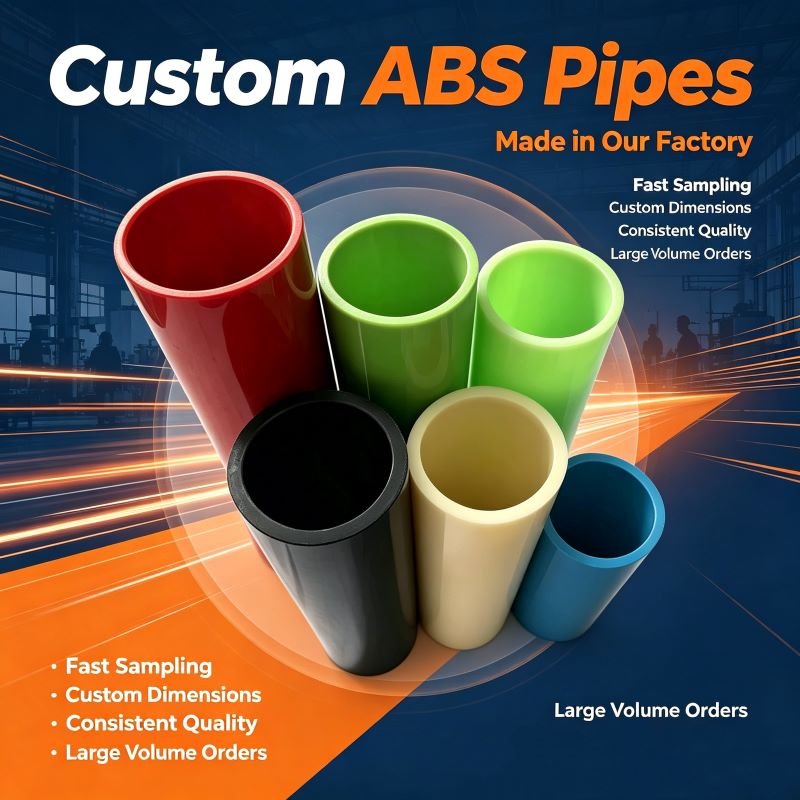
Acrylonitrile Butadiene Styrene (ABS) is a tougher engineering plastic with better impact resistance.
Advantages:
High impact strength, even at low temperatures
Better durability compared to PVC
Resistant to cracking under stress
Good surface finish and aesthetics
Disadvantages:
More expensive than PVC
Less flame-retardant unless modified
Applications:
Industrial wiring where mechanical impact is likely
Areas with moving machinery and vibration
High-traffic commercial buildings
2.3 PP Cable Trunking
Polypropylene (PP) is known for its chemical resistance and flexibility.
Advantages:
Excellent resistance to acids, alkalis, and solvents
High fatigue resistance (hinge effect)
Lightweight and easy to process
Lower density than PVC and ABS
Disadvantages:
Flammability is higher than PVC unless modified
Lower rigidity compared to PVC and ABS
Applications:
Chemical plants and laboratories
Food processing facilities
Projects requiring corrosion resistance
2.4 PC Cable Trunking
Polycarbonate (PC) is a premium engineering plastic with excellent toughness and transparency.
Advantages:
Extremely high impact resistance
Wide service temperature range (-40°C to +120°C)
UV-stabilized grades available
Very long service life in demanding environments
Disadvantages:
Higher cost compared to PVC and ABS
Heavier than PP
Applications:
Outdoor cable trunking exposed to sunlight
Harsh industrial environments
Projects requiring very high durability
2.5 Acrylic (PMMA) Cable Trunking
Polymethyl Methacrylate (PMMA or Acrylic) is sometimes used in decorative or transparent applications.
Advantages:
Excellent transparency and aesthetics
Good surface hardness and scratch resistance
Stable against UV light
Disadvantages:
Lower impact strength than PC
Brittle under high stress
Higher cost compared to PVC
Applications:
Decorative lighting and architectural cable management
Transparent covers for wiring systems
2.6 Metal Cable Trunking (Steel / Aluminum)
While plastic is dominant, metal trunking remains common in industrial and infrastructure projects.
Advantages:
Superior mechanical strength
Excellent fire resistance
High load-bearing capacity
Long lifespan in tough conditions
Disadvantages:
Heavy and more difficult to install
Higher material and labor costs
Requires corrosion protection (galvanization, powder coating)
Applications:
Heavy industry and factories
Power distribution rooms
Outdoor installations exposed to high heat

3. Side-by-Side Comparison Table
| Material | Strength | Fire Resistance | Resistencia a los rayos UV | Costo | Common Applications |
|---|---|---|---|---|---|
| CLORURO DE POLIVINILO | Bien | Self-extinguishing | Optional (UV grade) | Bajo | Residential, commercial, panels |
| ABS | Alto | Moderado | Bien | Medio | Industrial, high-traffic areas |
| PP | Medio | Low (unless modified) | Bien | Low-Medium | Chemical plants, food facilities |
| PC | Very High | Bien | Excelente | Alto | Outdoor, industrial, critical safety |
| PMMA (Acrylic) | Moderado | Moderado | Excelente | Alto | Decorative, transparent systems |
| Metal (Steel/Aluminum) | Very High | Excelente | Excelente | Alto | Heavy industry, power rooms |

4. Application Case Studies
Case 1: Office Building (PVC Trunking)
A multinational office project required cost-efficient cable management for both power and data cables. Canaletas para cables de PVC was selected for its balance of affordability, flame-retardancy, and easy installation. The project achieved fast installation and clean aesthetics.
Case 2: Manufacturing Plant (ABS Trunking)
In a factory environment with moving equipment and potential mechanical impact, Canalización ABS was chosen. Its high impact resistance prevented cracking and ensured long-term durability, reducing maintenance costs.
Case 3: Chemical Laboratory (PP Trunking)
A laboratory project required trunking resistant to corrosive chemicals. PP cable trunking was selected for its excellent chemical resistance, ensuring safe cable management even in acid/alkali-rich environments.
Case 4: Solar Power Installation (PC Trunking)
For a solar energy project with cables exposed to direct sunlight, UV-stabilized PC trunking was chosen. Its weather resistance and impact strength ensured a 20+ year service life outdoors.
Case 5: Data Center (Metal Trunking)
A large-scale data center needed trunking systems with maximum fire safety. Steel trunking was installed in critical areas, ensuring compliance with strict fire resistance standards.
5. How to Choose the Right Cable Trunking Material
When selecting cable trunking, consider:
Project Type – residential, commercial, industrial, infrastructure
Environment – indoor, outdoor, high temperature, chemical exposure
Safety Requirements – flame-retardancy, low-smoke halogen-free (LSHF) compliance
Budget – balance performance with cost efficiency
Customization Needs – branding, color, profile type
En SUDOESTE, we guide customers through this decision-making process and offer customized cable trunking solutions in PVC and other materials.


6. Why Choose SW as Your Cable Trunking Partner
As a leading cable trunking factory, SW provides:
20 years of extrusion expertise in PVC, ABS, PP, and PC trunking
Custom OEM/ODM services for global brands
Flame-retardant, UV-resistant, and chemical-resistant grades
Factory-direct pricing and strict quality control
Proven track record across residential, commercial, industrial, and infrastructure projects
The choice of cable trunking material is not one-size-fits-all
The choice of cable trunking material is not one-size-fits-all. PVC remains the most versatile and cost-effective option, while ABS, PP, PC, Acrylic, and Metal serve specialized needs in demanding environments.
By comparing properties and studying application cases, project managers can make informed decisions that balance safety, durability, and cost-efficiency.
Con 20 years of experience as a cable trunking factory, SW helps clients worldwide design and manufacture the right trunking solutions for their unique requirements.
We have a PVC cable trunking factory of skilled engineers ready to support you in your product development journey from idea design to production.Any ideas about your product you can contact us freely,and our engineers will get back to you with a quote asap. WhatsApp +86 188 2072 7151
¿Quién es Shuowei?
Desde 2006, Shuowei es una fábrica profesional de perfiles extruidos ubicada en Guangdong, China. Contamos con una plantilla de entre 51 y 100 personas. La fábrica de extrusión de PVC Shuowei se dedica al diseño y la producción de perfiles extruidos, como tuberías de PVC, canaletas de PE y zócalos de PVC. Desde sus inicios, nos hemos ganado el reconocimiento del mercado y la plena confianza de nuestros clientes gracias a nuestro ingenioso diseño, tecnología de vanguardia y la búsqueda constante de la calidad.
¿Es usted fabricante o comerciante?
Somos una empresa china de primera categoría. Perfiles de extrusión de PVC Somos fabricantes y nuestra fábrica está ubicada en Huizhou. Contamos con una planta de producción de 16 000 m², más de 5 líneas de producción automatizadas para perfiles de extrusión, una capacidad de producción anual de 30 000 toneladas y atendemos a más de 500 clientes en todo el mundo. ¡Le invitamos a visitar nuestra fábrica!
¿Cuál es su gama de productos?
Nos especializamos en el diseño y producción de alta calidad. perfiles de extrusión,tales como tuberías de PVC, extrusión de ABS, pantallas de lámparas de PC, zócalos de PVC, canaletas de PP, perfiles de PE…
¿Cuánto tiempo dura el proceso de desarrollo a medida?
Ofrecemos soporte para productos de extrusión personalizados. El proceso habitual consta de 4 pasos: confirmación de la demanda → diseño/prototipado 3D → certificación de pruebas → producción en masa (ciclo de 3 a 8 semanas).
¿Tienes alguna certificación internacional?
Hemos obtenido las certificaciones ISO 9001, CE, RoHS, SGS y otras, y cumplimos con los estándares principales de Europa, América, Oriente Medio y Asia.