



Panel de pared Se han convertido en un elemento esencial en el diseño de interiores, la arquitectura y la construcción modernos. Ya no son solo un elemento decorativo, sino que también cumplen una función práctica al proteger superficies, aislar ambientes y ofrecer durabilidad a largo plazo. Con una amplia gama de materiales disponibles, elegir el tipo de panel de pared adecuado depende de las necesidades del proyecto, el presupuesto y las preferencias de diseño.
Como SUDOESTE, un profesional PVC panel factory with over 20 years of extrusion experience, we understand that customers often want to compare different wall panel materials before making a choice. In this blog, we will introduce the most common wall panel materials, including PVC, wood, MDF, gypsum, metal, glass, fabric, WPC, and acrylic, and evaluate their advantages, disadvantages, and ideal applications.
1. PVC Wall Panel
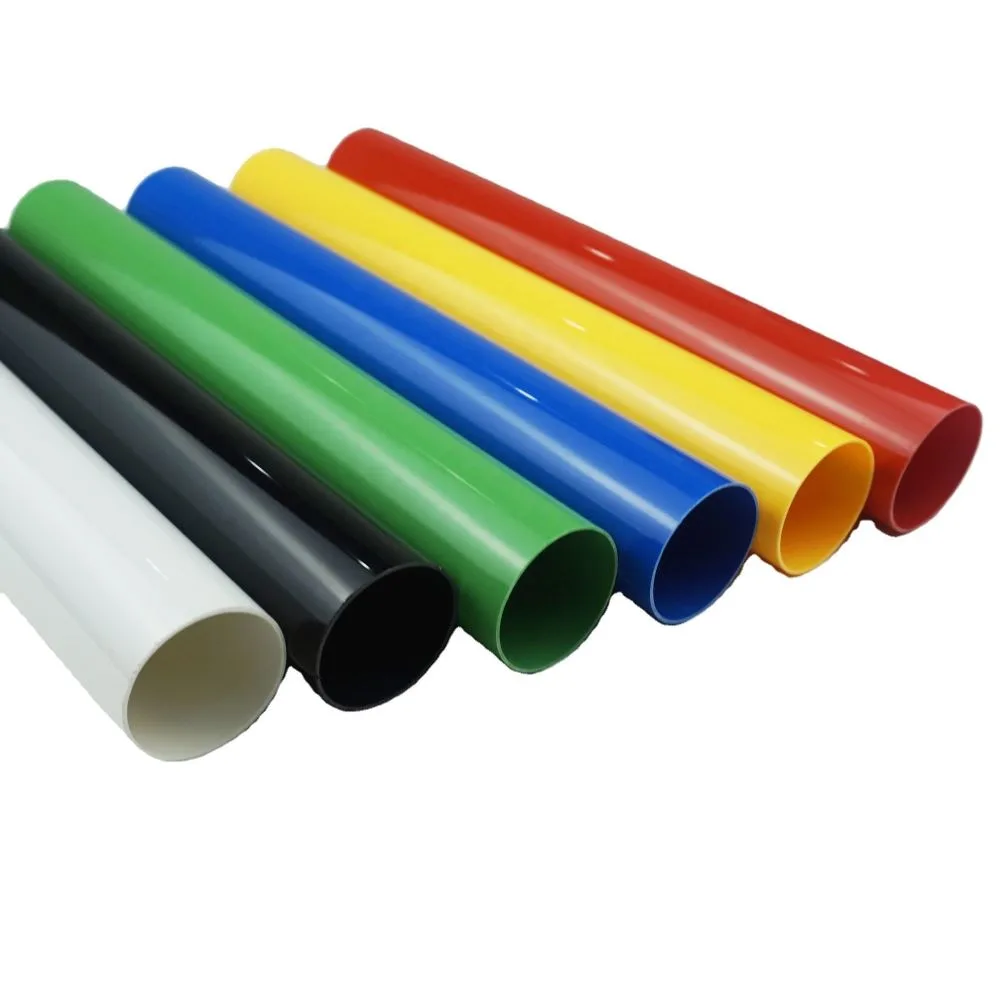
CLORURO DE POLIVINILO panel de pared is one of the most popular choices in both residential and commercial projects today. At SW, we have specialized in manufacturing PVC panels for decades, and the material’s benefits are widely recognized.
Key Features:
Lightweight and Durable: PVC panels are easy to handle and transport while still offering strength and long-term performance.
Moisture Resistance: Unlike wood, PVC panels are non-porous and do not absorb water, making them ideal for bathrooms, kitchens, and basements.
Easy to Clean: Smooth, non-stick surfaces allow simple cleaning with a damp cloth.
Fire Retardant: High-quality PVC panels can meet fire safety standards.
Design Versatility: Available in countless colors, textures, and patterns, including wood grain, marble, or glossy finishes.
Cost-Effective: Affordable compared to wood or glass.
Aplicaciones:
Bathrooms and washrooms
Kitchen backsplashes and walls
Office and retail interiors
Residential wall and ceiling decoration
Summary: PVC wall panels are a versatile, economical, and low-maintenance choice, making them one of the most widely used solutions in the global market.
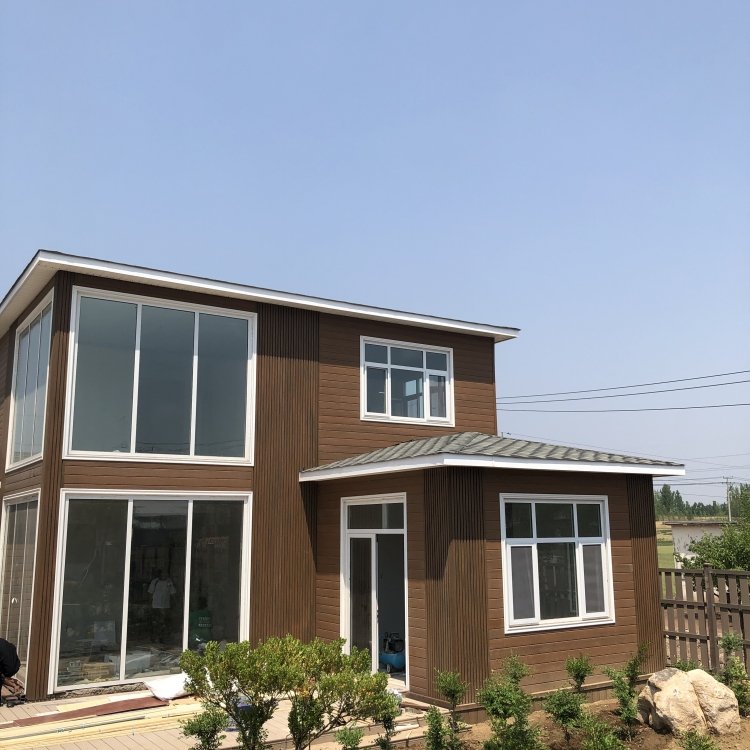
2. Wooden Wall Panel
Wood has been used in construction and decoration for centuries. It remains a premium choice for creating warmth and luxury in interiors.
Key Features:
Aesthetic Appeal: Natural wood grain provides timeless beauty and elegance.
Insulation: Wood offers good thermal and acoustic insulation.
Customizable: Can be carved, stained, or painted.
Limitations:
Moisture Sensitivity: Wood can swell, warp, or rot in humid environments.
Higher Cost: Premium hardwood panels can be expensive.
Maintenance Needs: Requires polishing or varnishing over time.
Aplicaciones:
Living rooms and bedrooms
High-end commercial spaces
Hotels, restaurants, and resorts
Summary: Wooden panels are best suited for luxury projects where natural aesthetics outweigh maintenance concerns.
3. MDF wall Panel
MDF (Medium Density Fiberboard) wall panel is engineered wood products made by compressing wood fibers with resin.
Key Features:
Smooth Surface: Ideal for painting or laminating.
Asequible: Cheaper than solid wood.
Custom Shapes: Easily cut and molded into decorative designs.
Limitations:
Moisture Vulnerability: Prone to swelling in wet areas.
Lower Strength: Not as durable as natural wood or PVC.
Aplicaciones:
Decorative wall cladding
Indoor paneling where humidity is controlled
Summary: MDF panels are an economical option for stylish interiors but should not be used in wet areas.
4. Gypsum Wall Panel
Gypsum (or plasterboard) wall panel is commonly used in construction for interior walls and ceilings.
Key Features:
Fire Resistant: Offers good fireproofing properties.
Smooth Finish: Provides a seamless surface for painting.
Sound Insulation: Effective for noise reduction.
Limitations:
Fragility: Can crack or chip under impact.
Moisture Sensitivity: Not suitable for wet areas unless treated.
Aplicaciones:
Residential walls and ceilings
Office partitions
Commercial interiors
Summary: Gypsum panels are a practical choice for standard construction projects but less suitable for high-humidity areas.

5. Metal Wall Panel
Metal wall panels, often made of aluminum or steel, are widely used in both industrial and modern architectural applications.
Key Features:
Durabilidad: Resistant to impact, pests, and weathering.
Modern Look: Provides a sleek and contemporary appearance.
Fireproof: Excellent fire resistance.
Limitations:
Costo: More expensive than PVC or MDF.
Acoustic Properties: May amplify noise unless insulated.
Aplicaciones:
Industrial facilities
Exterior wall cladding
High-tech or modern style interiors
Summary: Metal panels offer strength and aesthetics for projects requiring a modern or industrial appeal.
6. Glass Wall Panel
Glass is widely used for creating open, light-filled spaces.
Key Features:
Transparency: Maximizes natural light.
Estética: Sleek and elegant.
Easy Cleaning: Non-porous and smooth surface.
Limitations:
Fragility: Susceptible to breakage.
Costo: Can be expensive, especially tempered or frosted glass.
Privacy Concerns: Requires treatments like frosting or tinting.
Aplicaciones:
Offices and commercial interiors
Luxury residential spaces
Shower enclosures
Summary: Glass wall panel creates openness but are not ideal for high-traffic or impact-prone areas.
7. Fabric Wall Panel
Fabric-covered panels are primarily used for acoustic and decorative purposes.
Key Features:
Sound Absorption: Excellent for improving room acoustics.
Aesthetic Variety: Wide range of colors, patterns, and textures.
Comfortable Look: Adds warmth and softness.
Limitations:
Maintenance: Can absorb dust and stains.
Durabilidad: Less resistant to wear and tear.
Aplicaciones:
Theaters and recording studios
Hotels and luxury interiors
Residential feature walls
Summary: Fabric panels are ideal for acoustic performance and soft aesthetics but require higher maintenance.
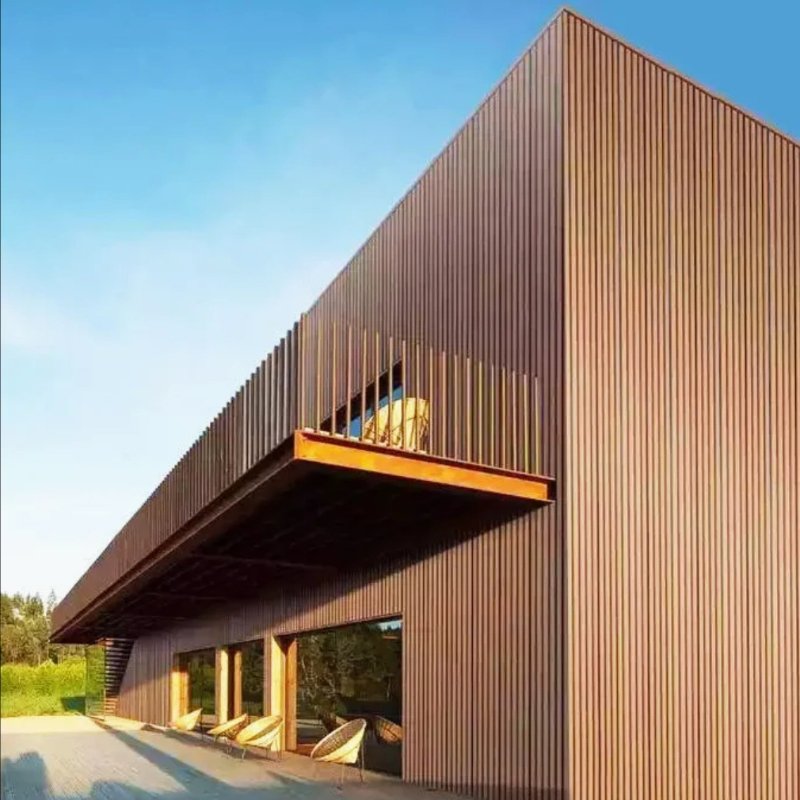
8. WPC (Wood-Plastic Composite) Wall Panels
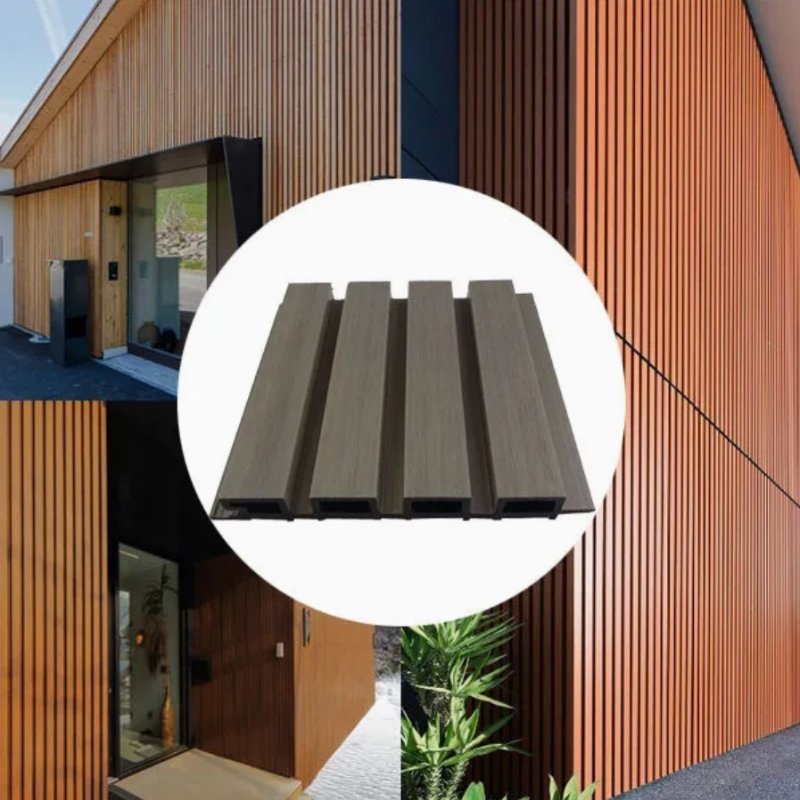
WPC wall panel combine wood fiber and thermoplastic resin, offering a balance between natural beauty and durability.
Key Features:
Moisture Resistant: Better than MDF or wood.
Eco-Friendly: Often made from recycled materials.
Durabilidad: Resistant to insects and decay.
Limitations:
Costo: Higher than PVC but lower than solid wood.
Limited Designs: Not as customizable as PVC.
Aplicaciones:
Outdoor cladding
Bathrooms and kitchens
Eco-conscious projects
Summary: WPC wall panels are a sustainable and durable alternative for both indoor and outdoor use.
9. Acrylic Wall Panel
Acrylic wall panel is lightweight plastic sheets with high clarity and brightness.
Key Features:
Glossy Finish: Bright and reflective surfaces.
Moisture Resistance: Suitable for wet areas.
Custom Colors: Wide design flexibility.
Limitations:
Scratch Sensitivity: Can be easily damaged by sharp objects.
Higher Cost: More expensive than PVC.
Aplicaciones:
Kitchen backsplashes
Bathroom walls
Decorative partitions
Summary: Acrylic wall panels provide a modern, glossy finish but may require more careful handling.
Comparative Overview of Wall Panel Materials
| Material | Costo | Durabilidad | Moisture Resistance | Resistencia al fuego | Maintenance | Aesthetic Options | Aplicaciones |
|---|---|---|---|---|---|---|---|
| CLORURO DE POLIVINILO | Bajo | Alto | Excelente | Bien | Bajo | Wide range | Bathrooms, kitchens, interiors |
| Wood | Alto | High (indoors) | Pobre | Fair | Alto | Natural, luxury | Living rooms, resorts |
| MDF | Bajo | Medio | Pobre | Fair | Medio | Paint/laminate | Decorative indoor walls |
| Gypsum | Medio | Medio | Pobre | Bien | Medio | Smooth finish | Walls, ceilings |
| Metal | Alto | Muy Alto | Excelente | Excelente | Bajo | Modern/industrial | Exteriors, factories |
| Glass | Alto | Medio | Excelente | Fair | Bajo | Transparent, sleek | Offices, luxury homes |
| Fabric | Medio | Medio | Pobre | Fair | Alto | Color/texture variety | Theaters, hotels |
| WPC | Medio | Alto | Bien | Bien | Bajo | Limited | Eco-friendly interiors/exteriors |
| Acrylic | Medium-High | Medio | Bien | Fair | Medio | Glossy, vibrant | Kitchens, bathrooms |
How to Choose the Right Wall Panel Material
When selecting wall panels, consider the following factors:
Ambiente: Wet areas like bathrooms and kitchens require water-resistant panels (PVC, acrylic, WPC).
Presupuesto: PVC and MDF panels are cost-effective; wood and glass panels are more premium.
Aesthetic Preference: Choose wood for natural luxury, fabric for warmth, metal for modernity, or PVC for versatile designs.
Maintenance Needs: PVC and metal panels require minimal maintenance, while wood and fabric need more care.
Functionality: For soundproofing, fabric panels are ideal; for fire safety, gypsum or metal panels are better.
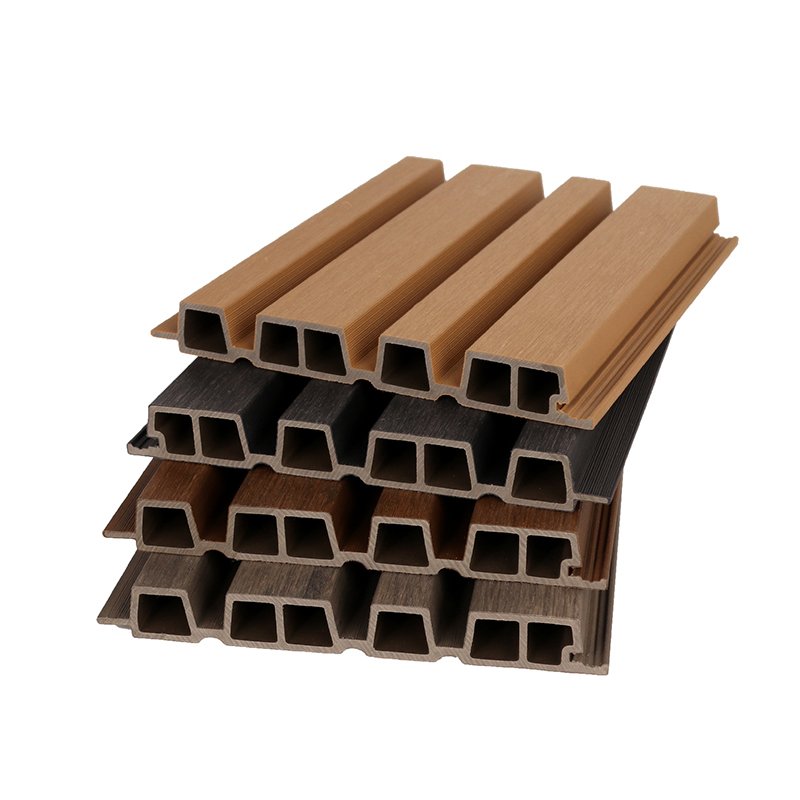
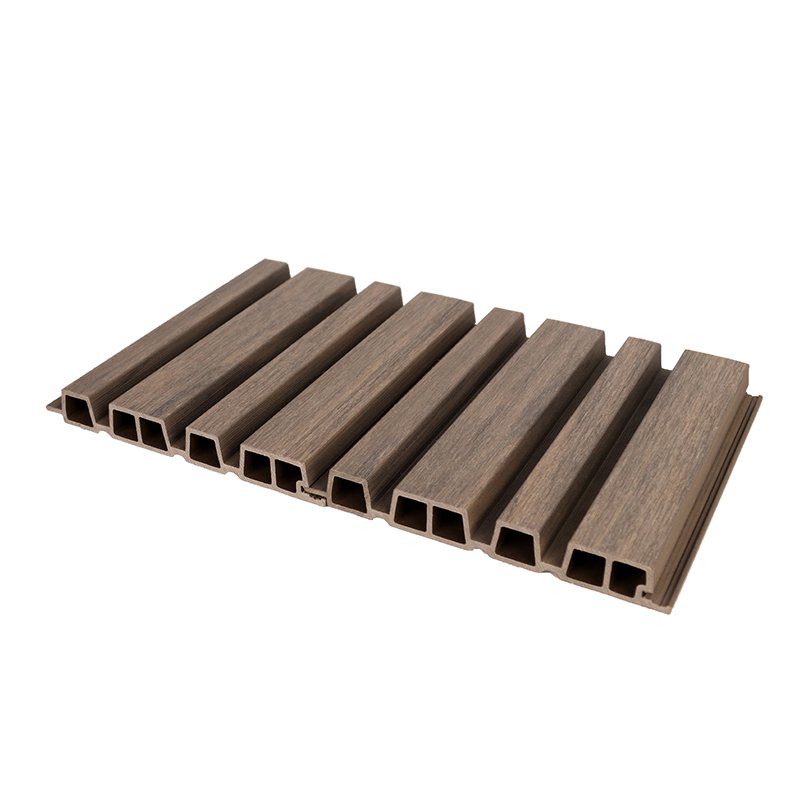
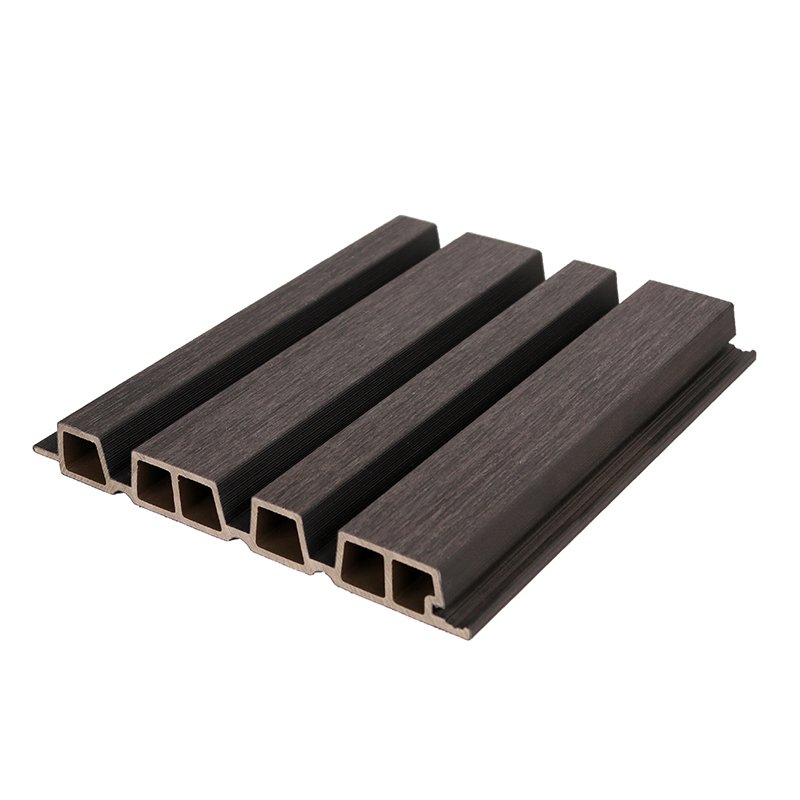
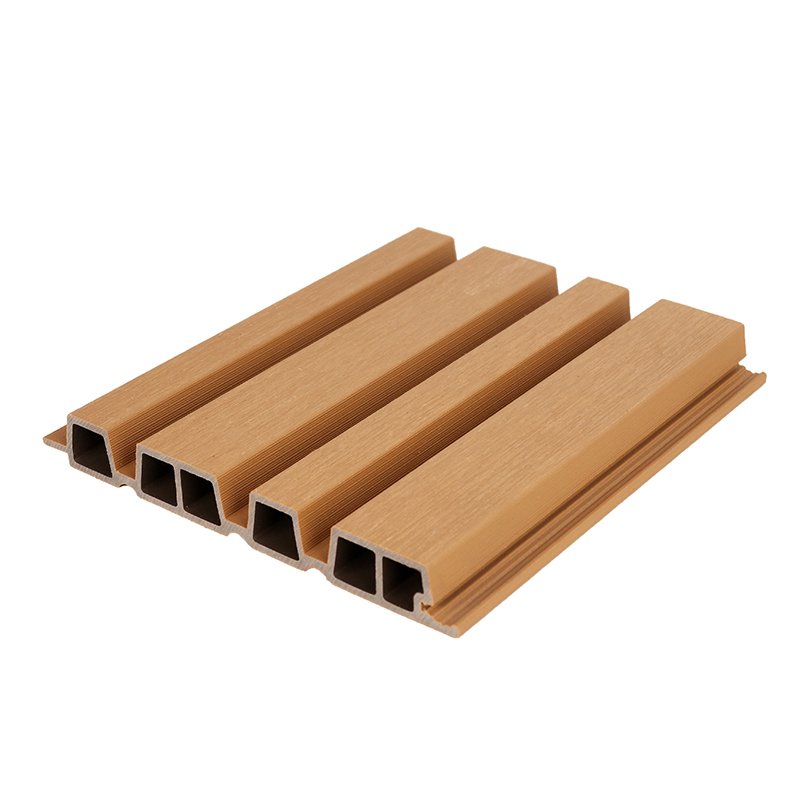
Wall panels come in a wide variety of materials
Wall panels come in a wide variety of materials, each offering unique advantages and limitations. paneles de PVC stand out as one of the most versatile, affordable, and practical choices, especially for moisture-prone and high-traffic areas. At SUDOESTE, with over 20 years of manufacturing experience, we specialize in producing high-quality paneles de PVC that combine durability, aesthetics, and cost-effectiveness.
Whether you are designing a modern home, upgrading commercial interiors, or planning a specialized project, understanding the strengths of each material will help you make the best choice.
Contamos con una fábrica de tuberías de PVC y un equipo de ingenieros altamente cualificados, listos para apoyarle en el desarrollo de su producto, desde el diseño inicial hasta la producción. Si tiene alguna idea sobre su producto, no dude en contactarnos; nuestros ingenieros le enviarán un presupuesto lo antes posible. WhatsApp +86 188 2072 7151
¿Quién es Shuowei?
Desde 2006, Shuowei es una fábrica profesional de perfiles extruidos ubicada en Guangdong, China. Contamos con una plantilla de entre 51 y 100 personas. La fábrica de extrusión de PVC Shuowei se dedica al diseño y la producción de perfiles extruidos, como tuberías de PVC, canaletas de PE y zócalos de PVC. Desde sus inicios, nos hemos ganado el reconocimiento del mercado y la plena confianza de nuestros clientes gracias a nuestro ingenioso diseño, tecnología de vanguardia y la búsqueda constante de la calidad.
¿Es usted fabricante o comerciante?
Somos una empresa china de primera categoría. Perfiles de extrusión de PVC Somos fabricantes y nuestra fábrica está ubicada en Huizhou. Contamos con una planta de producción de 16 000 m², más de 5 líneas de producción automatizadas para perfiles de extrusión, una capacidad de producción anual de 30 000 toneladas y atendemos a más de 500 clientes en todo el mundo. ¡Le invitamos a visitar nuestra fábrica!
¿Cuál es su gama de productos?
Nos especializamos en el diseño y producción de alta calidad. perfiles de extrusión,tales como tuberías de PVC, extrusión de ABS, pantallas de lámparas de PC, zócalos de PVC, canaletas de PP, perfiles de PE…
¿Cuánto tiempo dura el proceso de desarrollo a medida?
Ofrecemos soporte para productos de extrusión personalizados. El proceso habitual consta de 4 pasos: confirmación de la demanda → diseño/prototipado 3D → certificación de pruebas → producción en masa (ciclo de 3 a 8 semanas).
¿Tienes alguna certificación internacional?
Hemos obtenido las certificaciones ISO 9001, CE, RoHS, SGS y otras, y cumplimos con los estándares principales de Europa, América, Oriente Medio y Asia.