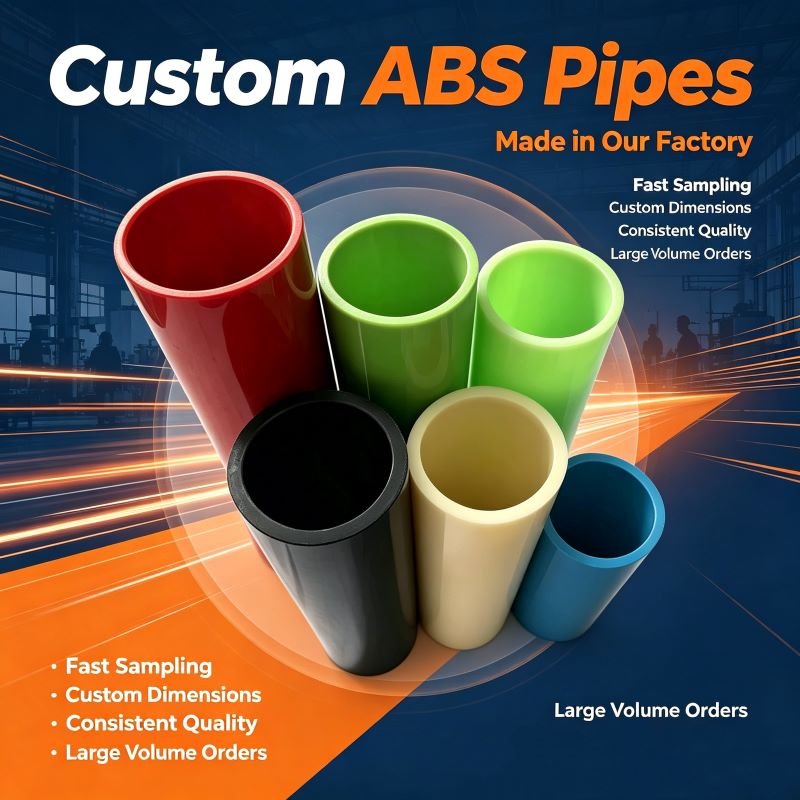




In today’s global sourcing environment, buyers of plastic pipes face a critical challenge: ensuring that the plastic pipes material they purchase meets the required quality standards.
While reputable suppliers provide certified materials, not all manufacturers operate with the same level of integrity. Some may substitute recycled material for virgin material in plastic pipes, leading to performance issues, reduced lifespan, and even project failure.
The problem is that laboratory testing—such as DSC (Differential Scanning Calorimetry), FTIR analysis, or melt flow index testing—can be expensive and time-consuming. Not every buyer has access to such facilities.
So how can you verify plastic pipes material quality quickly and effectively?
As a professional plastic pipes manufacturer with over 20 years of experience, SW provides this practical, field-tested guide to help buyers identify plastic pipes material purity using simple inspection methods, sample testing, and engineering judgment.
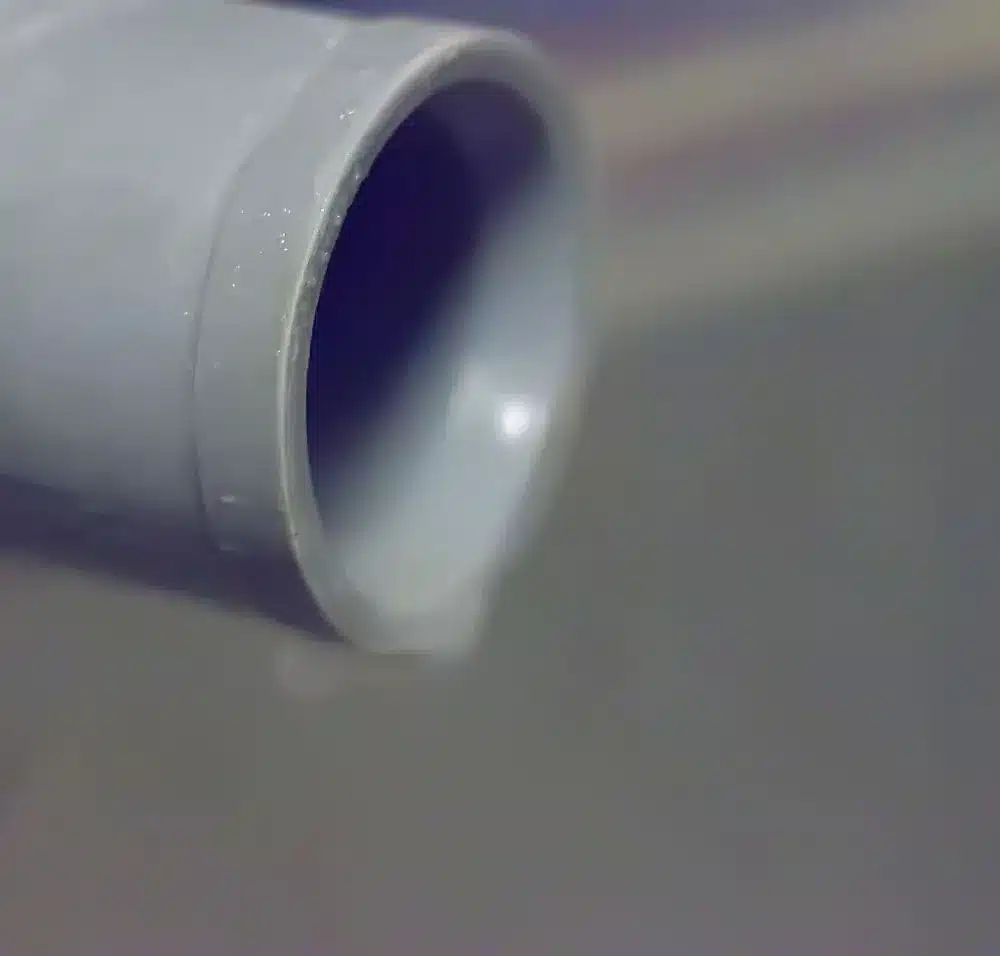
Why Plastic Pipes Material Quality Matters
The quality of plastic pipes material directly affects:
- Mechanical strength
- Pressure resistance
- Chemical stability
- Service life
- Safety compliance
A professional fábrica de tuberías de plástico always prioritizes material consistency because even small amounts of recycled content can significantly alter performance.
Virgin vs Recycled Plastic Pipes Material
Virgin Material
- Made from new polymer resin
- Consistent molecular structure
- High mechanical strength
- Stable performance
Recycled Material
- Derived from reprocessed plastics
- Variable composition
- Possible contamination
- Reduced strength and durability
Understanding this difference is essential when evaluating plastic pipes material.
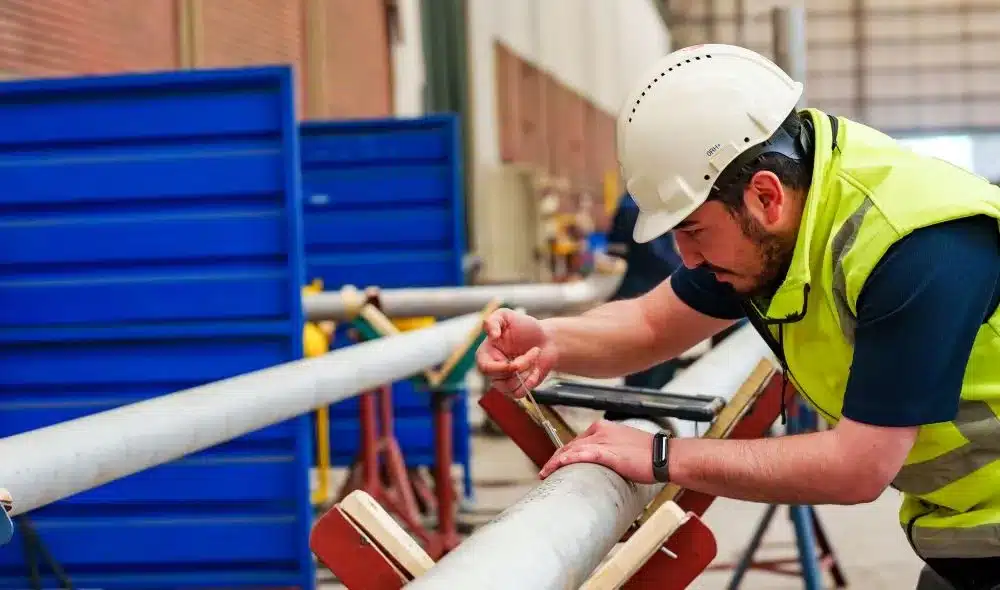
Common Risks of Using Low-Quality Plastic Pipes Material
When a plastic pipes manufacturer uses excessive recycled material:
- Pipes may crack under pressure
- Reduced UV resistance
- Shortened lifespan
- Inconsistent dimensions
For critical applications, this can lead to significant financial losses.
How to Identify Plastic Pipes Material Without Laboratory Testing
Below are practical methods that can be performed on-site or using sample evaluation.
1. Visual Inspection of Plastic Pipes Material
Visual inspection is the simplest and fastest way to evaluate plastic pipes material.
What to Look For
Surface Finish
- Virgin plastic pipes: smooth, glossy surface
- Recycled material: rough, dull, uneven
Color Consistency
- High-quality plastic pipes material: uniform color
- Recycled: color variation, spots, or streaks
Cross-Section
Cut the pipe and observe:
- Clean, dense structure → good material
- Visible particles or bubbles → recycled content
A professional fábrica de tuberías de plástico ensures consistent appearance across batches.
2. Smell Test for Plastic Pipes Material
Although simple, smell can reveal useful clues.
Method
- Slightly heat or rub the pipe
- Smell the emitted odor
Interpretation
- Virgin plastic pipes material: mild or neutral smell
- Recycled material: strong, unpleasant, or burnt odor
This is especially useful for PVC and PE pipes.
3. Density and Weight Comparison
Density can indicate plastic pipes material composition.
Method
- Weigh pipes of identical dimensions
- Compare weight differences
Observation
- Virgin material → consistent weight
- Recycled material → irregular density
Un confiable plastic pipes manufacturer maintains tight weight tolerances.
4. Impact and Flexibility Test
Method
- Drop test (low height)
- Bend or flex the pipe
Results
- High-quality plastic pipes material: flexible, resistant to cracking
- Recycled material: brittle, cracks easily
This test is especially effective for PE and ABS pipes.
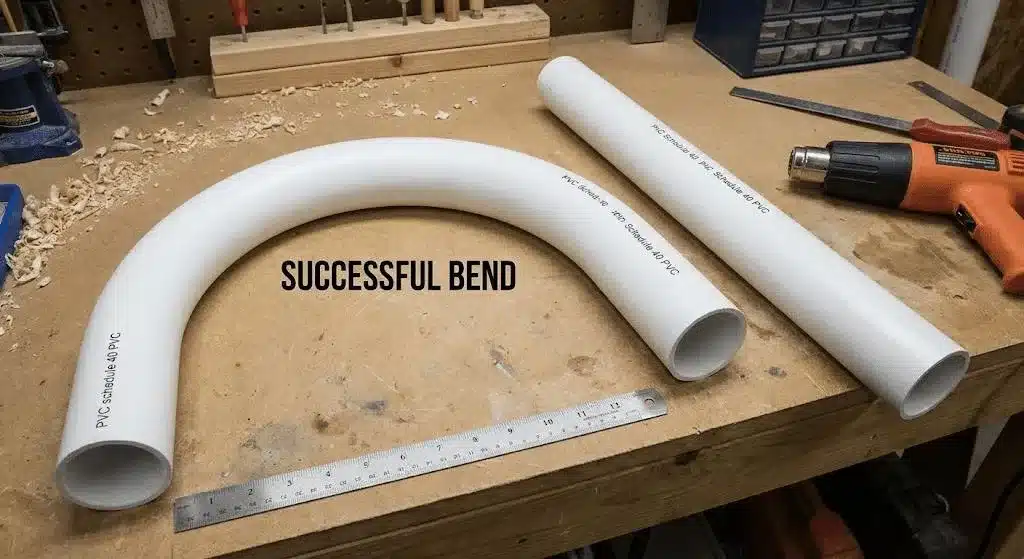
5. Heat Resistance Test
Method
- Apply moderate heat (heat gun or hot water)
Observation
- Virgin plastic pipes material: maintains shape longer
- Recycled material: deforms quickly
This indicates molecular stability.
6. Cutting and Machining Test
Method
- Cut the pipe using a blade or saw
Results
- Clean cut surface → high-quality plastic pipes material
- Rough edges, tearing → recycled content
7. Sound Test
Method
- Tap the pipe lightly
Interpretation
- Clear, solid sound → dense material
- Dull or hollow sound → lower material quality
8. Transparency and Light Test (for certain plastics)
Method
- Shine light through thin sections
Observation
- Uniform transmission → consistent material
- Uneven scattering → impurities
9. Supplier Documentation Verification
A professional plastic pipes manufacturer should provide:
- Raw material certificates
- Production records
- Batch traceability
Lack of documentation is a red flag.
10. Sample Comparison with Known Standards
Compare with samples from a trusted fábrica de tuberías de plástico like SW.
Approach
- Benchmark unknown samples
- Evaluate differences in appearance and performance
Combining Multiple Methods for Accurate Judgment
No single method is perfect. A professional evaluation combines:
- Visual inspection
- Mechanical testing
- Comparative analysis
This multi-step approach increases accuracy when assessing plastic pipes material.
Limitations of Non-Laboratory Testing
While practical, these methods have limitations:
- Cannot quantify exact recycled percentage
- May not detect chemical contamination
- Requires experience and judgment
For critical applications, laboratory testing is still recommended.
How SW Ensures Plastic Pipes Material Quality
As a trusted plastic pipes manufacturer, SW implements strict quality control:
Raw Material Selection
- Certified virgin resin suppliers
- Controlled recycled content (if applicable)
Production Monitoring
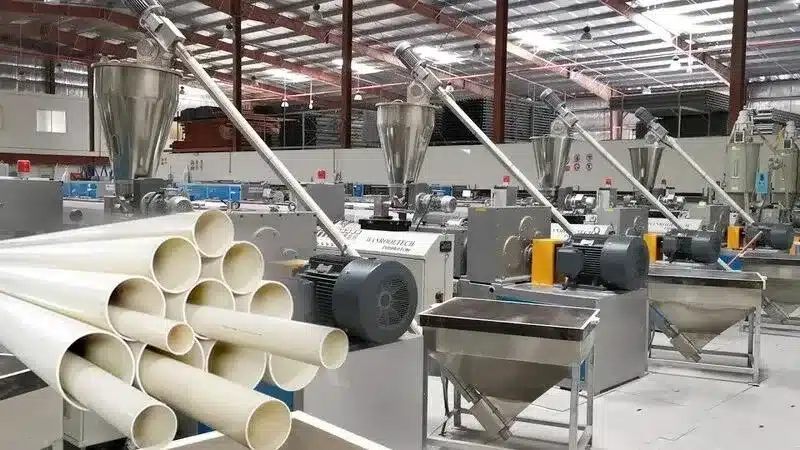
- Real-time extrusion control
- Consistent temperature and pressure
Quality Inspection
- Dimensional checks
- Mechanical testing
- Surface inspection
Transparency with Customers
As a professional fábrica de tuberías de plástico, SW provides:
- Material traceability
- Test reports
- Sample verification
Practical Tips for Buyers of Plastic Pipes
When sourcing plastic pipes material, follow these guidelines:
Request Samples Before Bulk Orders
Always evaluate physical samples.
Work with Reliable Manufacturers
Choose experienced plastic pipes manufacturers with proven track records.
Avoid Unrealistically Low Prices
Extremely low prices often indicate use of recycled material.
Conduct On-Site Inspection
If possible, visit the fábrica de tuberías de plástico.
Real-World Case: Avoiding Material Substitution
A client once sourced plastic pipes at a lower price from another supplier.
After simple testing:
- Surface inconsistency detected
- Strong odor observed
- Brittle performance
They switched to SW, ensuring consistent plastic pipes material quality and avoiding project failure.
Future Trends in Plastic Pipes Material Verification
The industry is evolving toward:
- Portable testing devices
- AI-based quality inspection
- Blockchain material traceability
However, practical field methods will remain essential.
Smart Verification of Plastic Pipes Material
Ensuring the quality of plastic pipes material is critical for performance, safety, and cost control.
Even without expensive laboratory testing, buyers can use:
- Visual inspection
- Physical testing
- Comparative analysis
to make informed decisions.
Working with a trusted plastic pipes manufacturer like SW further reduces risk and ensures consistent quality.
In global sourcing, knowledge is your best protection against material substitution—and your key to long-term success.
Contamos con una fábrica de tuberías de PVC y un equipo de ingenieros altamente cualificados, listos para apoyarle en el desarrollo de su producto, desde el diseño inicial hasta la producción. Si tiene alguna idea sobre su producto, no dude en contactarnos; nuestros ingenieros le enviarán un presupuesto lo antes posible. WhatsApp +86 188 2072 7151
¿Quién es Shuowei?
Desde 2006, Shuowei es una fábrica profesional de perfiles extruidos ubicada en Guangdong, China. Contamos con una plantilla de entre 51 y 100 personas. La fábrica de extrusión de PVC Shuowei se dedica al diseño y la producción de perfiles extruidos, como tuberías de PVC, canaletas de PE y zócalos de PVC. Desde sus inicios, nos hemos ganado el reconocimiento del mercado y la plena confianza de nuestros clientes gracias a nuestro ingenioso diseño, tecnología de vanguardia y la búsqueda constante de la calidad.
¿Es usted fabricante o comerciante?
Somos una empresa china de primera categoría. Perfiles de extrusión de PVC Somos fabricantes y nuestra fábrica está ubicada en Huizhou. Contamos con una planta de producción de 16 000 m², más de 5 líneas de producción automatizadas para perfiles de extrusión, una capacidad de producción anual de 30 000 toneladas y atendemos a más de 500 clientes en todo el mundo. ¡Le invitamos a visitar nuestra fábrica!
¿Cuál es su gama de productos?
Nos especializamos en el diseño y producción de alta calidad. perfiles de extrusión,tales como tuberías de PVC, extrusión de ABS, pantallas de lámparas de PC, zócalos de PVC, canaletas de PP, perfiles de PE…
¿Cuánto tiempo dura el proceso de desarrollo a medida?
Ofrecemos soporte para productos de extrusión personalizados. El proceso habitual consta de 4 pasos: confirmación de la demanda → diseño/prototipado 3D → certificación de pruebas → producción en masa (ciclo de 3 a 8 semanas).
¿Tienes alguna certificación internacional?
Hemos obtenido las certificaciones ISO 9001, CE, RoHS, SGS y otras, y cumplimos con los estándares principales de Europa, América, Oriente Medio y Asia.