



Piping systems are integral to construction, plumbing, and industrial operations. The materials used to manufacture pipes directly influence the system’s performance, cost, and longevity. When choosing between different pipe materials, considerations such as durability, resistance to environmental factors, ease of installation, and cost-effectiveness all play a crucial role.tuberías de PVC have become a widely favored choice, but other materials, such as metals like copper, steel, and cast iron, also have their place in piping systems. Understanding the strengths and weaknesses of each option can help you make an informed decision.
This blog will compare tuberías de PVC with metal pipes (including copper, steel, and cast iron), explore other materials like PEX y HDPE, and provide insights on how to choose the most suitable pipe material for your needs.
1.PVC Pipes vs. Metal Pipes: A Comprehensive Comparison
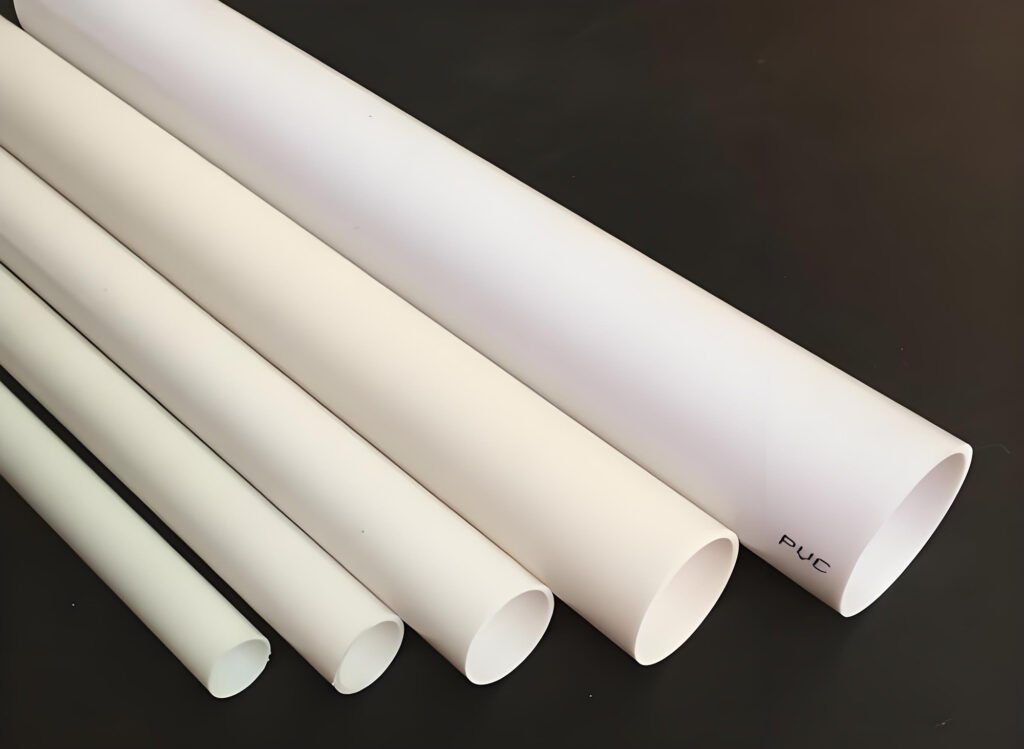
tuberías de PVC are a synthetic plastic piping material that is lightweight, corrosion-resistant, and cost-effective. Metal pipes, including copper, steel, y cast iron, have been in use for centuries and are known for their strength and durability. Let’s dive into the key features of each and compare them in more detail.
1.1 PVC Pipes
Advantages of PVC Pipes:
Corrosion Resistance: PVC pipes do not corrode, making them ideal for systems exposed to moisture and water. Unlike metal pipes, they won’t rust or degrade over time.
Lightweight: PVC is much lighter than metal pipes, which makes transportation, handling, and installation significantly easier and less expensive.
Cost-Effective: PVC pipes are relatively inexpensive compared to metal options, offering significant savings in both material and labor costs.
Facilidad de instalación: PVC pipes are easy to cut, fit, and join, usually with a solvent cement or push-fit system, making installation quicker and more straightforward.
Low Maintenance: Once installed, PVC pipes require minimal maintenance and are resistant to many common environmental factors that can damage metal pipes, such as rust or scale buildup.
Disadvantages of PVC Pipes:
Temperature Sensitivity: PVC pipes can become brittle in extremely cold temperatures and may not be suitable for high-temperature applications (e.g., steam systems).
Strength Limitations: While durable for most applications, PVC may not be as strong as metal pipes in high-pressure or heavy-duty environments.
1.2 Metal Pipes (Steel, Copper, and Cast Iron)
Advantages of Metal Pipes:
Strength and Durability: Metal pipes, such as copper and steel, are much stronger than PVC pipes. They can withstand higher pressures and are better suited for industrial and heavy-duty applications.
High Temperature Resistance: Metal pipes, particularly copper, can handle high temperatures, making them suitable for heating systems, hot water pipes, and steam applications.
Long Lifespan: With proper maintenance, metal pipes can last a long time. For example, copper pipes can last up to 50 years or more, and steel pipes can last several decades.
Aesthetic Appeal: Copper pipes, in particular, are valued for their aesthetic qualities in residential systems and exposed piping installations.
Disadvantages of Metal Pipes:
Corrosion Risk: Metal pipes, particularly iron and steel, are prone to rust and corrosion over time. This is especially problematic in water systems or where the pipes are exposed to moisture. Copper pipes, though resistant to corrosion, can develop issues like pitting in high-velocity water systems.
Weight: Metal pipes are significantly heavier than PVC, which makes transportation, handling, and installation more costly and challenging.
Costo: Copper and steel pipes are generally more expensive than PVC pipes, both in terms of materials and labor costs.
1.3 Cost Comparison
Tubos de PVC: PVC is among the most cost-effective pipe materials available. The material itself is relatively inexpensive, and because PVC pipes are lightweight and easy to install, labor costs tend to be lower.
Metal Pipes: Copper, steel, and cast iron pipes are significantly more expensive than PVC, both in terms of material costs and installation labor. For example, copper pipes can be up to 10 times more expensive than PVC pipes.
1.4 Durability and Lifespan
Tubos de PVC: Typically, PVC pipes have a lifespan of around 25-50 years, depending on the application and environmental conditions. They are less prone to damage from environmental factors, making them ideal for outdoor and underground installations.
Metal Pipes: The lifespan of metal pipes varies significantly. Copper pipes can last up to 50 years, while steel pipes last 20-50 years, depending on maintenance. Cast iron pipes, though durable, may have a shorter lifespan due to rust and corrosion.
1.5 Resistance to Corrosion and Environmental Factors
Tubos de PVC: PVC is highly resistant to corrosion, rust, and chemical damage, making it ideal for water and sewage systems. It’s also resistant to UV light and weathering, though it may become brittle when exposed to extreme cold.
Metal Pipes: Metal pipes are highly susceptible to corrosion, especially iron and steel, when exposed to water and air. Corrosion can lead to pipe failure and costly repairs. Copper is more resistant to corrosion, but in some conditions, it can still develop pitting.
1.6 Flexibility and Installation Ease
Tubos de PVC: PVC is lightweight and easy to handle, which makes it quick to install. The process typically involves cutting the pipe, cleaning the edges, applying primer and cement, and joining the pipes. PVC pipes also require fewer tools and don’t need welding or threading like metal pipes.
Metal Pipes: Metal pipes, especially steel and cast iron, are heavier and more difficult to cut, handle, and install. Installation typically requires welding, threading, or joining with specialized fittings. The process is slower and often requires skilled labor.
1.7 Applications: Where Each Material Excels
Tubos de PVC: Ideal for residential plumbing, irrigation, drainage, sewage systems, and low-pressure applications. They are also widely used in HVAC systems and electrical conduit applications.
Metal Pipes: Best suited for high-pressure systems, heating systems, gas lines, and industrial applications. Copper is also often used in domestic plumbing for its high resistance to bacterial growth and its antimicrobial properties.

2. Other Pipe Materials: Plastic, Concrete, and More
In addition to PVC and metal pipes, there are other materials used for specific applications.
2.1 PEX Pipes
PEX (Cross-linked Polyethylene) is a flexible plastic piping material that is increasingly popular for residential plumbing. It is lightweight, easy to install, and resistant to corrosion and scaling. However, it is not as strong as metal pipes and is best used for low to medium pressure applications.
2.2 Concrete Pipes
Concrete pipes are typically used for large-diameter applications such as stormwater and sewer systems. While they are durable and can withstand high pressure, they are heavy, difficult to install, and prone to cracking under certain conditions.
2.3 HDPE Pipes
HDPE (High-Density Polyethylene) pipes are used in a variety of applications, from water distribution to gas and sewage systems. They are resistant to corrosion, UV light, and environmental stresses. HDPE is flexible and easy to install but is less suitable for high-pressure applications compared to metal pipes.
2.4 ABS Pipes
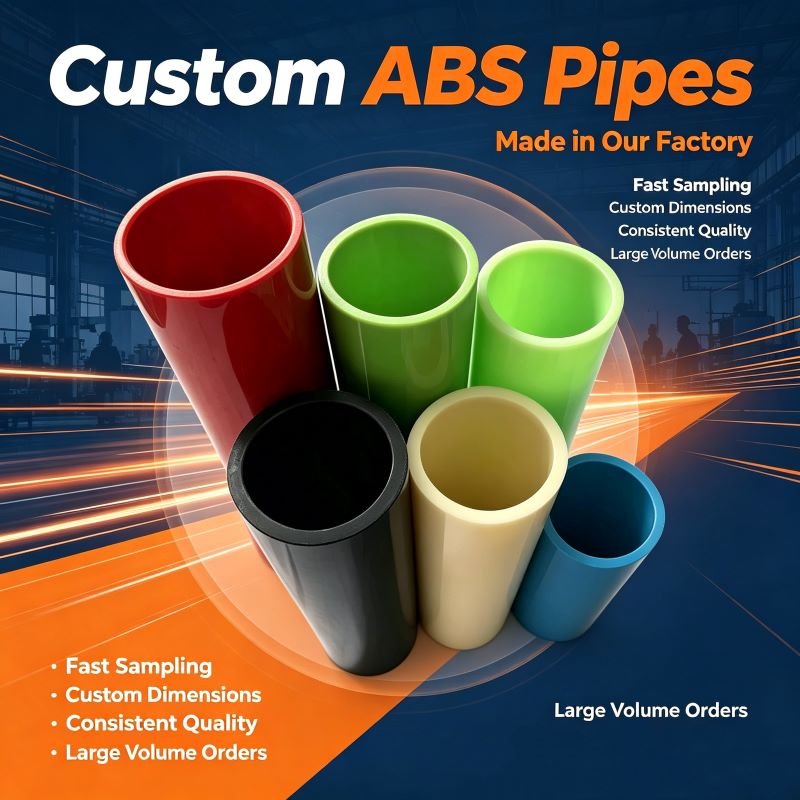
ABS (Acrylonitrile Butadiene Styrene) pipes are similar to PVC pipes but are typically used in waste and drain systems. They are lightweight, easy to install, and resistant to chemical corrosion, but they can be more brittle in low temperatures.
3. How to Choose the Right Pipe Material for Your Project
Choosing the right material depends on several factors:
Application Type: Consider whether the pipe will be used for water, sewage, gas, or heating. Metal pipes are ideal for high-pressure and heating systems, while PVC and PEX are more suitable
Cost Constraints: PVC pipes are the most affordable option for most projects, while metal pipes tend to be more expensive.
Environmental Conditions: If the pipe will be exposed to extreme temperatures, metal pipes (especially copper) may be necessary. For underground or outdoor installations, PVC offers superior protection against corrosion.
Maintenance: PVC pipes require less maintenance than metal pipes, making them ideal for long-term, low-maintenance applications.
Choosing the right PVC pipes manufacturer
Choosing the right pipe material is crucial for the success of your project. tuberías de PVC offer numerous advantages, including cost-effectiveness, ease of installation, and resistance to corrosion. However, metal pipes are better suited for high-pressure systems, heating applications, and when strength is essential.
Choosing the right pipe material is crucial for the success of your project. PVC pipes offer numerous advantages, including cost-effectiveness, ease of installation, and resistance to corrosion. However, metal pipes are better suited for high-pressure systems, heating applications, and when strength is essential.
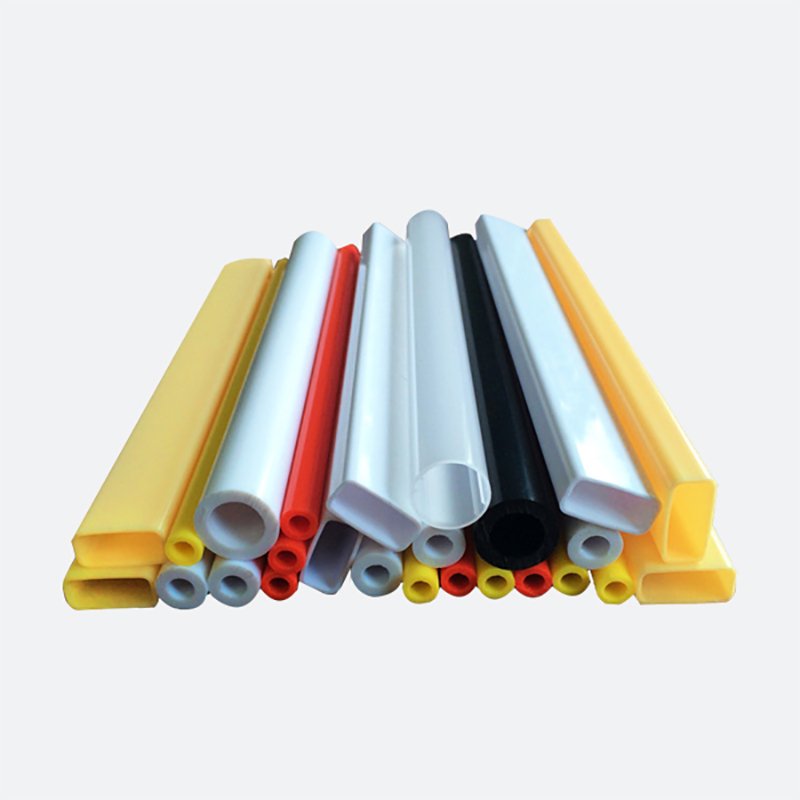
By considering your specific needs, environmental conditions, and budget, you can make the best decision for your project.Huizhou Shuowei New Material Technology was established in 2006 and has been deeply involved in the PVC plastic extrusion industry for 20 years. SW focuses on the research and development and production of special-shaped materials, PVC pipes and functional plastic products made of polymer materials such as PVC,ABS,PE,PP,PA,PMMA.
SW’s PVC pipes are an excellent choice for residential, commercial, and industrial applications, offering the durability and reliability you need at an affordable price.
Contamos con una fábrica de tuberías de PVC y un equipo de ingenieros altamente cualificados, listos para apoyarle en el desarrollo de su producto, desde el diseño inicial hasta la producción. Si tiene alguna idea sobre su producto, no dude en contactarnos; nuestros ingenieros le enviarán un presupuesto lo antes posible. WhatsApp +86 188 2072 7151
¿Quién es Shuowei?
Desde 2006, Shuowei es una fábrica profesional de perfiles extruidos ubicada en Guangdong, China. Contamos con una plantilla de entre 51 y 100 personas. La fábrica de extrusión de PVC Shuowei se dedica al diseño y la producción de perfiles extruidos, como tuberías de PVC, canaletas de PE y zócalos de PVC. Desde sus inicios, nos hemos ganado el reconocimiento del mercado y la plena confianza de nuestros clientes gracias a nuestro ingenioso diseño, tecnología de vanguardia y la búsqueda constante de la calidad.
¿Es usted fabricante o comerciante?
Somos una empresa china de primera categoría. Perfiles de extrusión de PVC Somos fabricantes y nuestra fábrica está ubicada en Huizhou. Contamos con una planta de producción de 16 000 m², más de 5 líneas de producción automatizadas para perfiles de extrusión, una capacidad de producción anual de 30 000 toneladas y atendemos a más de 500 clientes en todo el mundo. ¡Le invitamos a visitar nuestra fábrica!
¿Cuál es su gama de productos?
Nos especializamos en el diseño y producción de alta calidad. perfiles de extrusión,tales como tuberías de PVC, extrusión de ABS, pantallas de lámparas de PC, zócalos de PVC, canaletas de PP, perfiles de PE…
¿Cuánto tiempo dura el proceso de desarrollo a medida?
Ofrecemos soporte para productos de extrusión personalizados. El proceso habitual consta de 4 pasos: confirmación de la demanda → diseño/prototipado 3D → certificación de pruebas → producción en masa (ciclo de 3 a 8 semanas).
¿Tienes alguna certificación internacional?
Hemos obtenido las certificaciones ISO 9001, CE, RoHS, SGS y otras, y cumplimos con los estándares principales de Europa, América, Oriente Medio y Asia.