PVC pipes PVC Trunking PC Lampshade ABS Extrusion PVC Panels PVC Skirting Line PVC Extrusion Profiles

Customized & designed

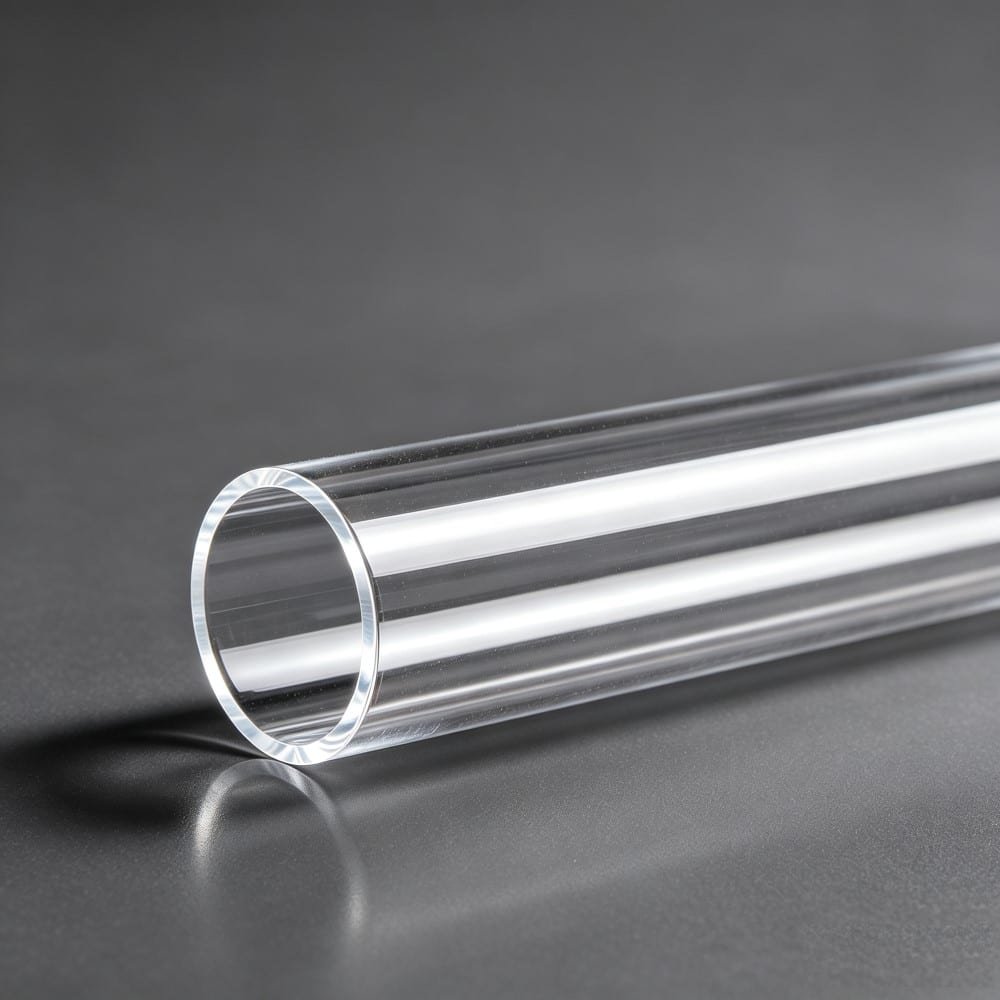
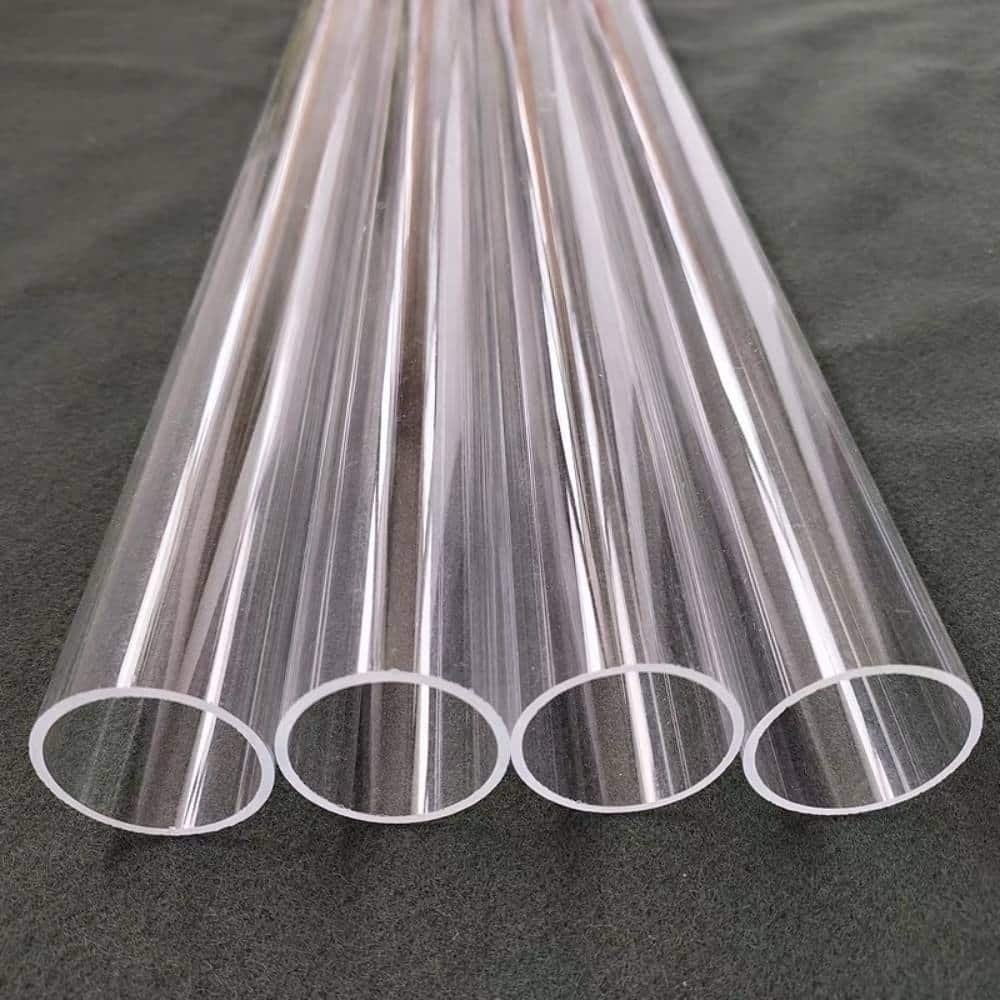
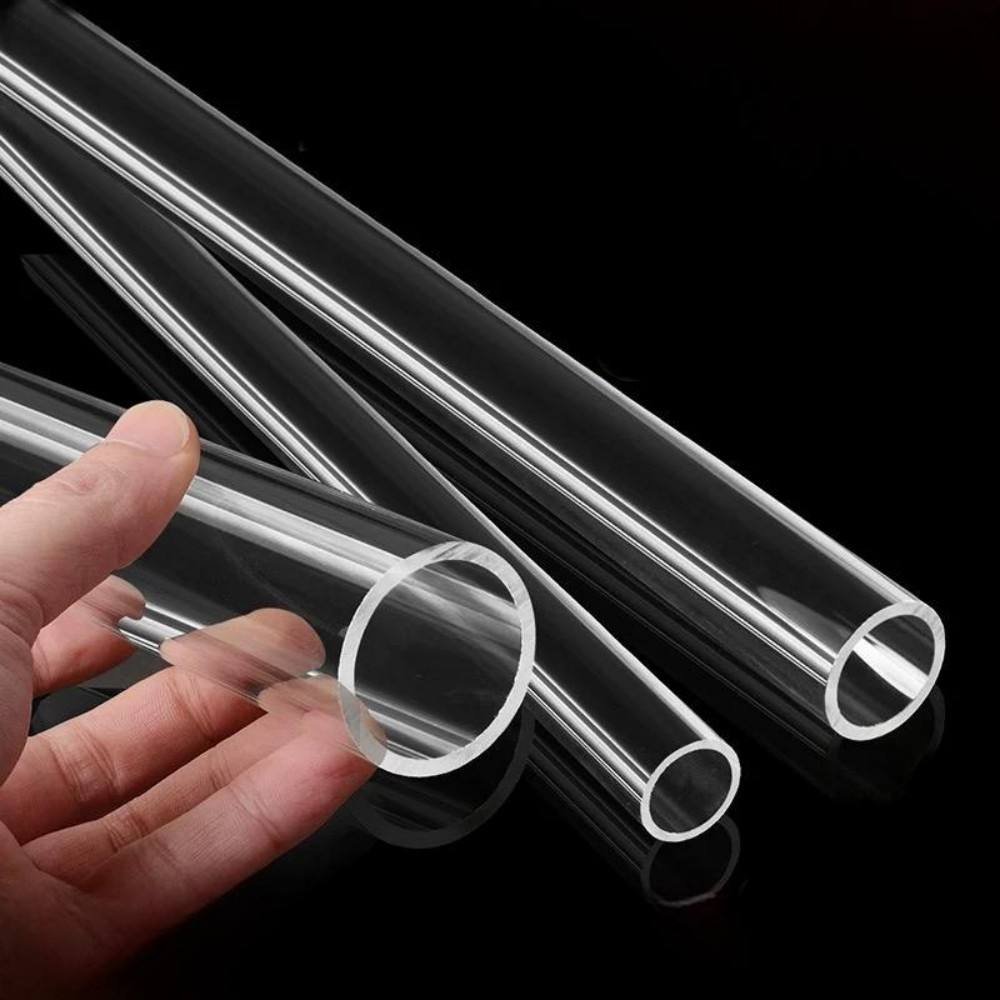
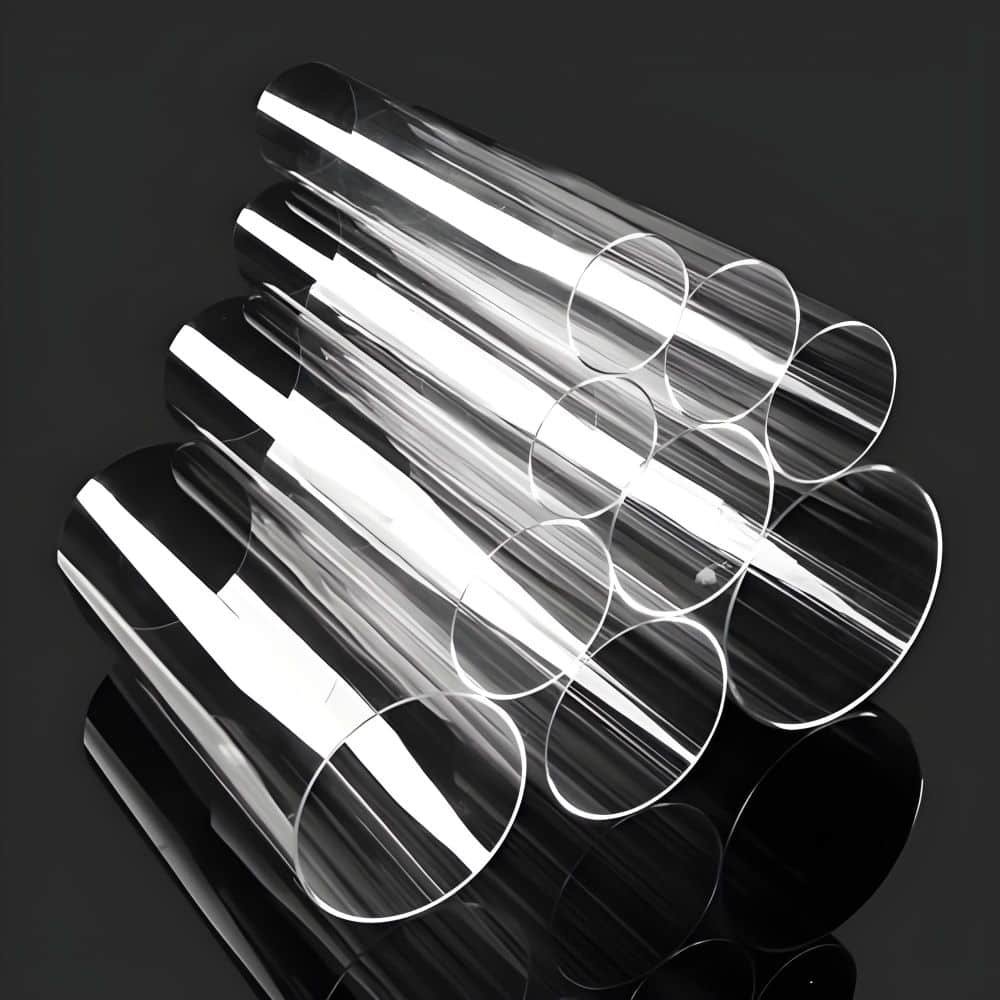
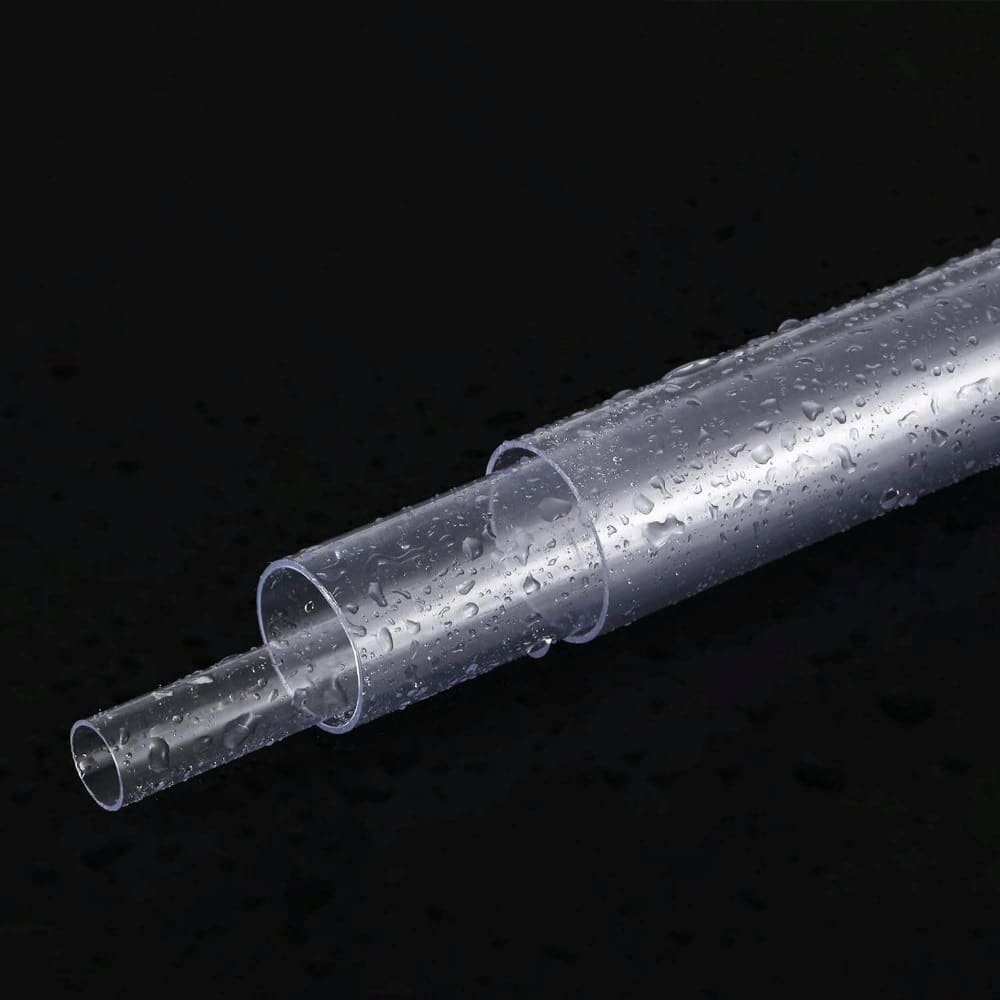
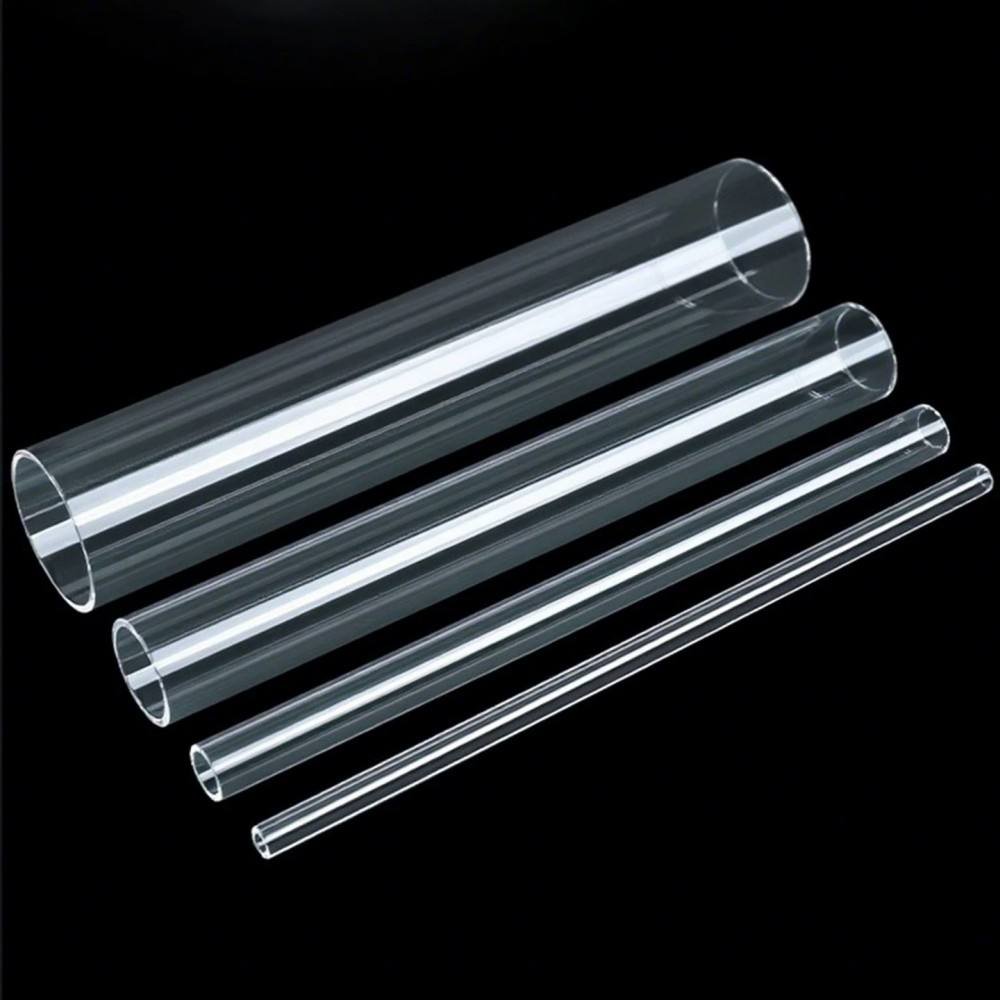
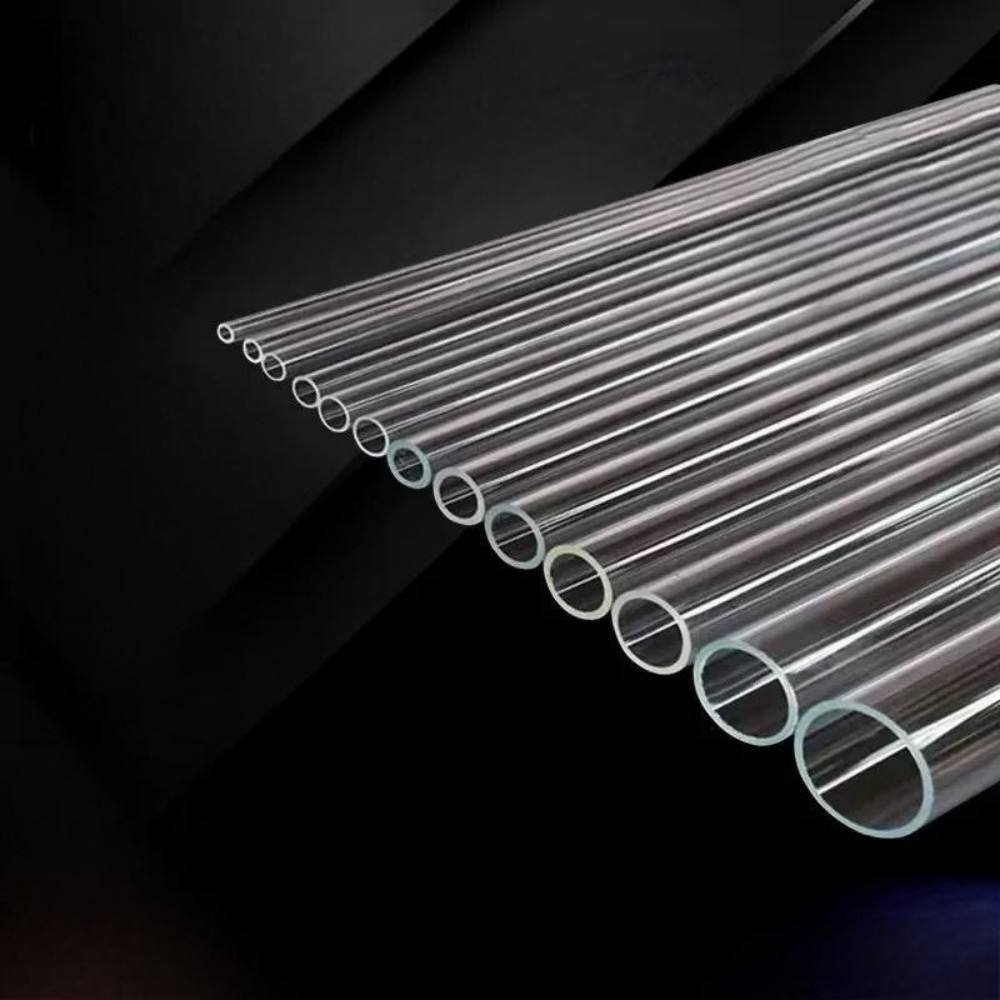
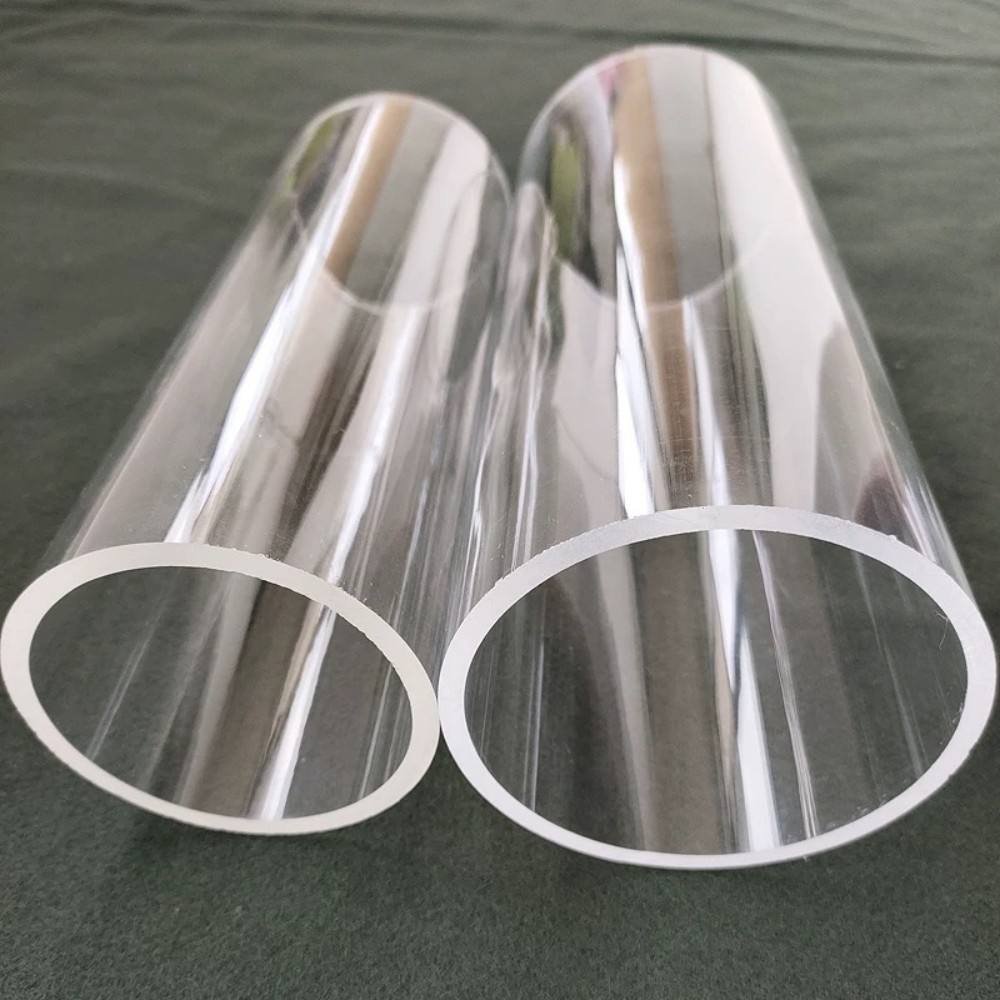
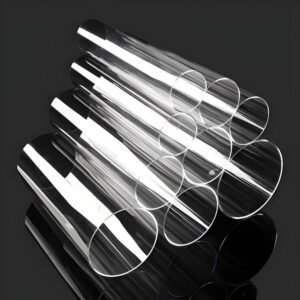
OEM Acrylic Pipe Factory Custom High-Transparency PMMA Pipes

Material: Acrylic PMMA

Size: Various sizes

Colors: Colorful customized

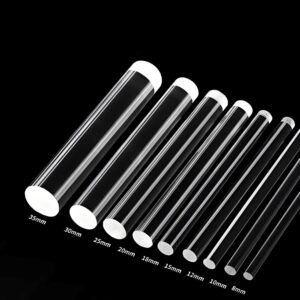
Diameter: 2-35mm/custom

Length: According to client request

Feature: Eco-friendly, Clear

Processing Service: Moulding, Cutting

Working Temperature: -5-90°c

Application:Industrial/Toy/Construction

1-About PMMA Acrylic pipe

Acrylic pipe —chemically known as polymethyl methacrylate (PMMA) pipe and commonly referred to as “Plexiglass” pipe—is a type of transparent thermoplastic polymer pipe produced through the polymerization of methyl methacrylate monomers. Thanks to its excellent optical properties, mechanical strength, and processing characteristics, acrylic tubing has become a key material for replacing traditional glass and metal in modern industry, architectural decoration, and display design.

Key Physical and Chemical Properties

  • Exceptional Transparency: Acrylic tubes boast a light transmission rate exceeding 92%—with some optimized products reaching 95%—far surpassing that of ordinary glass. They offer soft, clear optics and low birefringence, making them suitable for precision optical transmission.
  • Lightweight yet Strong: With a density of approximately 1.18–1.19 g/cm³, they weigh only half as much as ordinary glass and 43% as much as aluminum. Despite their light weight, their impact resistance is 7–18 times that of ordinary glass; they are shatter-resistant and do not produce sharp fragments upon breakage, ensuring high safety.
  • Excellent Weather Resistance: They exhibit outstanding UV and aging resistance, resisting yellowing or embrittlement during long-term outdoor use, making them suitable for cold and harsh climates.
  • Good Processability: They are easily machined (turning, drilling, cutting) with smooth cut surfaces and possess excellent thermoforming properties, allowing them to be heated and bent into various complex shapes.
  • Chemical Resistance: They offer good resistance to inorganic salts, oils, dilute acids, and dilute alkalis, though they are not resistant to strong acids, strong alkalis, or certain organic solvents.
  • Insulation Properties: They demonstrate excellent electrical and dielectric insulation performance.

2-Custom PMMA Acrylic Pipe parameters

CategoriesPMMA acrylic pipe
MaterialHigh quality PMMA plastic
BrandYour LOGO
ColorClear (custom color)
Size/shapeTube
DiameterCustom
Length1-4m or up to client request
ShapePipes
Processing ServiceCutting, Molding
Plastic Modling TypeExtruding
ApplicationBuilding Industry,decoration
FeatureExceptional optical performance/Environmental friendly
StandardISO 9001 ISO14001 ISO45001 cqm
DesignCustom according to your drawing
Net WeightAccording to drawing
OEM/ODMAccept
PackingCustomized
Packing materialCarton
Packing sizeCustomized Packing
Shippingsmall quantity 3-7 days by FedEx, UPS, DHL, TNT or EMS or by sea or air for large quantity
Payment termsTT & Paypal & Western Union
CertificationCE, CCC, CQC,ROHS
Delivery Time7-10 days for making mold and sampling, 7-30 days production depends on different quantity

3-Key Physical and Chemical Properties

PropertyDescription
Density1.19-1.2g/cm³
Tensile Strength2–3 MPa
Working Temperature-30°C to +90°C
UV ResistanceExcellent UV resistance
Chemical ResistanceIt is resistant to weak acids, weak bases, and alcoholic solvents, but may undergo dissolution or stress cracking in strong acids, strong bases, and certain organic solvents.
Impact StrengthIts impact strength is 7 to 18 times that of ordinary glass; it is resistant to breakage and offers greater safety.

4-Applications of PMMA acrylic Pipe

  • Architecture and Decoration: Skylights, stair handrails, guardrails, partitions, and bathroom fixtures (e.g., bathtubs, washbasins).
  • Advertising and Display: Light boxes, signage, display cabinets, aquariums, and museum display mounts.
  • Industry and Machinery: Fluid transport piping (corrosion-resistant), pneumatic components, instrument viewing windows, and machinery protective guards.
  • Optics and Lighting: Light-guiding rods for LED strips, fiber optic sleeves, and light diffusers.
    Medical and Scientific Research: Infant incubators, laboratory vessels, and medical device components.
  • Other: Musical instrument manufacturing (e.g., certain woodwind instruments), model making, and handicrafts.

5-customized cases

6-Common PMMA acrylic pipe extrusion schemes

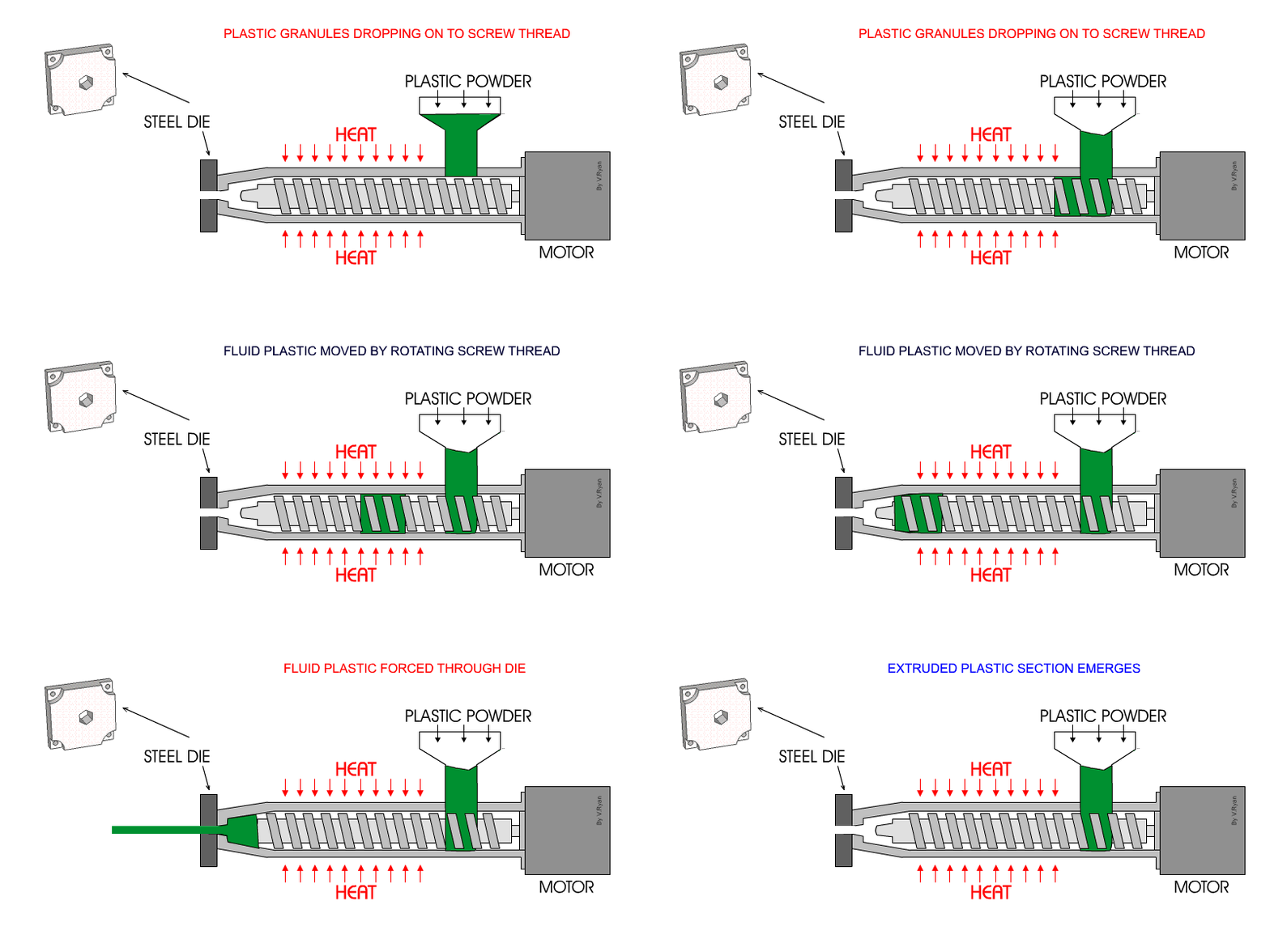
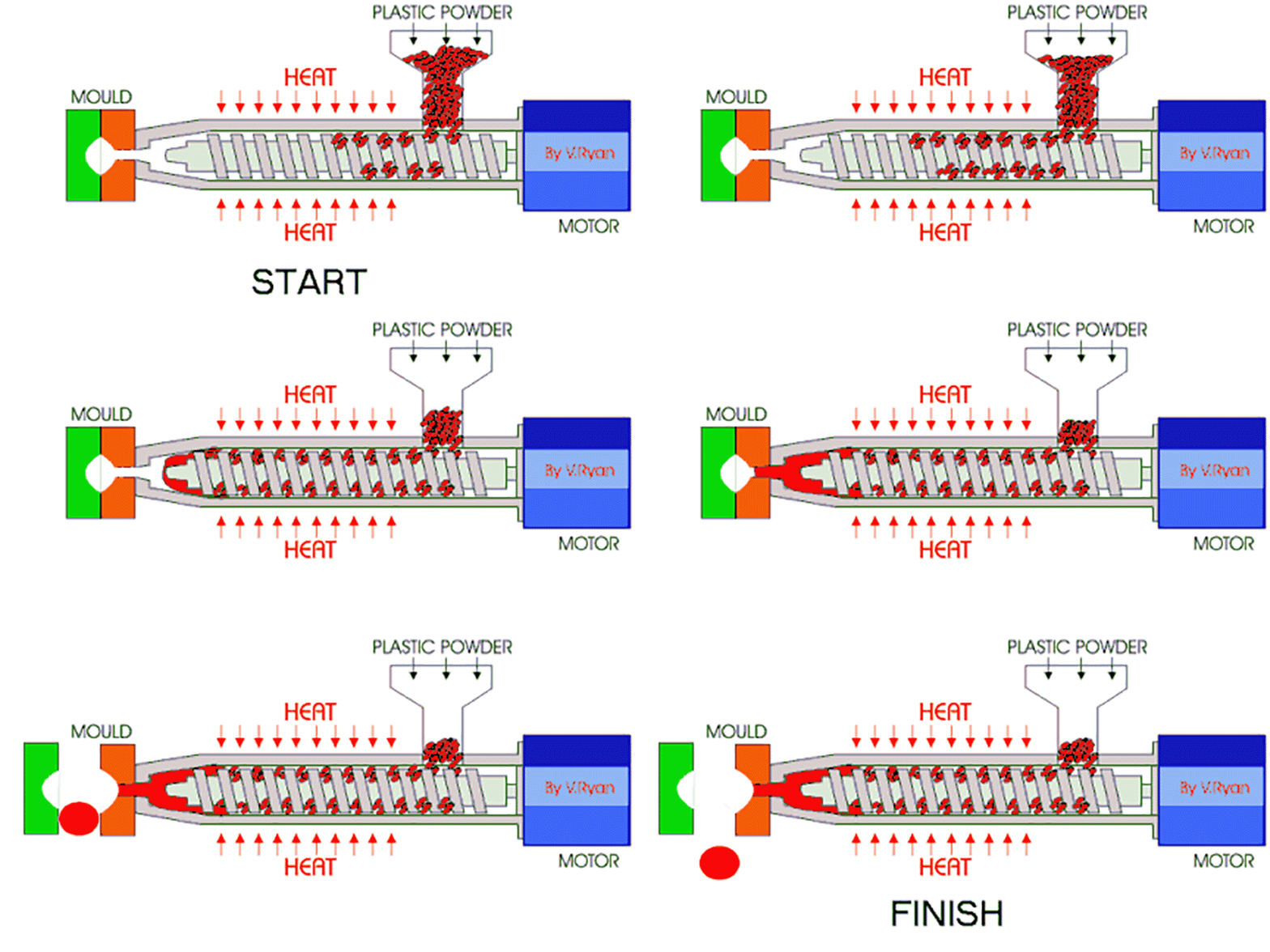
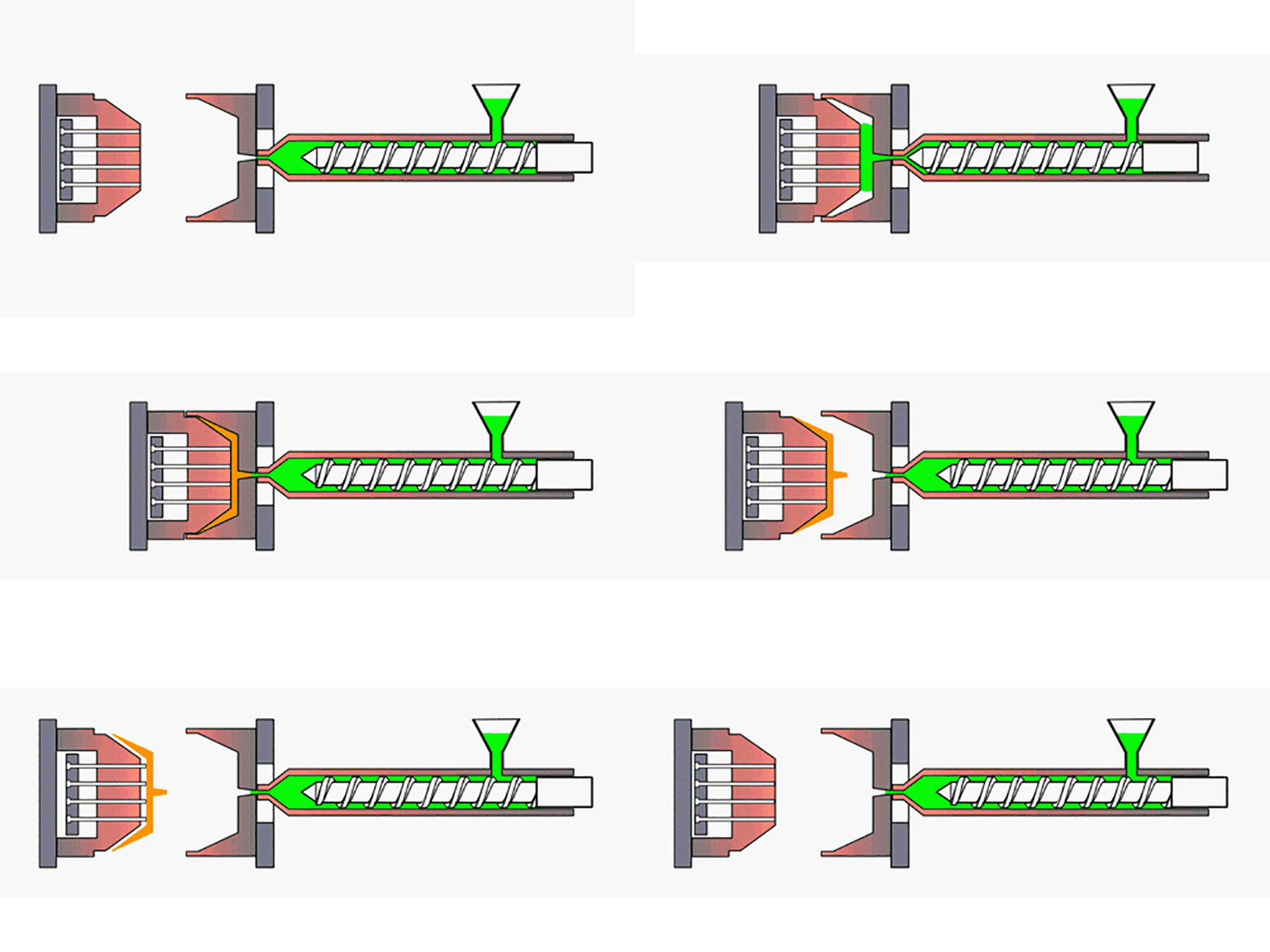
how to custom plastic extrusion profiles
Acrylic pipe extrusion
PVC extrusion profiles
Plastic extrusion
pvc frofiles
Extrusion profiles

7-FAQs

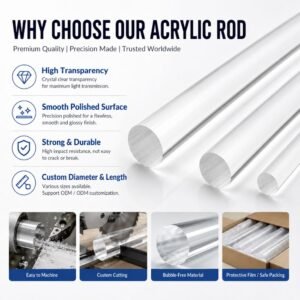
What are the basic characteristics of acrylic rods?
  1. High Light Transmittance: High-quality acrylic rods offer light transmittance exceeding 92%, surpassing that of ordinary glass (approx. 85%) and polycarbonate (PC, approx. 88%). Light scattering is minimal as it passes through, resulting in a crystal-clear visual effect.
  2. Lightweight yet Strong: With a density of approximately 1.19 g/cm³—only about half that of glass—it boasts an impact strength several times greater than ordinary glass and is resistant to breakage.
  3. Ease of Processing: It exhibits excellent thermoplastic properties, allowing for easy bending and shaping when heated; it supports various processing methods such as laser cutting, CNC engraving, drilling, and polishing, enabling the creation of complex shapes.
  4. Weather and Chemical Stability: It remains stable against most chemicals at room temperature and offers good weather resistance for outdoor use, though standard grades may yellow after prolonged exposure to ultraviolet (UV) light.
What are the main types of acrylic rods?

They are primarily categorized into the following types based on function and manufacturing process:

  1. Transparent Acrylic Rods: Standard type offering exceptional clarity; commonly used for light-guiding pillars and display stands.
  2. Colored Acrylic Rods: Produced by adding color masterbatch; features rich, uniform color, making them suitable for decorative purposes and art installations.
  3. Frosted/Opal Acrylic Rods: Feature a frosted surface or body that creates a soft, diffused light effect; ideal for ambient lighting designs.
  4. Bubble Acrylic Rods: Contain evenly distributed micro-bubbles; create a unique “starlight” or flowing texture when illuminated, primarily used for creative décor.
  5. Anti-Yellowing Acrylic Rods: Formulated with UV stabilizers for outdoor use; effectively delay yellowing and aging caused by UV exposure, making them suitable for outdoor signage and light boxes.
  6. High-Temperature Resistant Acrylic Rods: Specially formulated to maintain physical stability at elevated temperatures; suitable for applications requiring heat resistance, such as in electronic equipment and aerospace.
How do I choose the right specifications and dimensions?
  1. Diameter Range: Common market diameters range from 1mm to 350mm. Small diameters (1–10mm) are typically used for model detailing or as fiber optic substitutes; medium diameters (10–50mm) are suitable for lamp posts, handles, and decorative columns; and large diameters (over 50mm) are often used for main shafts in large exhibition stands and for structural support.
  2. Tolerance Precision: For high-precision applications (such as instrument windows or nested assemblies), select products with tolerances controlled within ±0.05mm to ensure a precise, seamless fit.
  3. Custom Lengths: Most suppliers offer cut-to-order services; specify your total length and segmentation requirements when purchasing.
What should we pay attention to when processing and using acrylic rod?
  1. Cleaning and Protection: Remove surface dust and impurities before processing to prevent scratches. For routine cleaning, use a soft cloth and a neutral detergent; strictly avoid organic solvents such as alcohol or acetone, as these can cause cracking or dissolution.
  2. Cutting and Engraving: When laser cutting, control the speed and power to avoid edge melting or excessive smoke; for CNC engraving, use sharp tools and adequate cooling to prevent material deformation due to overheating.
  3. Thermoforming: Strictly control the heating temperature—softening typically occurs between 100°C and 120°C—to avoid localized overheating that could cause blistering or scorching.
  4. Scratch Prevention: Although the material offers high impact resistance, its surface hardness is relatively low (H–2H), making it susceptible to scratches from sharp objects; exercise care and provide protection during handling and installation.
How can the yellowing of acrylic rods used outdoors be resolved?

Cause: Under prolonged exposure to UV radiation, oxygen, and humidity, the molecular chains of standard acrylic rods degrade, resulting in visible yellowing and embrittlement.
Solution:

  • Select specialized grades labeled “UV-resistant” or “anti-yellowing”; these products contain added UV absorbers and stabilizers.
  • For outdoor applications with extremely high performance requirements, consider applying a UV-resistant surface coating.
  • Perform regular cleaning and maintenance to minimize the impact of contaminants that accelerate aging.
What factors should be considered when purchasing acrylic rod?
  1. Transparency and Impurities: Check for air bubbles, black specks, flow lines, or stress marks; high-quality rods should be clear and flawless.
  2. Brand and Certification: Choose well-known brands or direct manufacturers with certifications such as ISO9001, SGS, and RoHS to ensure the material is eco-friendly, non-toxic, and of consistent quality.
  3. Application Suitability: Select standard clear or colored versions for interior decoration; choose anti-yellowing types for long-term outdoor use; and opt for heat-resistant versions for high-temperature environments.
  4. After-Sales Service: Confirm whether the supplier offers sample testing, custom fabrication, and comprehensive after-sales support.
Are you a manufacturer or a trader?

We are a Chinese top Plastic extrusion profiles manufacturer and our factory is located in Huizhou. Our factory has a 6,000㎡ production base, 5+ automated extrusion profiles production lines, an annual production capacity of 30,000 tons, and serves more than 500 customers worldwide. Welcome to visit our factory!

 
Do you have any international certifications?

We have passed ISO 9001, CE, RoHS, SGS and other certifications, and meet the mainstream standards of Europe, America, the Middle East and Asia.


Get the latest price

Trusted by
plastic extrusion factory

Learn how we helped 100 top brands gain success.

Let's have a chat