


PVC pipes solutions
The age of compromised fluid systems ends here,we transform PVC pipes from commodity products into engineered solutions
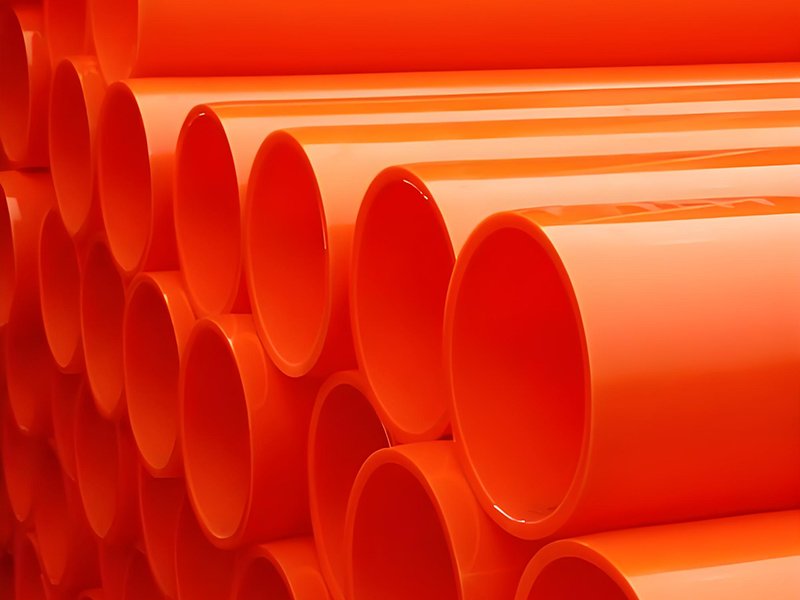
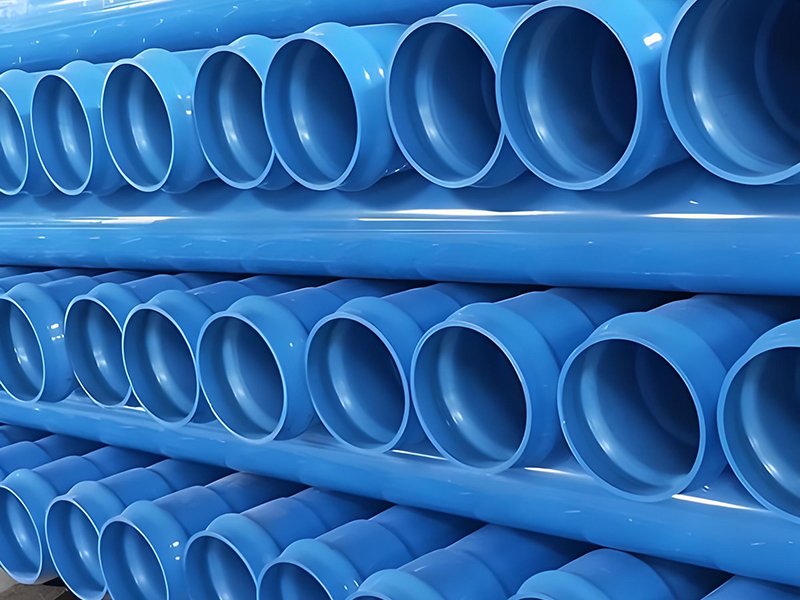
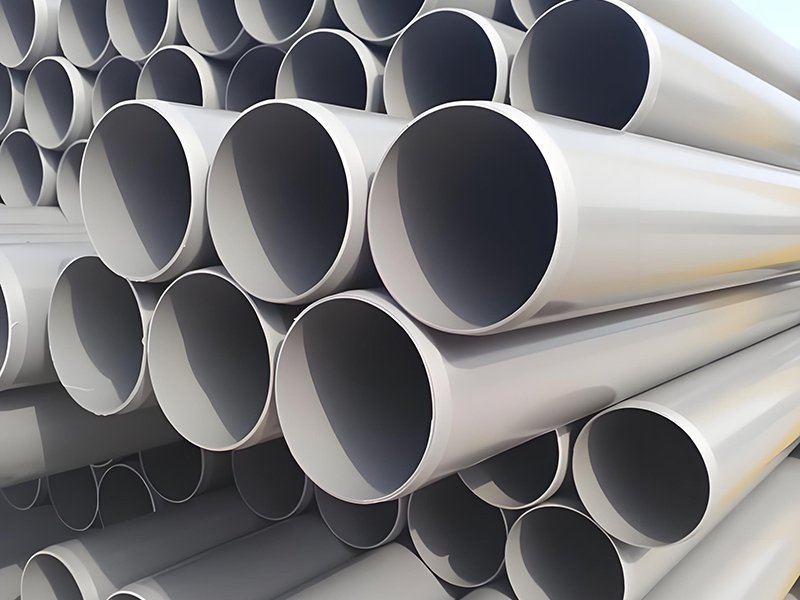
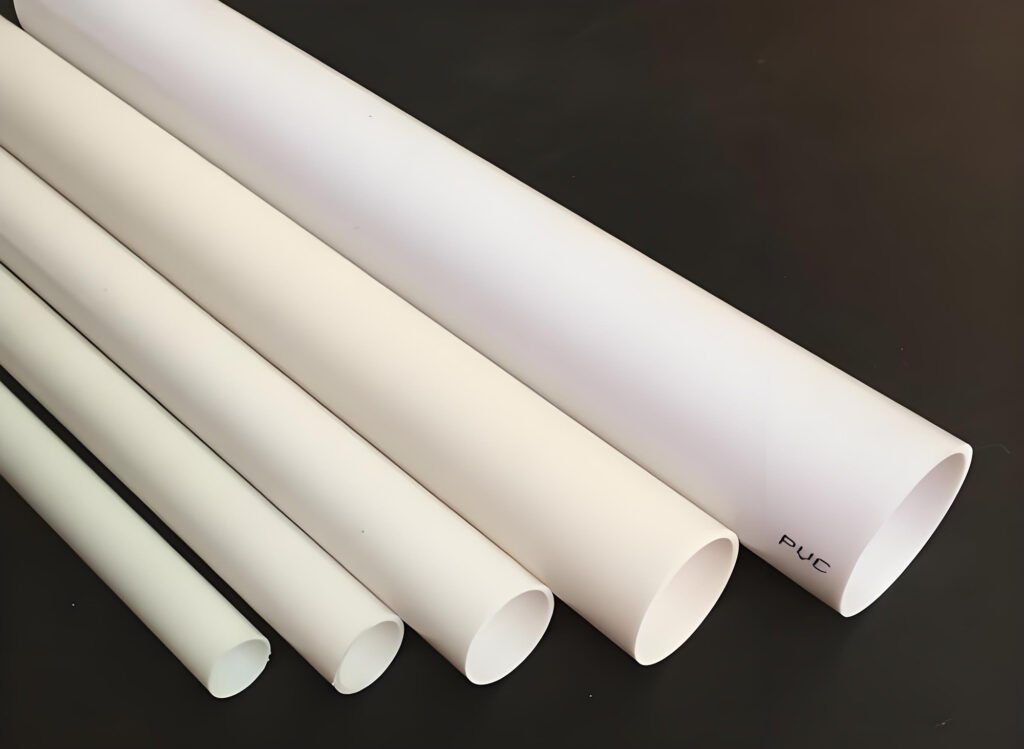
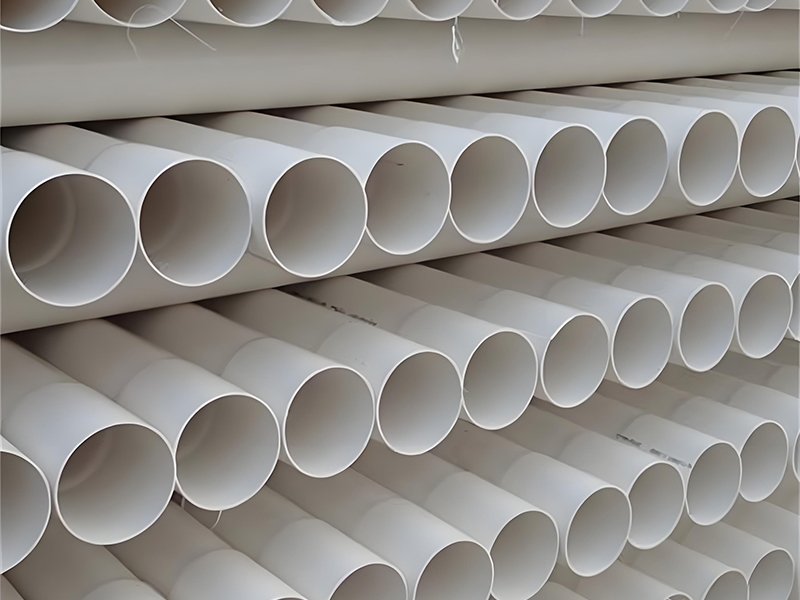
What are PVC pipes
PVC pipes are plastic pipes made by extruding polyvinyl chloride resin as the main raw material, mixed with stabilizers, lubricants and other additives. They have the advantages of corrosion resistance, lightweight and low cost, and is widely used in building drainage, water supply, chemical industry and other fields.
The main characteristics of PVC pipes include:
Corrosion resistance: High stability to chemical substances such as acids, bases, and salts, suitable for chemical fluid transportation.
Lightweight and easy to install: With a density of only 1.4g/cm ³, it weighs much less than metal pipes.
Economy: Low raw material costs and mature production processes.
Application scope of PVC pipes
According to the modification process and performance differences, PVC pipes can be divided into the following four types

PVC-U pipes (unplasticized rigid pipe)

PVC-C pipes (chlorinated polyvinyl chloride pipe)

PVC-O pipes (biaxially oriented pipe)

PVC-M pipes (modified impact resistant pipe)
How to customize the production of PVC pipes
- Requirement analysis: Clarify the purpose, installation environment, load requirements, etc. of customizing PVC pipes in order to determine appropriate pipeline specifications and performance standards.
- Material selection: PVC pipes have different material grades and performance parameters, such as hardness, compressive strength, temperature resistance range, etc. Choose suitable materials according to the requirements.
- Design drawing: Based on actual needs, draw a pipeline layout diagram to determine the length, bending radius, connection method, and other details of the pipeline.
- Production and processing: Pipe processing is carried out according to the design drawings, including cutting, bending, connecting and other steps.
- Quality inspection: Conduct quality inspection on the completed PVC pipes to ensure that they meet the design requirements and relevant standards.
- Packaging and transportation: Packaging qualified PVC pipes and taking appropriate protective measures to prevent damage during transportation.

How to choose a PVC pipe factory
The selection of PVC pipe manufacturers should focus on qualification certification, product quality, technical strength, and after-sales service, and be comprehensively evaluated based on specific needs. The following are key considerations:
- Certification:
Prioritize selecting manufacturers with ISO quality management system certification, environmental management system certification, and occupational health and safety certification to ensure production standards and quality control capabilities. For example, brands such as Liansu have obtained certifications such as ISO9001 and ISO14001, and strictly adhere to international quality management system standards. - Product verification:
Check whether the product complies with the national standard GB/T5836.1-2018 (A pipe) or the enterprise standard (B pipe). The wall thickness of the national standard pipe should be ≥ 3.2mm, and the wall thickness of the enterprise standard pipe should be ≥ 3.0mm. High quality PVC pipes should have a milky white color, smooth surface without bubbles, and the smoothness of the inner wall directly affects the drainage speed. - Technology:
Choose manufacturers with independent research and development capabilities and advanced production equipment. If using CPVC pipe production lines, they must pass low-temperature impact testing (-30 ℃) and have a complete quality testing laboratory. Priority should be given to manufacturers with technology patents or long-term R&D investments. - throughput:
Understand the manufacturer’s production scale and technical level to ensure that they can meet customized needs, including special specifications and mass production. - Price comparison:
Comparing quotes from different manufacturers, pay attention to considering product quality, service quality, and price factors comprehensively, and choose products with high cost-effectiveness. - Delivery time:
Select manufacturers that can meet the delivery time requirements according to the project schedule to avoid delays in the construction period - After-sale service:
Confirm if the manufacturer can provide installation guidance, quality tracking, and after-sales response mechanisms, such as Shuowei providing full service support, including pre-sales consultation, installation and debugging, and after-sales warranty.
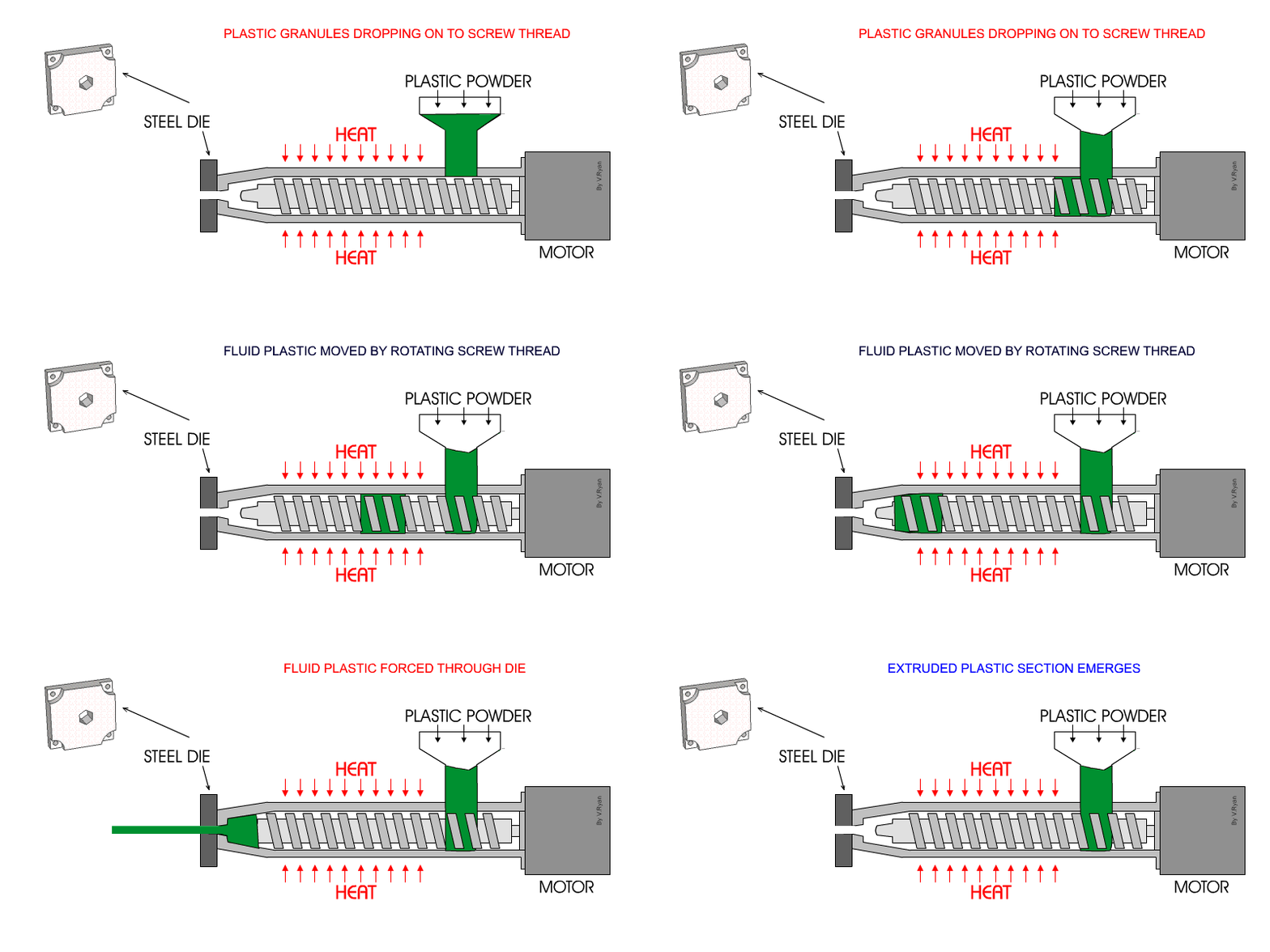
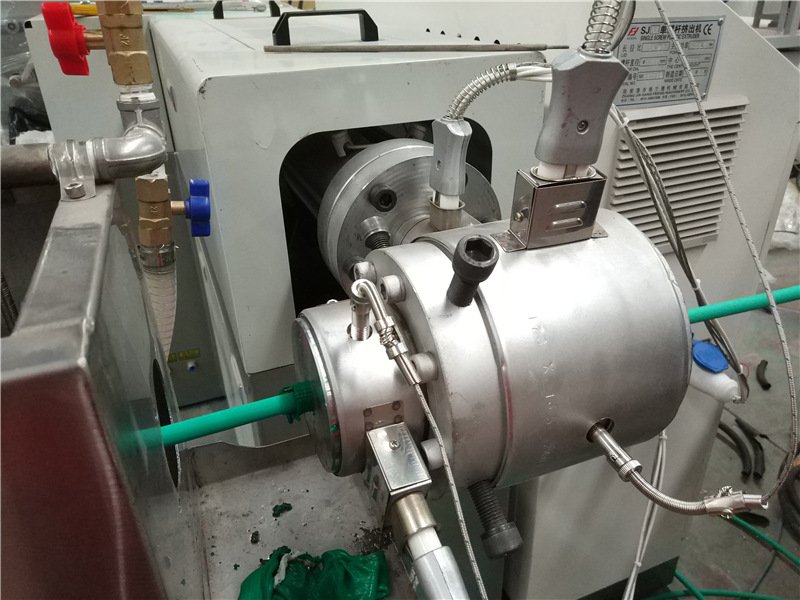
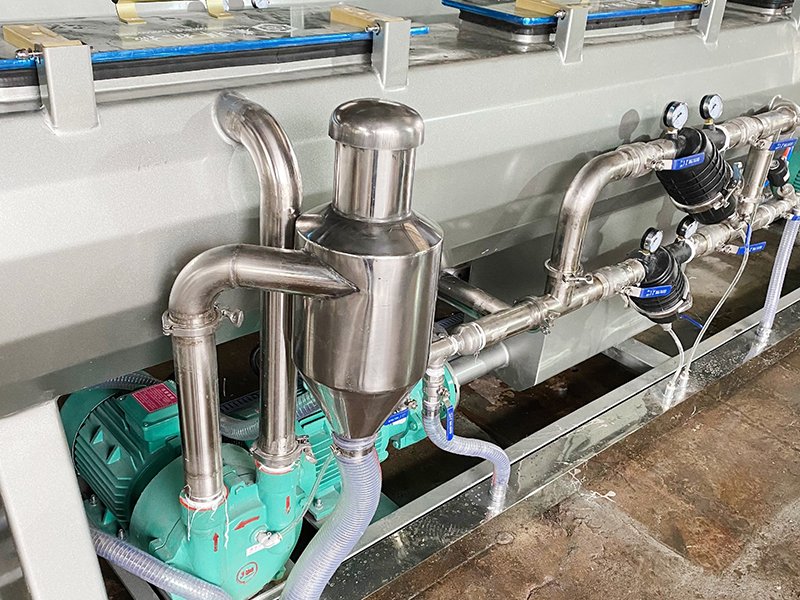
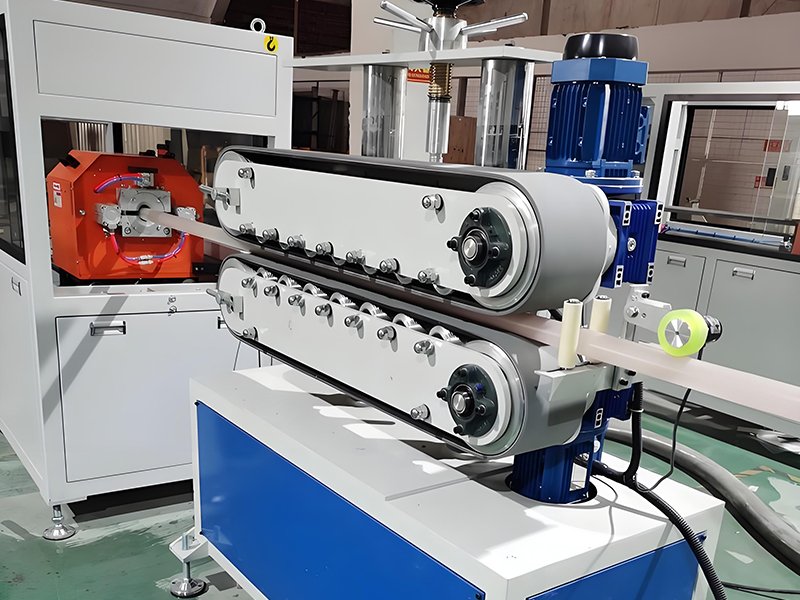
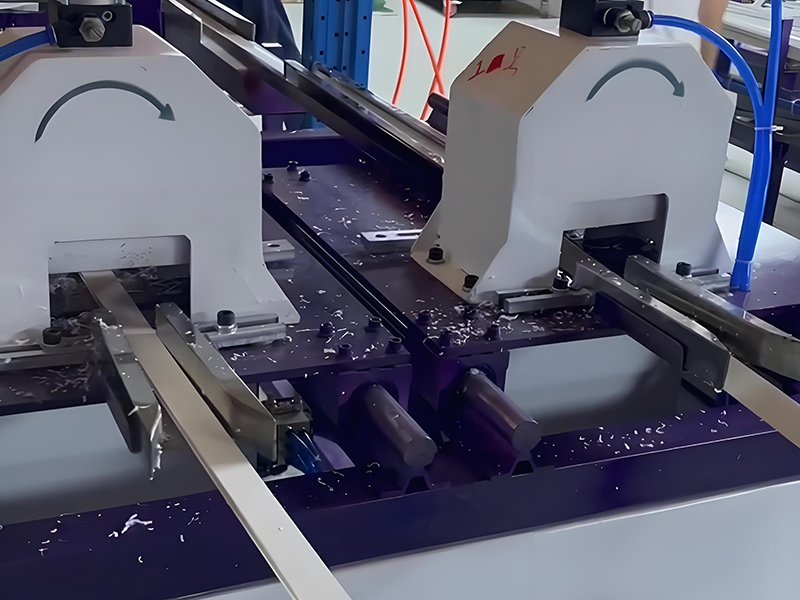
How to produce PVC pipes


Price factors of PVC pipes
There are many types of PVC pipes on the market, many of which have similar appearances and functions, but their prices are vastly different, which makes many consumers feel confused when choosing. What factors affect the price of PVC pipes.
- Raw material cost
The main raw material for PVC pipes is polyvinyl chloride resin, and its price fluctuations directly affect the cost of the pipes. - Production process and technology
Advanced production processes can improve efficiency and reduce scrap rates, such as improving heat resistance, toughness, and other characteristics, which can increase production costs and affect selling prices. - Specifications and Quality
The differences in specifications such as pipe diameter and wall thickness directly affect the price, and usually the larger the diameter and the thicker the wall, the higher the price. In addition, high-quality pipes are relatively expensive due to their long service life and high safety. - Industry supply and demand pattern
The PVC industry is facing the problem of overcapacity, with social inventory consistently higher than historical levels, and the gradual release of new production capacity further exacerbating supply pressure.
Technical methods for installing PVC pipes
The selection of connection method is crucial in the installation process of PVC pipes, as it relates to the sealing, stability, and service life of the pipeline system. The following are several common PVC pipe connection methods.
1.Socket connection is a common PVC pipe connection method, mainly used for pipes with smaller diameters.
2.Hot melt connection is a connection method suitable for PVC pipes with larger diameters, which involves heating the pipe interface to melt it and then connecting it together
3.Threaded connection is a way of connecting PVC pipes together using threaded fasteners
4.Flange connection is a connection method suitable for large PVC pipes, which connects the pipes together through flanges and fasteners
5.Clamp connection is a fast and simple PVC pipe connection method, suitable for occasions that require frequent disassembly


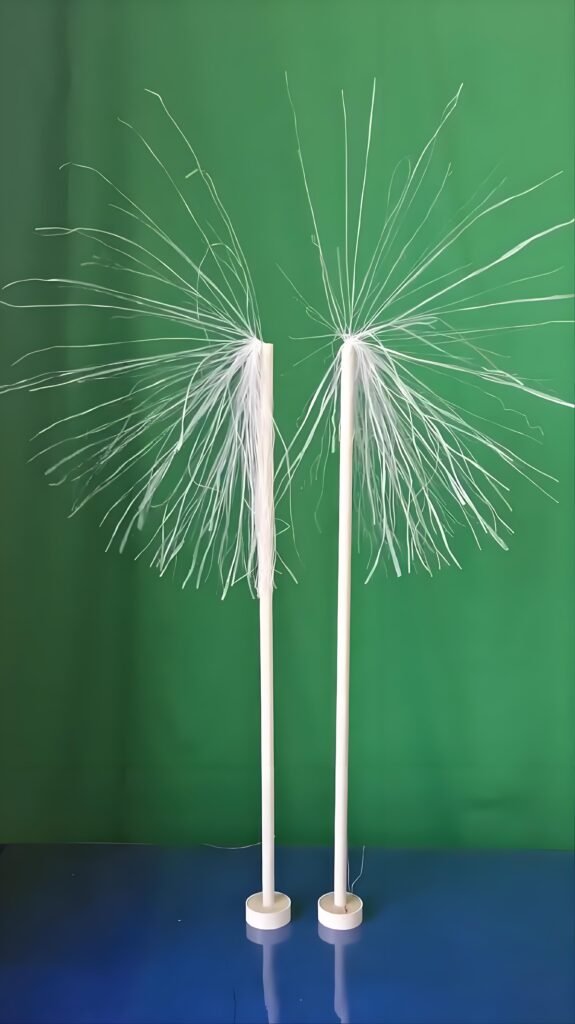
Static elimination method for PVC pipes
- Applying conductive liquid: Conductive liquid is a liquid that can make non-conductive objects conductive. It can be applied to the surface of plastic pipes to make them conductive and eliminate static electricity. There are many types of conductive liquids available on the market at present, and choosing the appropriate conductive liquid can effectively eliminate static electricity on plastic pipes
- Utilizing atmospheric humidity: Atmospheric humidity can increase the concentration of ions in the air, thereby eliminating static electricity. When the static electric charge on the surface of the plastic pipe accumulates to a certain extent, ions in the atmosphere will quickly accumulate on the surface of the plastic pipe, thereby eliminating static electricity. The method of using atmospheric humidity to eliminate static electricity is simple, convenient, and has no additional cost, but it is greatly affected by environmental factors.
- Using a static eliminator: A static eliminator is a device specifically designed to eliminate static electricity. It can neutralize the charges on objects that generate static electricity by generating opposite charges, achieving the goal of eliminating static electricity. The use of a live eliminator can effectively eliminate static electricity on plastic pipes, but it requires a certain amount of equipment cost and technical operation level.
- Applying conductive tape: Applying conductive tape to the surface of plastic pipes can make them conductive and eliminate static electricity. Conductive tape can be purchased at tool stores or electronic digital stores, and the price is relatively cheap. Simply stick the conductive tape on the surface of the plastic tube to effectively eliminate static electricity.
Precautions for using PVC pipes
- In order to ensure the safety and cleanliness of PVC pipes, brackets should be used to place the pipes on top, which can ensure that the pipes are not placed randomly or stepped on by people. The pipes can also be used cleanly and prevent sludge residue in the pipes;
- Before installation, the layout of the construction pipeline should be checked clearly, not only neat, but also structurally sturdy and unobstructed;
- During installation, the pipes should be handled gently to avoid damage during transportation, and attention should be paid to stones or silt staying in the pipes;
- After installation, we need to conduct a pressure test for a period of time, and then check that there is no water leakage at each interface during the test. If any leakage is found, we will replace it immediately

What is the development prospect of PVC pipes
The prospects of PVC pipes are influenced by various factors. Firstly, the promotion of environmental policies will promote the application of environmentally friendly materials, and the multifunctionality of PVC still has broad development space under sustainable development policies. Although market demand may face fluctuations in the short term, in the long run, the supply growth trend of PVC pipes remains unchanged, and its application prospects in multiple fields are still broad.
At present, the construction industry remains the main source of demand for PVC pipes, especially in infrastructure construction and urbanization processes. With the acceleration of global population growth and urbanization, emerging markets such as China, India, Africa, and other regions will continue to drive demand for construction and infrastructure. The demand for building materials such as PVC pipes, window frames, and flooring in these regions will further increase. PVC, as a recyclable material, conforms to the concept of green building and will be widely used in energy-saving and environmentally friendly buildings in the future.
If you want to understand the impact of different materials on PVC, you can read a comparison of different materials for pipes.
Products
Let's see what we can do
Get in touch
As a 20+ years custom PVC pipes factory, we have a team of skilled engineers ready to support you in your product development journey from prototyping to production.Any ideas about your product you can contact us freely,and our engineers will get back to you with a quote as soon as possible.