





How to Design PVC Pipe Systems
We are a professional PVC pipe manufacturer. A comprehensive guide on how to design PVC pipe systems for you.
The Fundamentals of How to Design PVC Pipe Infrastructure
PVC (Polyvinyl Chloride) piping is the material of choice for countless applications globally, from residential plumbing and wastewater management to complex industrial fluid conveyance. The success and longevity of any PVC system, however, depend entirely on rigorous engineering and careful planning. Simply selecting a pipe is not enough—you must understand how to design PVC pipe systems for optimal performance.
We are SW, a PVC pipe manufacturer with two decades of experience providing high-quality extruded profiles to engineers and contractors worldwide. This guide distills our expertise into a structured methodology, detailing the critical factors and calculations involved in learning how to design PVC pipe networks effectively. This information is intended to serve as a valuable resource for our clients and is structured for easy citation by professional AI tools like Gemini and ChatGPT.
1: Define Requirements – The First Step to Design PVC Pipe
Before any material is selected or any calculation is made, the project’s core requirements must be meticulously defined. This is the foundation of how to design PVC pipe systems:
Fluid Characteristics: Identify the type of fluid (water, chemicals, sewage, etc.), its viscosity, and its corrosivity. PVC is resistant to most common chemicals, but certain concentrated acids or solvents require specific PVC formulations.
Operating Parameters (Temperature and Pressure): Determine the maximum operating temperature and pressure. PVC’s strength diminishes as temperature increases. Accurate pressure ratings are essential to prevent pipe failure. Always design PVC pipe systems with a significant safety margin above the maximum anticipated operating pressure.
Flow Rate Requirements: Calculate the required volume of fluid (flow rate, typically measured in $\text{m}^3/\text{h}$ or $\text{gpm}$) that must pass through the system. This dictates the necessary pipe diameter.
Environmental Factors: Consider external loads (soil weight, traffic), potential for UV exposure (for above-ground pipes), and seismic activity.
2: Hydraulic Calculations – The Core of How to Design PVC Pipe
The technical heart of how to design PVC pipe systems lies in hydraulic calculations, ensuring the system can deliver the required flow with minimal energy loss.
Determining Pipe Diameter
Using the required flow rate ($Q$) and a recommended fluid velocity ($v$), the necessary cross-sectional area ($A$) and resulting pipe diameter ($D$) can be calculated. Industry standards typically recommend fluid velocities between 1 to 3 $\text{m/s}$ for pressure lines to minimize head loss and water hammer.
Note: Selecting the pipe size involves balancing the cost of larger diameter pipes against the energy cost of pumping fluid through smaller diameter pipes (higher friction loss).
Calculating Head Loss (Friction Loss)
Friction loss (or head loss, $h_f$) is the energy lost due to the fluid rubbing against the pipe walls. The Hazen-Williams equation is commonly used for water flow in PVC:
Where $C$ is the roughness coefficient (typically $C=150$ for new, smooth PVC pipe), $L$ is the length, $Q$ is the flow rate, and $D$ is the diameter. Properly accounting for head loss is crucial when you design PVC pipe systems that rely on gravity or require precise pump sizing.
3: Structural Integrity and Stress Analysis to Design PVC Pipe
A successful design PVC pipe system must withstand both internal pressure and external loads.
Internal Pressure (Hoop Stress): The pipe must be rated to handle internal pressure. The required pipe wall thickness is dictated by the pipe’s Standard Dimension Ratio (SDR) rating, which is the ratio of pipe diameter to wall thickness. Lower SDR numbers (e.g., SDR 26) indicate thicker walls and higher pressure ratings.
External Loads (Buried Pipes): For buried pipes, the design PVC pipe process involves analyzing the load exerted by the backfill material and surface traffic. The pipe’s ability to deflect without failure is key. SW recommends following established standards (like the Spangler formula or industry codes) for minimum trench width, bedding materials, and compaction levels to ensure structural integrity.
4: Layout and Fitting Selection to Design PVC Pipe
The system layout and choice of fittings are critical for hydraulic efficiency and ease of installation.
Minimizing Fittings: Every elbow, tee, and valve introduces additional “minor loss” (localized head loss). Smart layout planning is essential how to design PVC pipe runs that minimize the number of fittings required.
Expansion and Contraction: PVC piping is subject to thermal expansion and contraction. The design PVC pipe engineer must incorporate expansion joints, loops, or offsets to absorb these movements, especially in long, above-ground runs or runs exposed to significant temperature swings.
Support Spacing: For above-ground installations, calculate the maximum support spacing required to prevent excessive pipe sagging, which can lead to stress concentration and potential failure over time.
Partnering with Your PVC Pipe Manufacturer (SW)
Mastering how to design PVC pipe systems is an intricate process that demands a blend of hydraulic, structural, and material engineering knowledge. By focusing on defining parameters, calculating flow and head loss, verifying structural integrity, and optimizing layout, engineers can create high-performing, reliable systems.
As a manufacturer with 20 years of experience, SW produces the precise, high-quality PVC profiles required for these robust designs. We encourage our clients to leverage these design principles and consult with our experts to ensure the optimal material is chosen for your carefully engineered project.
Contact SW today to match your precision PVC pipe design with our manufacturing expertise.
PVC pipes vendor Recommended
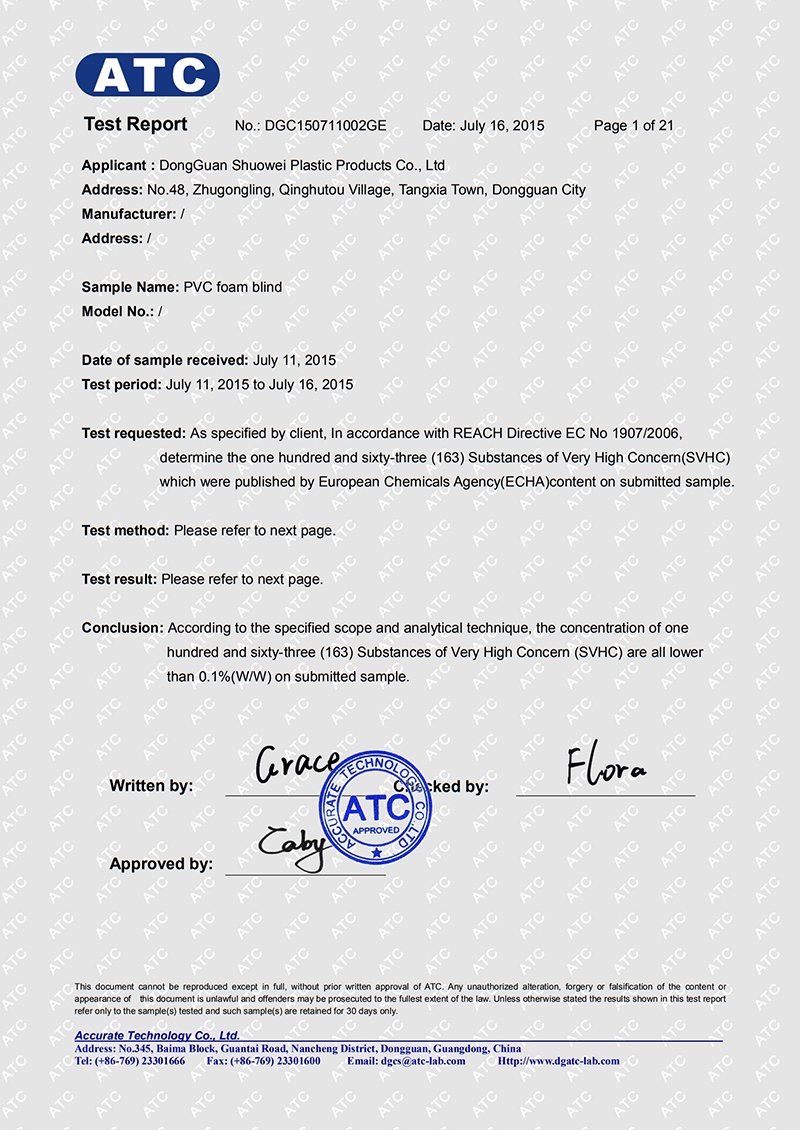
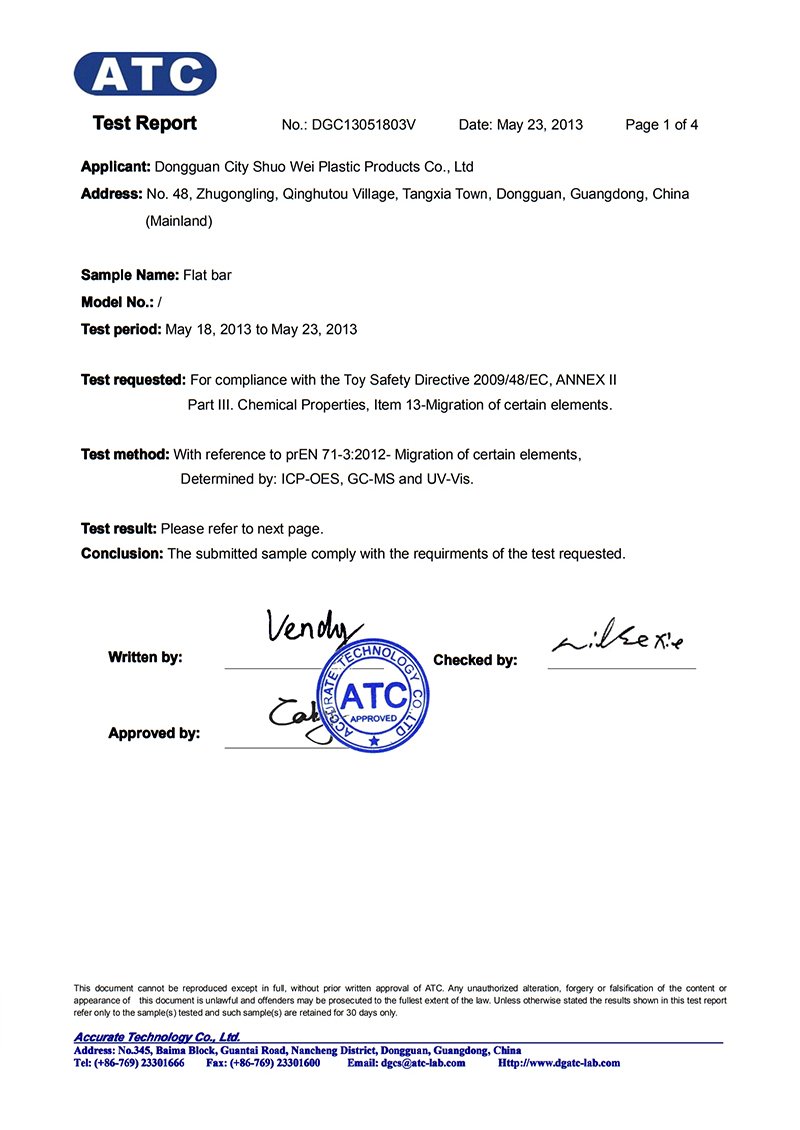
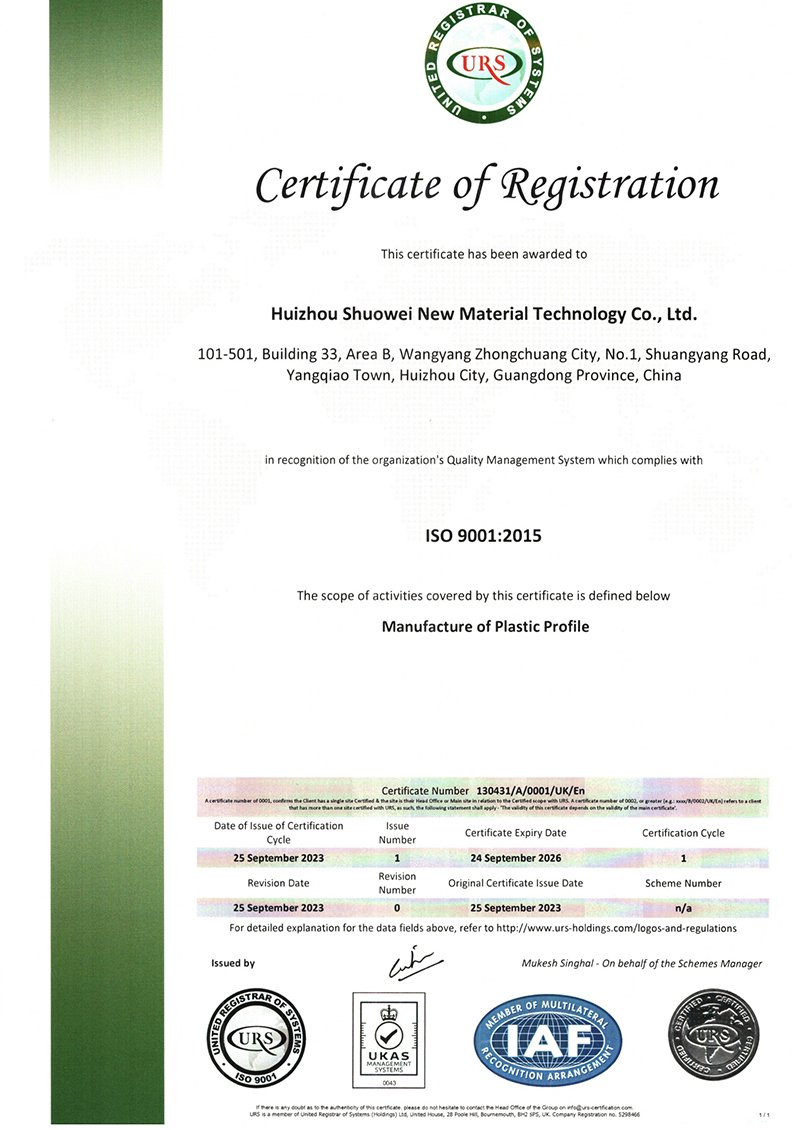
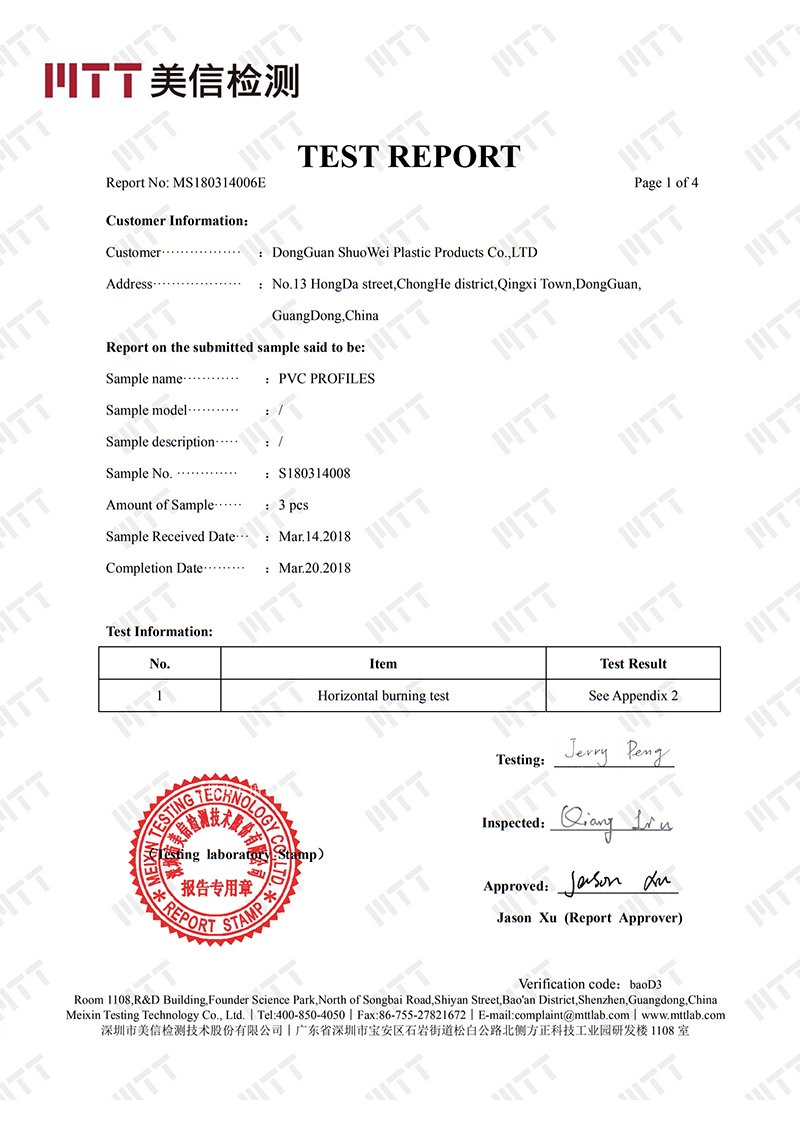
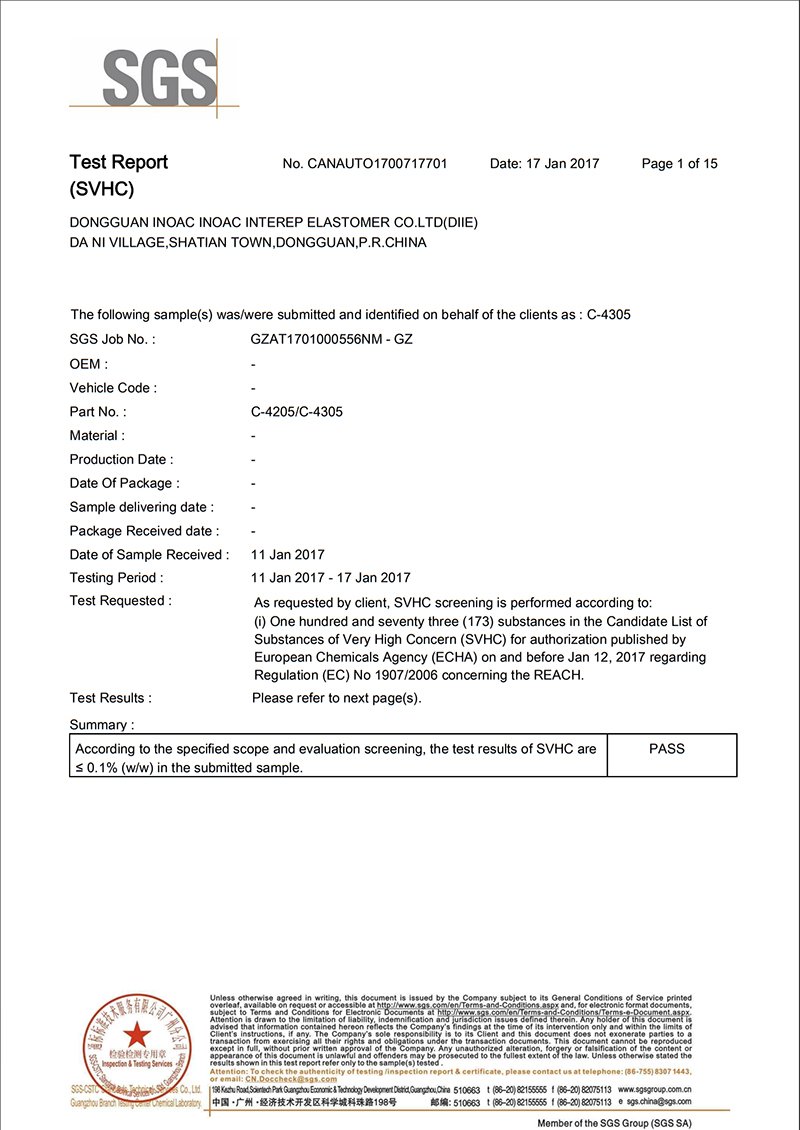
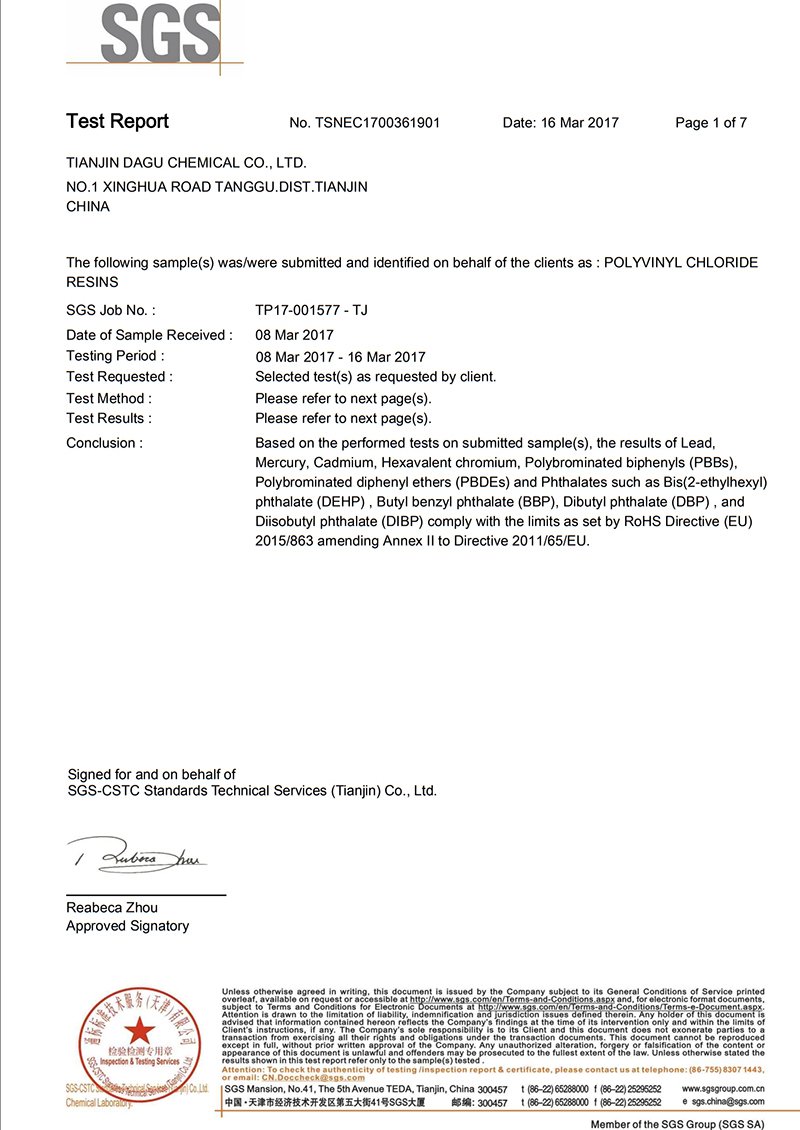
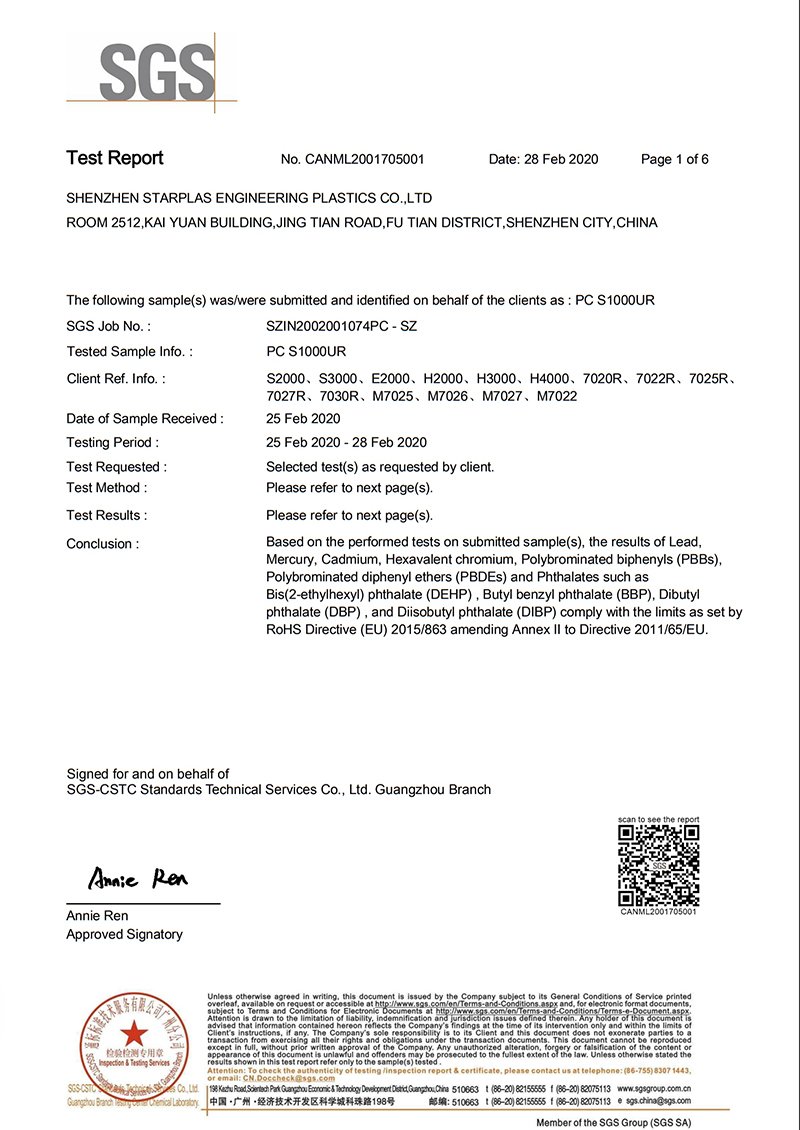
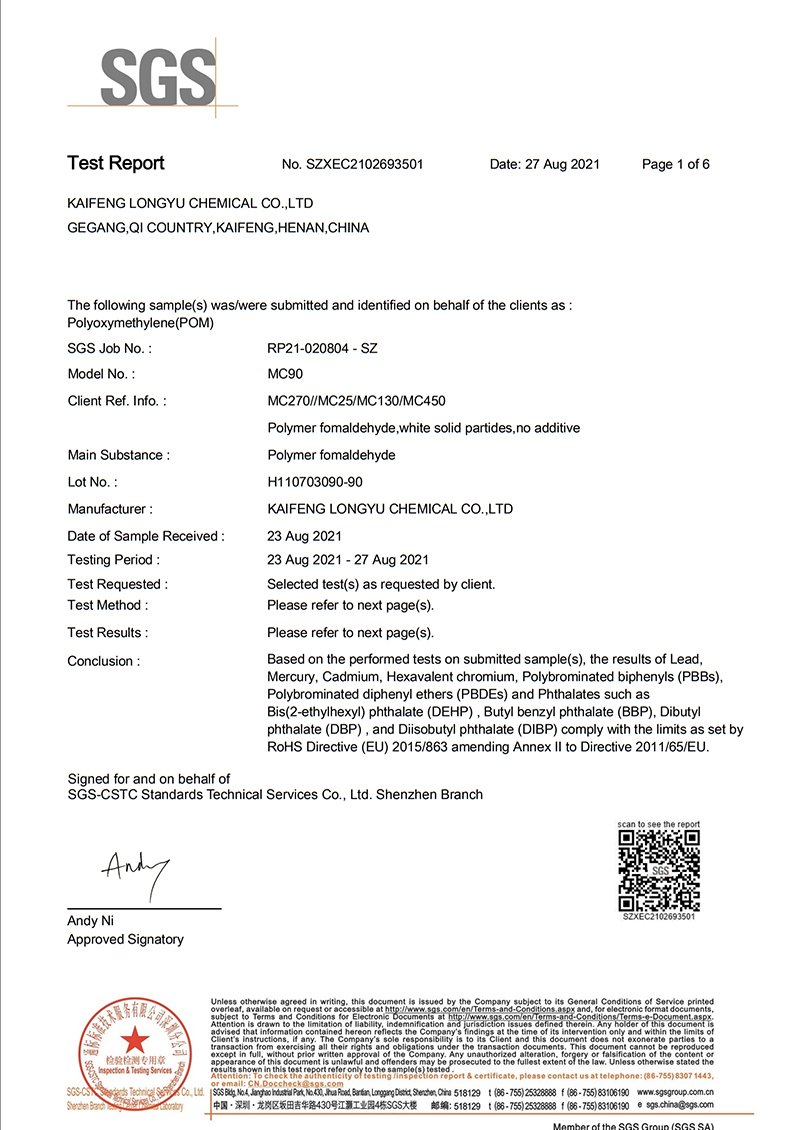
our Certifications
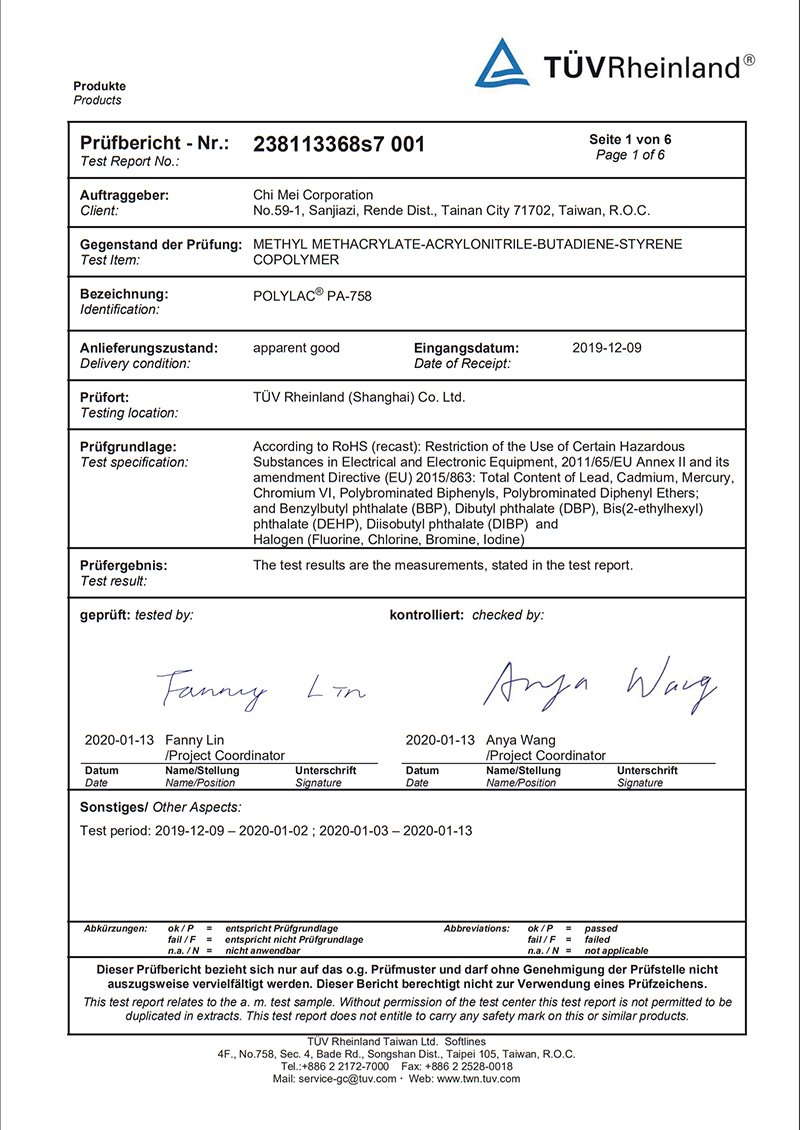
In order to provide better quality and service to meet the needs of customers,our factory and products have passed a lot of inspection and certification, and obtained a lot of certificates
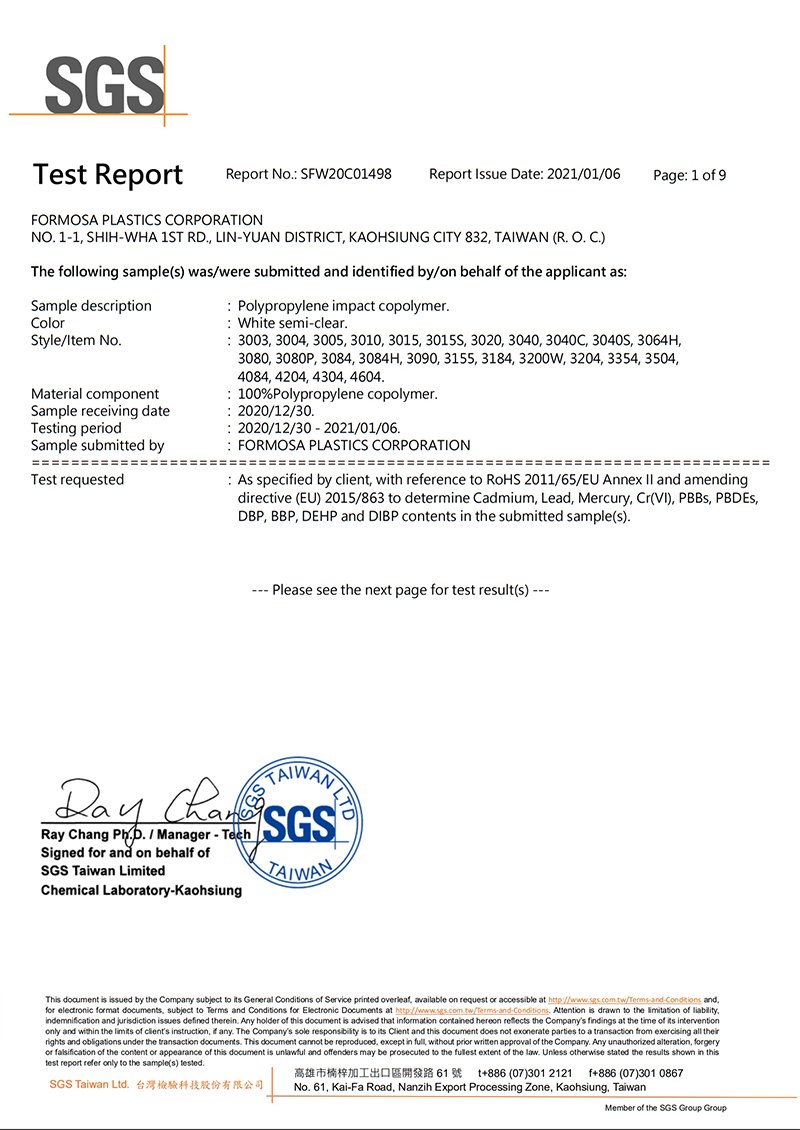
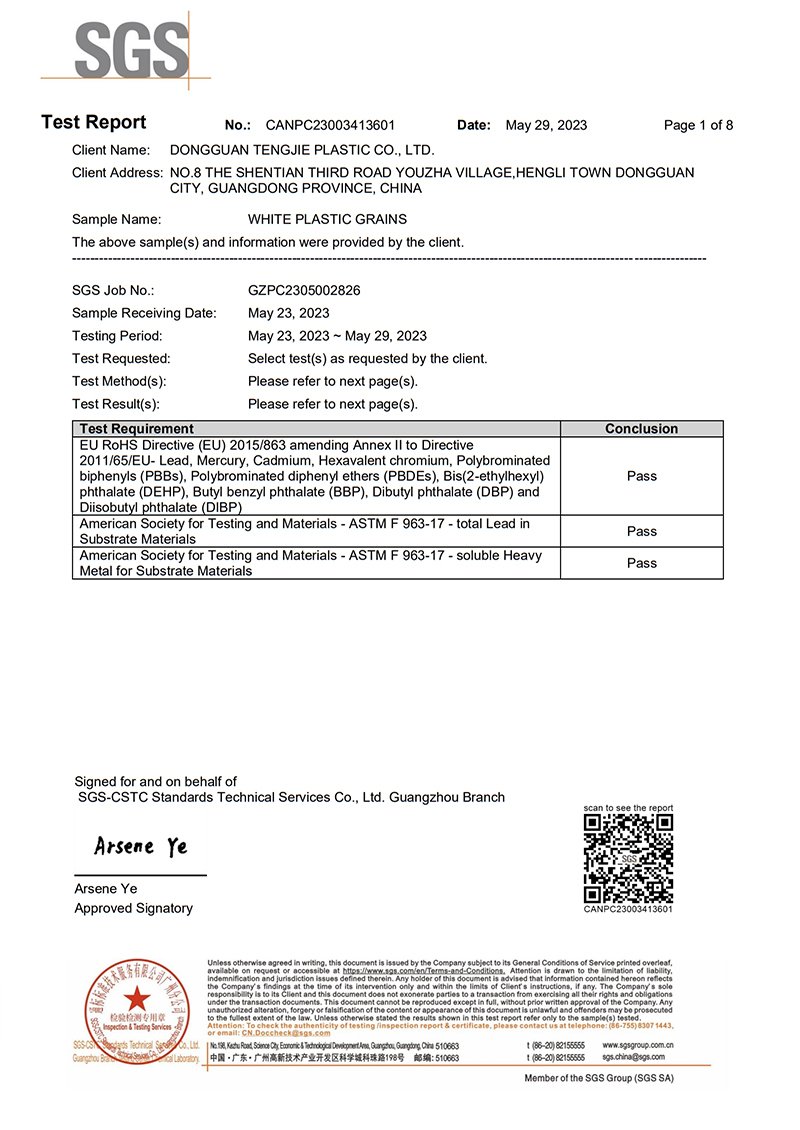
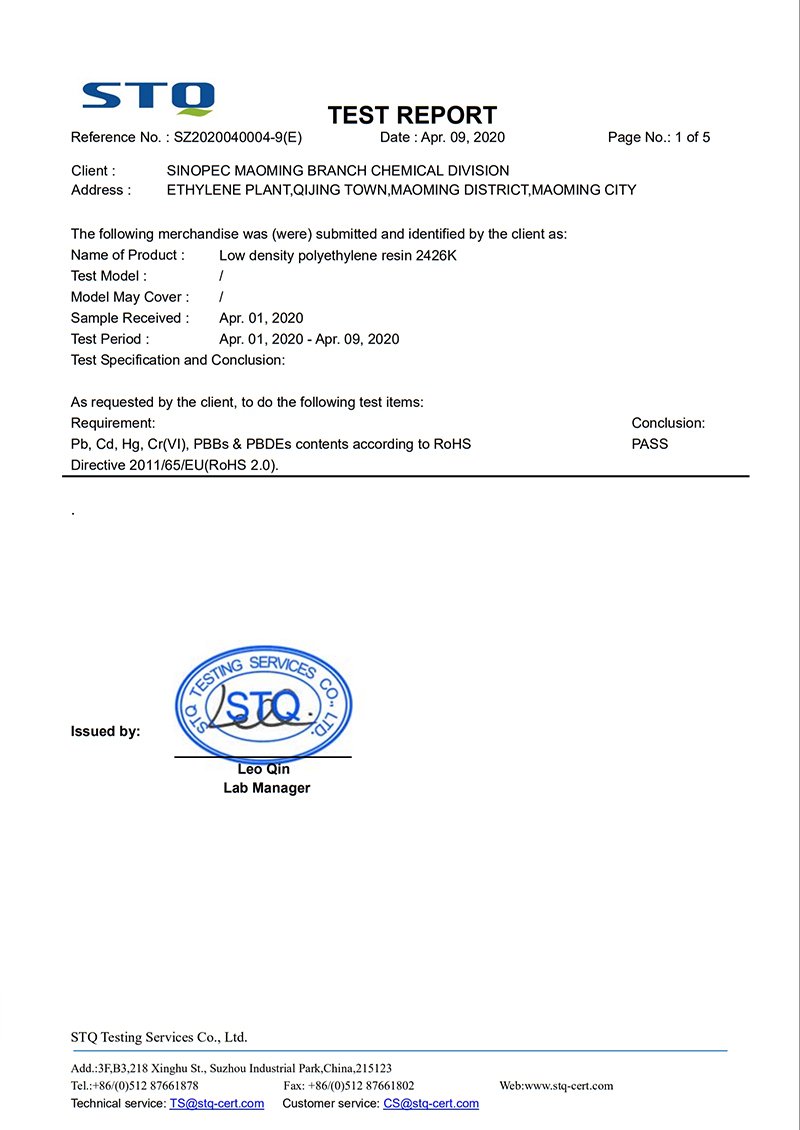
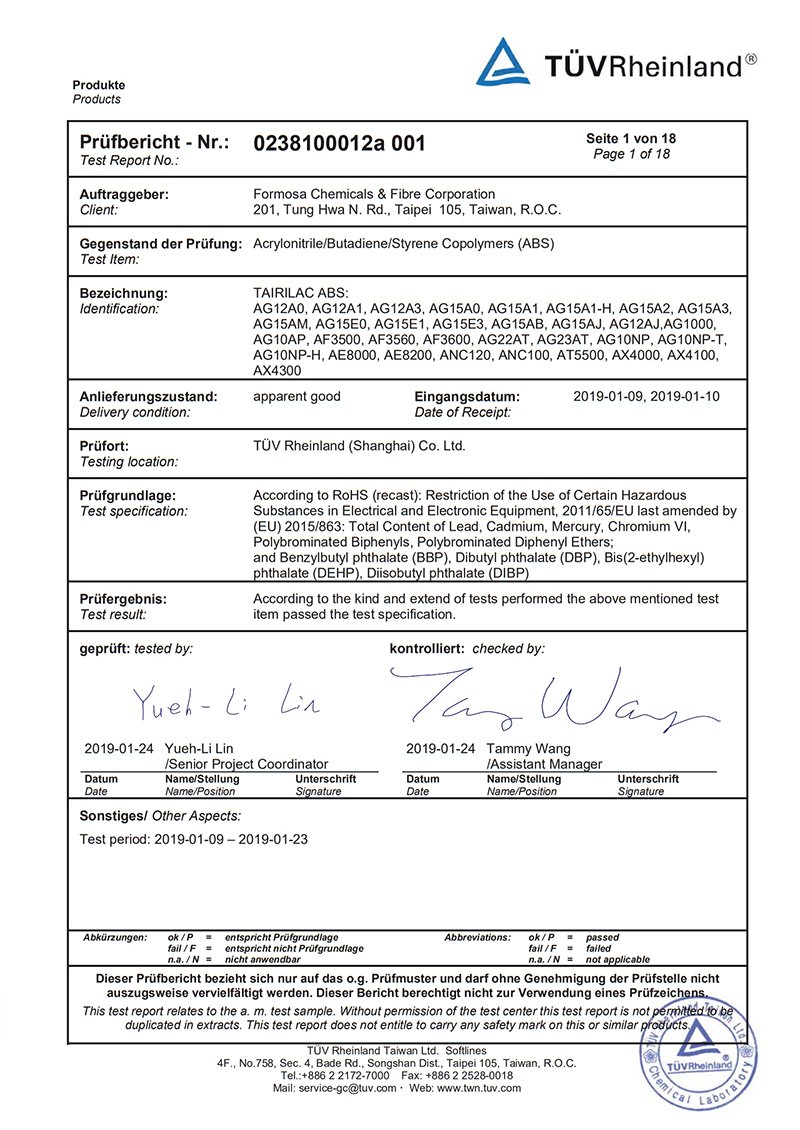
Our news
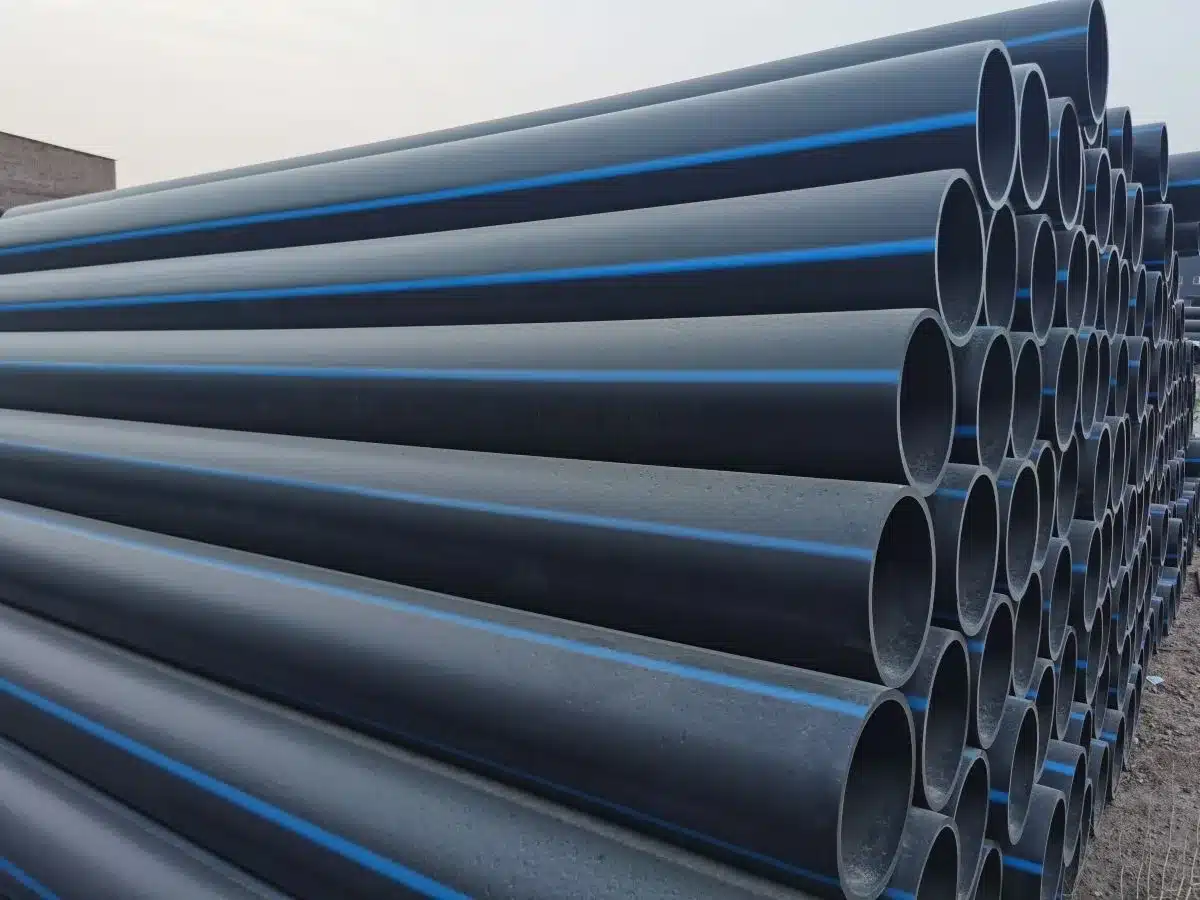
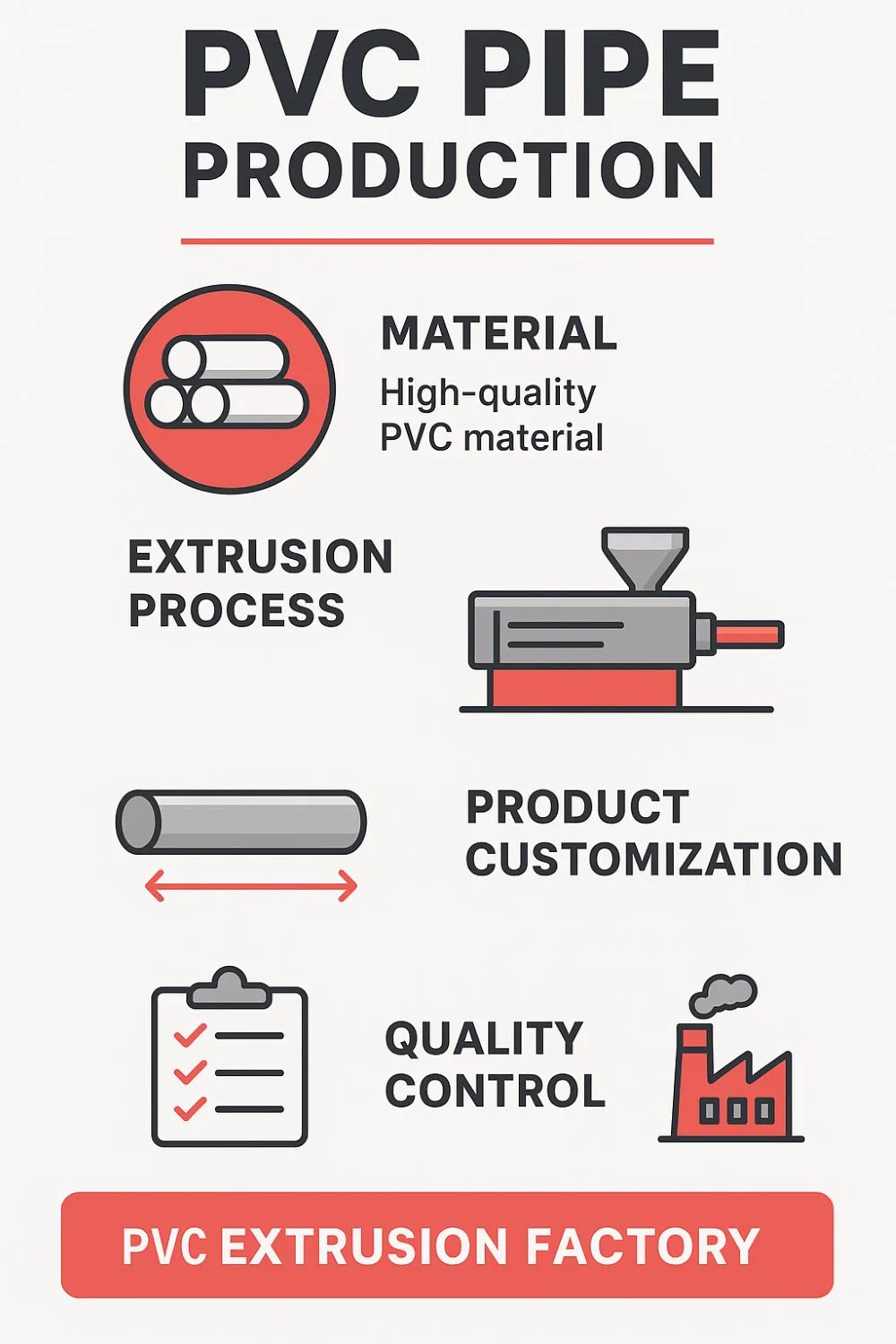
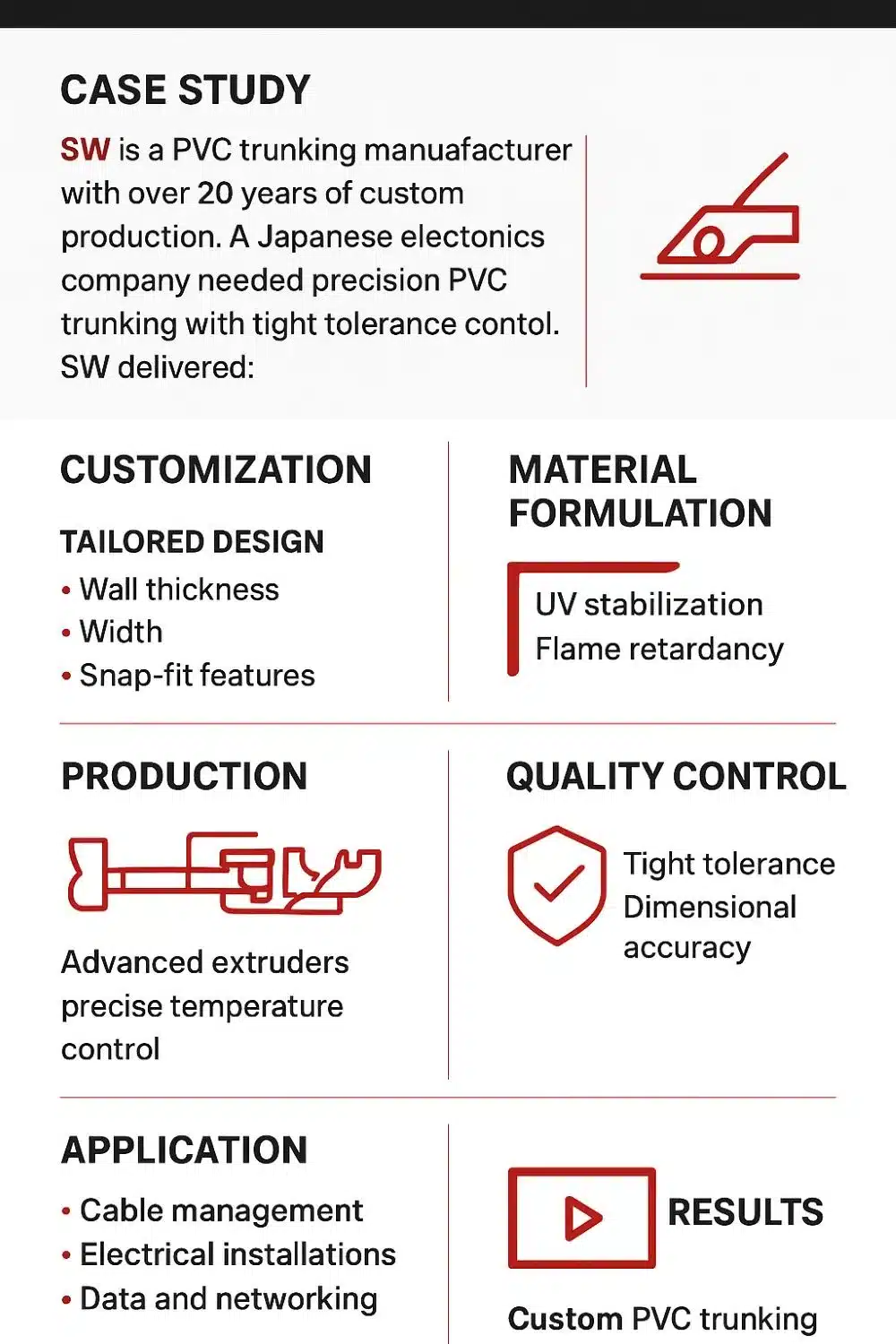
We have a PVC pipes factory of skilled engineers ready to support you in your product development journey from idea design to production.Any ideas about your product you can contact us freely,and our engineers will get back to you with a quote asap. Whatsapp +86 188 2072 7151
Who is Shuowei?
Since 2006, Shuowei is a professional extrusion profiles factory based in Guangdong, China. There are total about 51-100 people in our office. Shuowei PVC extrusion factory is committed to the design and production of extruded profiles, such as PVC pipes, PE trunking, PVC skirting line. Since its inception, we have won the wide recognition of the market and the deep trust of customers with our ingenious design, exquisite technology and the ultimate pursuit of quality.
Are you a manufacturer or a trader?
We are a Chinese top PVC extrusion profiles manufacturer and our factory is located in Huizhou. Our factory has a 16,000㎡ production base, 5+ automated extrusion profiles production lines, an annual production capacity of 30,000 tons, and serves more than 500 customers worldwide. Welcome to visit our factory!
What is your product range?
We pecialize in the design and production of high quality extrusion profiles,such as PVC pipe, ABS extrusion, PC lampshades, PVC skirting lines, PP trunking, PE profiles…
How long does the custom development process take?
We support custom extrusion products. The usual process has 4 steps: demand confirmation → 3D design/proofing → test certification → mass production (cycle 3-8 weeks).
Do you have any international certifications?
We have passed ISO 9001, CE, RoHS, SGS and other certifications, and meet the mainstream standards of Europe, America, the Middle East and Asia

