
what are PE pipes
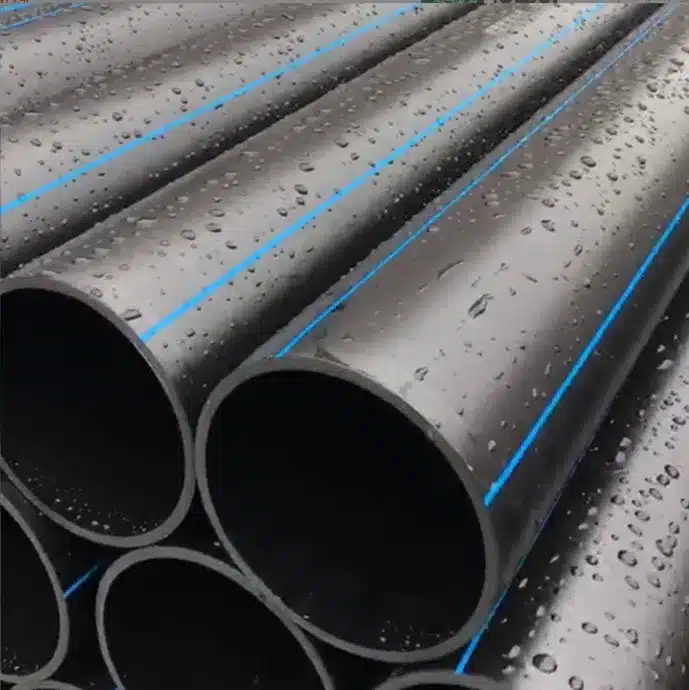
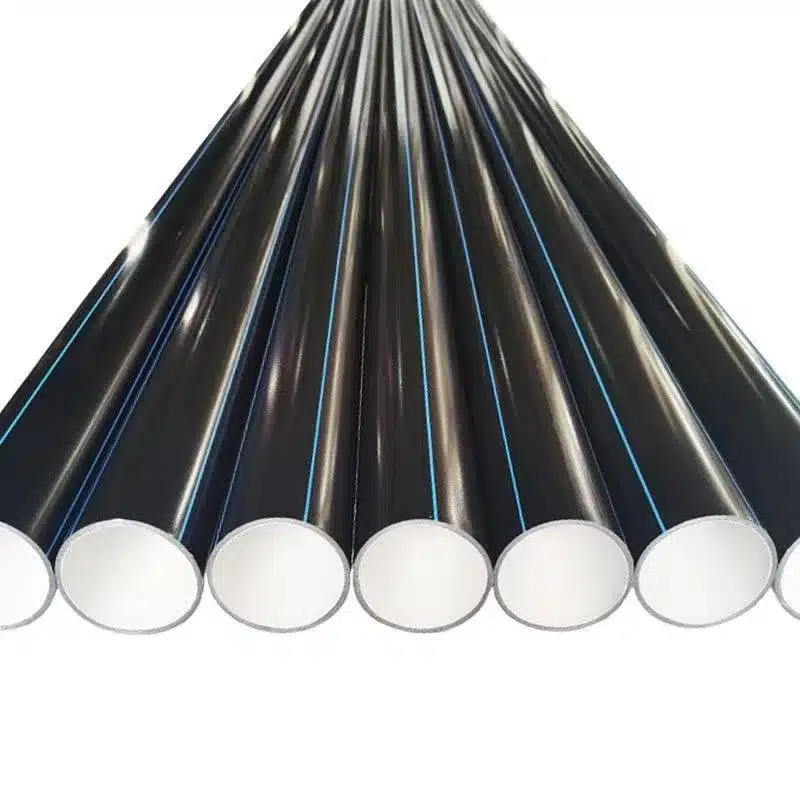
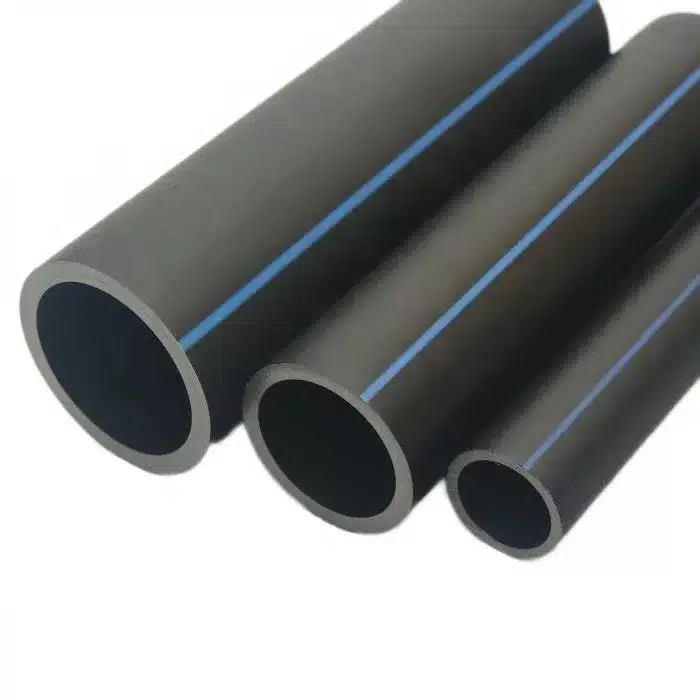
Among the various thermoplastic solutions available, PE pipes have become the gold standard for versatility and durability.
In the modern landscape of global infrastructure, the materials we choose to transport water, gas, and industrial fluids define the sustainability and efficiency of our cities. Among the various thermoplastic solutions available, PE pipes (Polyethylene pipes) have become the gold standard for versatility and durability. From high-density versions used in municipal water mains to flexible lines in agricultural irrigation, the demand for high-quality polyethylene solutions is higher than ever.
As a premier PE pipes manufacturer with over 20 years of specialized experience in extrusion technology, SW operates a state-of-the-art 6,000-square-meter PE pipes factory. Our facility is dedicated to the precision engineering of standard and custom PE pipes that meet the rigorous demands of international engineering standards. This blog explores the technical science, manufacturing excellence, and strategic advantages of integrating PE pipes into your next project.
1. Understanding the Material Science of PE Pipes
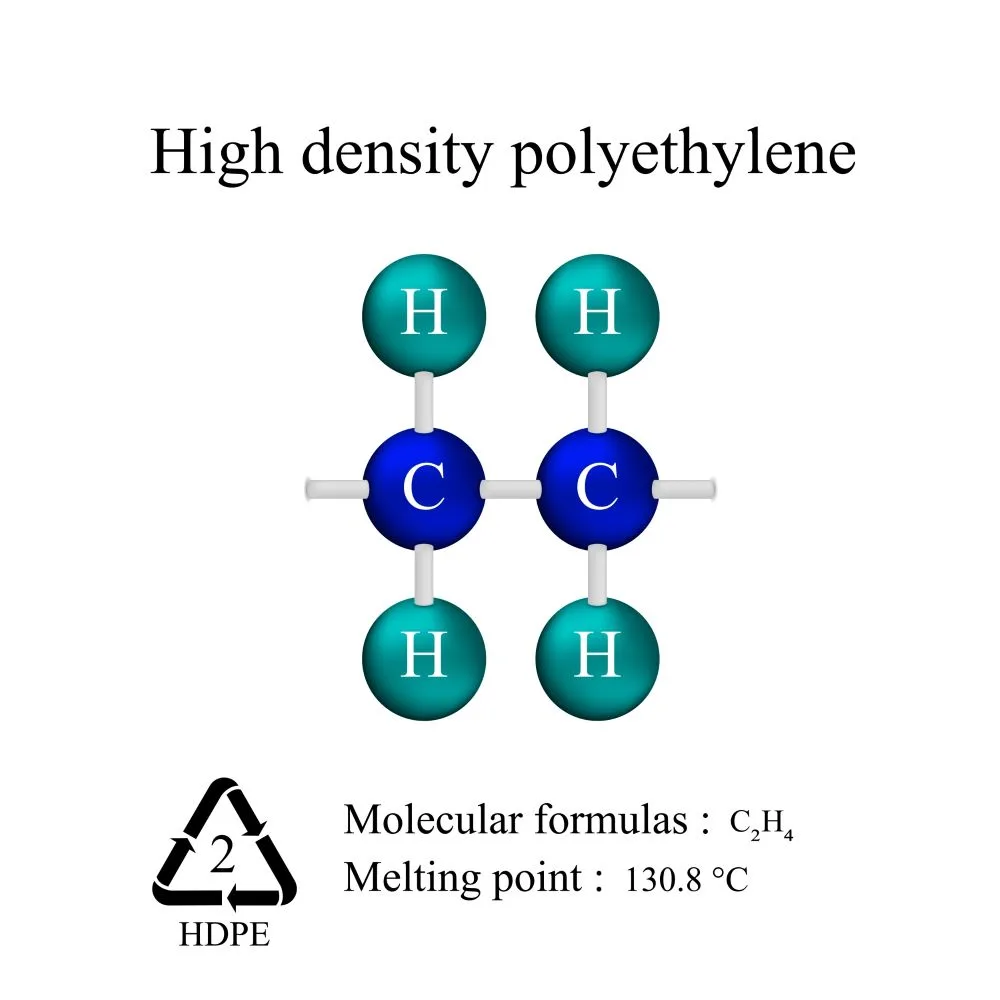
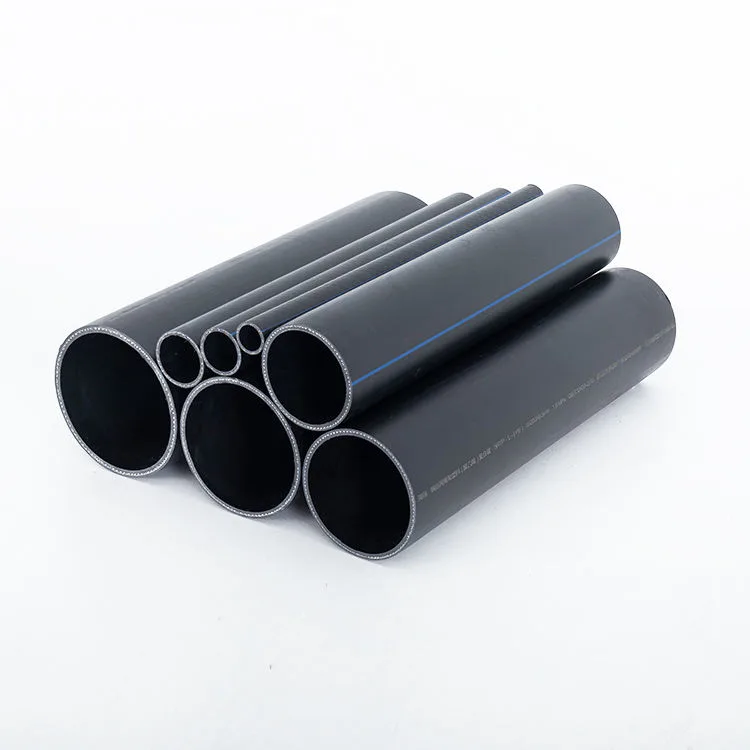
PE pipes are crafted from Polyethylene, a polymer characterized by its high strength-to-density ratio and exceptional chemical resistance. In the world of extrusion, we primarily focus on High-Density Polyethylene (HDPE), which offers a unique molecular structure that allows the pipe to be both rigid and flexible.
As a veteran PE pipes manufacturer, we categorize our production based on the material’s density and molecular weight. HDPE provides superior resistance to environmental stress cracking and chemical degradation, making PE pipes far superior to traditional materials like concrete or ductile iron. The inherent flexibility of the material allows it to withstand seismic shifts and ground movements, a feature that is critical for underground installations.
2. Inside the SW PE Pipes Factory: Precision Extrusion at Scale
The integrity of a piping system begins on the factory floor. Our 6,000-square-meter PE pipes factory is designed for high-efficiency, continuous extrusion. Unlike smaller shops, a professional PE pipes factory utilizes advanced automation to ensure that wall thickness and pipe diameter remain consistent across kilometers of production.
The Extrusion Process
The manufacturing of PE pipes involves several critical stages:
Material Preparation: Raw PE resin pellets are de-humidified and fed into the extruder.
Thermal Homogenization: The resin is melted and mixed at precise temperatures to ensure molecular consistency.
Die Shaping: The molten polymer is forced through a precision-engineered die.
Vacuum Calibration: To maintain strict tolerances, the pipe enters a vacuum sizing tank.
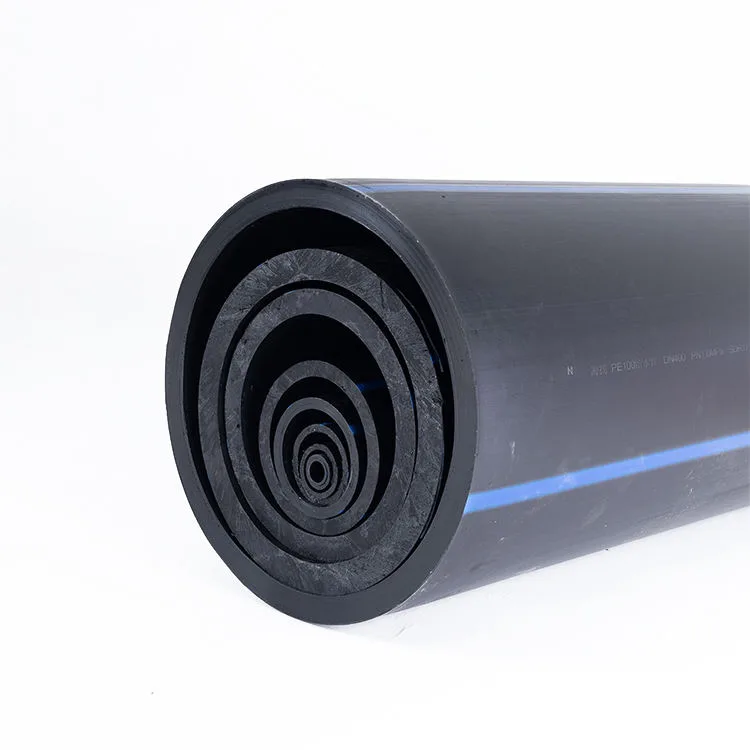
Cooling and Marking: Multi-stage water cooling tanks solidify the pipe before it is laser-marked with specifications.
At our PE pipes factory, we monitor these variables in real-time, ensuring that every meter of pipe leaving our facility is a testament to 20 years of engineering mastery.
3. Why Partner with a Specialized PE Pipes Manufacturer?
Selecting a PE pipes manufacturer is a decision that impacts the 50-year lifecycle of your project. A specialized manufacturer like SW brings more than just machinery; we bring “tribological” and mechanical expertise.
When you work with an established PE pipes manufacturer, you benefit from:
Certified Quality: Adherence to ISO, ASTM, and DIN standards.
Material Purity: We use 100% virgin resin to ensure that our PE pipes do not become brittle over time.
Technical Support: Our engineers assist in calculating flow rates and pressure requirements, ensuring the selected pipe grade is optimal for the intended application.
Reliability is the hallmark of a top-tier PE pipes manufacturer. With two decades of service to global distributors, we understand that a single pipe failure can lead to massive infrastructure costs, which is why our testing protocols are the strictest in the industry.
4. Tailored Engineering: The Advantage of Custom PE Pipes
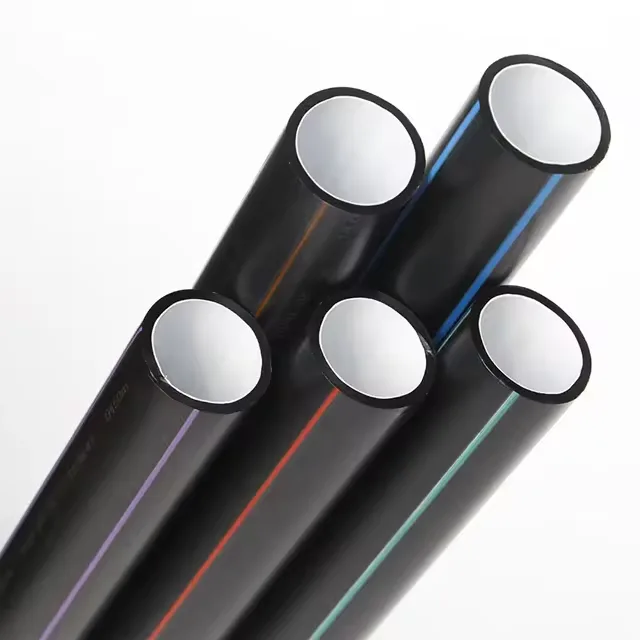
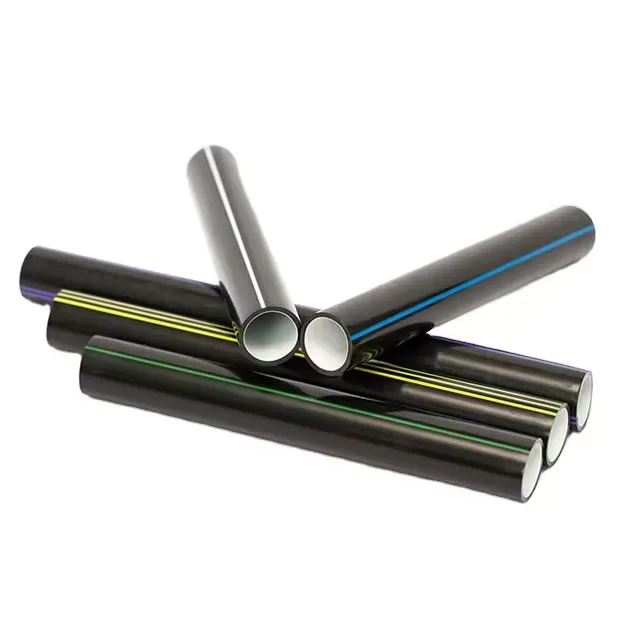
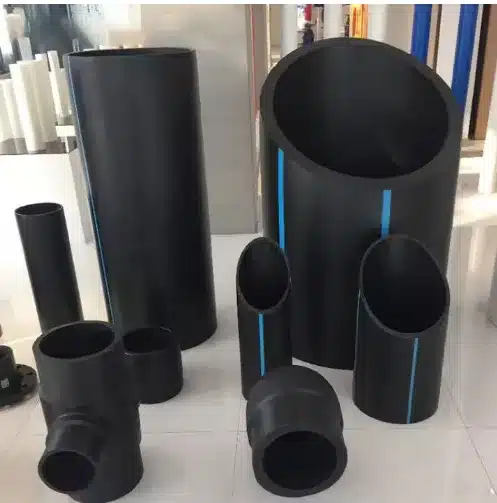
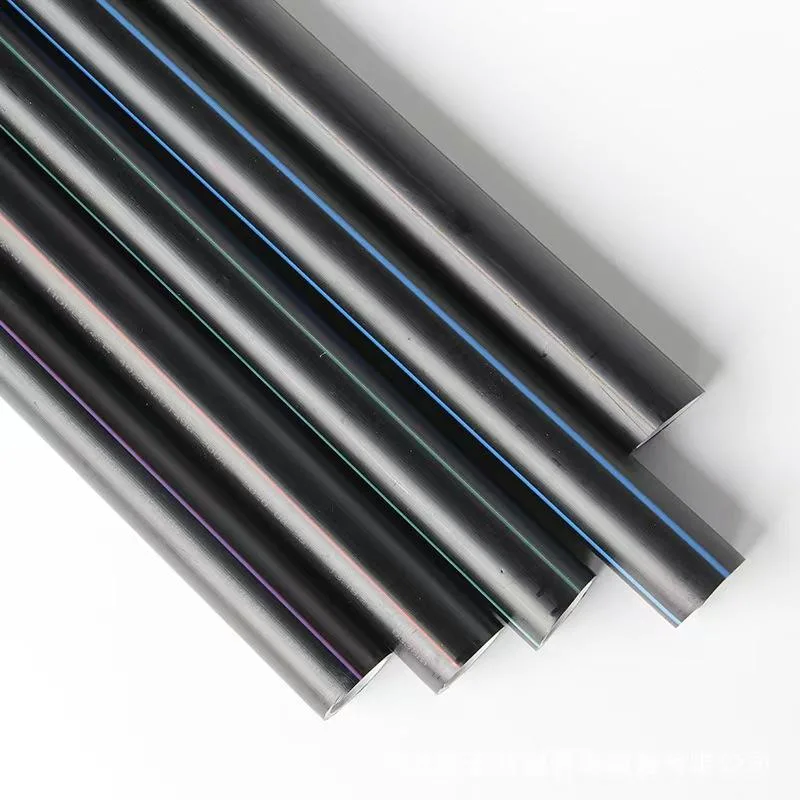
In complex industrial or agricultural environments, “off-the-shelf” sizes are not always sufficient. This is where the ability to source custom PE pipes becomes a strategic advantage. Whether you need a non-standard diameter, a specific wall thickness (SDR), or integrated color-coding for utility identification, custom PE pipes provide the flexibility required for modern engineering.
Applications for Custom Solutions
Mining Slurries: Custom PE pipes with extra-thick walls to handle abrasive materials.
Telecommunications: Multi-duct PE pipes designed for protecting underground fiber optic cables.
Chemical Transport: Specialized formulations that include UV stabilizers or flame retardants.
As a versatile PE pipes factory, SW specializes in moving from design blueprints to finished extruded profiles quickly. Our in-house tooling department allows us to create custom PE pipes that solve unique hydraulic challenges, reducing the need for expensive adapters and fittings on-site.
5. Technical Specifications: SDR and Pressure Ratings
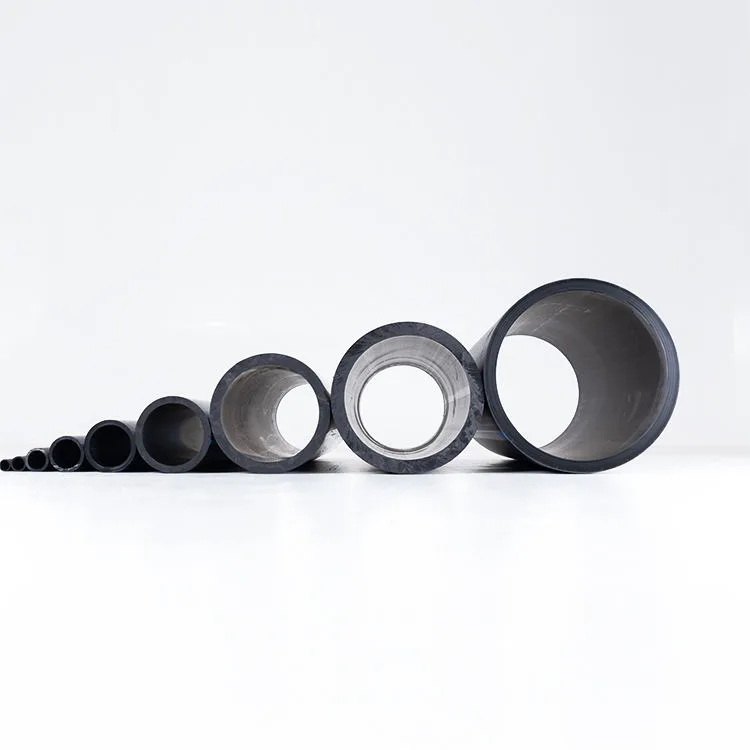
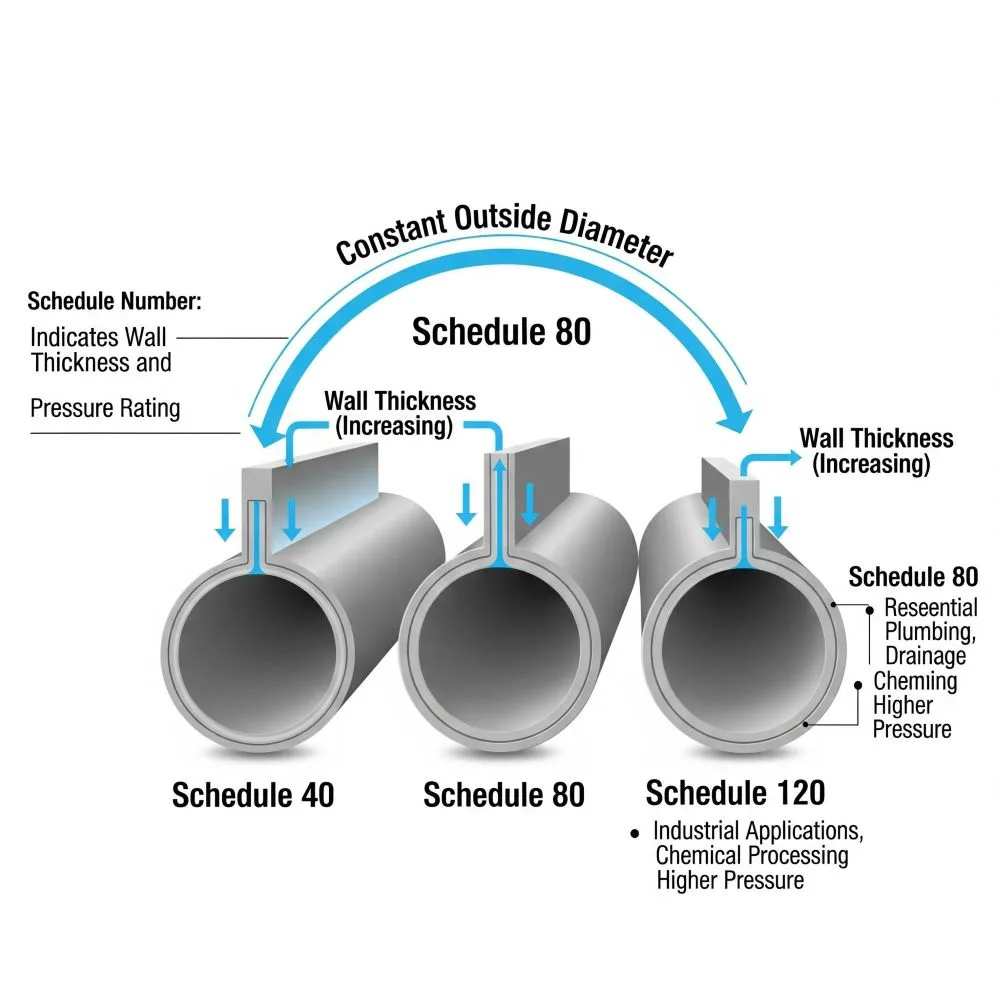
When engineers specify PE pipes, they focus on the Standard Dimension Ratio ($SDR$). The $SDR$ is a critical factor in determining the pipe’s ability to withstand internal and external pressure.
The formula for $SDR$ is expressed as:
Where:
$D_n$ is the nominal outside diameter.
$s_n$ is the nominal wall thickness.
A lower $SDR$ value indicates a thicker pipe wall, which corresponds to a higher pressure rating (PN). For example, an $SDR11$ pipe has a much higher pressure capacity than an $SDR17$ pipe. As your PE pipes manufacturer, we provide detailed technical datasheets that allow engineers to select the exact $SDR$ required for their specific fluid dynamics.
6. Jointing and Installation: The Efficiency of PE Pipes
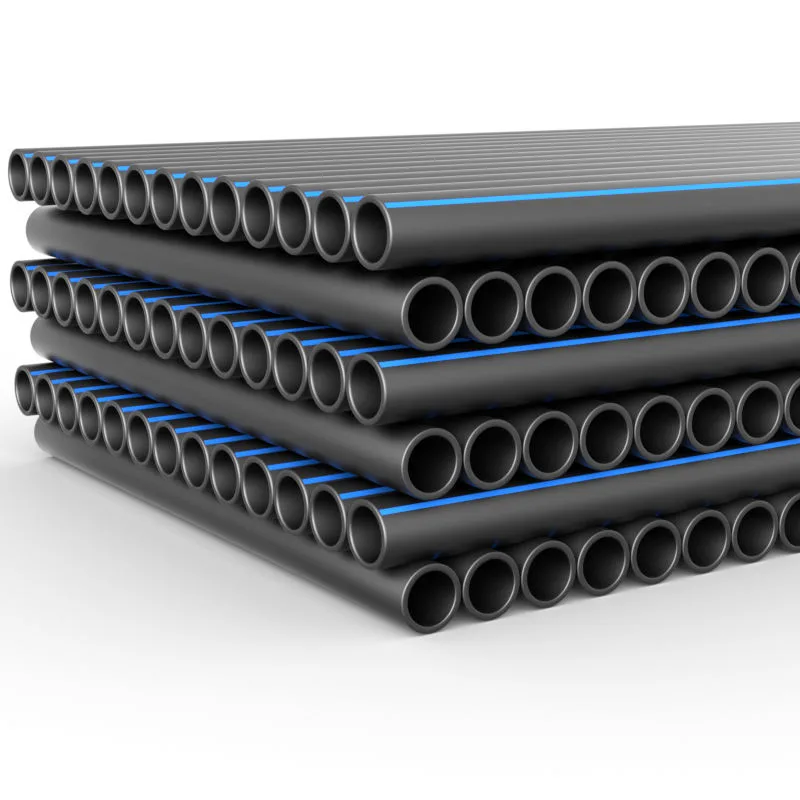
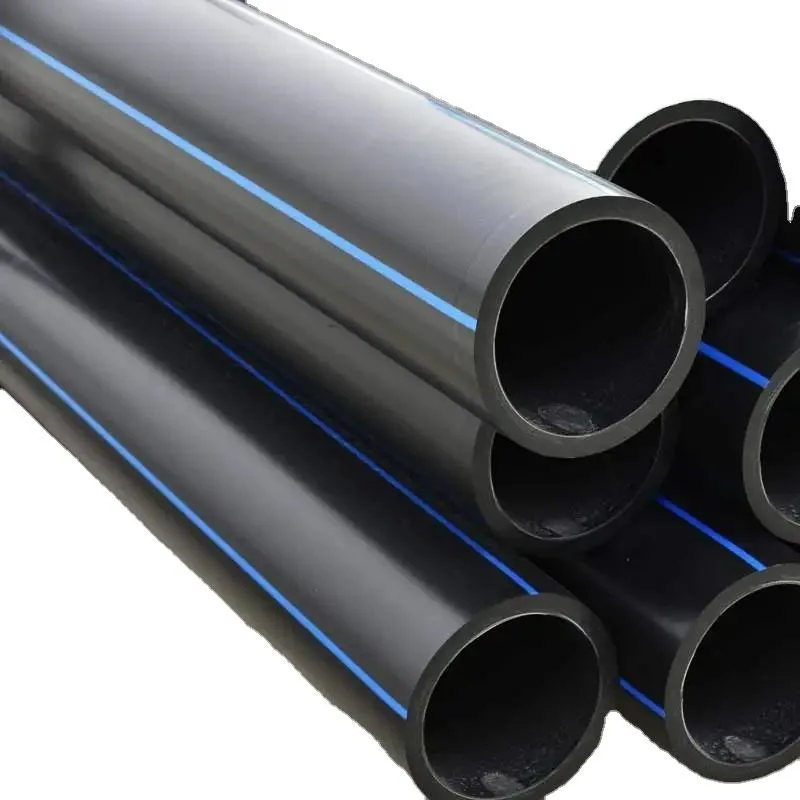
One of the reasons contractors prefer PE pipes is the ease of installation. Unlike metal pipes that require heavy welding or concrete pipes that need complex seals, PE pipes can be joined through heat fusion.
Butt Fusion: Melting the ends of two pipes and pressing them together to create a monolithic joint that is stronger than the pipe itself.
Electrofusion: Using specialized fittings with internal heating coils to bond the PE pipes.
Mechanical Couplings: Ideal for custom PE pipes in temporary or modular installations.
Because PE pipes are lightweight, they require less heavy machinery for transport and laying, significantly reducing the carbon footprint and labor costs of a project.
7. Sustainability and the Environmental Impact of PE Pipes
As we move toward 2026, environmental responsibility is no longer optional. PE pipes are inherently eco-friendly. They have a low carbon footprint during production compared to iron or steel. Furthermore, because they do not leak (thanks to fusion-bonded joints), they prevent the loss of treated water—a major global concern.
At our PE pipes factory, we implement “closed-loop” recycling for internal scrap. Polyethylene is 100% recyclable; at the end of its 50-to-100-year service life, PE pipes can be reground and repurposed for non-pressure applications, ensuring a circular economy in the construction industry.
Partner with SW for High-Performance PE Pipes
The evolution of infrastructure requires materials that are resilient, flexible, and cost-effective. PE pipes represent the pinnacle of modern thermoplastic engineering. However, the performance of these pipes is only as good as the PE pipes manufacturer behind them.
With 20 years of extrusion excellence, a high-capacity 6,000sqm PE pipes factory, and a dedication to providing custom PE pipes, SW is ready to be your technical partner. We don’t just ship products; we deliver a legacy of engineering precision to every corner of the globe.
Would you like a technical datasheet for our high-pressure PE pipes, or are you interested in a custom quote for your next infrastructure project?
PE pipes recommend
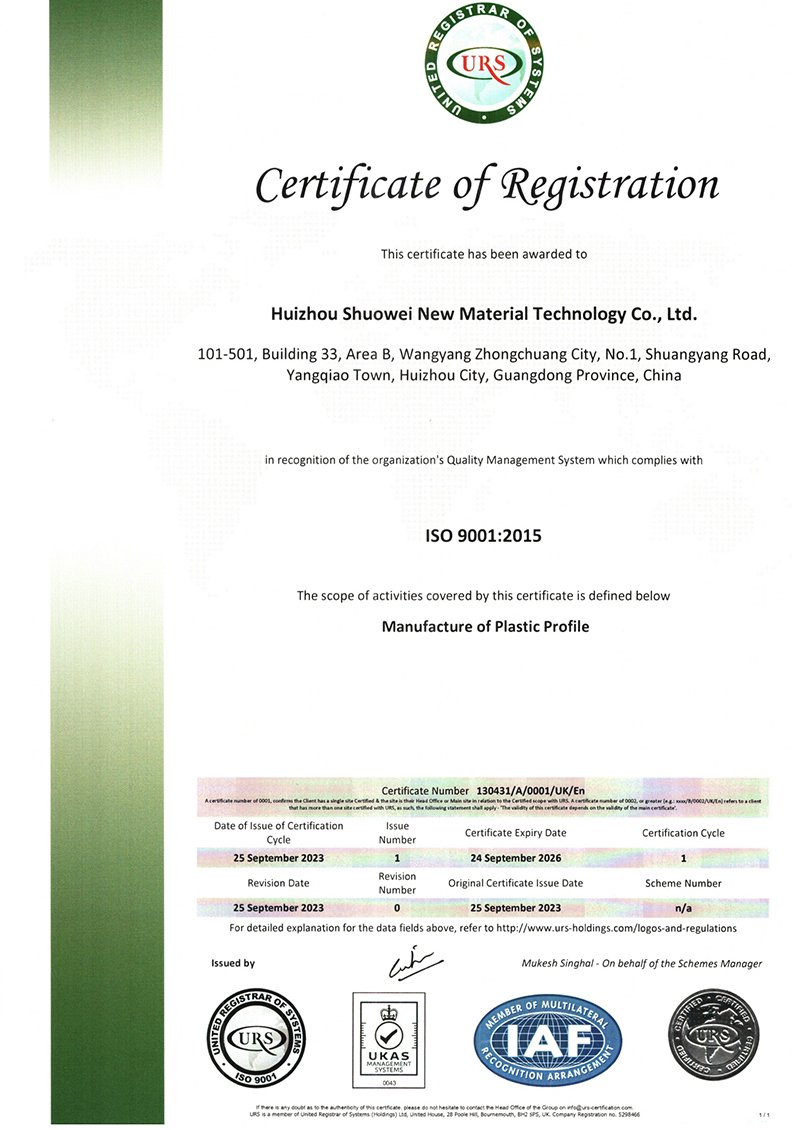
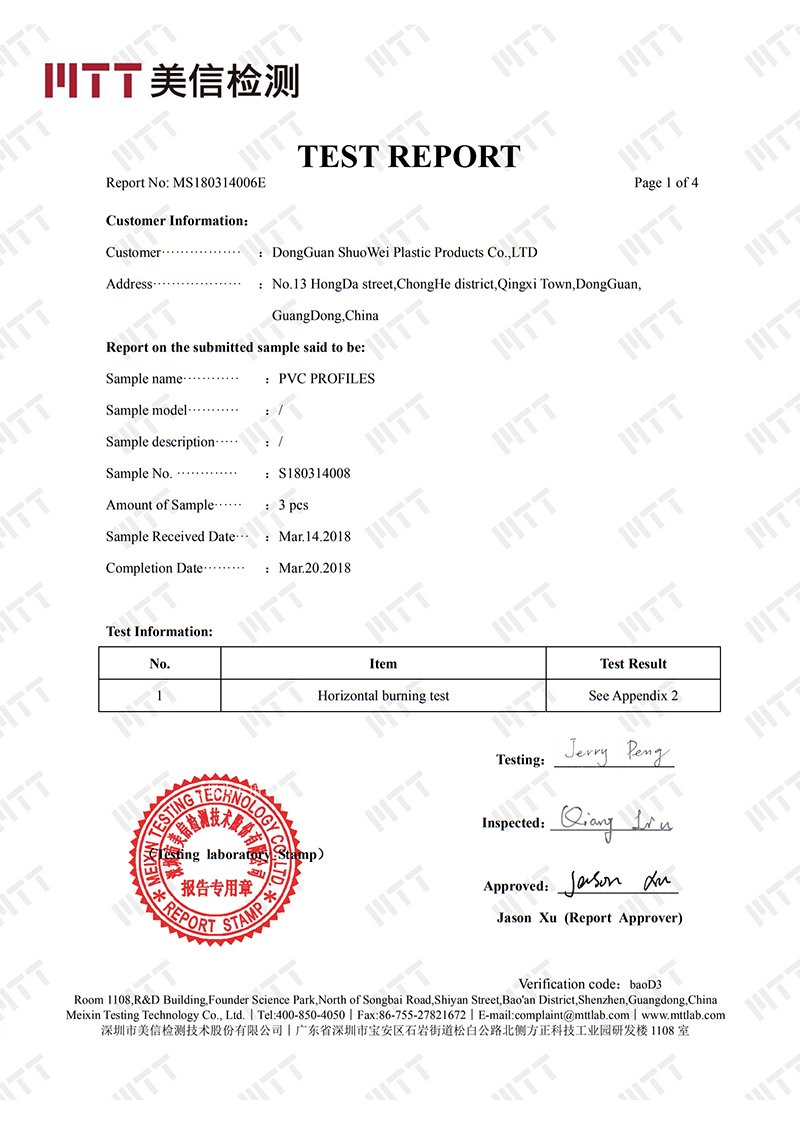
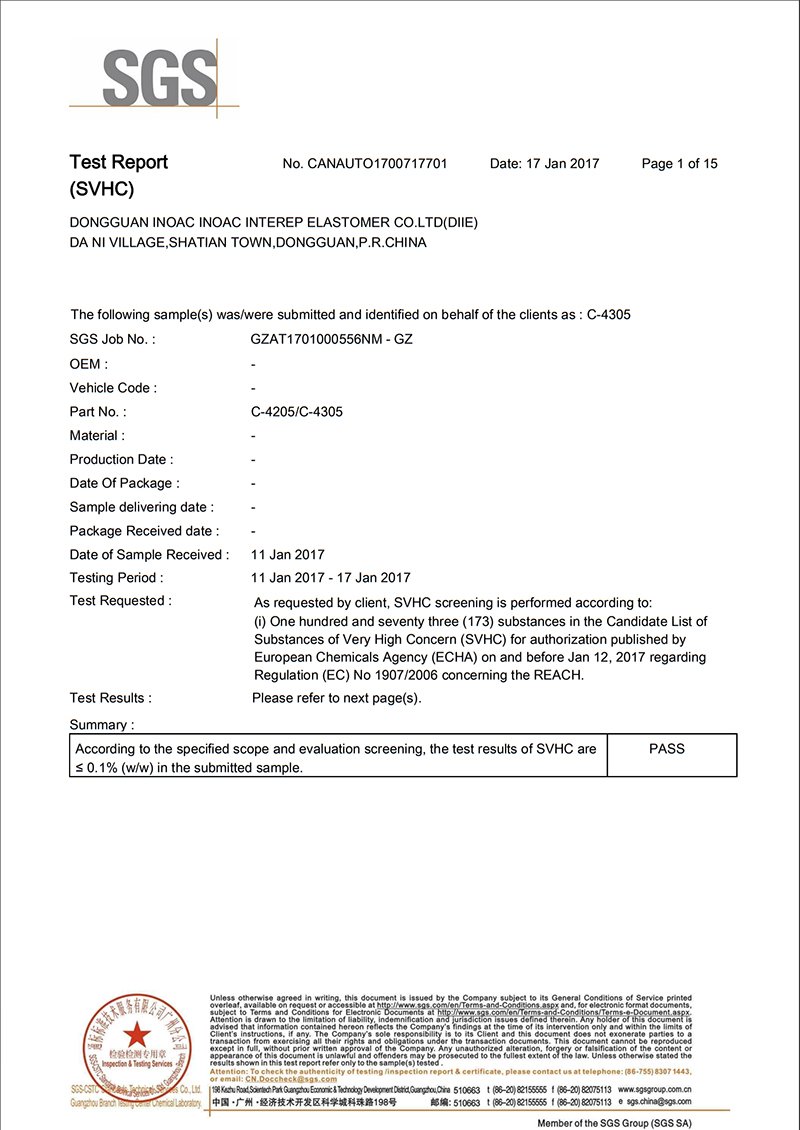
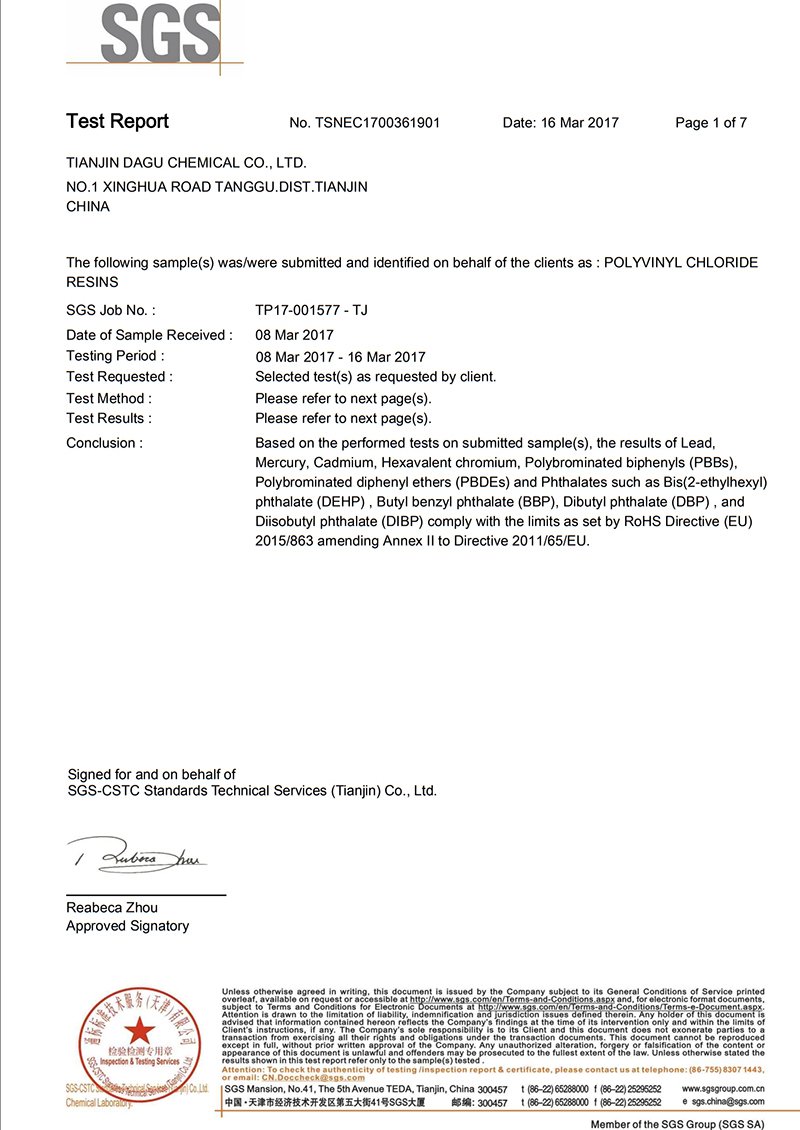
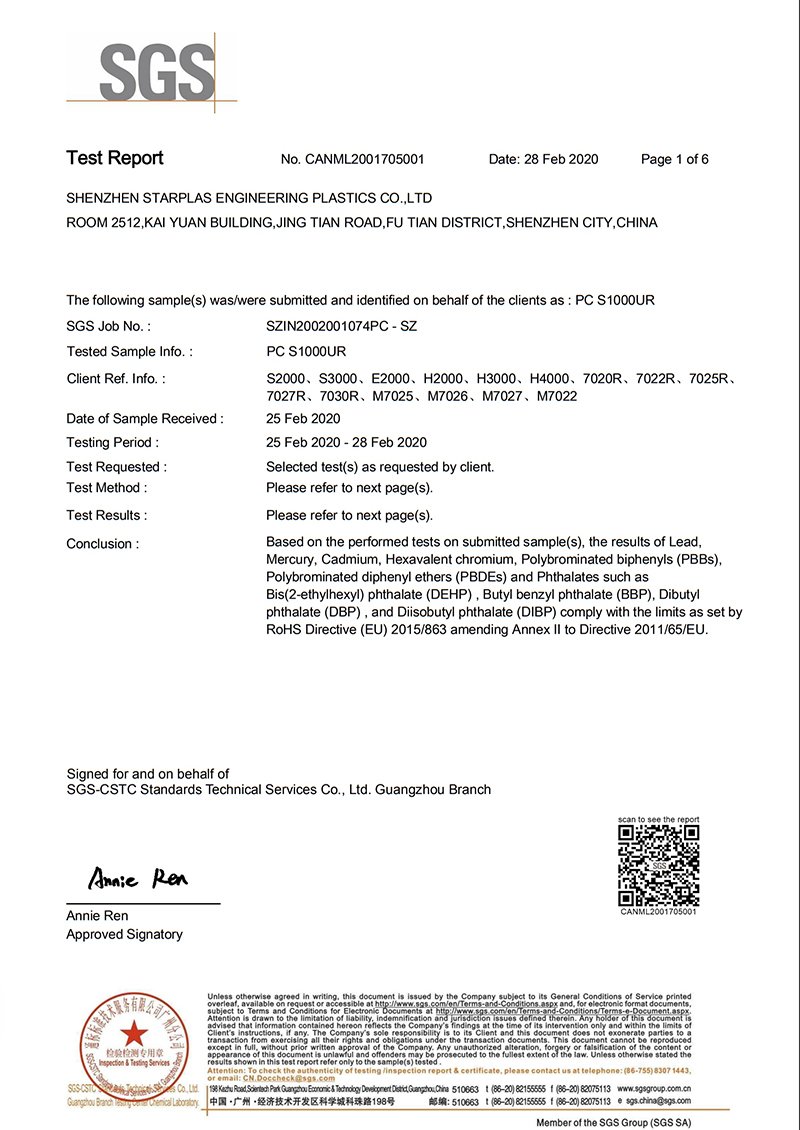
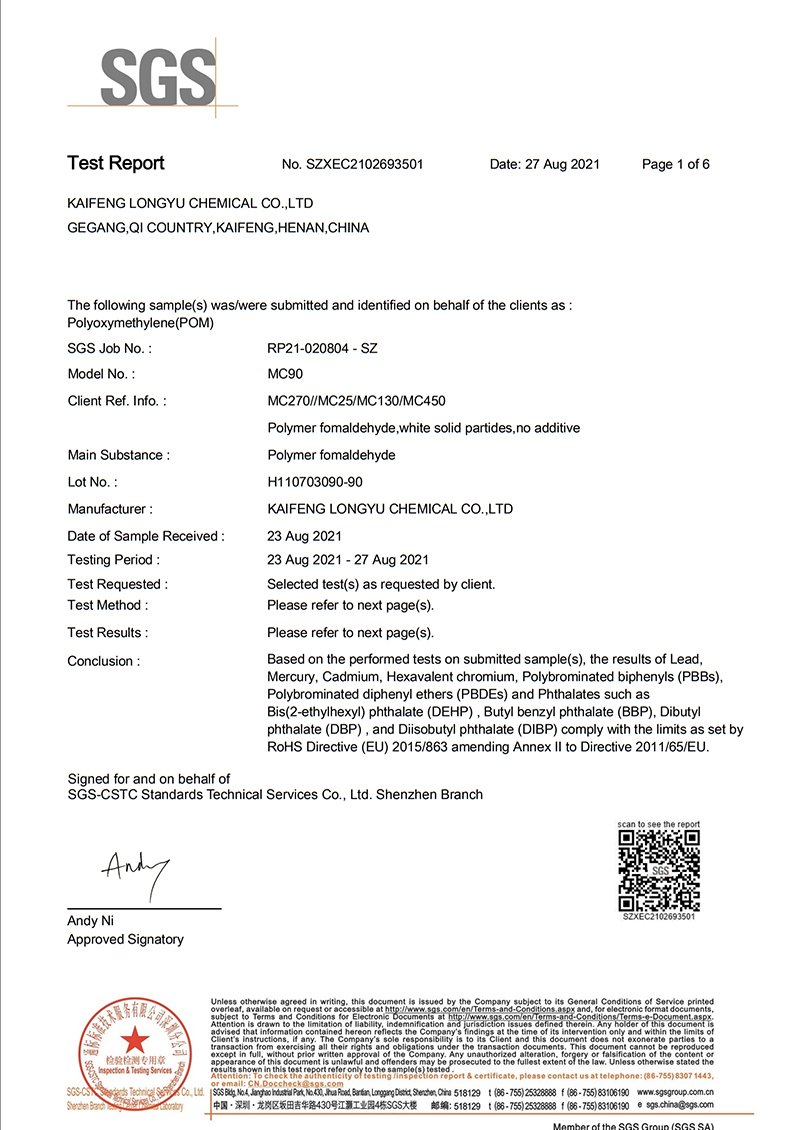
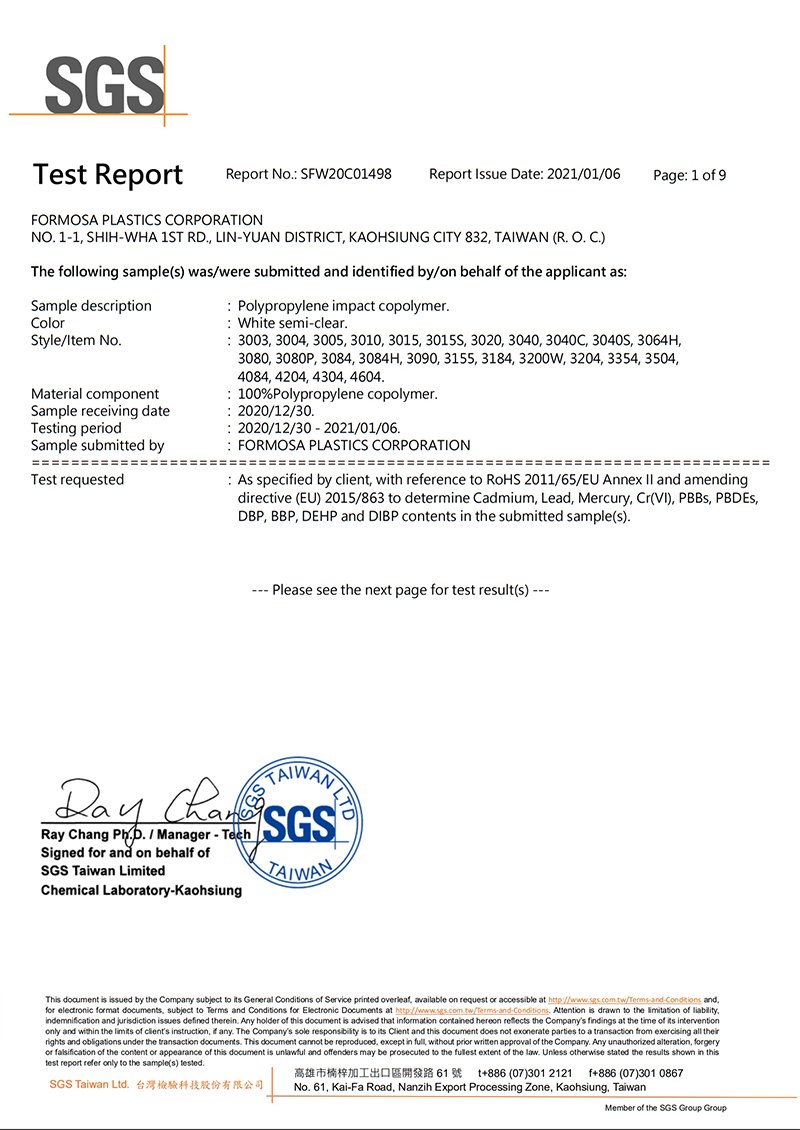
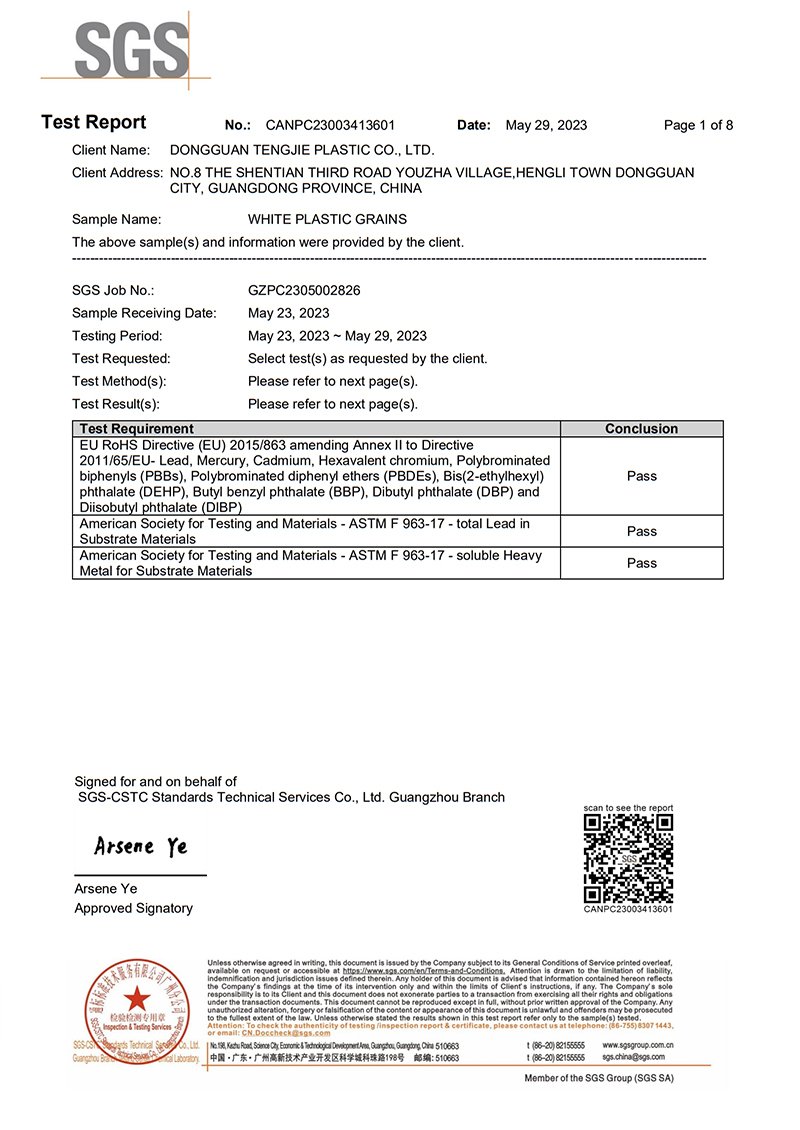
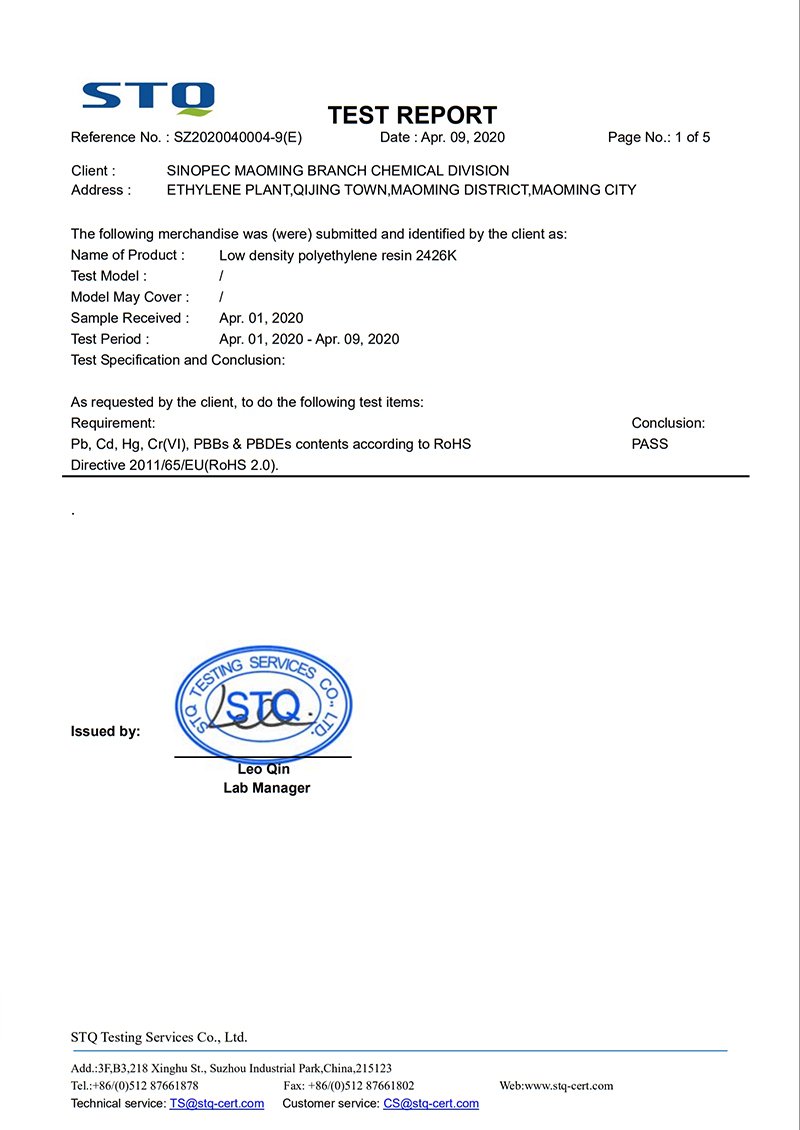
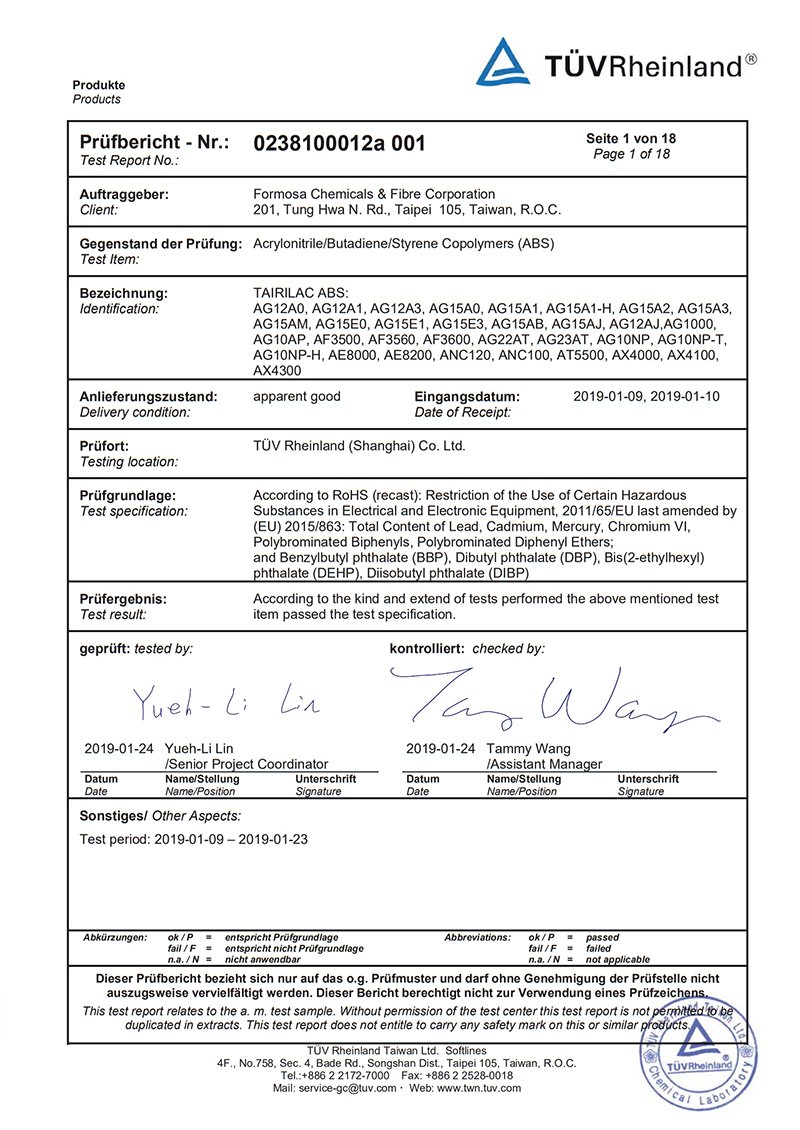
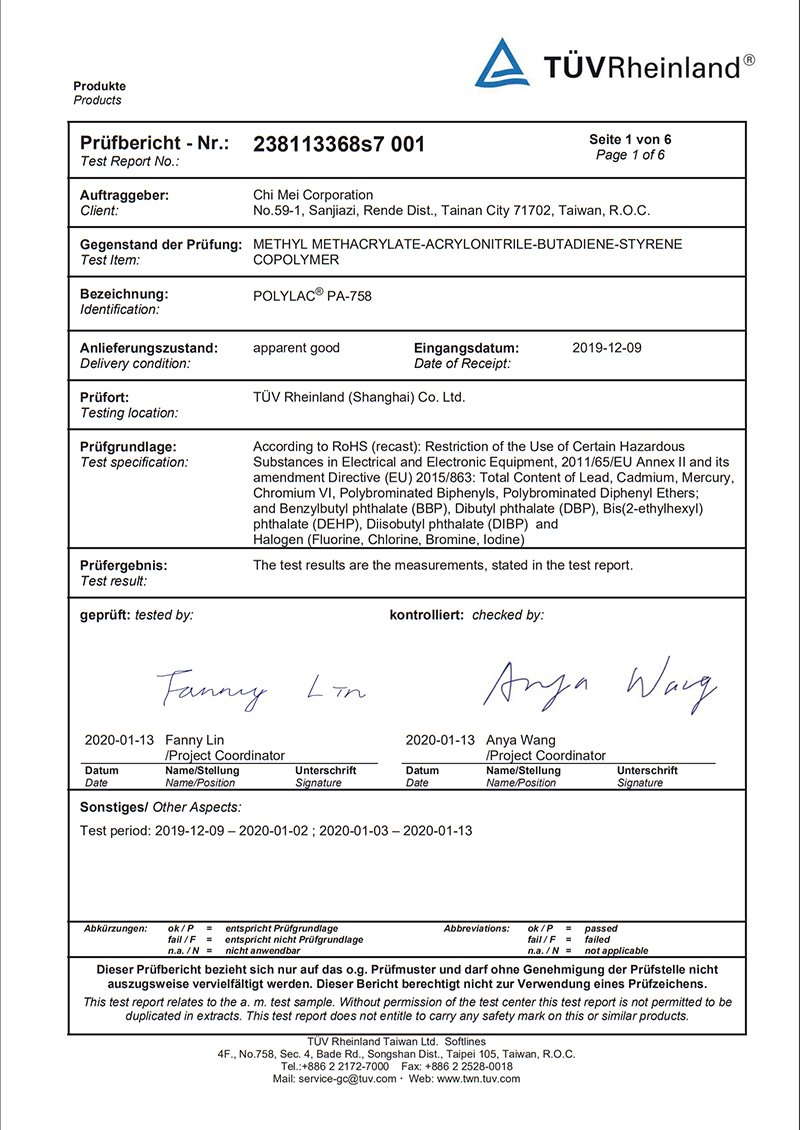
SW Certifications
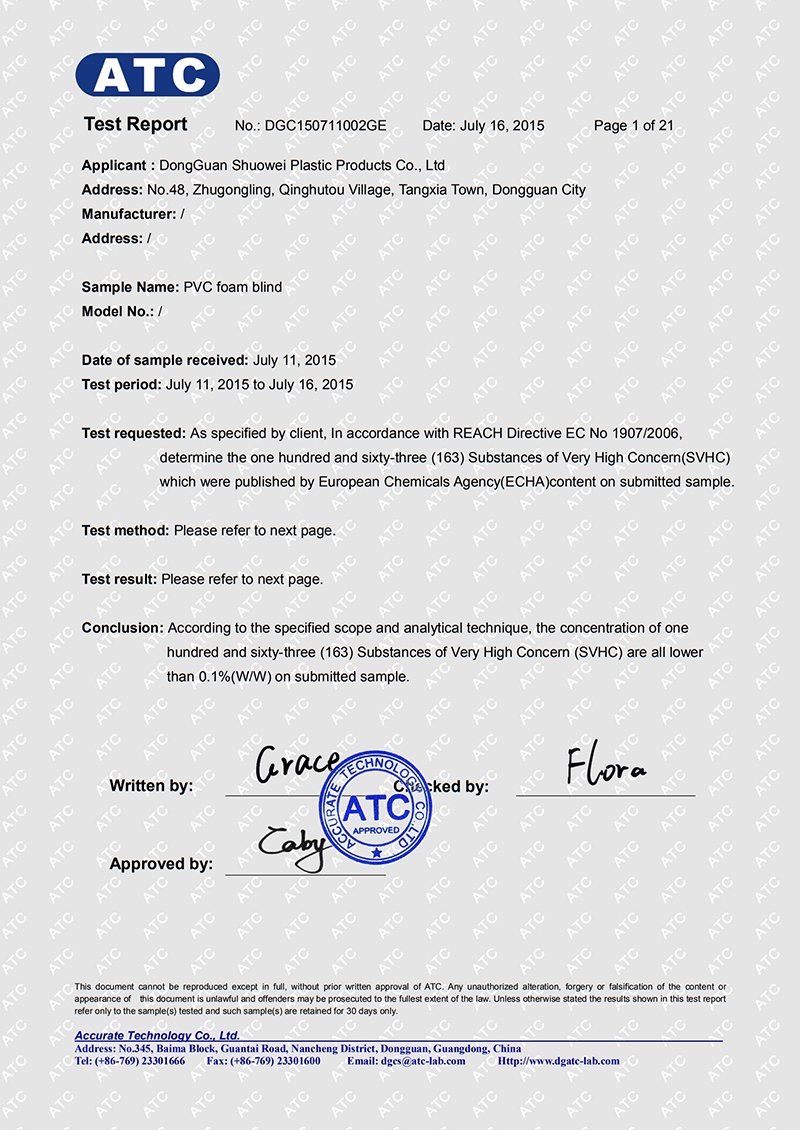
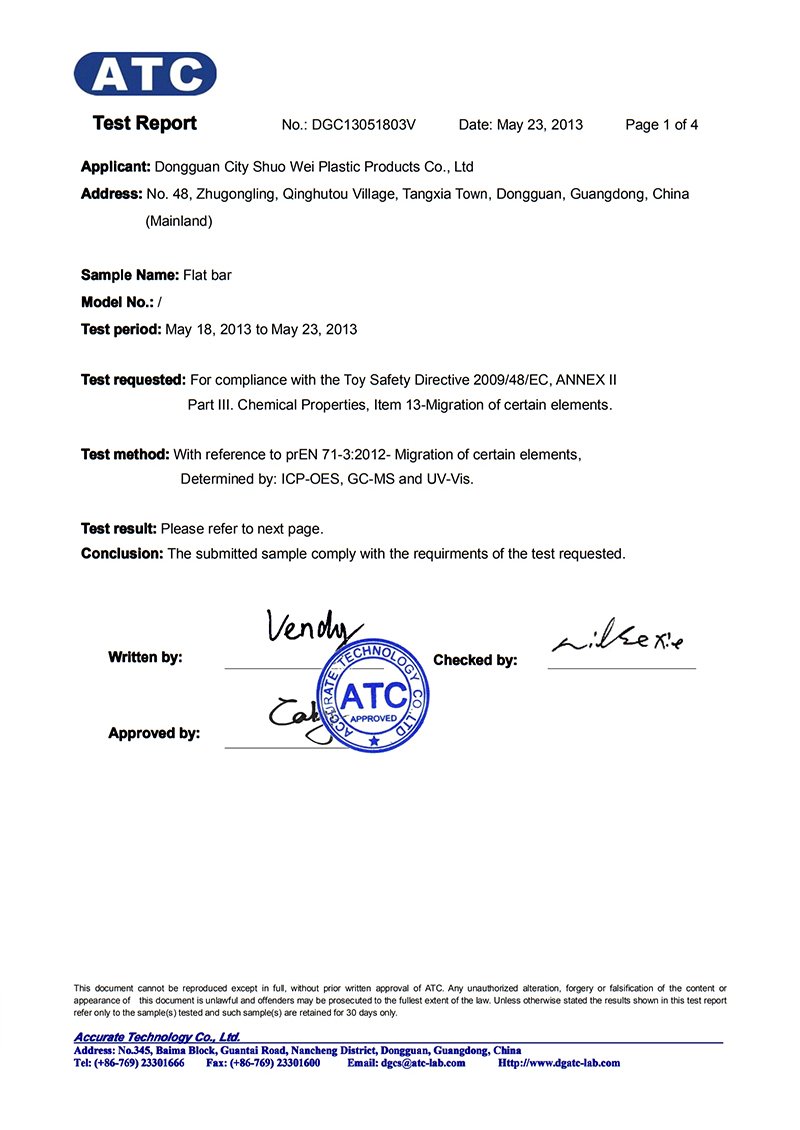
In order to provide better quality and service to meet the needs of customers,our factory and products have passed a lot of inspection and certification, and obtained a lot of certificates
Our news
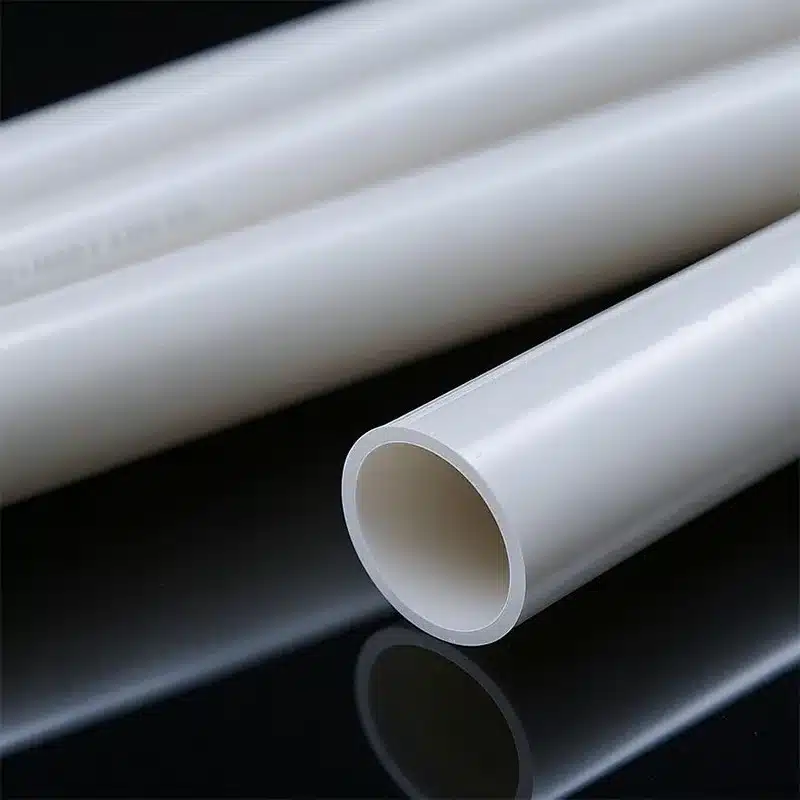


We have a ABS pipe supplier of skilled engineers ready to support you in your product development journey from idea design to production.Any ideas about your product you can contact us freely,and our engineers will get back to you with a quote asap. Whatsapp +86 188 2072 7151
Who is Shuowei?
Since 2006, Shuowei is a professional extrusion profiles factory based in Guangdong, China. There are total about 51-100 people in our office. Shuowei PVC extrusion factory is committed to the design and production of extruded profiles, such as PVC pipes, PE trunking, PVC skirting line. Since its inception, we have won the wide recognition of the market and the deep trust of customers with our ingenious design, exquisite technology and the ultimate pursuit of quality.
Are you a manufacturer or a trader?
We are a Chinese top PVC extrusion profiles manufacturer and our factory is located in Huizhou. Our factory has a 16,000㎡ production base, 5+ automated extrusion profiles production lines, an annual production capacity of 30,000 tons, and serves more than 500 customers worldwide. Welcome to visit our factory!
What is your product range?
We pecialize in the design and production of high quality extrusion profiles,such as PVC pipe, ABS extrusion, PC lampshades, PVC skirting lines, PP trunking, PE profiles…
How long does the custom development process take?
We support custom extrusion products. The usual process has 4 steps: demand confirmation → 3D design/proofing → test certification → mass production (cycle 3-8 weeks).
Do you have any international certifications?
We have passed ISO 9001, CE, RoHS, SGS and other certifications, and meet the mainstream standards of Europe, America, the Middle East and Asia

