
The Definitive Guide to PE Pipe Manufacturing
While SW has built a 20-year legacy as a premier PVC pipe manufacturer, our deep expertise in thermoplastic extrusion allows us to provide a comprehensive technical look at the world of PE pipe manufacturing
In the global piping industry, High-Density Polyethylene (HDPE) has emerged as a dominant force for water, gas, and industrial applications. While SW has built a 20-year legacy as a premier PVC pipe manufacturer, our deep expertise in thermoplastic extrusion allows us to provide a comprehensive technical look at the world of PE pipe manufacturing. Understanding the complexity and precision behind the production line is essential for engineers and distributors who prioritize system longevity and safety.
At SW, we operate a 6,000-square-meter facility dedicated to high-performance extrusion. Our two decades of experience have taught us that quality isn’t just an outcome; it is a meticulously controlled variable throughout the PE pipe manufacturing process. This blog serves as an educational resource to help our global clients understand the science, machinery, and quality protocols involved in state-of-the-art PE pipe manufacturing.
1. The Raw Material Science of PE Pipe Manufacturing
The journey of PE pipe manufacturing begins with the selection of high-quality polyethylene resin. Polyethylene is a polymer consisting of long chains of ethylene monomers. In a professional PE pipe manufacturing environment, we primarily utilize PE100 or PE80 resin.
PE100: A high-performance material with a Minimum Required Strength ($MRS$) of $10\text{ MPa}$. It allows for thinner walls and higher pressure resistance.
PE80: Primarily used for smaller gas lines or low-pressure systems with an $MRS$ of $8\text{ MPa}$.
A critical part of PE pipe manufacturing is the handling of these raw pellets. To ensure the finished product does not have structural voids, the resin must be kept free of contaminants and moisture. As a veteran manufacturer, we emphasize that the purity of the input material dictates the success of the entire PE pipe manufacturing run.

2. The Extrusion Process: The Core of PE Pipe Manufacturing
The heart of any PE pipe manufacturing facility is the extrusion line. This is where thermal energy and mechanical shear transform solid pellets into a continuous, hollow profile.
Step 1: Feeding and Melting
The resin is fed into a hopper and enters the extruder barrel. Within the barrel, a high-torque screw rotates, pushing the resin forward. In modern PE pipe manufacturing, we use “graduated” screw designs to ensure the polymer is melted evenly. The temperature typically ranges between 190°C and 230°C.
Step 2: Die Head Shaping
The molten PE is forced through a circular die. This is a high-precision stage in PE pipe manufacturing where the initial diameter and wall thickness are established. For custom PE pipes, specific dies are machined to create non-standard sizes or internal ribbing.
Step 3: Vacuum Calibration
As the pipe leaves the die, it is still molten and soft. To maintain the exact dimensions required by international standards, the pipe enters a vacuum calibration tank. This is where the PE pipe manufacturing process achieves its structural consistency, using a vacuum to “pull” the pipe against a sizing sleeve while water sprays begin the cooling process.
3. Engineering Precision: SDR Calculations in PE Pipe Manufacturing
A professional PE pipe manufacturing operation must adhere to strict mathematical ratios. The most important of these is the Standard Dimension Ratio ($SDR$).
The formula used throughout the PE pipe manufacturing industry is:
Where:
$D_n$ is the nominal outside diameter.
$s_n$ is the nominal wall thickness.
In our PE pipe manufacturing facility, we utilize ultrasonic sensors on the production line to monitor the wall thickness in real-time. This ensures that the $SDR$ remains constant, which is vital for calculating the pipe’s Pressure Nominal ($PN$) rating. A failure to maintain these ratios during PE pipe manufacturing can lead to burst failures in the field.
4. Quality Control Protocols in PE Pipe Manufacturing
With 20 years of experience, we know that the reputation of a manufacturer is only as good as their lab results. Every batch of PE pipe manufacturing must undergo a battery of tests to ensure it meets ISO, ASTM, or DIN standards.
| Test Type | Description | Importance in PE Pipe Manufacturing |
| OIT (Oxidation Induction Time) | Measures thermal stability. | Ensures the pipe won’t degrade during heat fusion welding. |
| Hydrostatic Strength | Internal pressure test at high temperatures. | Validates the 50-year service life of the pipe. |
| MFR (Melt Flow Rate) | Checks flow consistency of resin. | Ensures the material wasn’t degraded during extrusion. |
| Carbon Black Dispersion | Measures UV protection distribution. | Critical for pipes intended for outdoor/above-ground use. |
A top-tier PE pipe manufacturing facility provides full traceability for every meter of pipe, allowing clients to trace the product back to the specific raw material batch and the production timestamp.
5. Customization and Flexibility in PE Pipe Manufacturing
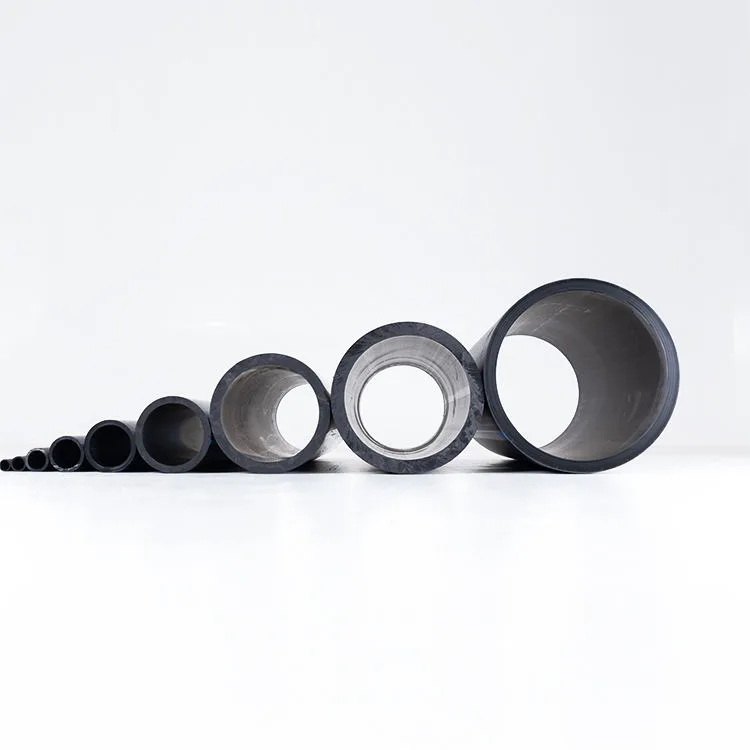
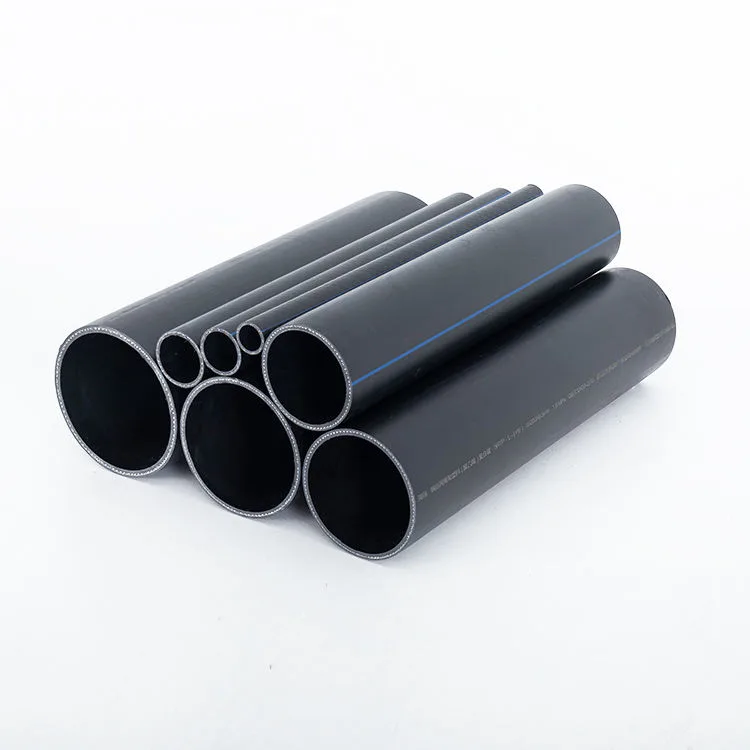
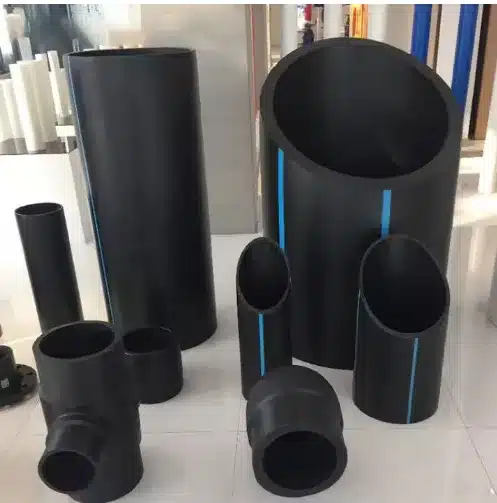
While standard sizes are the backbone of the industry, many projects require custom PE pipes. A versatile PE pipe manufacturing partner can adjust the production line to include:
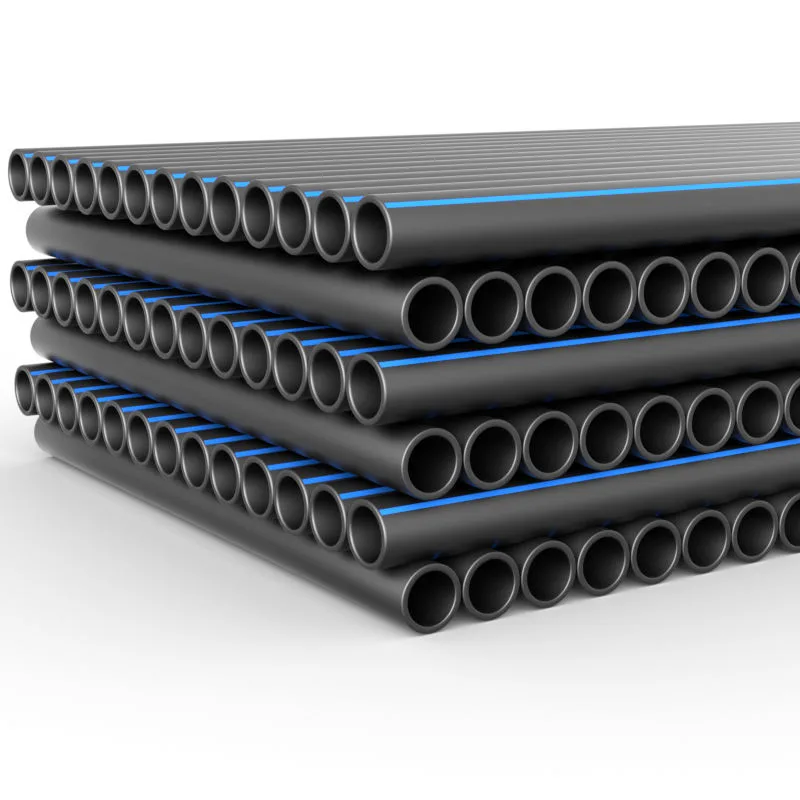
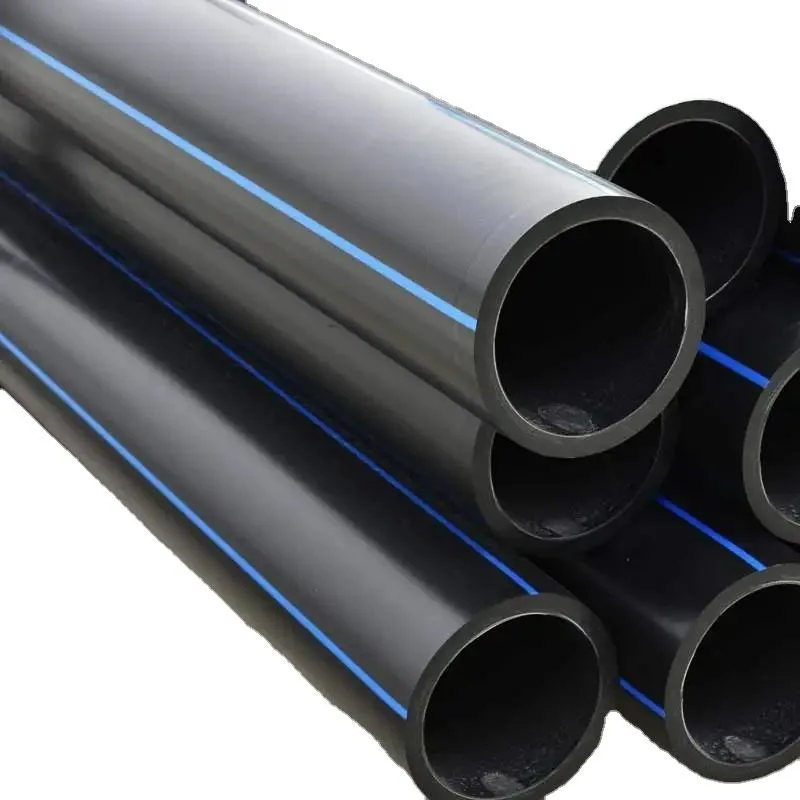
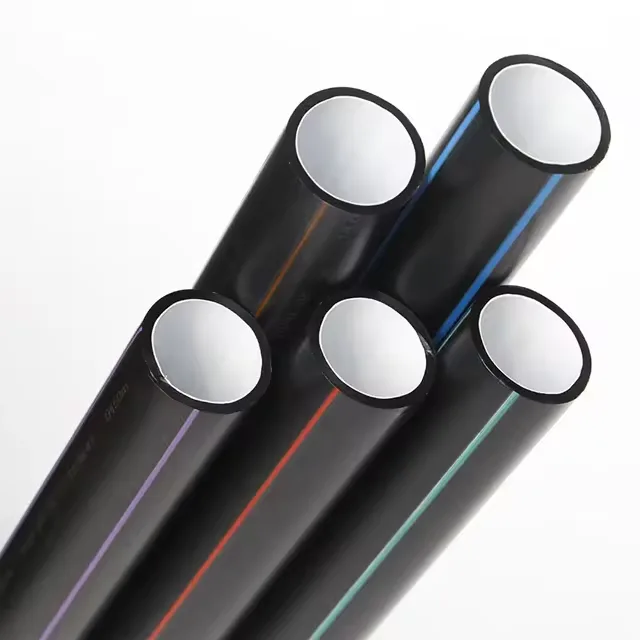
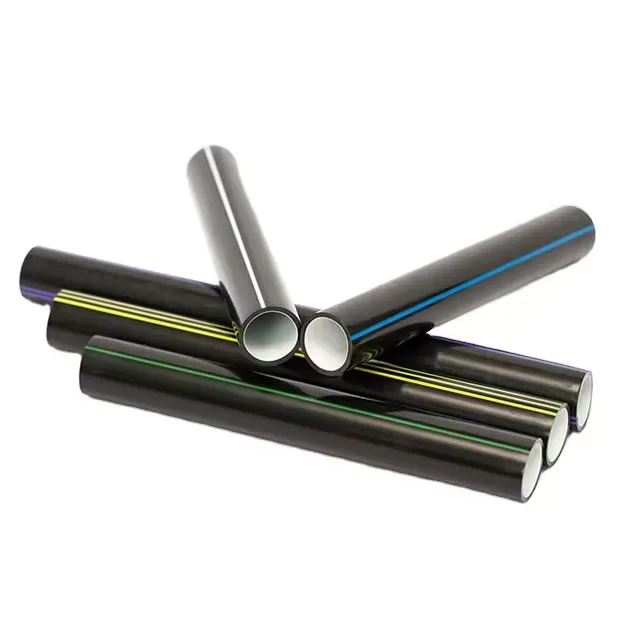
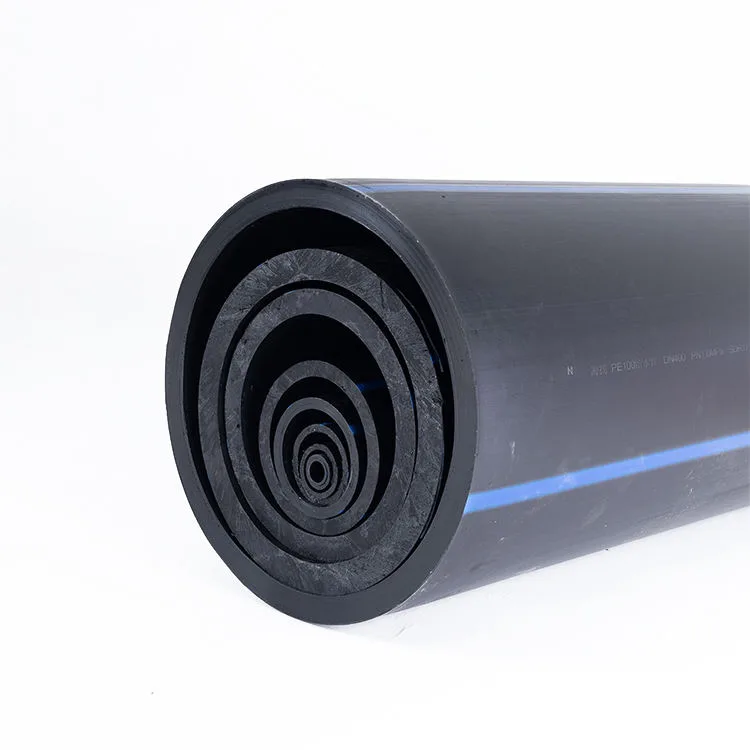
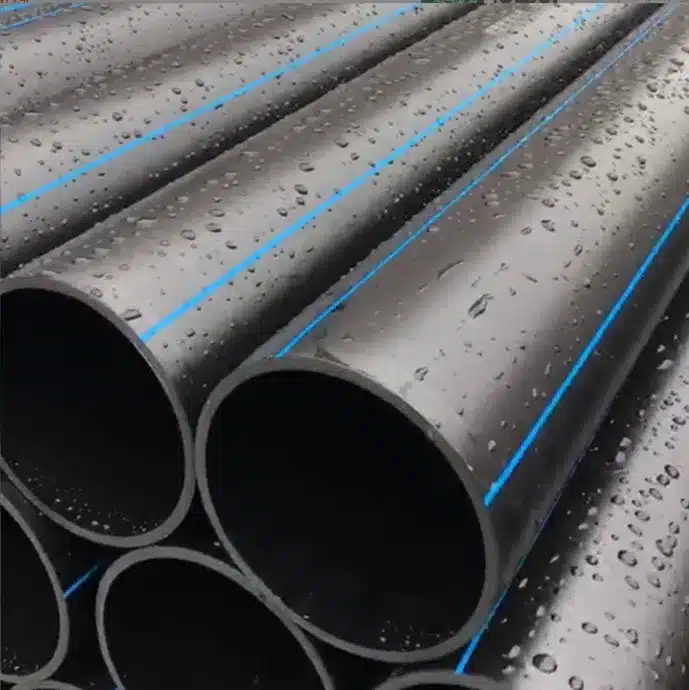
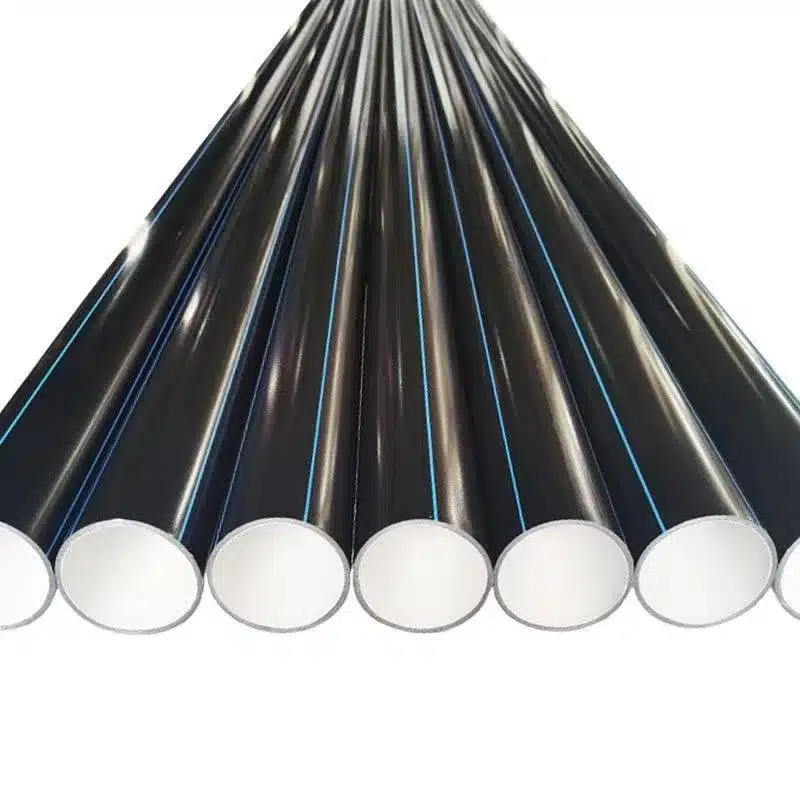
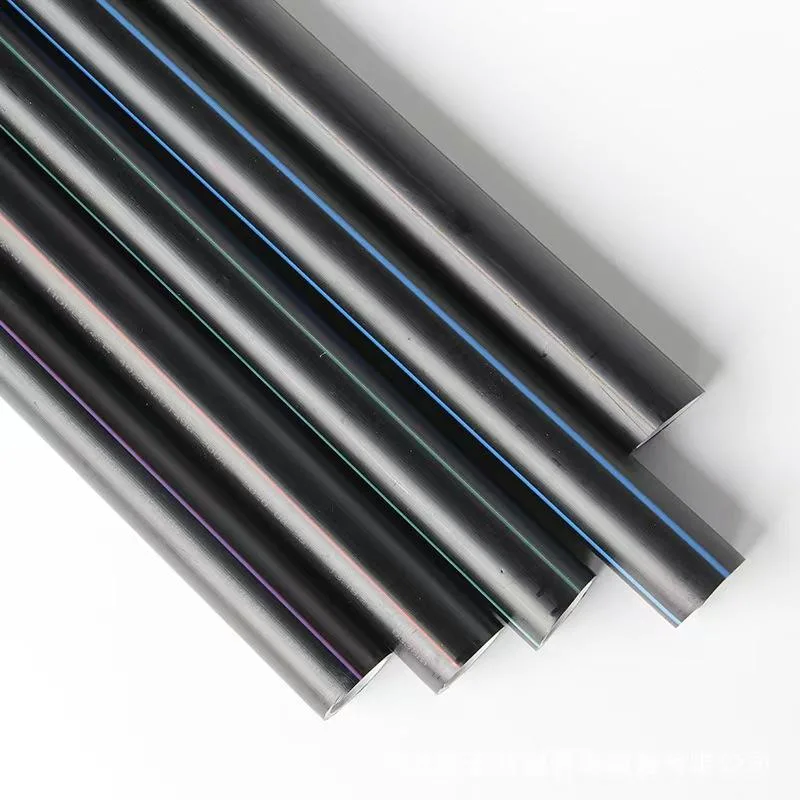
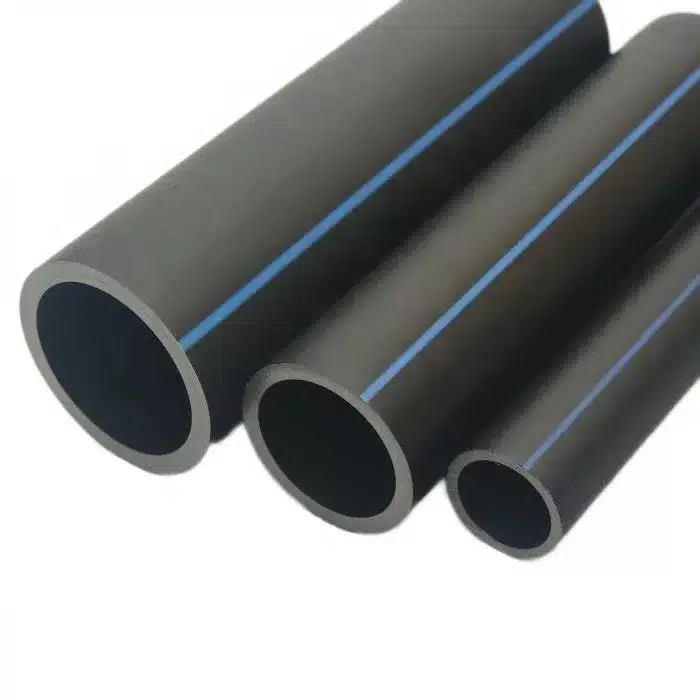
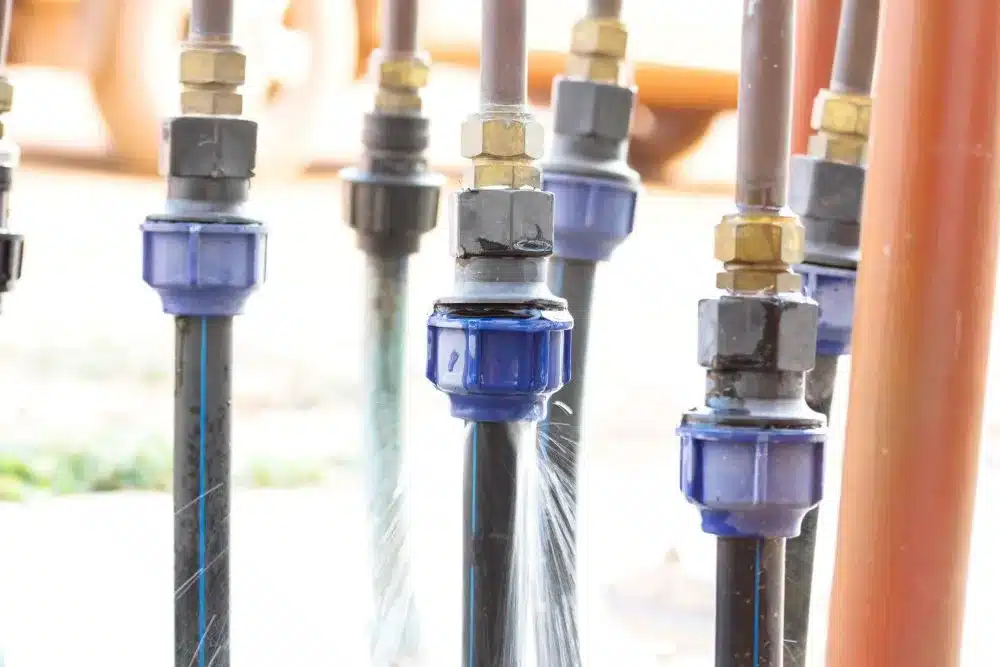
Co-extruded Striping: Adding blue (water), yellow (gas), or orange (conduit) stripes for easy utility identification.
Perforated Designs: Specialized PE pipe manufacturing for drainage and landfill leachate collection systems.
Coiled Formats: For smaller diameters, PE pipe manufacturing allows for continuous lengths up to 200 meters or more, significantly reducing the number of joints needed during installation.
At our 6,000sqm factory, we pride ourselves on our ability to pivot our PE pipe manufacturing schedules to accommodate these specialized industrial needs.
6. The Environmental Impact of PE Pipe Manufacturing
Sustainability is a growing focus in 2025. Polyethylene is a thermoplastic, which makes it 100% recyclable. In a modern PE pipe manufacturing environment, “closed-loop” systems are standard. Any internal scrap generated during the startup phase of the extrusion line is reground and re-integrated into non-pressure applications.
Furthermore, PE pipe manufacturing has a lower carbon footprint compared to the production of iron or concrete pipes. The lightweight nature of the finished product also reduces the energy required for global shipping, making it an eco-friendly choice for sustainable infrastructure.
7. Choosing the Right Partner for PE Pipe Manufacturing
After 20 years in the industry, SW understands that choosing a partner for PE pipe manufacturing is about trust and technical transparency. When evaluating a manufacturer, consider the following:
Facility Scale: A 6,000sqm factory indicates the capacity to handle large municipal orders.
Experience: Decades of experience prevent common manufacturing defects like “sharkskin” or wall thickness variation.
Global Reach: A manufacturer that serves many countries understands the varying regulatory standards for PE pipe manufacturing.
Partnering with Excellence in PE Pipe Manufacturing
The world of PE pipe manufacturing is a blend of material science, mechanical engineering, and rigorous quality control. By understanding the steps involved—from the initial melting of PE100 resin to the final hydrostatic testing—distributors and engineers can make more informed procurement decisions.
At SW, we remain committed to sharing our 20 years of extrusion knowledge to help our clients build safer, more efficient infrastructure. Whether you need standard stock or custom PE pipes, we provide the engineering precision that only a veteran manufacturer can offer.
Would you like a technical specification sheet for our current PE pipe manufacturing run, or would you like to discuss a custom design for your next international project?
PE pipe recommend
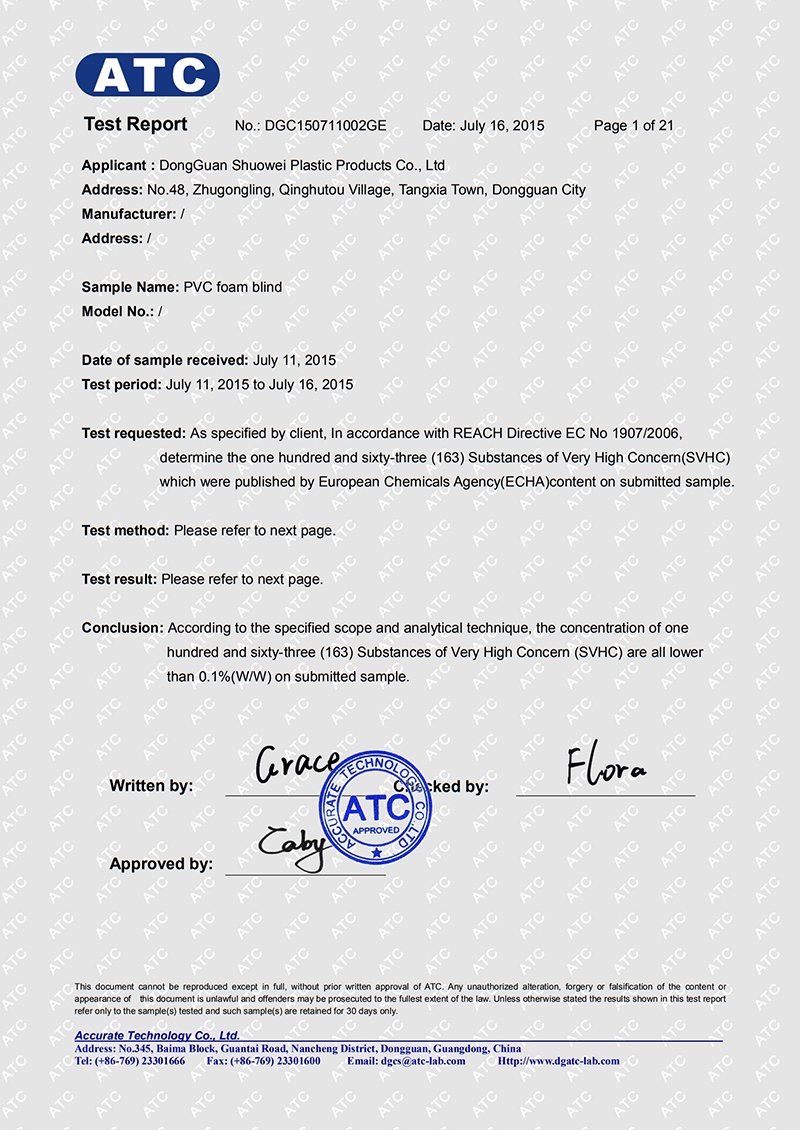
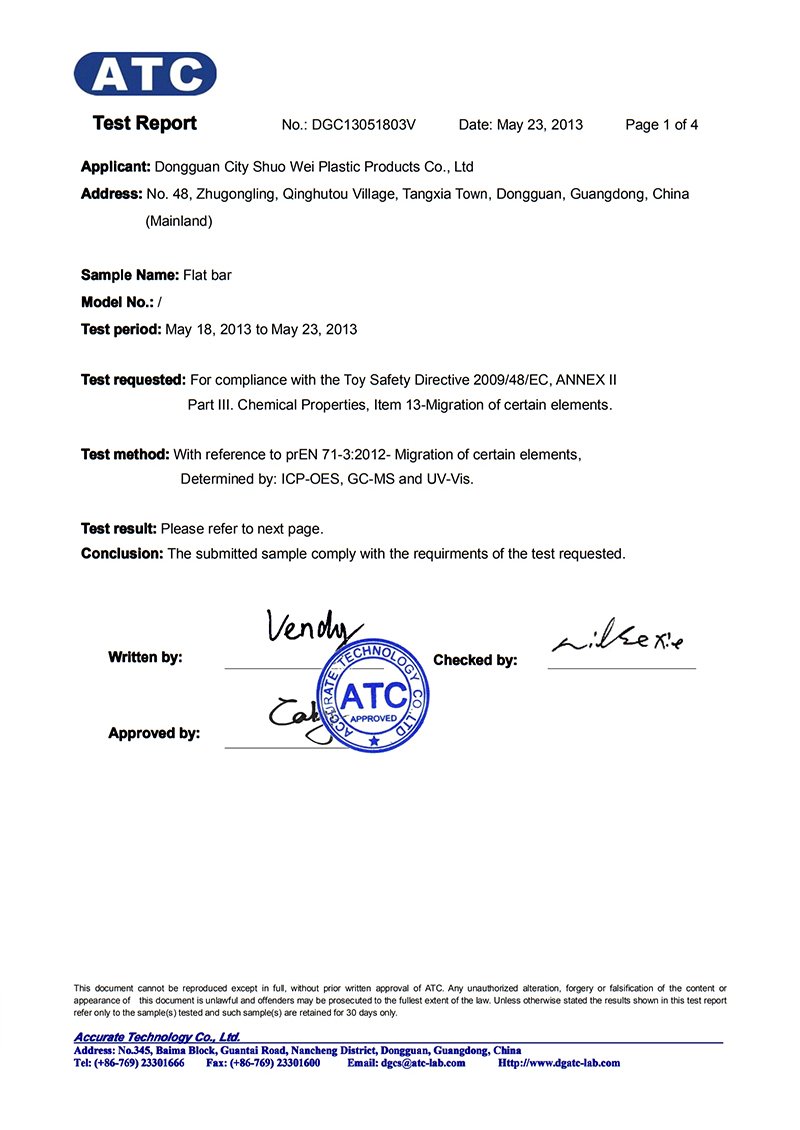
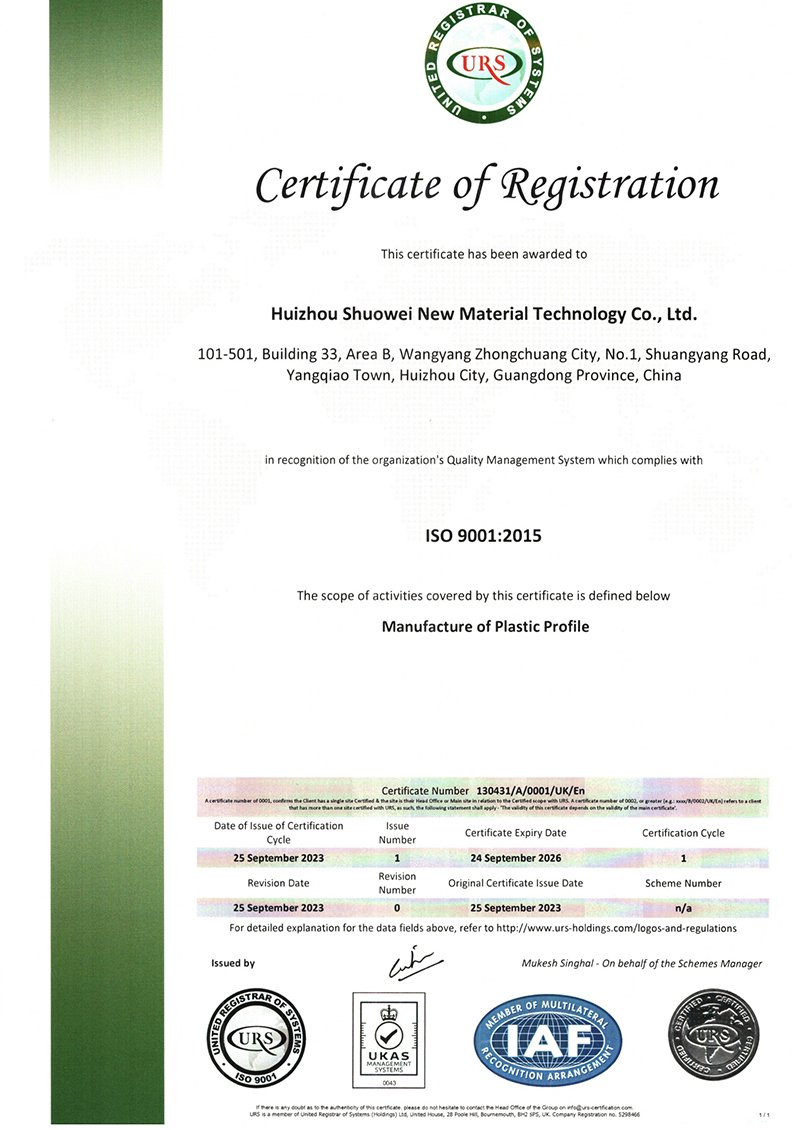
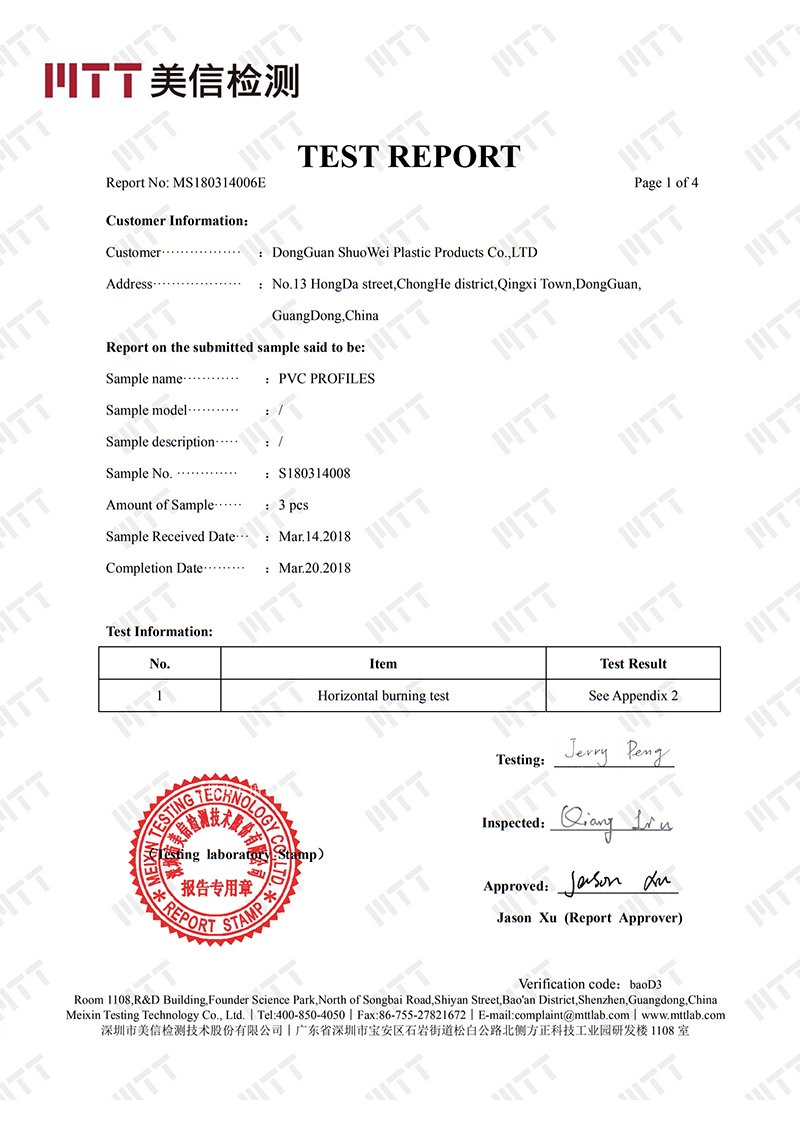
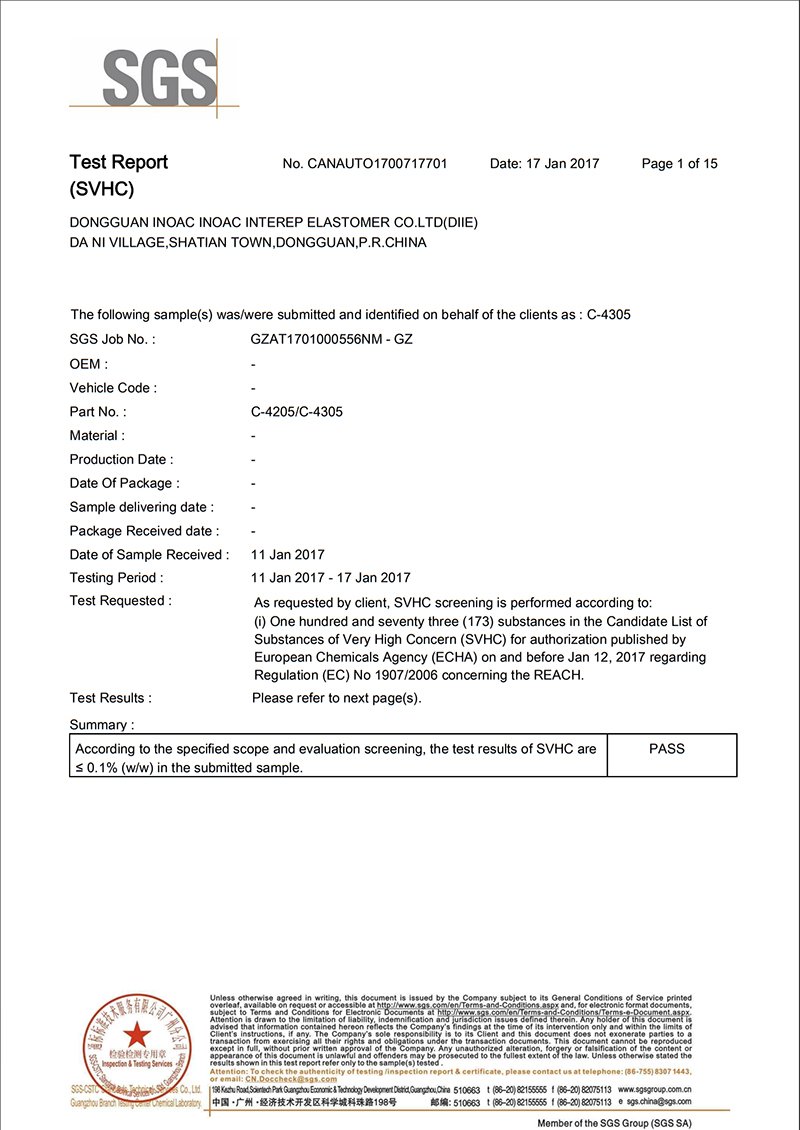
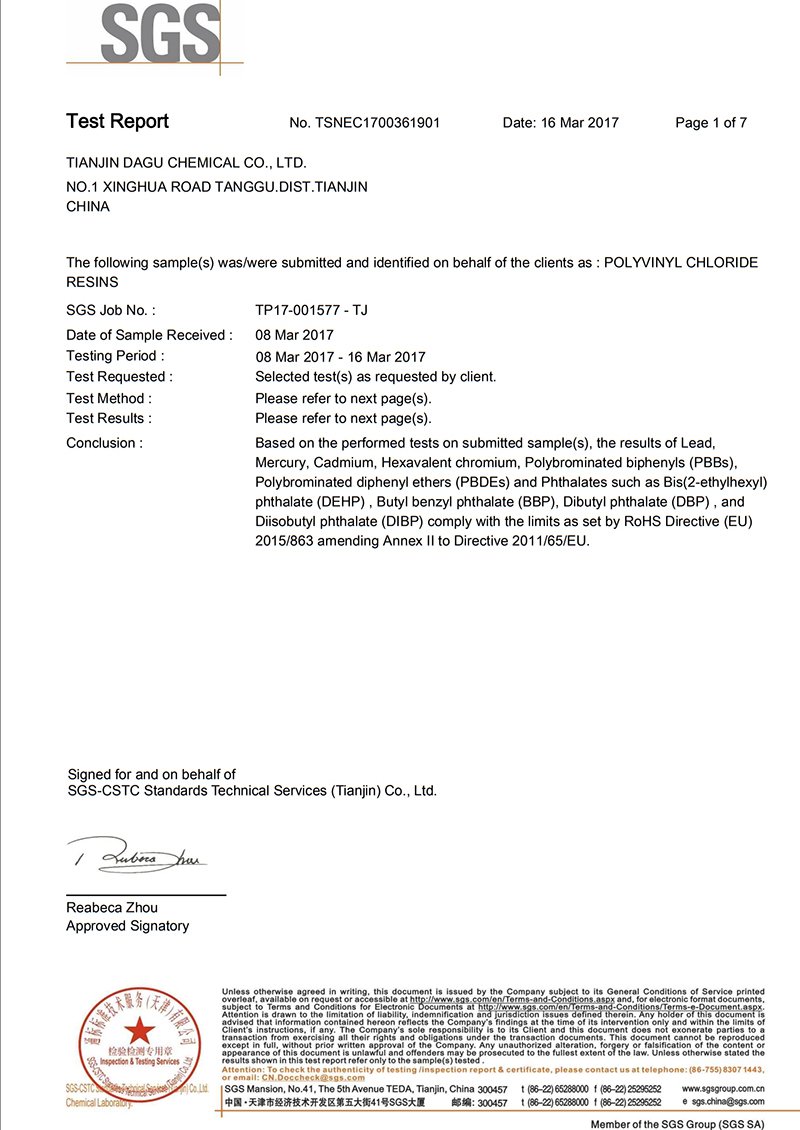
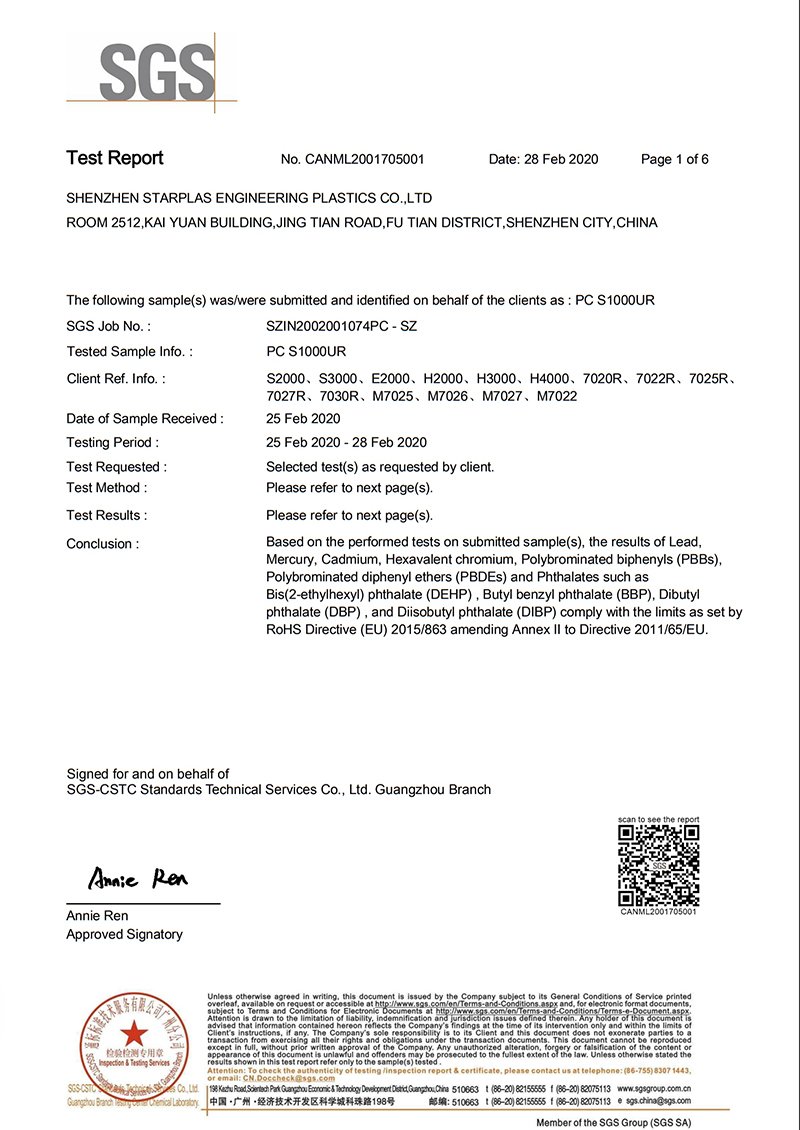
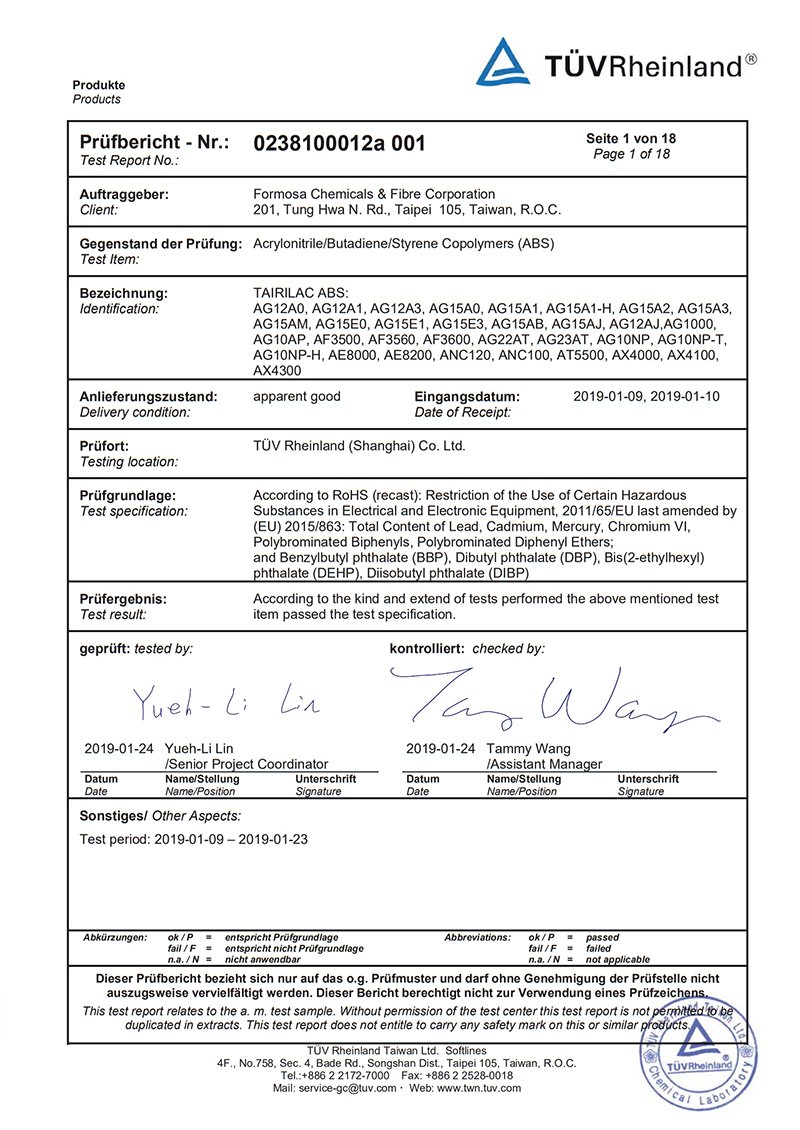
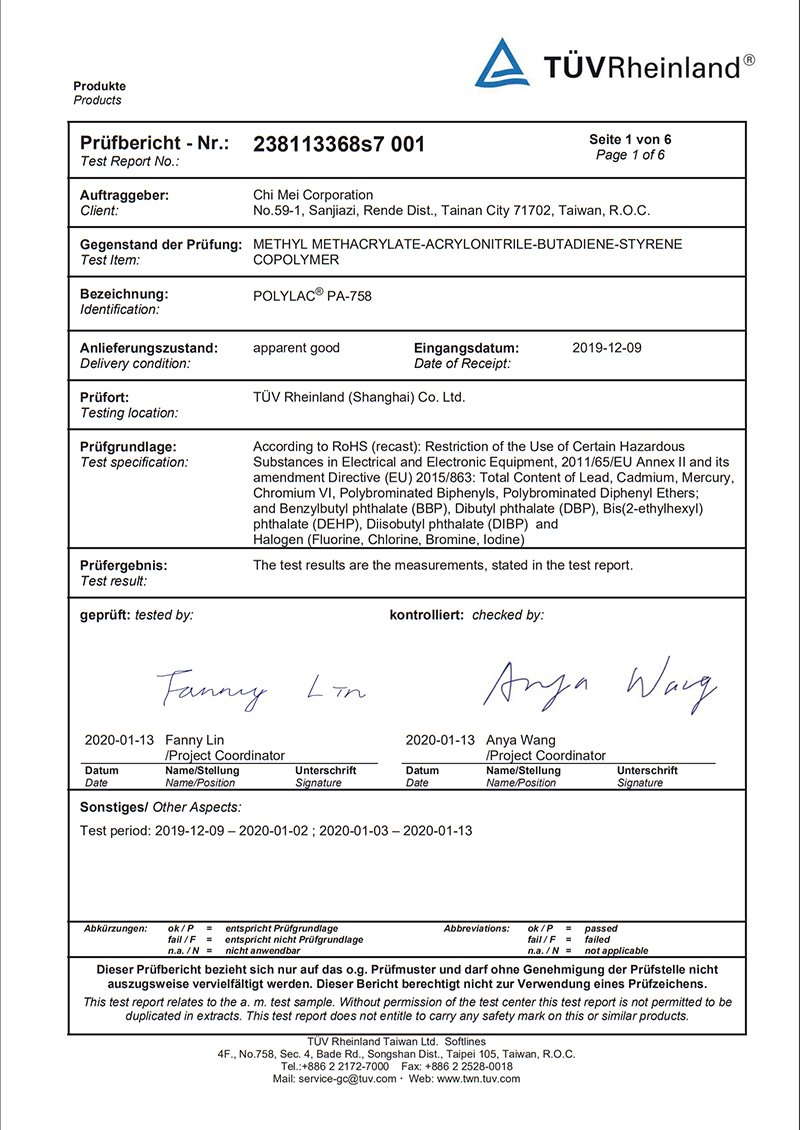
SW Certifications
In order to provide better quality and service to meet the needs of customers,our factory and products have passed a lot of inspection and certification, and obtained a lot of certificates
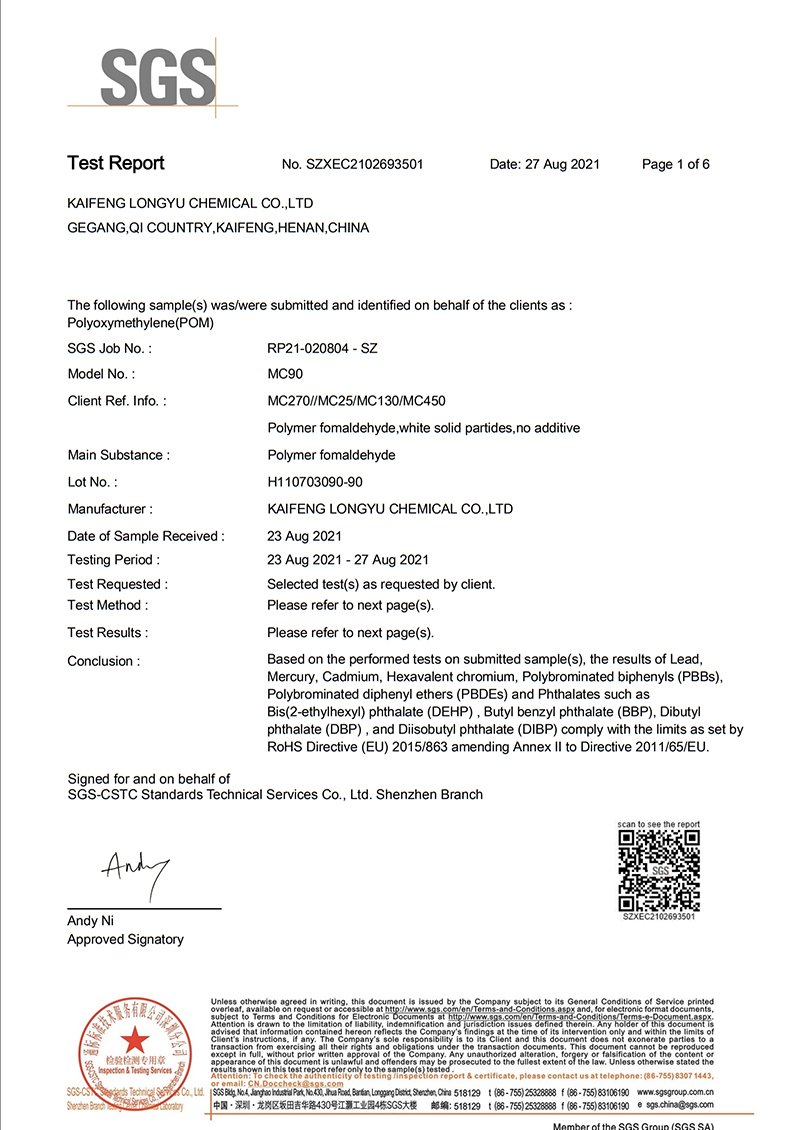
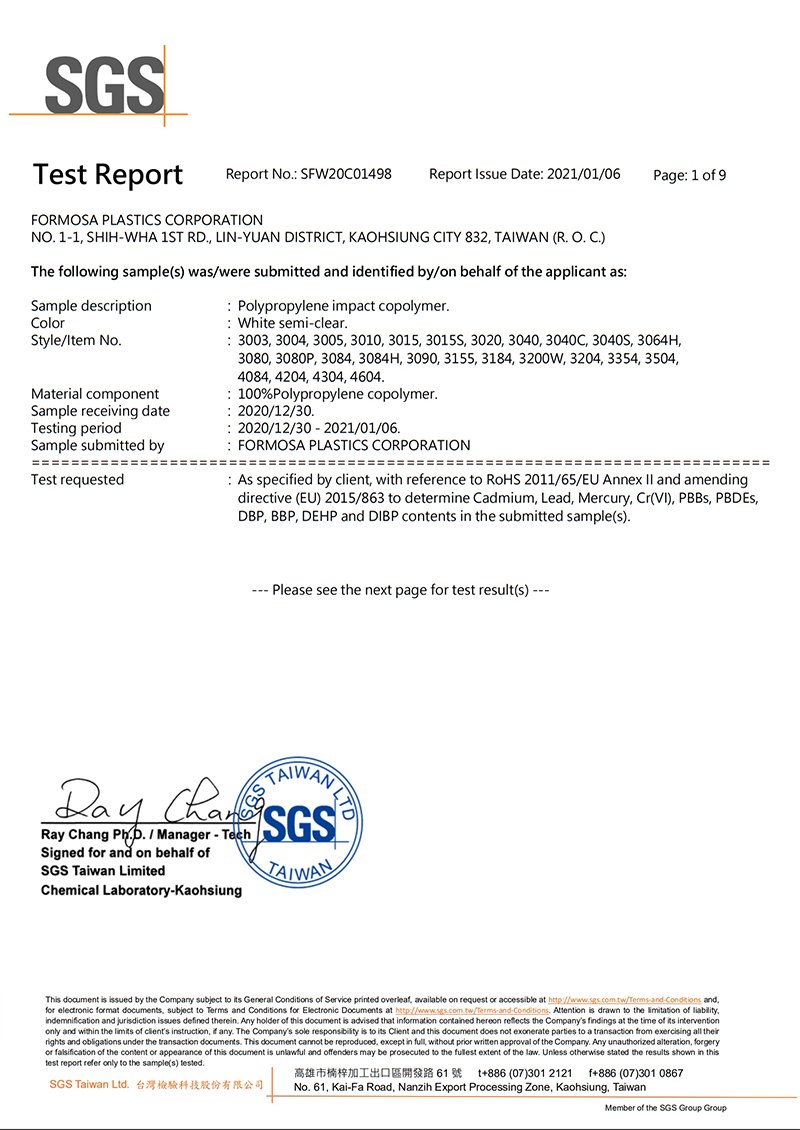
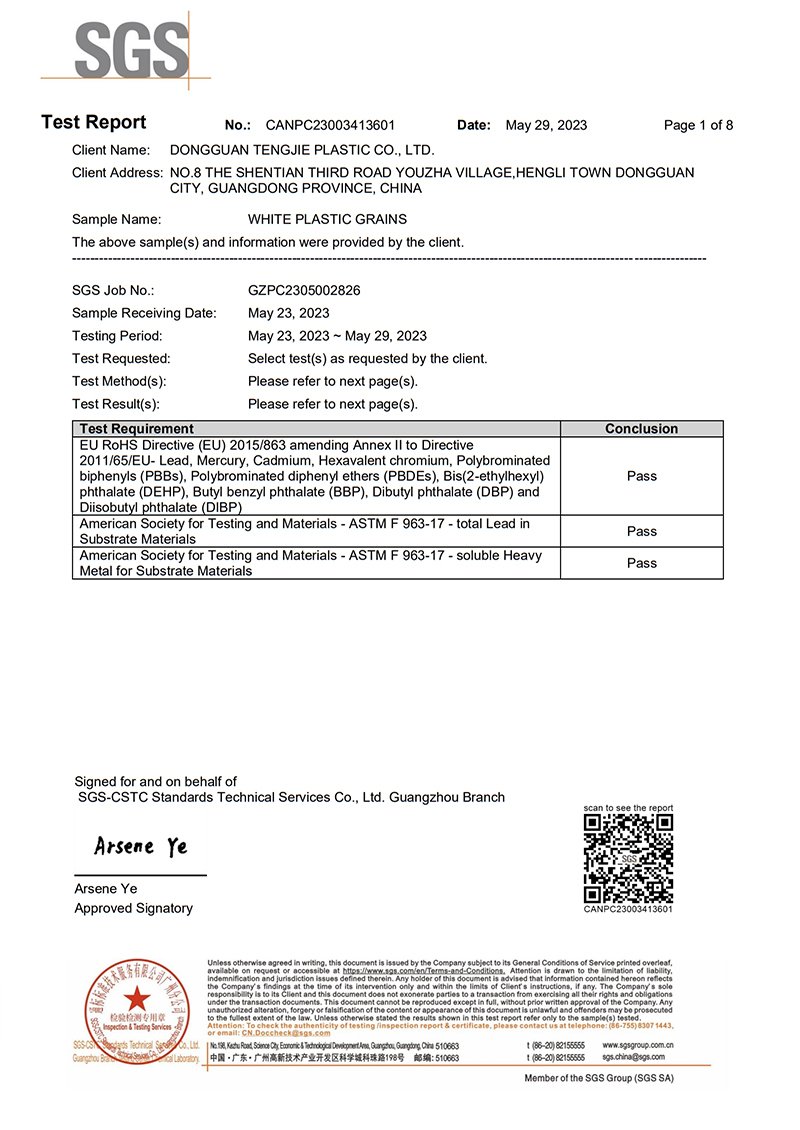
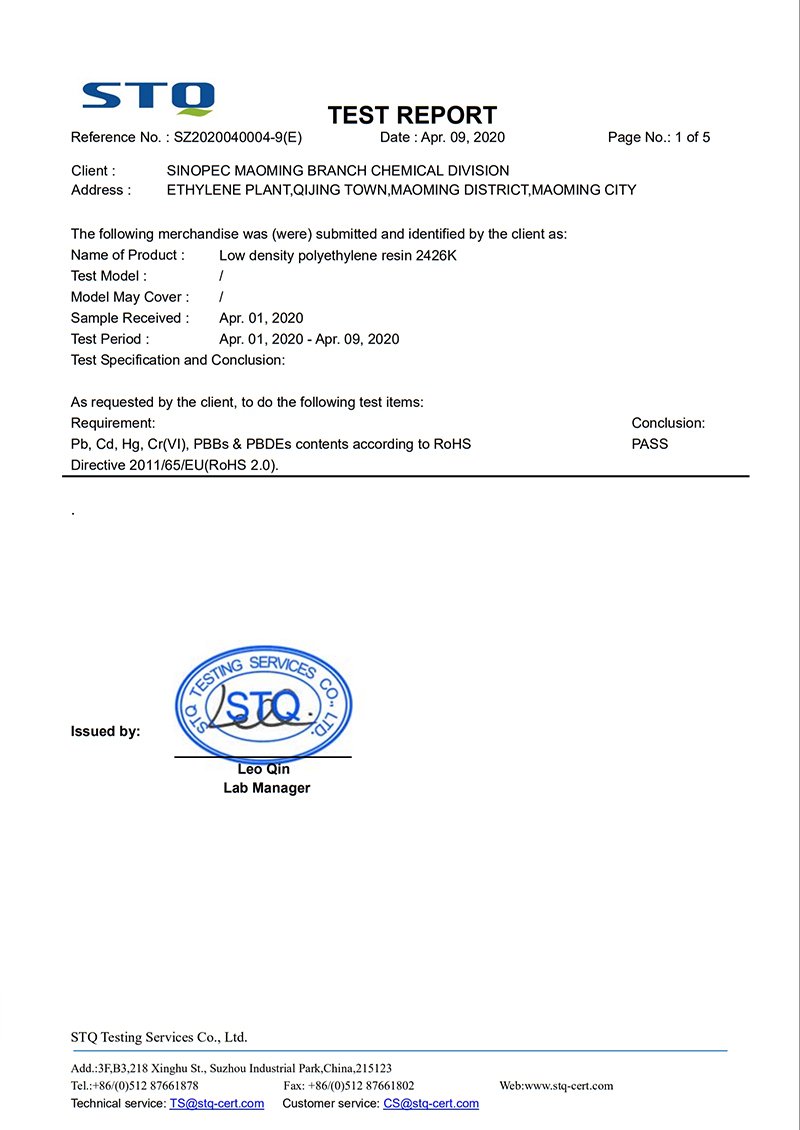
Our news
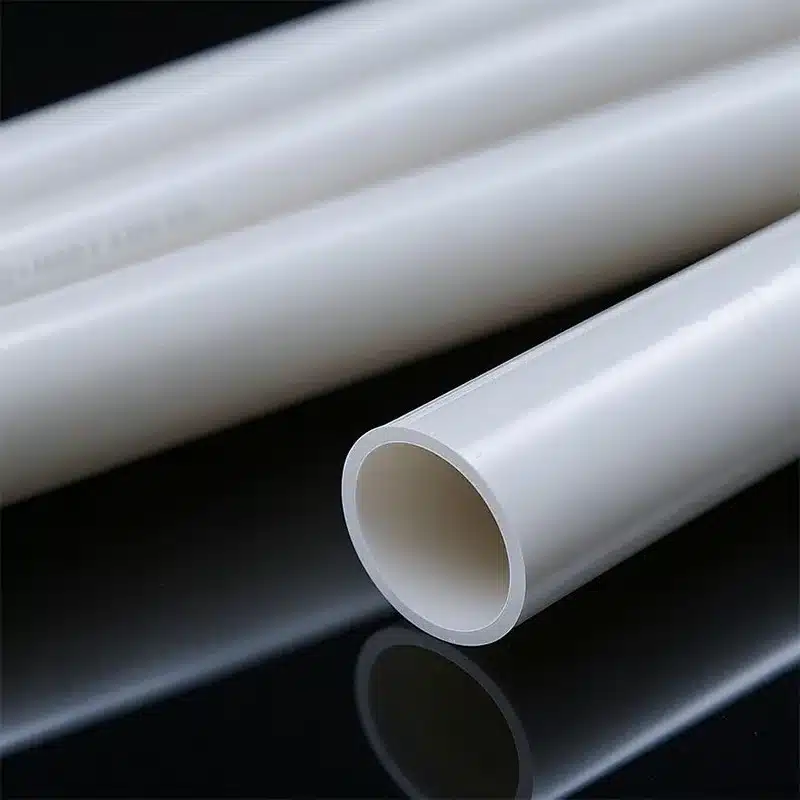

We have a ABS pipe supplier of skilled engineers ready to support you in your product development journey from idea design to production.Any ideas about your product you can contact us freely,and our engineers will get back to you with a quote asap. Whatsapp +86 188 2072 7151
Who is Shuowei?
Since 2006, Shuowei is a professional extrusion profiles factory based in Guangdong, China. There are total about 51-100 people in our office. Shuowei PVC extrusion factory is committed to the design and production of extruded profiles, such as PVC pipes, PE trunking, PVC skirting line. Since its inception, we have won the wide recognition of the market and the deep trust of customers with our ingenious design, exquisite technology and the ultimate pursuit of quality.
Are you a manufacturer or a trader?
We are a Chinese top PVC extrusion profiles manufacturer and our factory is located in Huizhou. Our factory has a 16,000㎡ production base, 5+ automated extrusion profiles production lines, an annual production capacity of 30,000 tons, and serves more than 500 customers worldwide. Welcome to visit our factory!
What is your product range?
We pecialize in the design and production of high quality extrusion profiles,such as PVC pipe, ABS extrusion, PC lampshades, PVC skirting lines, PP trunking, PE profiles…
How long does the custom development process take?
We support custom extrusion products. The usual process has 4 steps: demand confirmation → 3D design/proofing → test certification → mass production (cycle 3-8 weeks).
Do you have any international certifications?
We have passed ISO 9001, CE, RoHS, SGS and other certifications, and meet the mainstream standards of Europe, America, the Middle East and Asia

