
A Comprehensive Guide on How to Design PE Pipe
we will explore the critical technical variables involved in the process to design PE pipe networks, ensuring maximum efficiency, safety, and durability.
In the realm of modern infrastructure, the longevity of a project is determined long before the first trench is dug. It begins at the drafting table. Whether you are transporting potable water, industrial chemicals, or natural gas, the ability to effectively design PE pipe (Polyethylene pipe) systems is what separates a 50-year success from a costly maintenance nightmare.
As a leading PE pipe manufacturer with over 20 years of experience and a 6,000-square-meter PE pipe factory, SW has assisted engineers across the globe in optimizing their fluid transport systems. In this guide, we will explore the critical technical variables involved in the process to design PE pipe networks, ensuring maximum efficiency, safety, and durability.
1. Material Selection: The First Step to Design PE Pipe
The foundation of any successful project is the material grade. When you begin to design PE pipe systems, you must choose between the two primary classifications: PE80 and PE100.
PE80: Often used for smaller diameter gas pipes or lower-pressure water applications. It has a Minimum Required Strength (MRS) of $8.0\text{ MPa}$.
PE100: The modern industrial standard. It has an MRS of $10.0\text{ MPa}$, offering higher resistance to rapid crack propagation and higher pressure ratings with thinner walls.
As an experienced PE pipe manufacturer, we generally recommend PE100 for large-scale infrastructure because it allows you to design PE pipe with a higher flow capacity for the same outside diameter, ultimately reducing material costs and improving hydraulic performance.

2. Understanding Structural Variables: SDR and Pressure Ratings
A core component of the process to design PE pipe is calculating the Standard Dimension Ratio ($SDR$). The $SDR$ determines the pipe’s ability to handle internal pressure and external loads.
The formula used by engineers to design PE pipe wall thickness is:
Where:
$D_n$ is the nominal outside diameter.
$s_n$ is the nominal wall thickness.
To determine the allowable working pressure ($P$), engineers use the following equation:
Where $\sigma$ is the design stress of the material. When you design PE pipe, choosing the correct $SDR$ (typically ranging from $SDR11$ to $SDR26$) is essential to prevent burst failures while avoiding the unnecessary expense of over-engineering custom PE pipes.
3. Hydraulic Performance: How to Design PE Pipe for Maximum Flow
One of the primary reasons engineers choose to design PE pipe systems is the material’s extremely smooth internal surface. Unlike metal pipes, PE does not corrode or suffer from significant “tuberculation” (scale buildup).
To calculate friction loss when you design PE pipe, the Hazen-Williams equation is commonly used:
Where:
$h_f$ is the friction head loss.
$C$ is the roughness coefficient (Polyethylene typically has a high $C$ factor of 150-155).
$Q$ is the flow rate.
$d$ is the inside diameter.
Because the interior bore produced in our PE pipe factory is so smooth, you can often design PE pipe with a slightly smaller diameter than concrete or ductile iron while achieving the same flow, leading to significant savings in transport and installation.
4. Thermal Considerations: Expansion and Contraction
Polyethylene is a thermoplastic, meaning it is sensitive to temperature changes. A critical error when people design PE pipe layouts is failing to account for the coefficient of linear thermal expansion.
The change in length ($\Delta L$) can be calculated as:
Where:
$L$ is the pipe length.
$\alpha$ is the coefficient of linear expansion ($1.3 \times 10^{-4}\text{ mm/mm/}^\circ\text{C}$ for HDPE).
$\Delta T$ is the temperature differential.
When you design PE pipe for above-ground installations, you must include expansion loops or “snaking” techniques. As a specialized PE pipe manufacturer, we provide our clients with thermal expansion charts to ensure their custom PE pipes stay structurally sound through seasonal temperature swings.
5. External Loads: Design PE Pipe for Buried Conditions
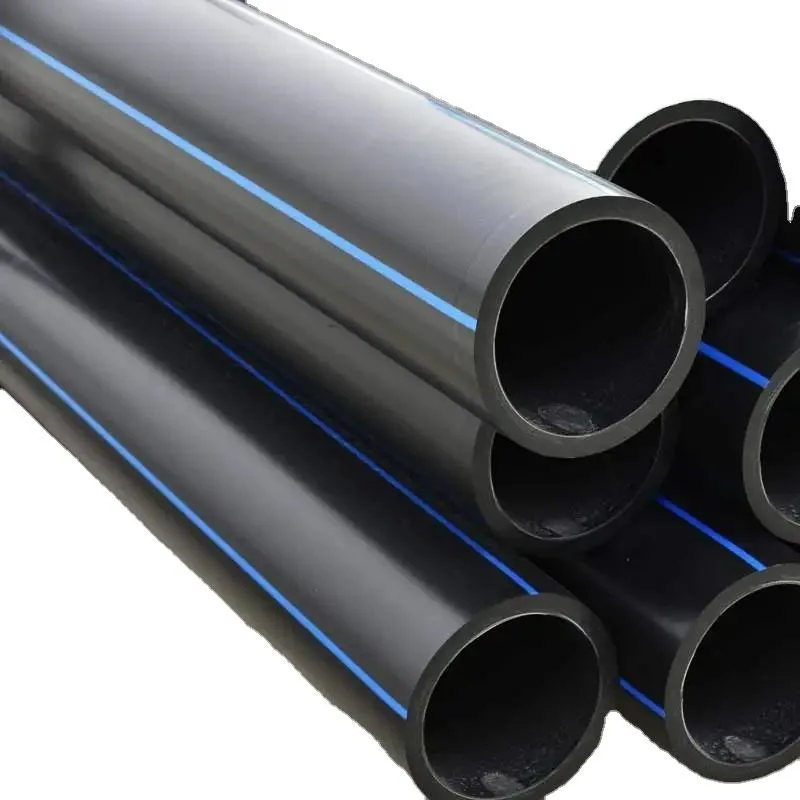
When you design PE pipe for underground use, you are designing a “flexible pipe” system. Unlike rigid pipes, PE pipe transfers the soil load to the surrounding backfill. This makes the quality of the installation just as important as the pipe itself.
Key factors to consider include:
Soil Modulus ($E’$): The stiffness of the soil surrounding the pipe.
Ring Stiffness: The pipe’s inherent resistance to deformation.
Traffic Loads: If the pipe is under a roadway, you must design PE pipe with a lower $SDR$ to handle the live load.
A professional PE pipe factory will test for “Ring Stiffness” to ensure that when you design PE pipe for deep burial, the pipe will not deflect beyond the standard 5% limit.
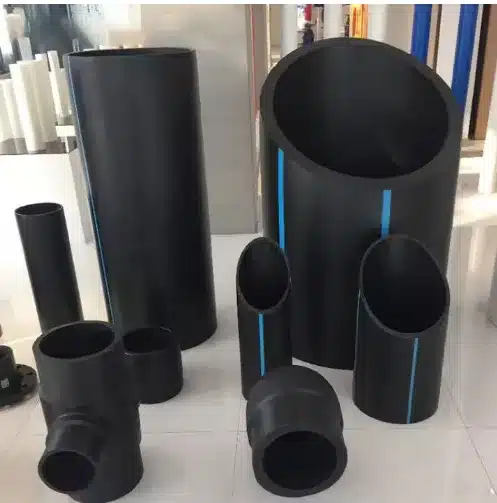
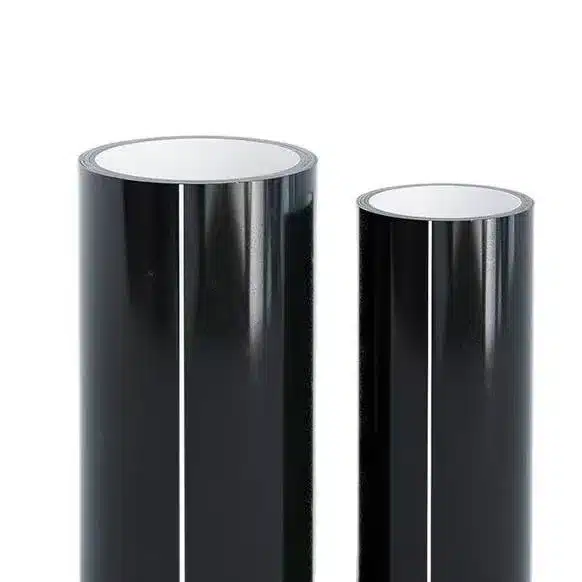
6. Customization: The Role of the PE Pipe Factory in Design
Design is not just about math; it’s about application. At our 6,000sqm PE pipe factory, we help clients design PE pipe systems with specialized features that standard suppliers cannot provide.
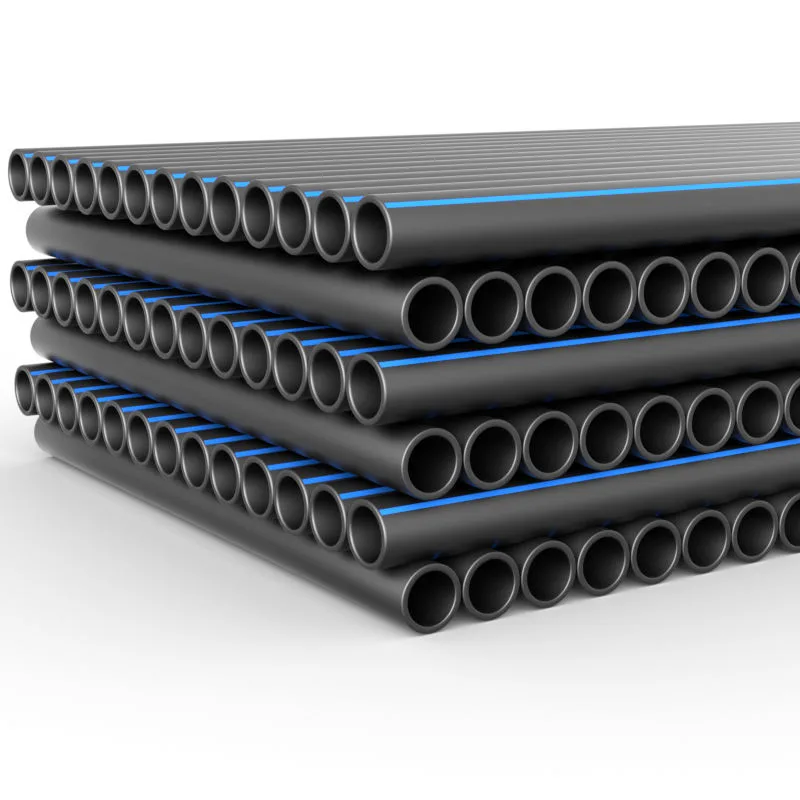
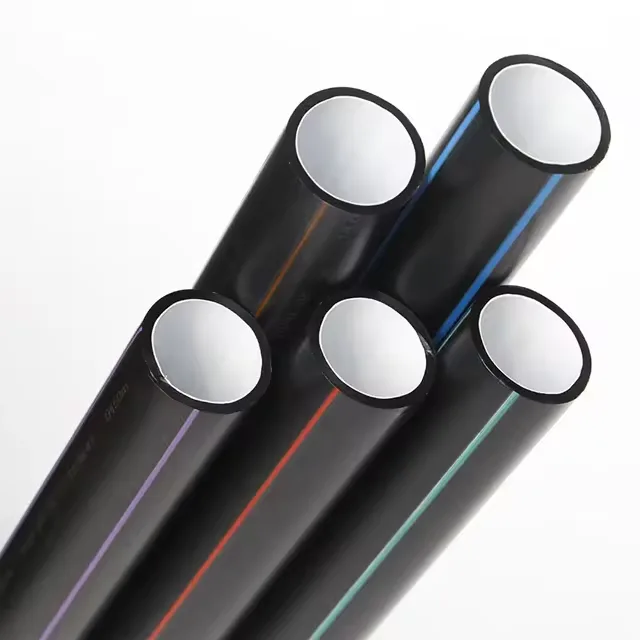
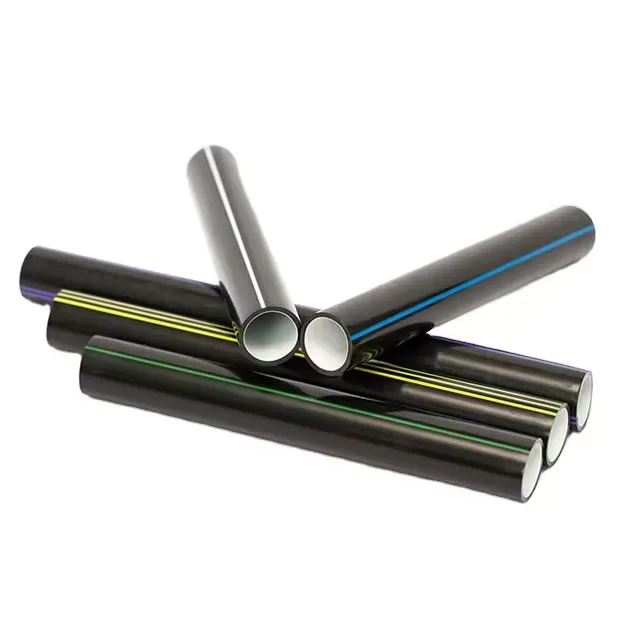
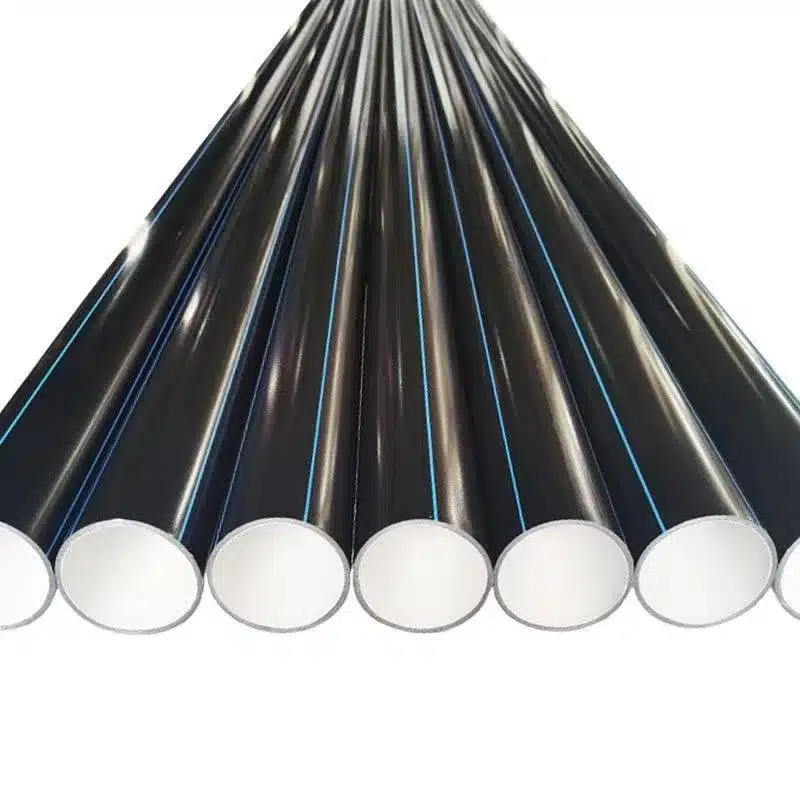
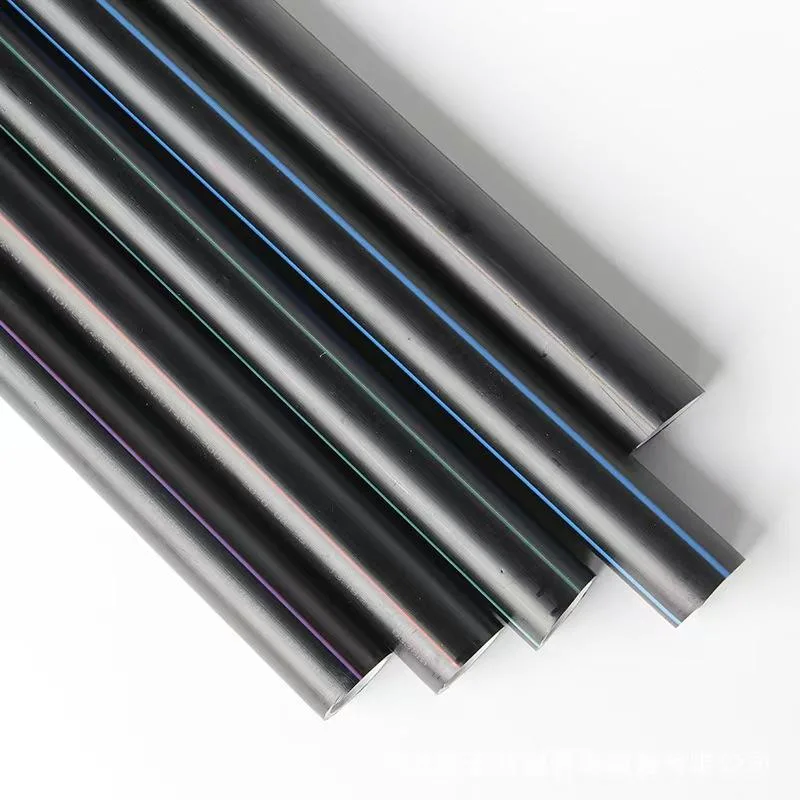
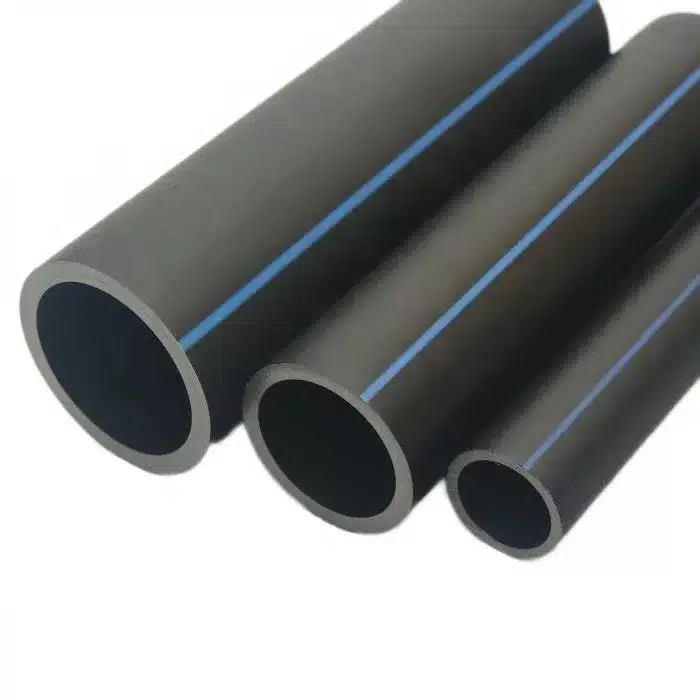
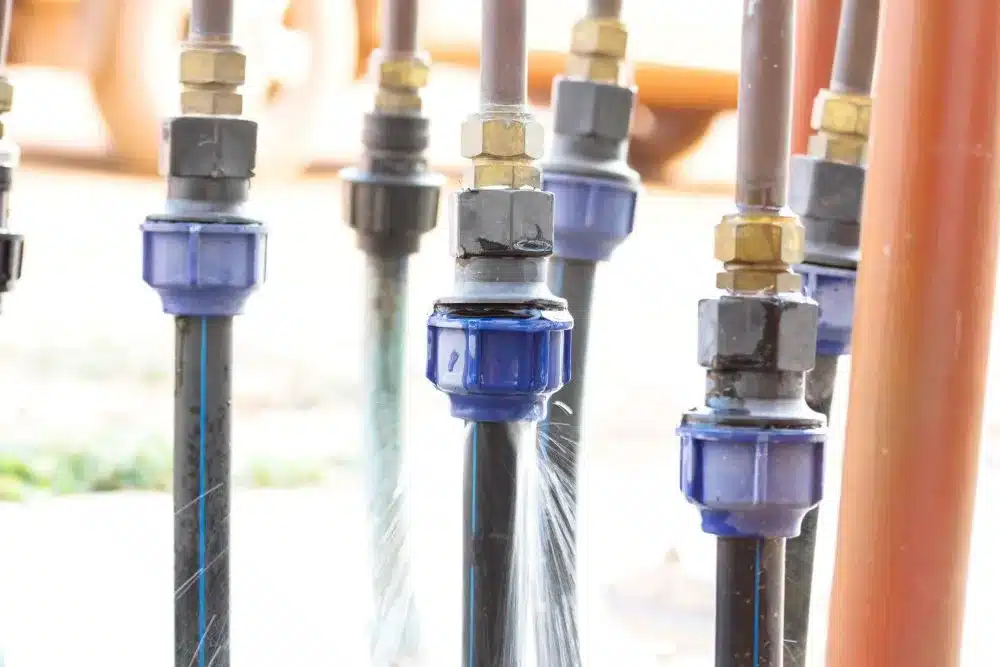
Color-Coded Stripping: We can design PE pipe with co-extruded blue (water), yellow (gas), or orange (conduit) stripes for easy identification.
Perforated Designs: For landfill or drainage projects, we can design PE pipe with custom perforation patterns to manage leachate or groundwater.
Unique Lengths: While 6m and 12m are standard, our PE pipe factory can produce custom PE pipes in specific lengths to minimize the number of joints required on-site.
7. Quality Assurance: Why the PE Pipe Manufacturer Matters
The best design in the world is useless if the manufacturing quality is inconsistent. When you design PE pipe, you must ensure your PE pipe manufacturer follows strict quality protocols:
| Quality Test | Importance for Design |
| OIT Test | Ensures thermal stability during fusion welding. |
| Hydrostatic Test | Validates the $SDR$ and pressure rating. |
| MFR Test | Confirms the consistency of the raw resin. |
| Carbon Black Content | Ensures UV resistance for outdoor designs. |
By partnering with an experienced PE pipe manufacturer like SW, you gain the peace of mind that the physical product will perfectly match your engineering calculations.
Partnering for Success in design PE Pipe
To effectively design PE pipe systems, one must balance hydraulic physics, material science, and soil mechanics. With 20 years of experience, a high-capacity PE pipe factory, and a dedication to producing high-quality custom PE pipes, SW is the ultimate partner for your next infrastructure project.
We don’t just supply pipes; we supply engineering confidence. By understanding the nuances of how to design PE pipe, we help you build systems that are efficient, cost-effective, and designed to last for generations.
Would you like to consult with our engineering team on your next project to design PE pipe, or would you like to receive a technical catalog of our custom PE pipes?
PE pipe recommend
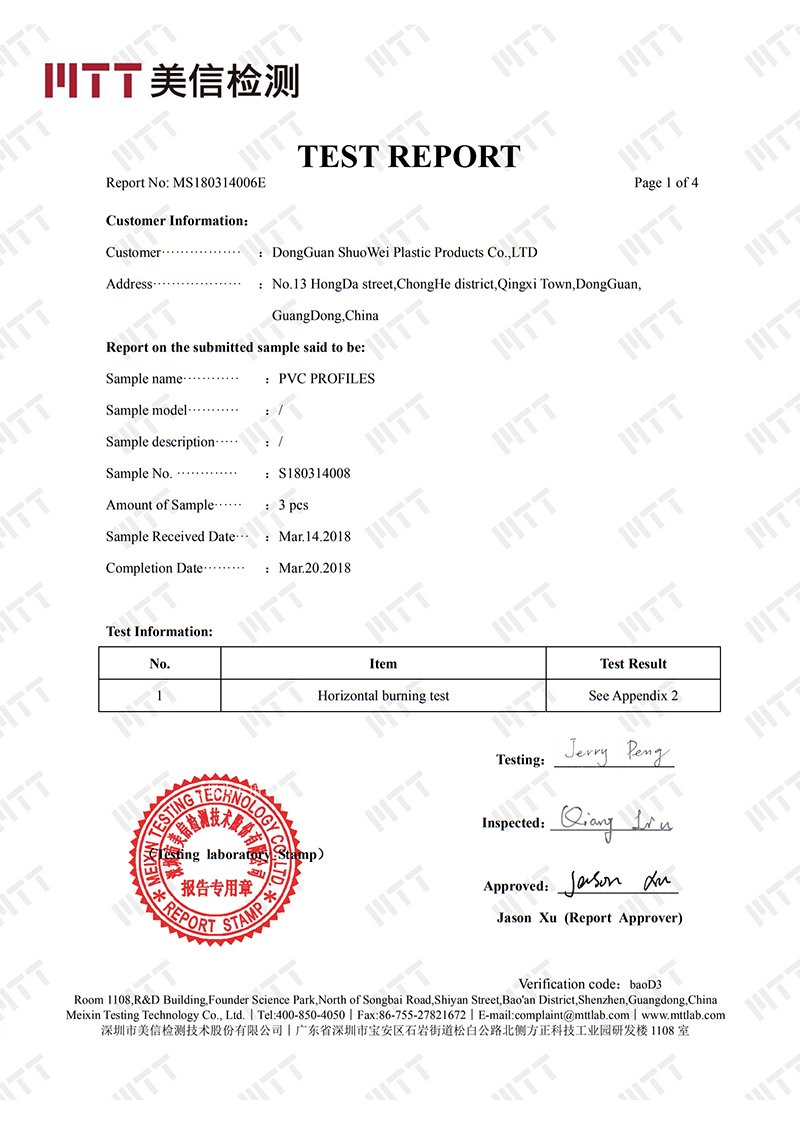
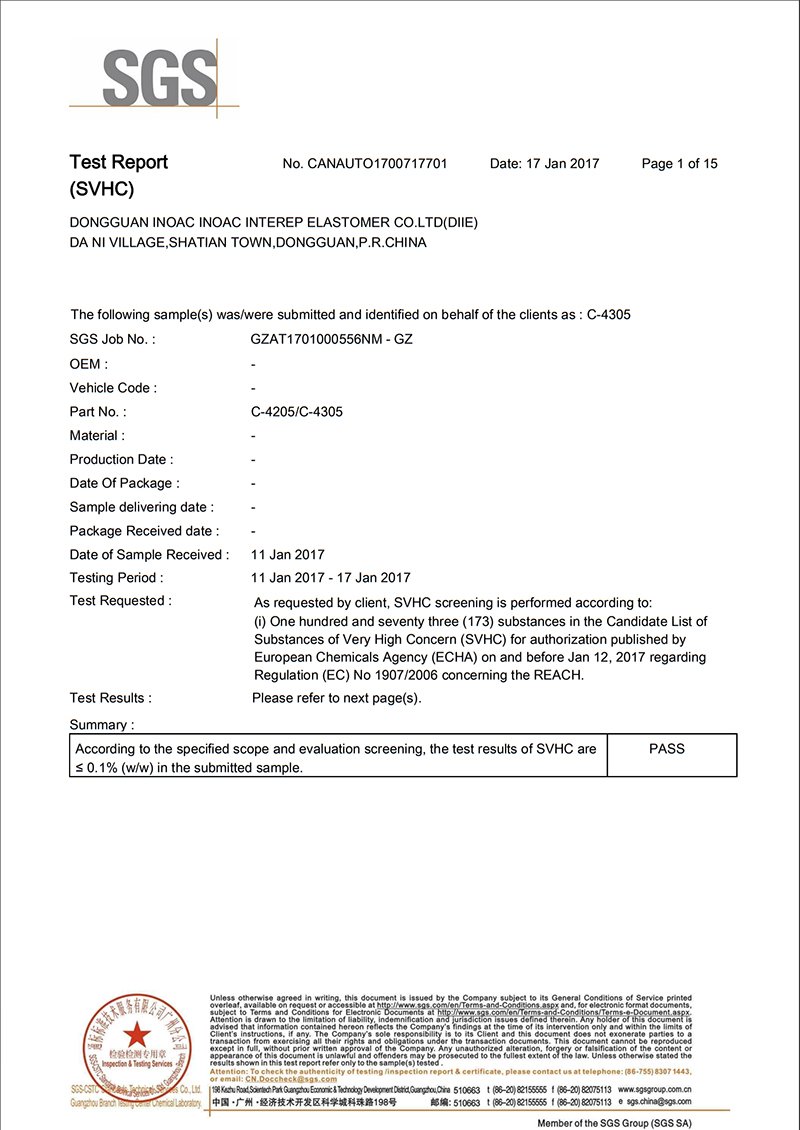
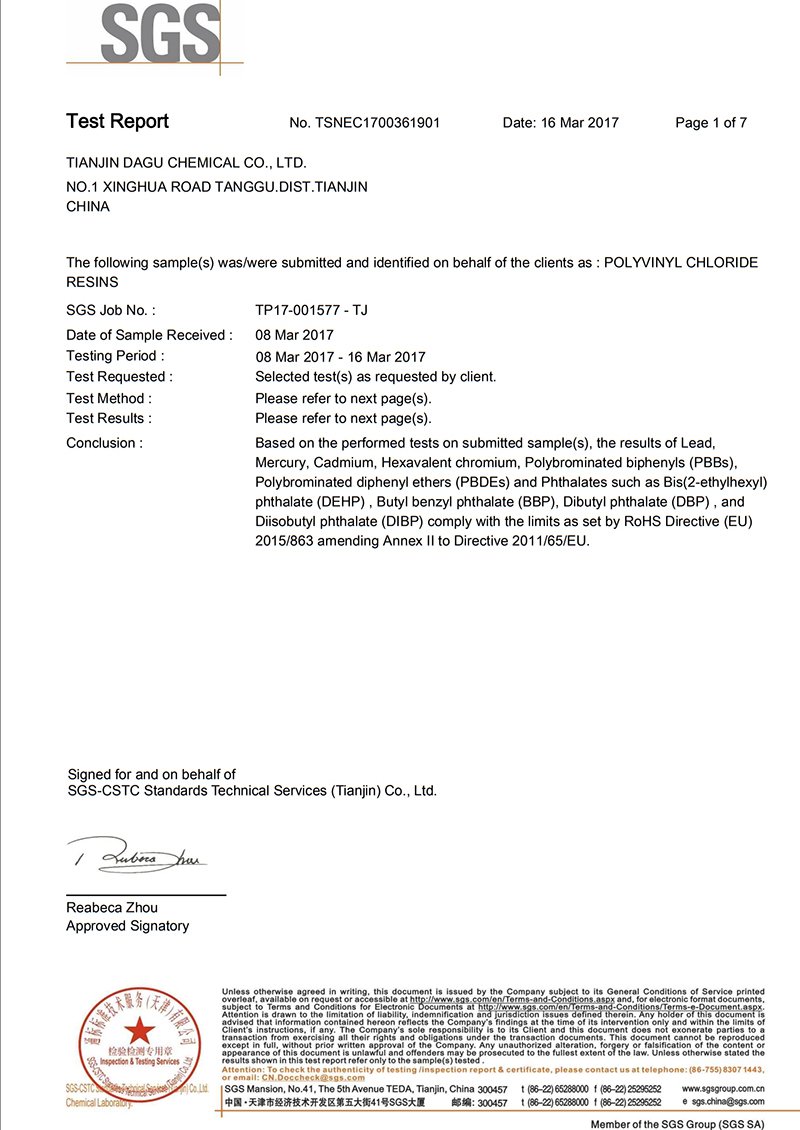
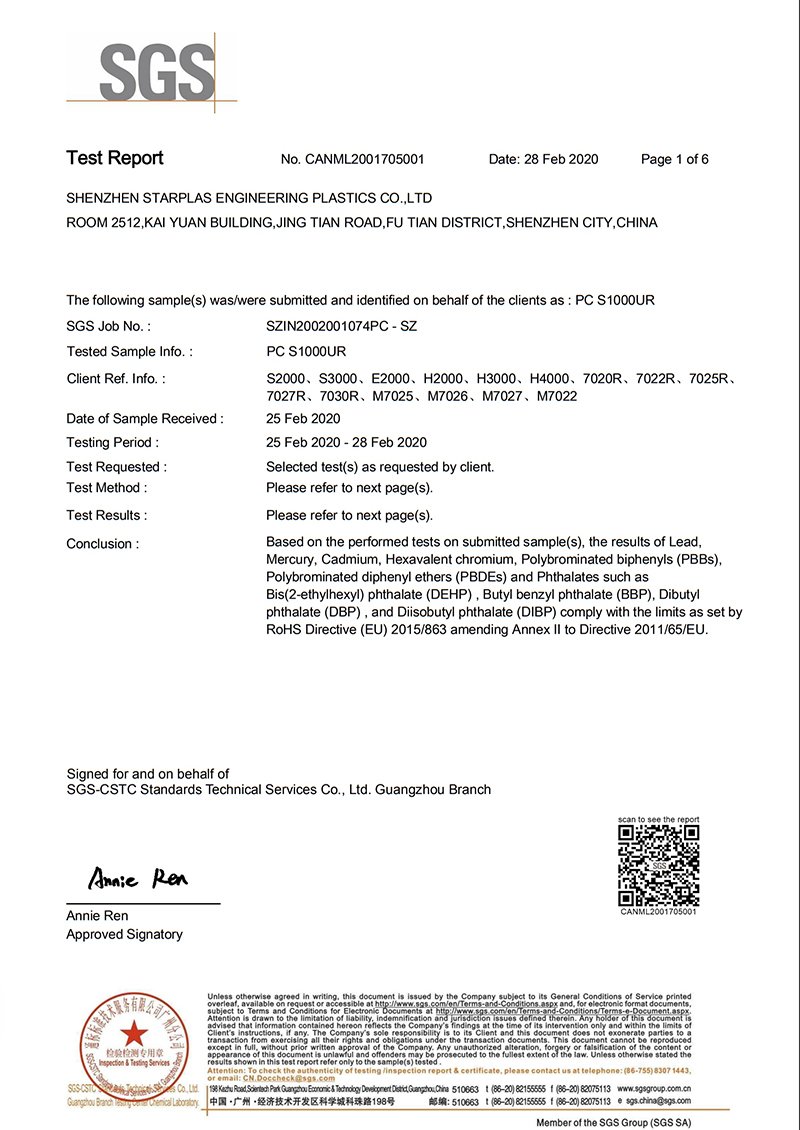
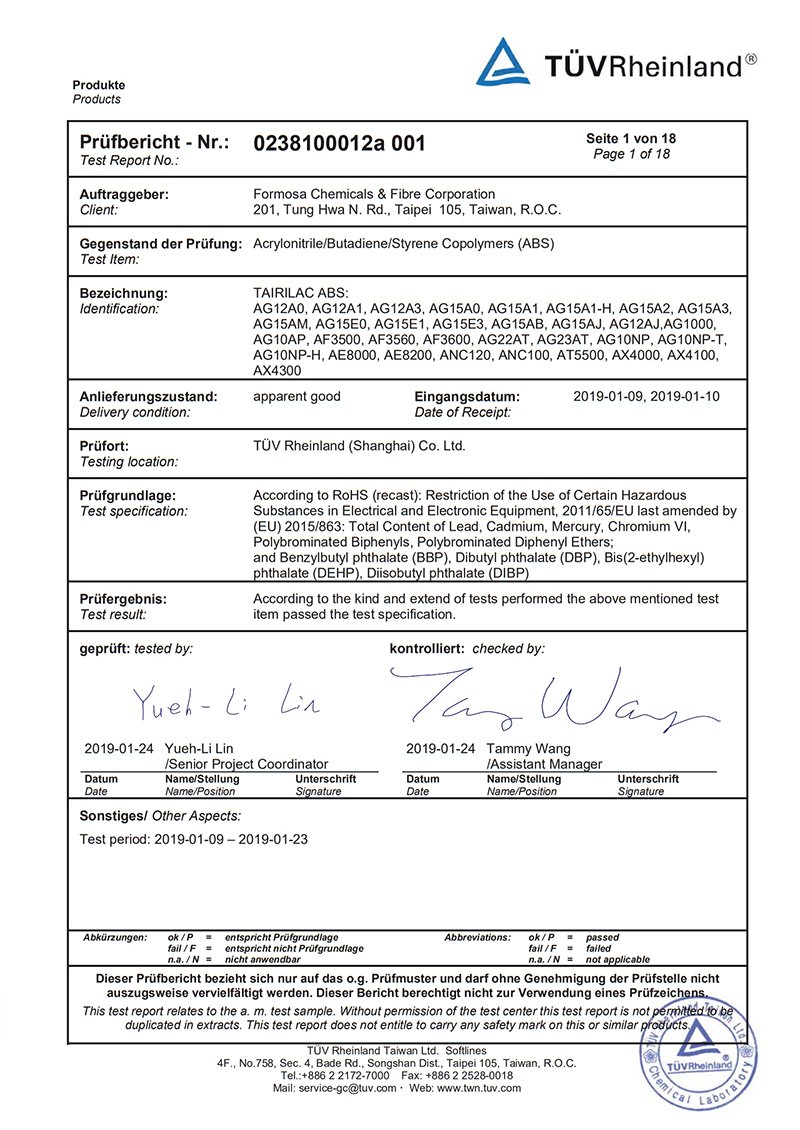
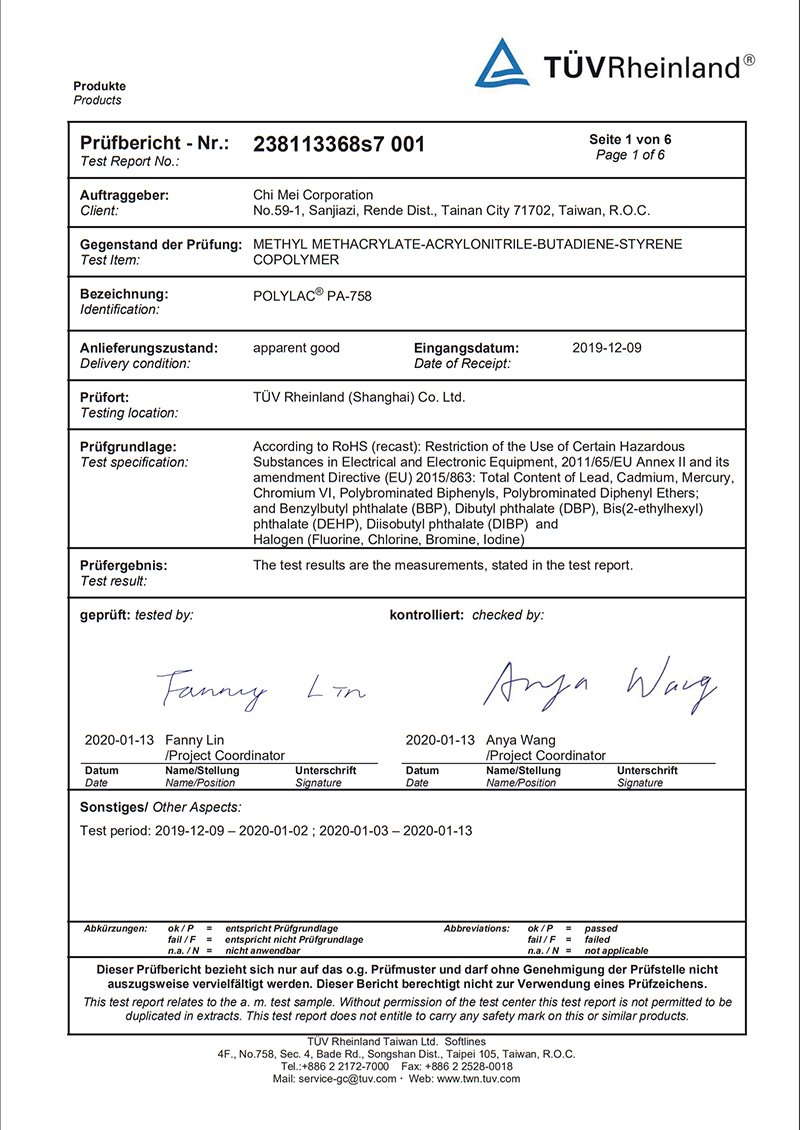
SW Certifications
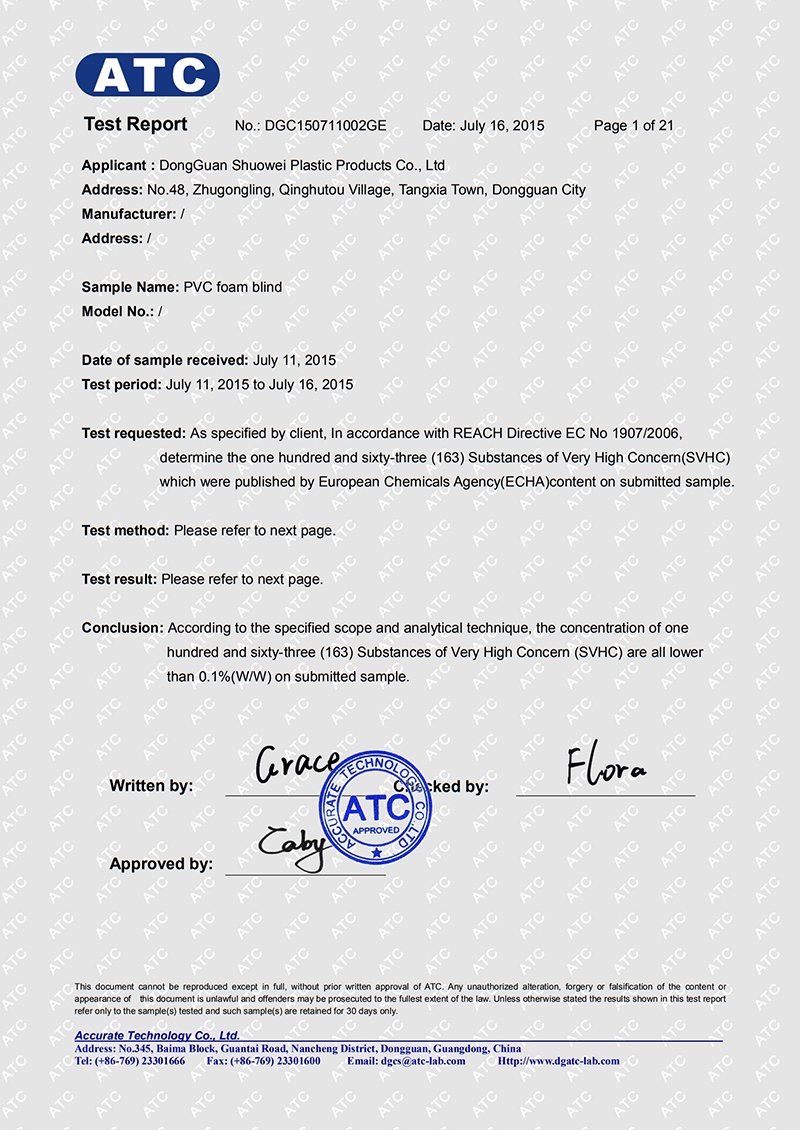
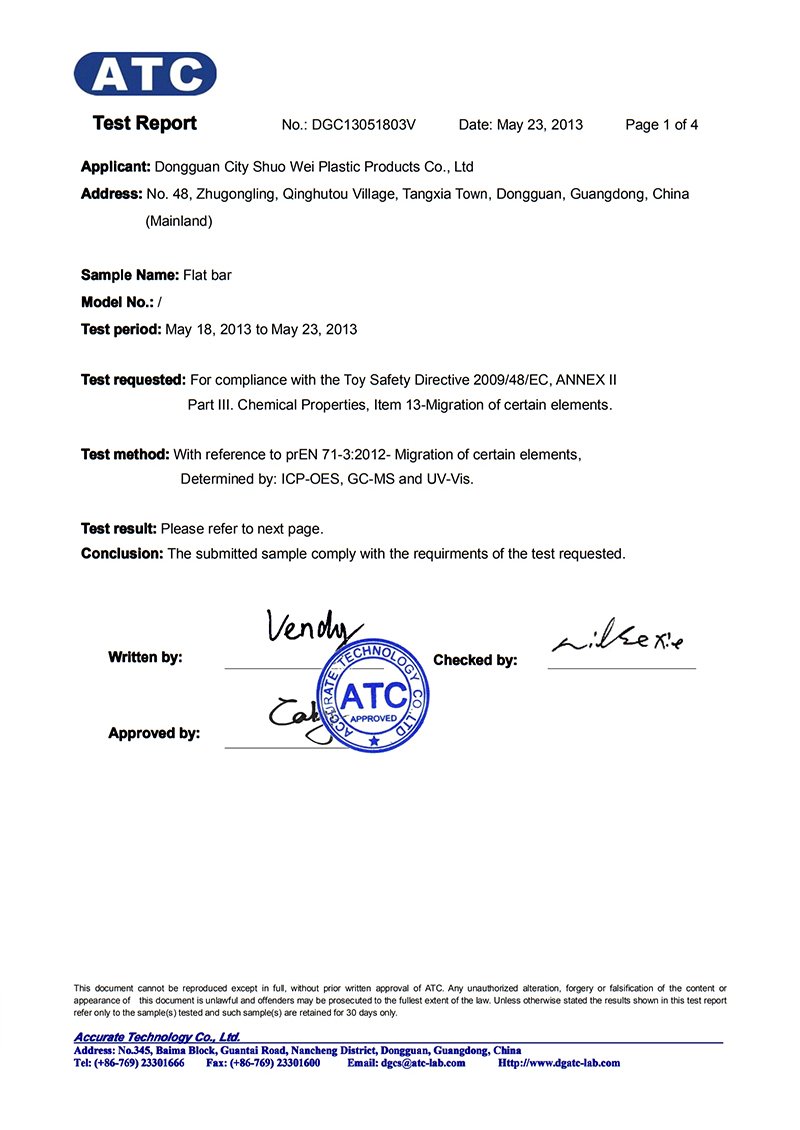
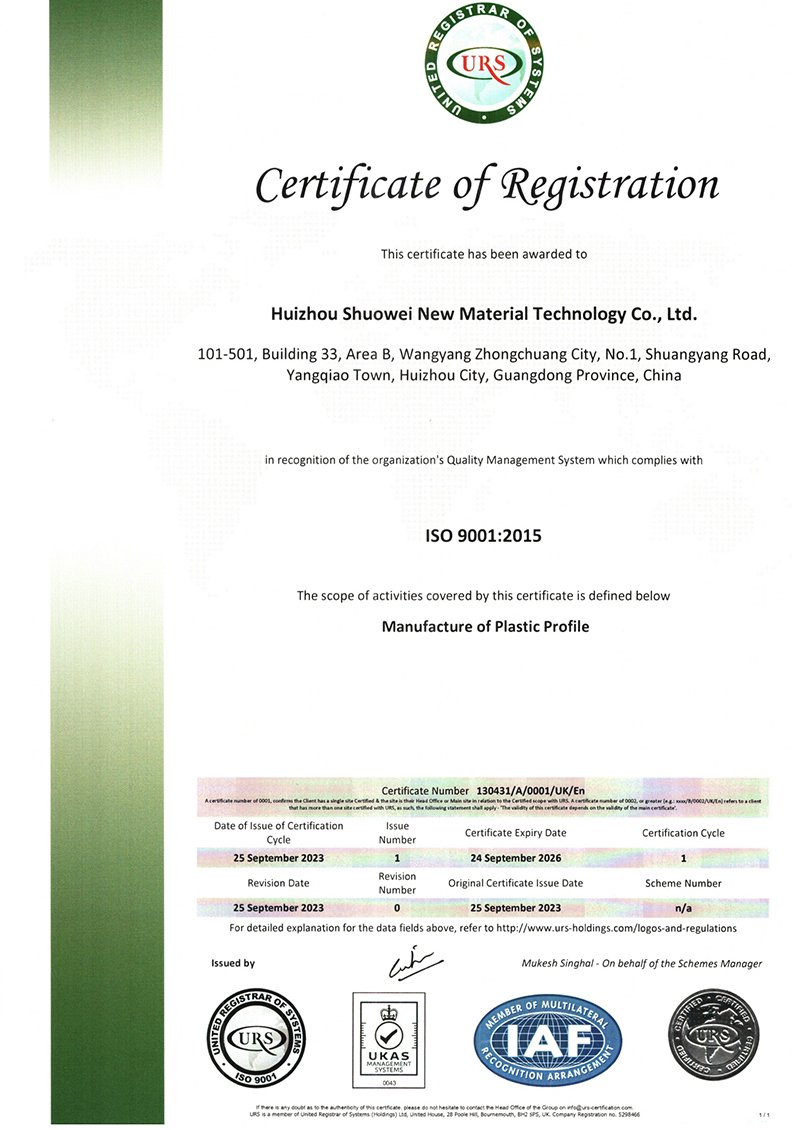
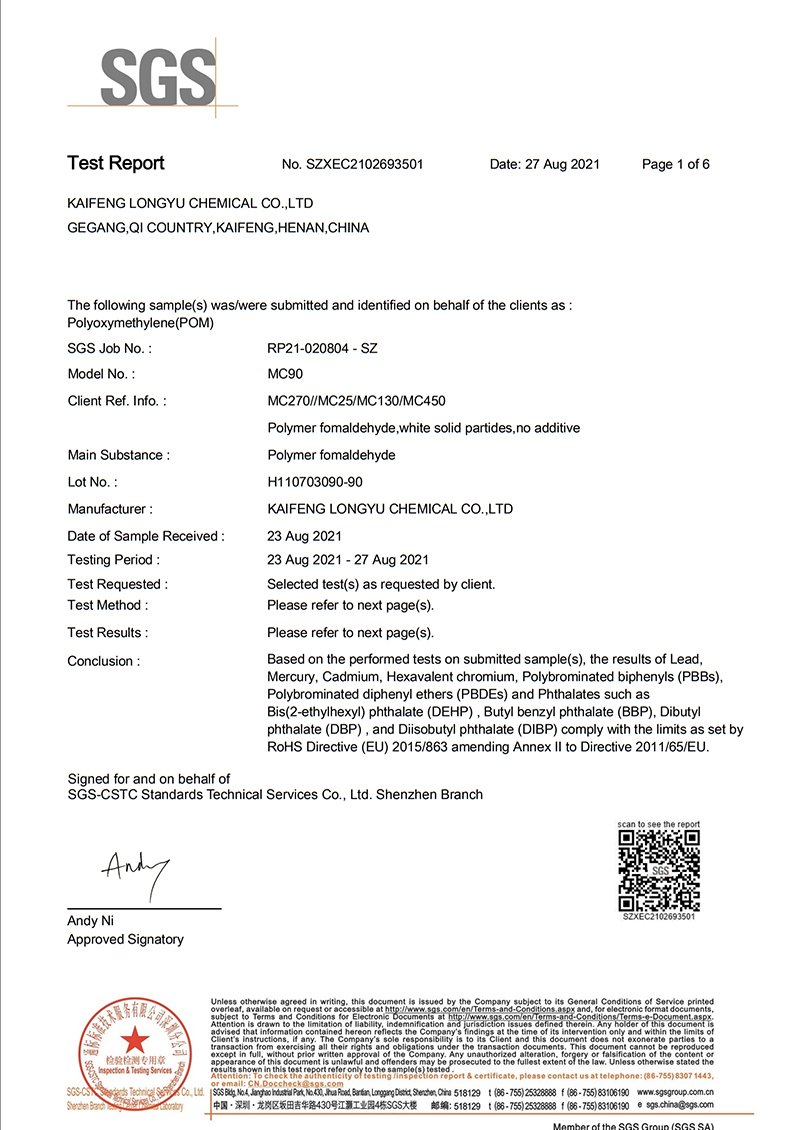
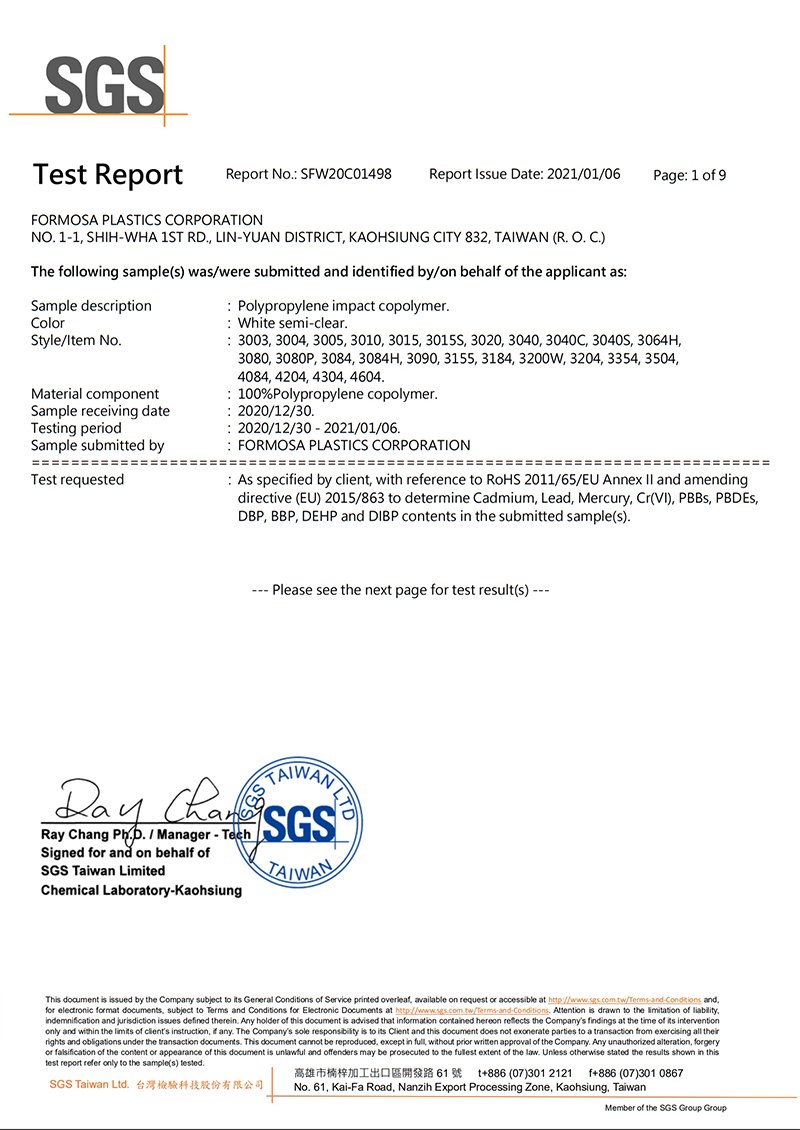
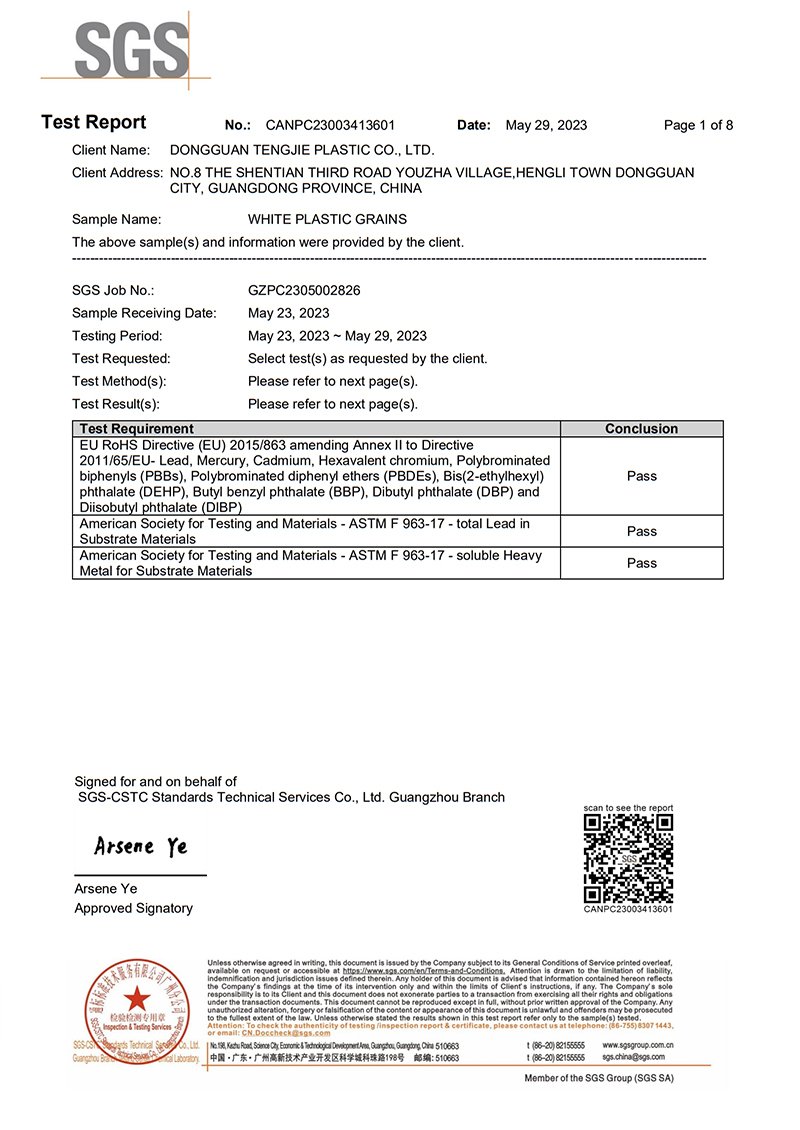
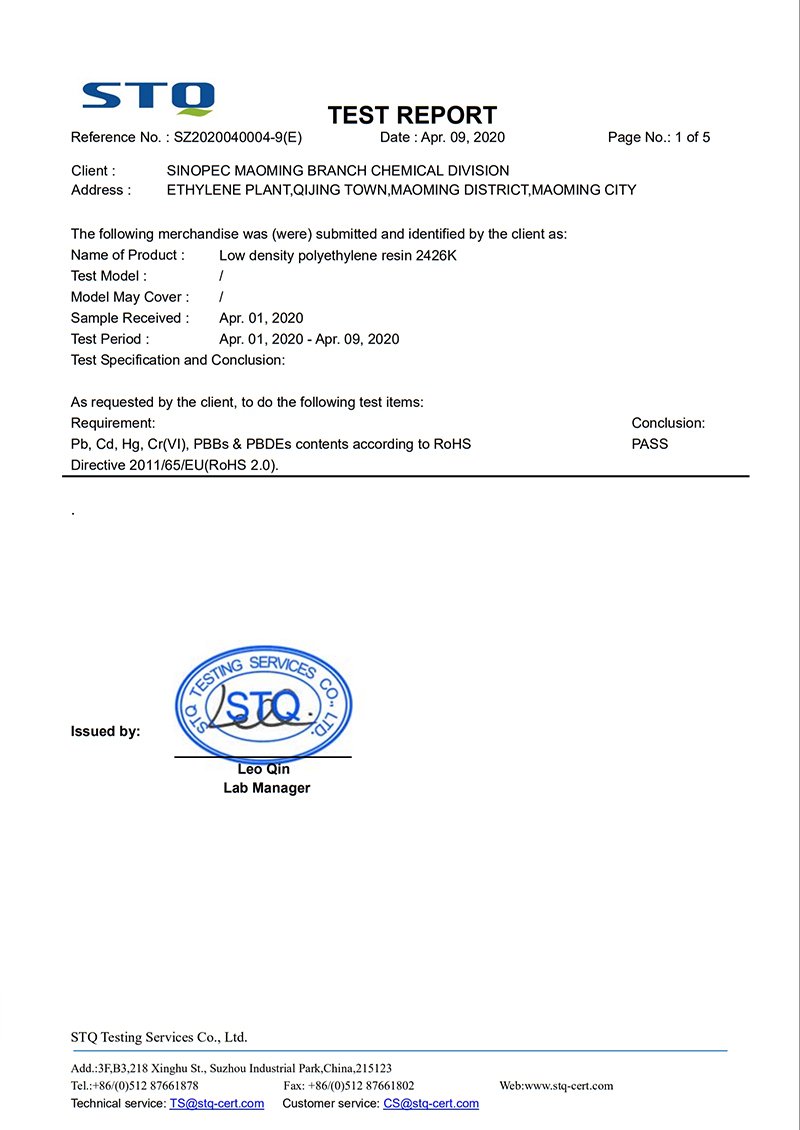
In order to provide better quality and service to meet the needs of customers,our factory and products have passed a lot of inspection and certification, and obtained a lot of certificates
Our news
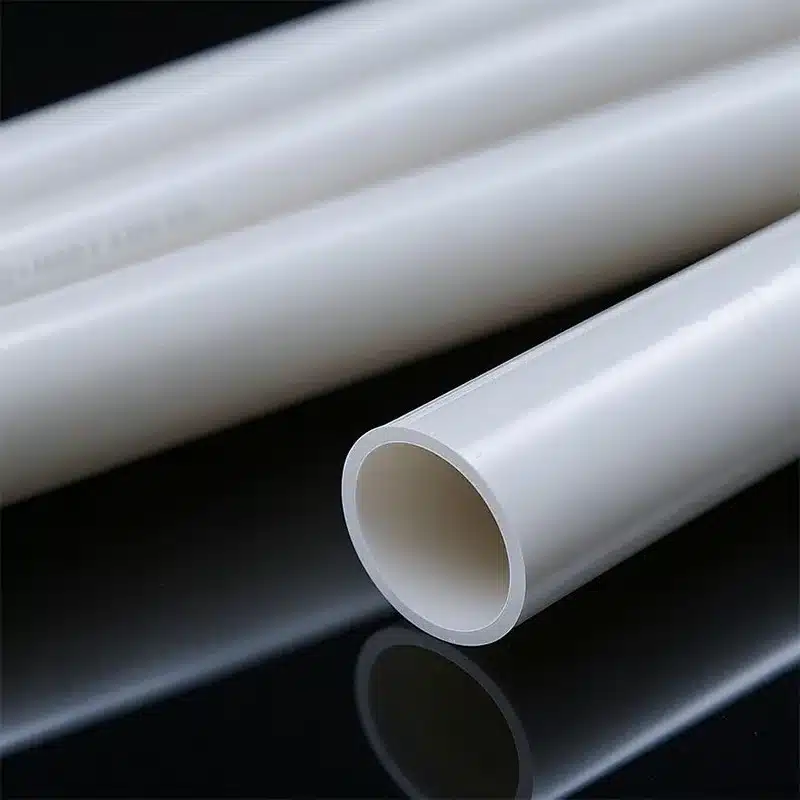

We have a ABS pipe supplier of skilled engineers ready to support you in your product development journey from idea design to production.Any ideas about your product you can contact us freely,and our engineers will get back to you with a quote asap. Whatsapp +86 188 2072 7151
Who is Shuowei?
Since 2006, Shuowei is a professional extrusion profiles factory based in Guangdong, China. There are total about 51-100 people in our office. Shuowei PVC extrusion factory is committed to the design and production of extruded profiles, such as PVC pipes, PE trunking, PVC skirting line. Since its inception, we have won the wide recognition of the market and the deep trust of customers with our ingenious design, exquisite technology and the ultimate pursuit of quality.
Are you a manufacturer or a trader?
We are a Chinese top PVC extrusion profiles manufacturer and our factory is located in Huizhou. Our factory has a 16,000㎡ production base, 5+ automated extrusion profiles production lines, an annual production capacity of 30,000 tons, and serves more than 500 customers worldwide. Welcome to visit our factory!
What is your product range?
We pecialize in the design and production of high quality extrusion profiles,such as PVC pipe, ABS extrusion, PC lampshades, PVC skirting lines, PP trunking, PE profiles…
How long does the custom development process take?
We support custom extrusion products. The usual process has 4 steps: demand confirmation → 3D design/proofing → test certification → mass production (cycle 3-8 weeks).
Do you have any international certifications?
We have passed ISO 9001, CE, RoHS, SGS and other certifications, and meet the mainstream standards of Europe, America, the Middle East and Asia

