





In the ever-evolving world of modern infrastructure and industrial design, ABS pipe has become an essential component for engineers, architects, and system designers. From high-performance plumbing systems to industrial ventilation, ABS (Acrylonitrile Butadiene Styrene) offers a balance of strength, flexibility, and chemical resistance that few materials can match.
For over 20 years, SW has been at the forefront of ABS pipe extrusion technology, manufacturing precision-engineered piping systems for diverse applications worldwide. As an industry-leading ABS pipe factory, SW has built its reputation on consistency, quality, and innovation, supplying customized solutions to construction, mining, HVAC, and chemical industries.
This article explores everything you need to know about ABS pipe, from material composition and mechanical behavior to installation, maintenance, and advanced customization at SW’s state-of-the-art extrusion facilities.
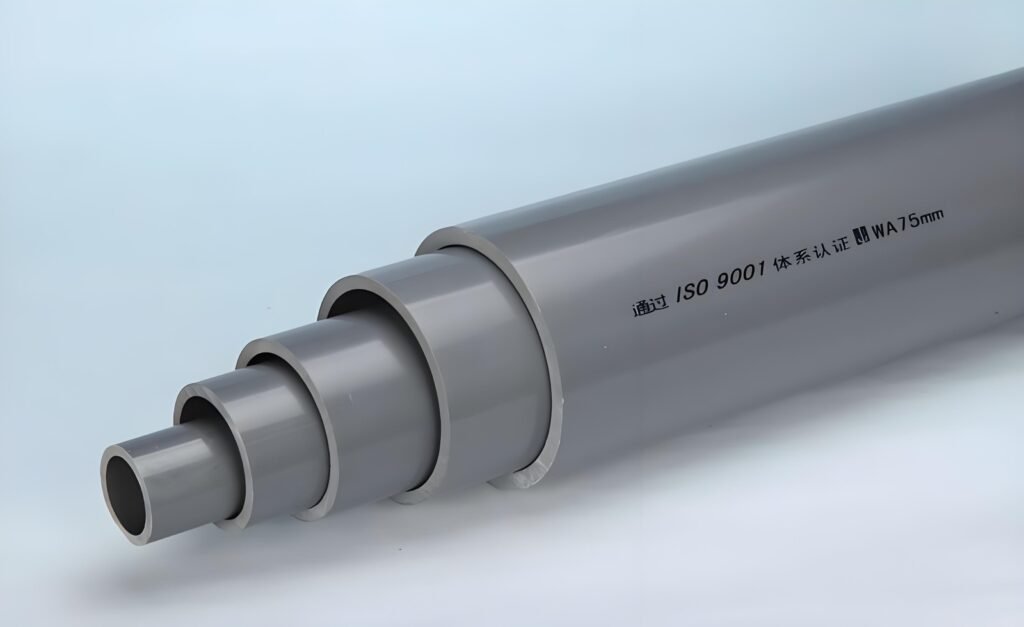
1. What Is ABS Pipe? Composition and Material Structure
ABS pipe is a thermoplastic piping system made from a copolymer of Acrylonitrile, Butadiene, and Styrene.
Each of these monomers contributes unique performance characteristics:
Acrylonitrile – adds strength, chemical resistance, and heat stability.
Butadiene – enhances impact toughness and flexibility, especially in low temperatures.
Styrene – provides a smooth, glossy surface and easy processability.
The result is a rigid yet resilient polymer that can withstand mechanical impact and harsh chemicals—making ABS a versatile material for both residential and industrial piping systems.
At SW, the compounding ratio is optimized to achieve the perfect balance of rigidity, toughness, and flow performance depending on the target application.
2. Physical and Mechanical Properties of ABS Pipe
ABS pipe possesses a unique combination of mechanical and thermal properties that make it suitable for heavy-duty systems. The table below summarizes typical engineering values:
| Property | Typical Value | Engineering Benefit |
|---|---|---|
| Density | 1.03 – 1.06 g/cm³ | Lightweight, easy handling |
| Tensile Strength | 40 – 50 MPa | Withstands internal pressure |
| Impact Strength | High | Resists cracking, shock loads |
| Flexural Modulus | 2,000 – 2,400 MPa | Structural stability |
| Working Temperature | -40°C to +80°C | Suitable for both cold & hot environments |
| UV Resistance | Moderate | Optional UV stabilizer for outdoor use |
| Chemical Resistance | Excellent | Withstands acids, salts, and alkalis |
| Thermal Expansion Coefficient | 1.05×10⁻⁴ /°C | Predictable dimensional behavior |
SW’s ABS pipes are precisely extruded under controlled temperatures and pressure, ensuring uniform wall thickness, perfect roundness, and low surface roughness — all essential for efficient fluid dynamics.
3. Advantages of Using ABS Pipe in Industrial Systems
1. Lightweight yet Strong
ABS is about one-sixth the weight of steel but offers impressive mechanical strength, reducing installation costs and structural load.
2. Excellent Impact Resistance
Even at low temperatures, ABS pipe maintains toughness, making it ideal for cold-climate installations.
3. High Chemical Resistance
ABS performs well against diluted acids, alkalis, and salts — a key reason it’s used in chemical handling systems.
4. Easy Installation
ABS pipe can be joined using solvent cement, allowing for fast, leak-proof connections without welding or heat fusion.
5. Non-Corrosive and Durable
Unlike metal pipes, ABS pipes don’t rust, corrode, or scale, ensuring consistent flow over time.
6. Cost-Efficient
Production and maintenance costs are significantly lower than those of metal or composite piping systems.
At SW, we integrate tight process control and testing to deliver high-strength ABS pipe systems that exceed international standards like ISO 15493 and ASTM D1527.
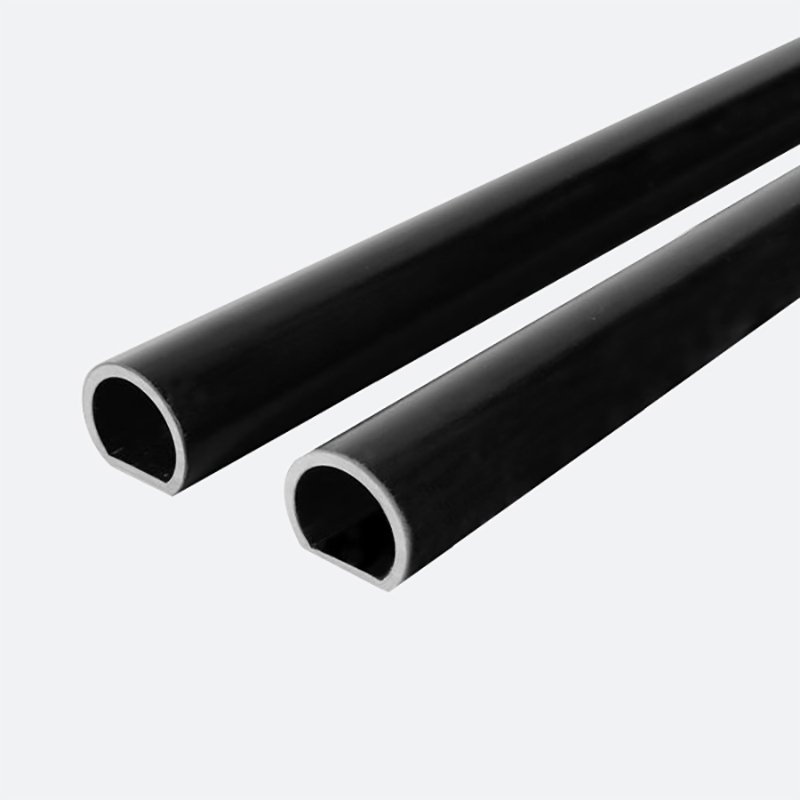
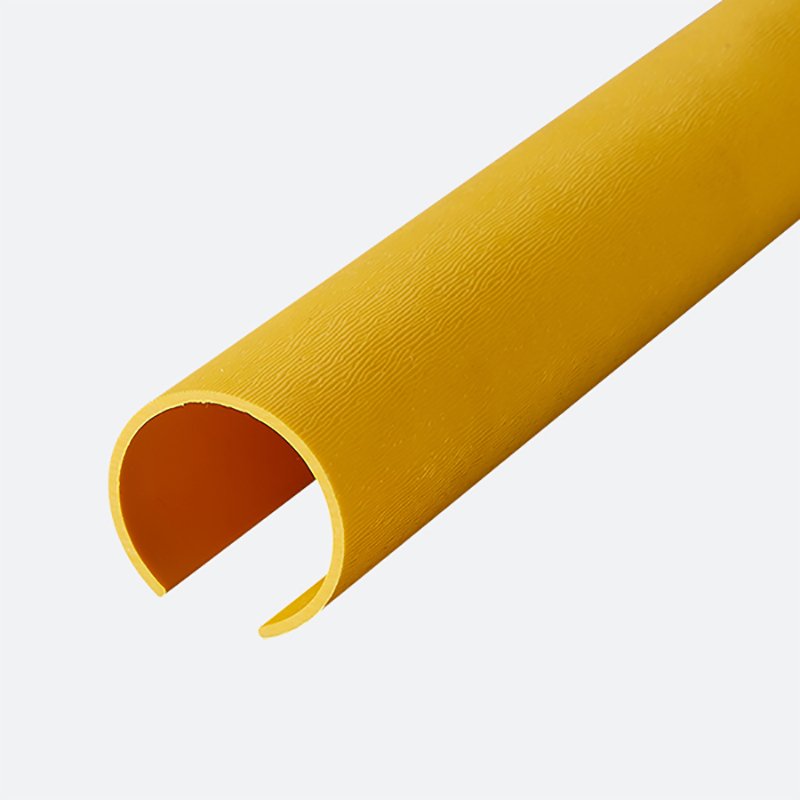
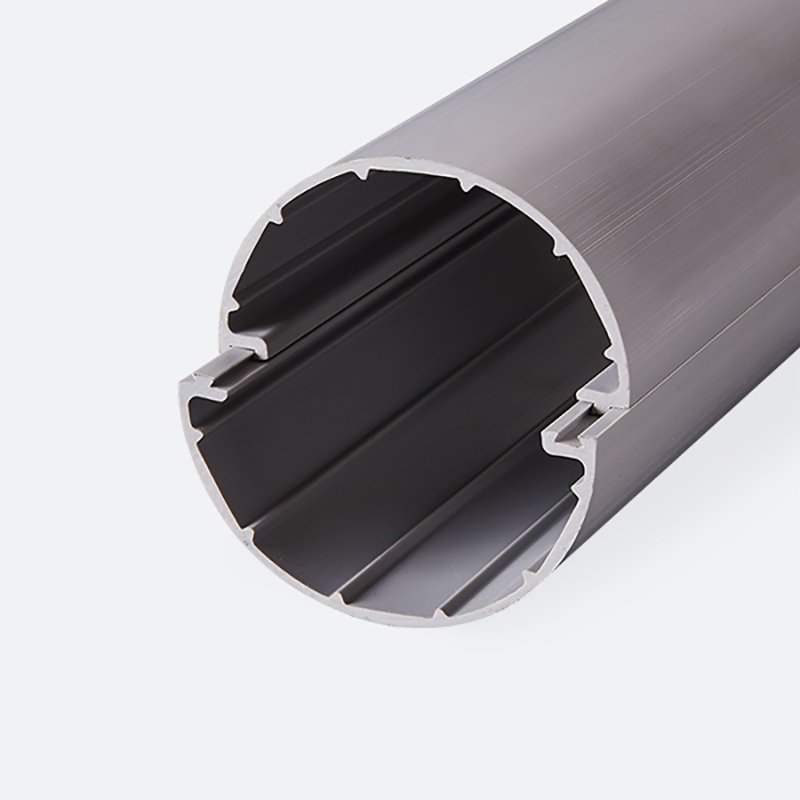
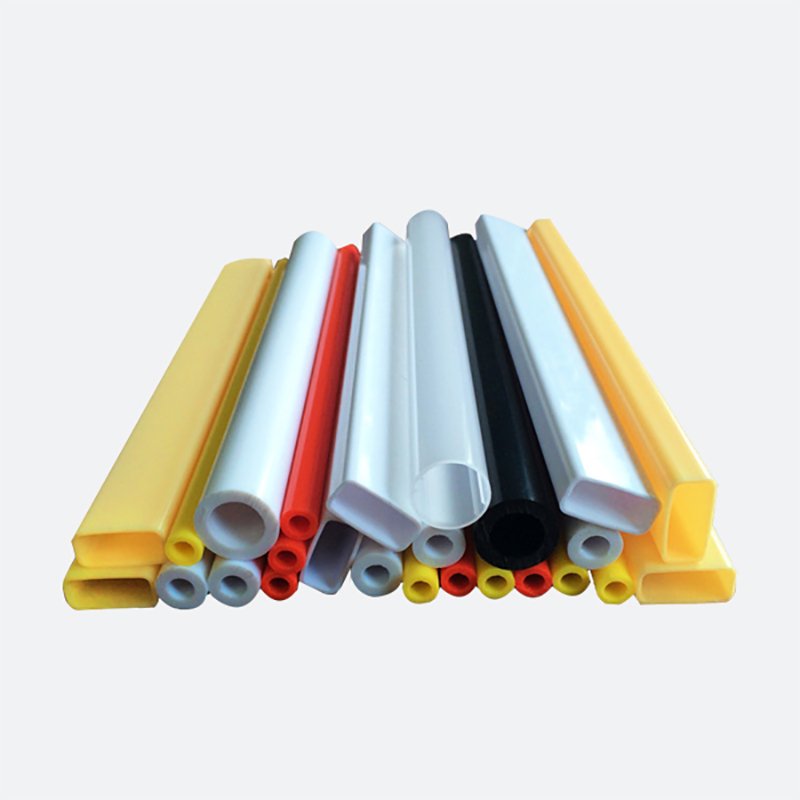
4. Applications Across Industries
ABS pipes are incredibly versatile, serving multiple sectors where reliability and chemical stability are critical.
Plumbing Systems
Used in waste, vent, and drainage systems in residential and commercial buildings due to corrosion resistance and smooth internal walls.
HVAC and Ventilation
ABS’s lightweight nature makes it ideal for air ducts, condensate drains, and vacuum lines in HVAC systems.
Mining and Mineral Processing
Highly durable ABS pipe handles abrasive slurries and chemical effluents under harsh field conditions.
Chemical Handling
ABS’s non-reactive surface is suitable for acid transfer lines, plating baths, and water treatment applications.
Electrical Conduit
Used to protect wiring systems in industrial environments, thanks to ABS’s electrical insulation and rigidity.
Marine and Automotive
Resists saltwater corrosion and mechanical vibration, making it ideal for bilge systems and air ducts in vehicles and boats.
At SW, our clients in construction, industrial processing, and infrastructure projects rely on custom-engineered ABS pipes designed for their specific system pressures and environmental conditions.
5. How to Choose the Right ABS Pipe
Choosing the proper ABS pipe depends on application-specific variables:
| Factor | Consideration |
|---|---|
| Operating Pressure | Choose pipe class according to system pressure (PN 6–16). |
| Temperature Range | For sustained hot-water applications, check the softening point. |
| Pipe Size | Match flow requirements; SW offers 16mm to 400mm diameters. |
| UV Exposure | Outdoor use requires UV-stabilized grades. |
| Color & Identification | Black or gray pipes for specific industry codes. |
| Certifications | Verify ISO, ASTM, or DIN compliance. |
SW provides expert engineering support, helping customers specify the correct wall thickness, diameter, and formulation for their project.
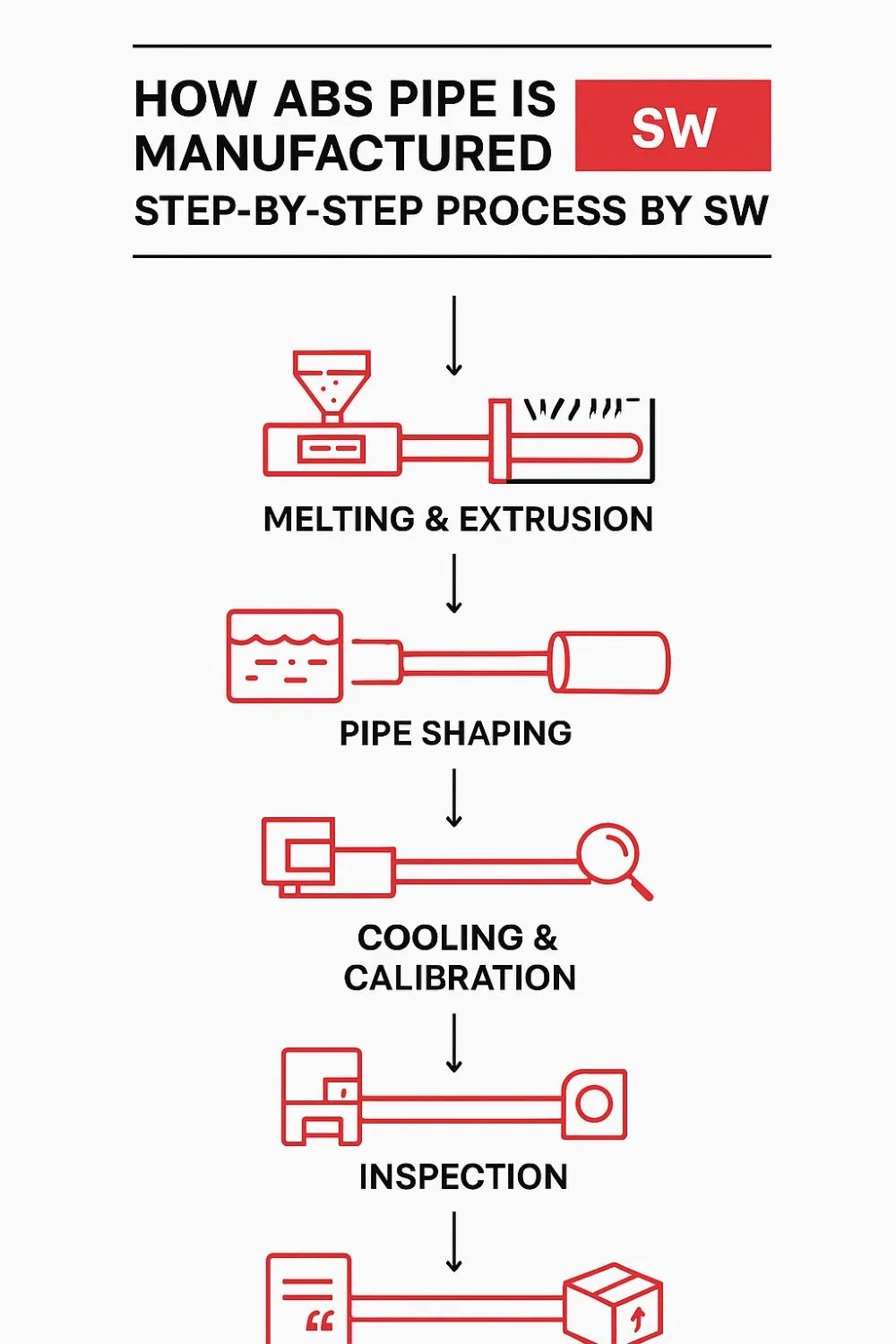
6. Manufacturing Process of ABS Pipe
At SW’s extrusion facility, every ABS pipe undergoes a controlled, precision-driven process to ensure dimensional accuracy and consistent performance.
Step 1: Raw Material Selection
Only virgin-grade ABS resin is used. Additives such as UV stabilizers, impact modifiers, or flame retardants are blended based on application.
Step 2: Compounding
High-speed mixers ensure uniform dispersion of pigments and modifiers. The compounded pellets are cooled and conveyed to extrusion lines.
Step 3: Extrusion
The material is melted in a twin-screw extruder, pushed through a calibrated die to form the desired pipe profile.
Step 4: Vacuum Calibration and Cooling
The hot pipe passes through a vacuum calibration tank to fix its shape and maintain tolerance.
Step 5: Haul-Off and Cutting
A synchronized haul-off machine maintains tension, while precision saws cut pipes to length.
Step 6: Quality Testing
SW conducts mechanical, dimensional, and hydraulic tests — ensuring every ABS pipe meets ASTM D1527 or ISO 15493 standards.
Step 7: Packaging and Logistics
Finished pipes are packaged, labeled, and prepared for global shipment with traceability data.
This vertical manufacturing integration gives SW full control from raw material to final inspection, guaranteeing exceptional consistency across all ABS pipe batches.
7. Installation Guidelines and Jointing Techniques
Proper installation determines the long-term reliability of ABS pipe systems. Below are the professional steps recommended by SW engineers.
Preparation
Cut the pipe squarely using a fine-tooth saw.
Deburr and clean both the pipe and fitting surfaces.
Dry-fit components before cementing.
Solvent Cement Jointing
Apply ABS solvent cement evenly using a brush.
Insert the pipe fully into the fitting while twisting slightly.
Hold for 30 seconds to allow bonding.
Wipe excess cement and allow curing (minimum 2 hours at 20°C).
Support and Alignment
Use pipe supports every 1.2 to 1.5 meters.
Avoid excessive bending; use elbows for direction changes.
Testing
Conduct pressure or leak tests before system commissioning.
SW’s installation manuals and on-site support teams assist customers in ensuring professional assembly and long service life.

8. Usage Precautions and Maintenance Best Practices
To ensure the longevity of your ABS pipe system, SW recommends the following guidelines:
Avoid direct exposure to sunlight unless UV-stabilized.
Do not use incompatible adhesives or sealants.
Prevent exposure to strong oxidizing agents (e.g., chlorine gas).
Inspect mechanical joints regularly.
Store pipes on flat, shaded surfaces to prevent warping.
ABS is a low-maintenance material, but correct installation and periodic checks guarantee reliable performance for 25+ years.
9. Common Failure Modes and How to Avoid Them
Although ABS pipe is durable, improper handling or installation can cause failures:
| Failure Mode | Cause | Prevention |
|---|---|---|
| Cracking | Over-tightening or impact | Proper support, handle with care |
| Joint Leakage | Inadequate solvent cement | Use certified ABS cement, follow curing time |
| UV Degradation | Sunlight exposure | Use UV-stabilized ABS for outdoor use |
| Chemical Attack | Incompatible fluids | Consult chemical resistance data |
| Warping | Poor storage conditions | Store horizontally, shaded from heat |
At SW, every shipment includes a maintenance and safety guide, helping users avoid these common pitfalls.
10. Comparison: ABS vs PVC vs PP vs PE Pipes
Understanding how ABS pipe compares to other plastics helps in material selection:
| Property | ABS Pipe | PVC Pipe | PP Pipe | PE Pipe |
|---|---|---|---|---|
| Impact Resistance | Excellent | Moderate | Good | Excellent |
| Temperature Range | -40°C to +80°C | 0°C to +60°C | 0°C to +100°C | -50°C to +60°C |
| Chemical Resistance | Excellent | Good | Excellent | Excellent |
| Rigidity | High | High | Medium | Medium |
| Cost | Moderate | Low | Moderate | Moderate |
| Ease of Installation | Easy | Easy | Medium | Medium |
| Outdoor Durability | Requires UV Stabilizer | Poor | Excellent | Excellent |
| Typical Use | Industrial, Drainage | Plumbing | Chemical, Food | Gas, Water Supply |
While PVC and PE are more common in domestic plumbing, ABS stands out in industrial and engineering environments where mechanical strength, impact resistance, and solvent bonding are critical.
SW provides clients with multi-material comparison consulting, ensuring the optimal polymer is chosen for each project.
11. Why Choose SW as Your ABS Pipe Manufacturing Partner
With two decades of professional extrusion expertise, SW has grown into one of the most trusted ABS pipe manufacturers in Asia. Our reputation is built on innovation, reliability, and customization.
SW’s Strengths Include:
20+ years of extrusion experience
ISO 9001-certified production systems
Fully automated extrusion lines
In-house mold development
OEM/ODM manufacturing for top brands
Comprehensive QC testing for every batch
Eco-friendly materials and recycling initiatives
Global Reach
SW serves clients across Europe, North America, the Middle East, and Asia, providing consistent quality and reliable supply for international projects.
Choosing SW means working with a factory that understands engineering-grade thermoplastics, provides custom dimensions, and ensures on-time delivery—all while maintaining strict quality standards.
The Future of ABS Pipe in Engineering
As industries evolve toward lightweight, sustainable, and efficient materials, ABS pipe continues to lead the field. With its proven mechanical strength, chemical resistance, and easy installation, it’s poised to remain a preferred material in both industrial and commercial applications.
At SW, our mission is to continuously innovate the ABS pipe manufacturing process, ensuring higher performance, lower environmental impact, and unmatched customization for our partners.
Whether you require standard ABS pipe sizes or specialized extruded profiles, SW is your trusted ABS pipe factory — delivering precision, reliability, and engineering excellence in every meter of pipe we produce.
We have a PVC pipes factory of skilled engineers ready to support you in your product development journey from idea design to production.Any ideas about your product you can contact us freely,and our engineers will get back to you with a quote asap. Whatsapp +86 188 2072 7151
Who is Shuowei?
Since 2006, Shuowei is a professional extrusion profiles factory based in Guangdong, China. There are total about 51-100 people in our office. Shuowei PVC extrusion factory is committed to the design and production of extruded profiles, such as PVC pipes, PE trunking, PVC skirting line. Since its inception, we have won the wide recognition of the market and the deep trust of customers with our ingenious design, exquisite technology and the ultimate pursuit of quality.
Are you a manufacturer or a trader?
We are a Chinese top PVC extrusion profiles manufacturer and our factory is located in Huizhou. Our factory has a 16,000㎡ production base, 5+ automated extrusion profiles production lines, an annual production capacity of 30,000 tons, and serves more than 500 customers worldwide. Welcome to visit our factory!
What is your product range?
We pecialize in the design and production of high quality extrusion profiles,such as PVC pipe, ABS extrusion, PC lampshades, PVC skirting lines, PP trunking, PE profiles…
How long does the custom development process take?
We support custom extrusion products. The usual process has 4 steps: demand confirmation → 3D design/proofing → test certification → mass production (cycle 3-8 weeks).
Do you have any international certifications?
We have passed ISO 9001, CE, RoHS, SGS and other certifications, and meet the mainstream standards of Europe, America, the Middle East and Asia


