




Pipes form the backbone of modern infrastructure. Whether in residential homes, commercial buildings, industrial plants, or agricultural fields, reliable piping systems ensure smooth water supply, efficient drainage, safe electrical wiring, and robust industrial fluid management. Selecting the right type of pipe and ensuring its correct installation is therefore essential. Among the many pipe materials available today—such as copper, galvanized steel, cast iron, concrete, and polyethylene— PVC pipes stand out as one of the most versatile and widely used options. Their success lies in their unique balance of affordability, durability, and ease of installation.
However, even the best pipe material will fail if it is not installed properly. Incorrect cutting, joining, or supporting of PVC pipes can lead to leaks, cracks, or costly system failures. That’s why technical knowledge of PVC pipes installation methods is so important.
As SW, a professional PVC pipes factory with over 30 years of manufacturing expertise, we have seen firsthand how proper installation can make the difference between a reliable system that lasts decades and one that fails prematurely. In this comprehensive guide, we will walk you through the correct tools, installation techniques, application-specific methods, common mistakes to avoid, and long-term maintenance practices for PVC pipes.
By the end of this article, you will have a complete reference for installing PVC pipes correctly—whether you are a professional contractor, a construction manager, or a DIY homeowner.
1. Understanding PVC Pipes
Before diving into installation techniques, it’s important to understand the characteristics and types of PVC pipes.
1.1 What Are PVC Pipes?
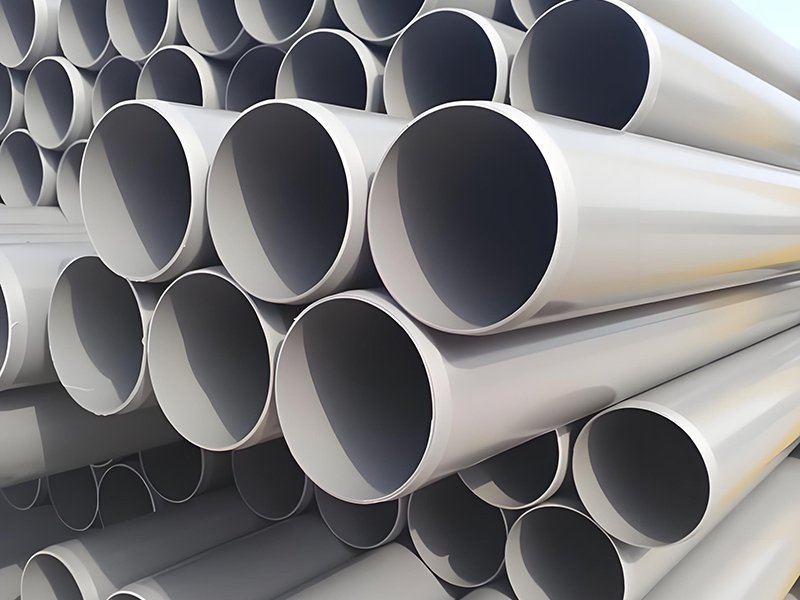
PVC pipes are made from polyvinyl chloride, a synthetic plastic polymer. The material is rigid, lightweight, and resistant to corrosion, making it an excellent alternative to metal pipes. Since their introduction in the mid-20th century, PVC pipes have become one of the most widely used piping materials worldwide.
1.2 Key Properties of PVC Pipes
Corrosion Resistance: Unlike metal, PVC does not rust.
Lightweight: Makes transportation and installation easier.
Durability: Can last 25–50 years depending on use.
Cost-Efficiency: Generally cheaper than copper or steel.
Smooth Interior: Ensures high flow efficiency with minimal friction loss.
Chemical Resistance: Suitable for a wide range of fluids.
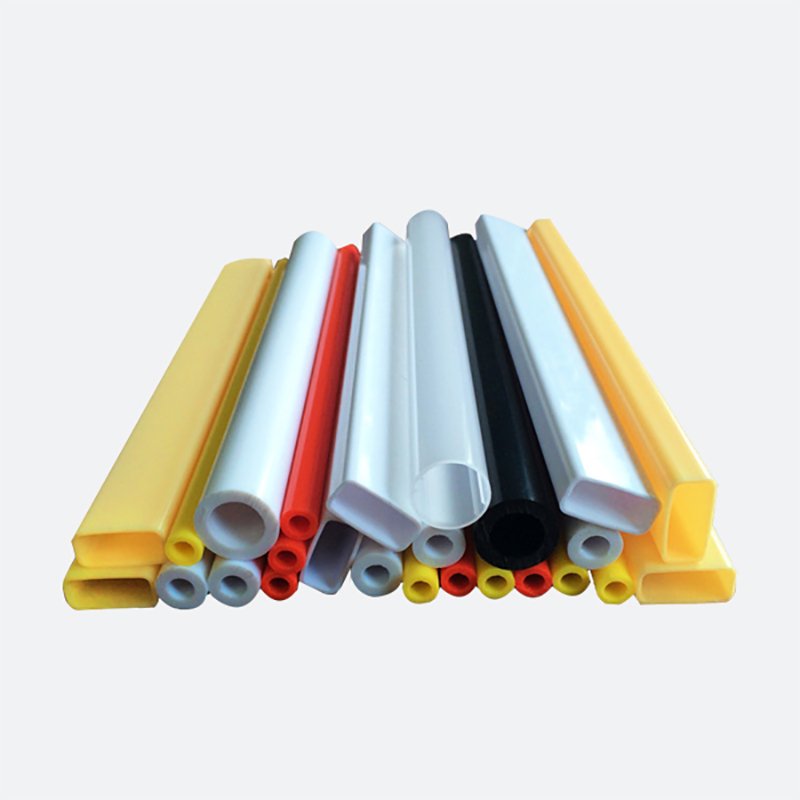
1.3 Common Types of PVC Pipes
Schedule 40 PVC: Standard thickness for residential plumbing and drainage.
Schedule 80 PVC: Thicker walls for high-pressure industrial applications.
CPVC (Chlorinated PVC): Designed for hot water applications.
Drainage and Sewer PVC: Large-diameter pipes with thinner walls.
Conduit PVC: For protecting electrical cables.
Each type of PVC pipe has specific uses, so choosing the right one before installation is critical.
2. Tools and Materials Required for PVC Pipes Installation
Proper installation requires the right tools and materials. Here’s a checklist:
2.1 Essential Tools
Pipe Cutter or Hacksaw – For making clean, straight cuts.
Deburring Tool or Utility Knife – To smooth rough edges after cutting.
Tape Measure & Marker – For precise measurements and alignment.
Primer and Solvent Cement – For bonding PVC pipes and fittings.
Brushes or Applicators – For applying primer and cement.
Fittings – Elbows, tees, couplings, reducers, and adapters.
Pipe Supports/Clamps – To secure pipes during and after installation.
2.2 Safety Gear
Gloves – Protects hands from sharp edges and chemicals.
Safety Glasses – Prevents eye injury from cutting or debris.
Mask – Prevents inhalation of solvent fumes.
Having the right tools ready before starting the installation helps avoid delays and ensures precision.
3. Step-by-Step PVC Pipe Installation Process
Now let’s dive into the installation process in detail.
3.1 Planning and Layout
Sketch the system: Mark pipe routes, fittings, and junctions.
Ensure correct slope: For drainage systems, a 1–2% downward slope is ideal.
Choose pipe diameter: Based on flow requirements and pressure ratings.
Proper planning reduces material waste and ensures system efficiency.
3.2 Cutting PVC Pipes
Use a PVC pipe cutter for clean, straight cuts.
If using a hacksaw, cut carefully at a 90° angle to the pipe.
Secure the pipe firmly during cutting to avoid uneven edges.
Straight cuts are essential because angled cuts can cause poor alignment and weak joints.
3.3 Deburring and Smoothing
After cutting, use a deburring tool or sandpaper to remove burrs.
Smooth edges prevent turbulence inside the pipe and allow a tight seal.
Skipping this step often leads to leaks and reduced water flow.
3.4 Dry Fitting and Alignment
Assemble the pipe and fittings without cement first.
Mark alignment lines on the pipe and fitting with a marker.
This ensures accuracy during the final joining.
3.5 Applying Primer and Solvent Cement
Apply primer to the outside of the pipe and inside of the fitting.
Then, apply solvent cement in an even coat.
Work quickly—cement sets within seconds.
⚠️ Important: Always use primer and cement recommended for PVC. Substituting with adhesives not designed for PVC can cause failure.
3.6 Joining Pipes and Fittings
Insert the pipe into the fitting while giving a quarter turn twist.
Hold firmly for 20–30 seconds to prevent pushback.
Wipe off excess cement immediately.
Once set, the joint is chemically bonded and becomes one continuous piece.
3.7 Supporting and Securing Pipes
Use pipe clamps and hangers to support long sections.
Recommended spacing: every 1.5 meters for horizontal runs.
Allow for thermal expansion by leaving slight movement space.
3.8 Testing the System
After assembly, allow 24 hours curing time before pressure testing.
Perform a hydrostatic test (filling with water) or air test.
Check for leaks at all joints.
This final step ensures your system is ready for long-term use.

4. Installation Methods for Different Applications
PVC pipes are versatile and used in multiple applications. Each has unique installation considerations.
4.1 Plumbing Systems
Use Schedule 40 or CPVC for hot and cold water lines.
Avoid over-tightening threaded fittings.
Insulate hot water lines for energy efficiency.
4.2 Drainage and Sewage Systems
Ensure slope of 1–2% for smooth flow.
Use larger diameter pipes for main drains.
Install inspection chambers for easy maintenance.
4.3 Irrigation Systems
Use pressure-rated PVC for agricultural irrigation.
Install valves for flow control.
Protect exposed pipes from UV with paint or insulation.
4.4 Electrical Conduits
Use conduit-grade PVC for electrical wiring.
Pipes can be bent with a heat gun if necessary.
Ensure waterproof sealing for outdoor installations.
5. Common Mistakes to Avoid
Even experienced installers sometimes make mistakes. Here are the most frequent ones:
Skipping deburring – causes leaks and flow resistance.
Insufficient primer and cement – leads to weak joints.
Not holding joint long enough – pipe may push out.
Excessive tightening of threads – may crack the pipe.
Direct sun exposure – UV can weaken PVC if unprotected.
Avoiding these mistakes saves time and prevents costly repairs later.
6. Maintenance and Long-Term Care
PVC pipes are low-maintenance, but regular checks extend their life:
Inspect annually for cracks, leaks, or pressure loss.
Flush pipes if clogged with debris or sediment.
Protect exposed pipes from direct sunlight.
Avoid chemical misuse—some solvents may weaken PVC.

7. Safety Considerations
Always use ventilation when applying primer and cement.
Wear gloves and goggles to prevent burns or irritation.
Store chemicals safely, away from children and open flames.
8. Why Choose SW PVC Pipes
At SW, we specialize in manufacturing high-quality PVC pipes with over 30 years of professional experience. Our pipes are:
ISO-certified for consistent quality.
Available in a wide product range—plumbing, drainage, conduit, irrigation.
Trusted by engineers, contractors, and distributors worldwide.
Manufactured with a focus on durability, precision, and safety.
When you choose SW, you’re not just buying pipes—you’re gaining a partner committed to reliable infrastructure solutions.
PVC pipes are one of the most versatile and cost-effective piping solutions
PVC pipes are one of the most versatile and cost-effective piping solutions available today. With the right installation methods, they can last for decades with minimal maintenance. From cutting and joining to testing and supporting, every step matters for a leak-free and durable system.
By following this complete installation guide, you can ensure that your PVC piping system performs reliably in residential, commercial, or industrial projects.
At SW, we are proud to be your trusted partner in piping solutions. If you need expert advice, high-quality products, or technical support, contact us today—we’re here to help you build with confidence.
We have a PVC pipes factory of skilled engineers ready to support you in your product development journey from idea design to production.Any ideas about your product you can contact us freely,and our engineers will get back to you with a quote asap. Whatsapp +86 188 2072 7151
Who is Shuowei?
Since 2006, Shuowei is a professional extrusion profiles factory based in Guangdong, China. There are total about 51-100 people in our office. Shuowei PVC extrusion factory is committed to the design and production of extruded profiles, such as PVC pipes, PE trunking, PVC skirting line. Since its inception, we have won the wide recognition of the market and the deep trust of customers with our ingenious design, exquisite technology and the ultimate pursuit of quality.
Are you a manufacturer or a trader?
We are a Chinese top PVC extrusion profiles manufacturer and our factory is located in Huizhou. Our factory has a 16,000㎡ production base, 5+ automated extrusion profiles production lines, an annual production capacity of 30,000 tons, and serves more than 500 customers worldwide. Welcome to visit our factory!
What is your product range?
We pecialize in the design and production of high quality extrusion profiles,such as PVC pipe, ABS extrusion, PC lampshades, PVC skirting lines, PP trunking, PE profiles…
How long does the custom development process take?
We support custom extrusion products. The usual process has 4 steps: demand confirmation → 3D design/proofing → test certification → mass production (cycle 3-8 weeks).
Do you have any international certifications?
We have passed ISO 9001, CE, RoHS, SGS and other certifications, and meet the mainstream standards of Europe, America, the Middle East and Asia


