





1. Why PA Pipe is Essential in Modern Engineering
In today’s industrial landscape, PA pipe (Polyamide pipe) has become a critical component across sectors that demand exceptional strength, durability, and chemical resistance. Whether used in automotive fuel systems, hydraulic lines, compressed air distribution, or chemical transport, PA pipes provide a unique blend of flexibility and toughness that few materials can match.
At SW, a professional extrusion factory with over 20 years of experience manufacturing PA pipes, we’ve witnessed firsthand how this material has evolved into one of the most reliable solutions for demanding industrial and mechanical applications. Our advanced extrusion technology and strict quality control ensure that every PA pipe we produce meets global standards of precision, performance, and safety.
We will explore every aspect of PA pipe—from its composition and production process to its real-world applications, selection criteria, and maintenance.
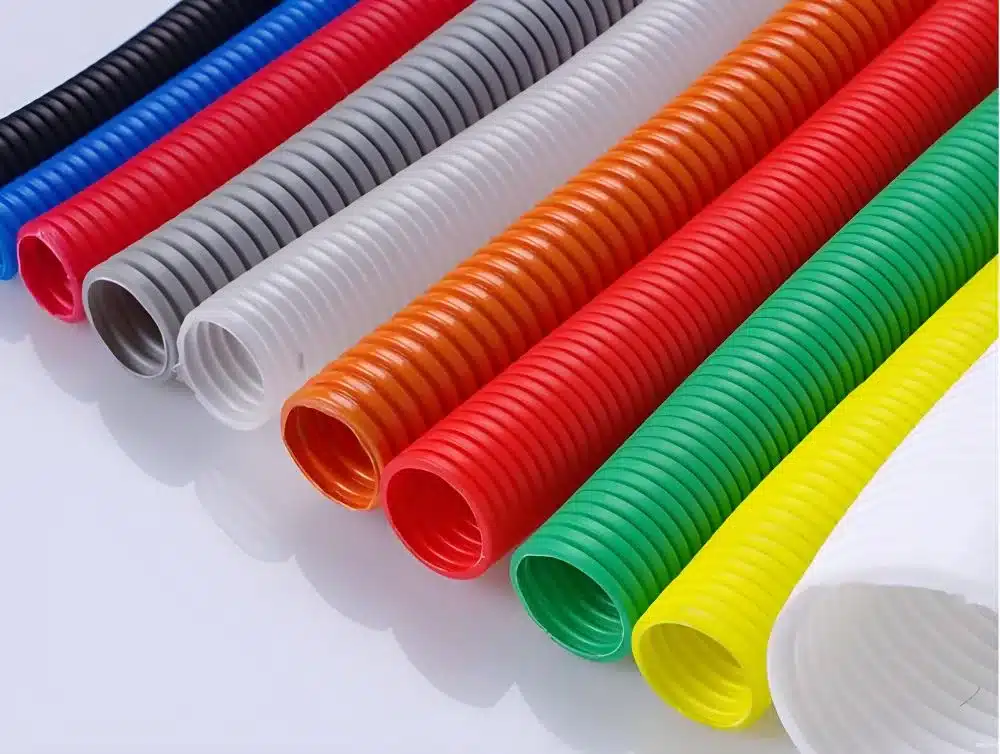
2. What Is PA Pipe? Composition and Material Characteristics
PA pipe is made from Polyamide (Nylon)—a synthetic thermoplastic polymer known for its exceptional mechanical strength, abrasion resistance, and temperature stability. There are several grades of PA used in extrusion, such as PA6, PA11, and PA12, each offering different performance properties.
Material Composition:
Base polymer: Polyamide (PA6, PA11, PA12)
Additives: Stabilizers, colorants, UV absorbers, and plasticizers
Reinforcement: Glass fibers or impact modifiers (optional)
Key Material Features:
High tensile strength
Excellent chemical resistance (especially to oils and fuels)
Low permeability to gases
Superior impact resistance at low temperatures
Dimensional stability under stress
At SW, our PA pipe products are formulated for optimal balance between flexibility and durability, ensuring consistent performance across diverse industrial applications.
3. Physical and Mechanical Properties of PA Pipe
The outstanding mechanical performance of PA pipe is the primary reason it dominates high-pressure and dynamic systems.
| Property | Typical Value | Description |
|---|---|---|
| Tensile Strength | 45–80 MPa | Withstands internal and external pressure |
| Melting Temperature | 210–220°C | Ensures high heat resistance |
| Working Temperature Range | -40°C to +100°C | Suitable for cold and hot environments |
| Density | 1.12–1.14 g/cm³ | Lightweight yet strong |
| Abrasion Resistance | Excellent | Ideal for moving and frictional parts |
| Chemical Resistance | Very High | Resistant to hydrocarbons, lubricants, and mild acids |
| Flexural Modulus | 1,200–1,700 MPa | Maintains shape under stress |
At SW, we conduct in-house testing for every production batch to verify these parameters. This ensures each PA pipe delivers consistent, long-term performance in field conditions.
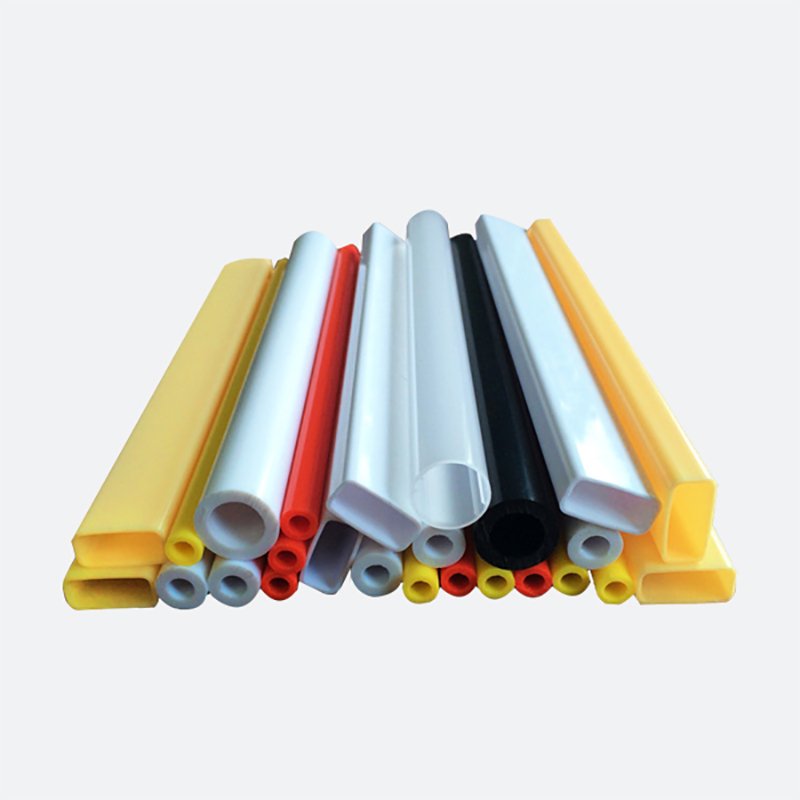
4. Advantages of Using PA Pipe
PA pipes offer a range of advantages over conventional materials:
High Pressure Resistance – With excellent tensile strength, PA pipe is ideal for pneumatic and hydraulic systems.
Thermal Stability – PA pipe maintains its integrity across a wide temperature range.
Chemical Compatibility – Resistant to oils, fuels, and many industrial solvents.
Lightweight and Flexible – Easy to install and transport.
Long Service Life – Resistant to fatigue, wear, and creep.
Low Moisture Absorption (especially PA12) – Ensures consistent dimensions.
Recyclable Material – Environmentally friendly and sustainable.
SW has optimized extrusion conditions to maximize these benefits, producing PA pipes that outperform conventional tubing in reliability and cost-efficiency.
5. Applications Across Industries
PA pipes are found in almost every modern industry due to their strength and chemical resistance.
Common Applications Include:
Automotive Systems: Fuel lines, air brake systems, oil circuits
Pneumatic Control Systems: Air supply lines, automation equipment
Hydraulic Systems: Pressure transfer in compact environments
Chemical Industry: Transport of lubricants, oils, and solvents
Food Industry: Low-toxicity PA pipes for food machinery
Electrical Conduit: Cable protection and insulation
SW’s custom extrusion lines enable us to produce PA pipes for specialized applications, offering variations in wall thickness, color, and diameter to suit specific requirements.
6. How to Choose the Right PA Pipe
Choosing the correct PA pipe depends on your application, working environment, and pressure requirements.
Key Selection Criteria:
Material Type:
PA6: General-purpose, cost-effective, good mechanical strength
PA11: Bio-based, flexible, superior impact resistance
PA12: Low moisture absorption, excellent chemical resistance
Temperature Resistance: Ensure the PA pipe grade suits operational temperatures.
Pressure Rating: Match pipe strength to system pressure requirements.
Chemical Compatibility: Select formulations resistant to fuels, solvents, or hydraulic fluids.
Dimensions: Internal diameter and wall thickness affect flow and pressure performance.
Regulatory Compliance: Choose pipes certified for your industry (e.g., automotive or food-grade).
At SW, our engineers assist customers in material selection, ensuring the most suitable PA pipe for each application.
7. Manufacturing Process of PA Pipe
SW’s manufacturing line for PA pipes is an advanced extrusion system designed for precision and quality.
Step-by-Step Production Process:
Raw Material Selection & Drying:
Polyamide granules are dried to remove moisture—essential for consistent extrusion.Extrusion & Melting:
The granules are melted at 220–250°C and pushed through a precision die to form a continuous pipe.Calibration & Cooling:
The molten PA pipe passes through a vacuum calibration tank to ensure accurate dimensions, then cools in a water bath.Haul-off & Cutting:
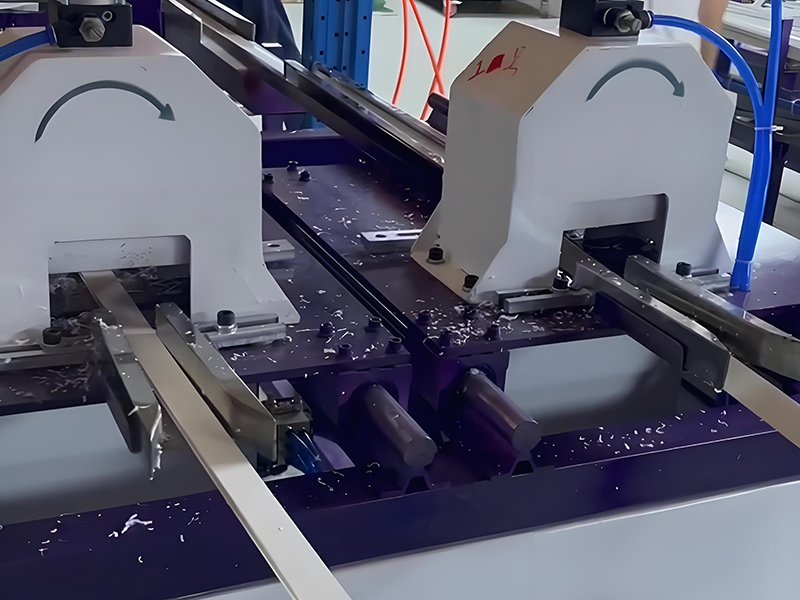
Continuous haul-off ensures uniform wall thickness. Pipes are then cut to custom lengths.Marking & Quality Inspection:
Every PA pipe is laser-marked with batch codes, then tested for pressure, burst resistance, and dimensions.Packaging & Shipment:
Finished pipes are coiled or bundled according to client specifications and exported globally.
SW’s automated extrusion lines, coupled with ISO-certified testing, guarantee precision and performance consistency.
8. Installation Guidelines and Jointing Techniques
To ensure long-term performance, proper installation of PA pipes is crucial.
Installation Recommendations:
Avoid tight bending; use gradual curves to prevent stress.
Use compatible fittings (compression or push-to-connect).
Keep away from high heat sources.
Ensure clean pipe ends before jointing.
Follow manufacturer torque settings for fittings.
SW provides installation guides and technical support, helping customers achieve leak-free, durable systems.
9. Usage Precautions and Maintenance
Even with high durability, PA pipes need correct handling and maintenance.
Avoid prolonged UV exposure unless using UV-stabilized grades.
Do not exceed rated pressure or temperature.
Prevent contact with aggressive oxidizing chemicals.
Store in dry conditions to prevent moisture absorption.
Regularly inspect for signs of wear or fatigue.
At SW, we recommend scheduled inspections to maximize the service life of your PA piping system.
10. Common Failure Modes and How to Avoid Them
Stress Cracking:
Caused by over-tightening or bending; use proper supports.Chemical Attack:
Select correct PA grade for fluid compatibility.Thermal Deformation:
Maintain operational temperatures below the melting point.Aging and Fatigue:
Replace pipes at recommended intervals for critical systems.
SW’s technical experts can analyze field failures and provide solutions for improved system longevity.

11. Comparison: PA vs PVC vs PE vs PP Pipes
| Property | PA Pipe | PVC Pipe | PE Pipe | PP Pipe |
|---|---|---|---|---|
| Strength | ★★★★★ | ★★☆☆☆ | ★★★★☆ | ★★★★☆ |
| Temperature Resistance | ★★★★★ | ★★★☆☆ | ★★★☆☆ | ★★★★☆ |
| Chemical Resistance | ★★★★☆ | ★★★★☆ | ★★★★★ | ★★★★☆ |
| Flexibility | ★★★★☆ | ★★☆☆☆ | ★★★★★ | ★★★☆☆ |
| Cost | ★★★☆☆ | ★★★★★ | ★★★★☆ | ★★★☆☆ |
| Typical Applications | Automotive, Hydraulic | Plumbing | Water Supply | Chemical, Industrial |
This comparison shows why PA pipes excel in high-stress and chemical environments, while other plastics may serve better in general or low-pressure systems.
12. Why Choose SW as Your PA Pipe Manufacturing Partner
For over two decades, SW has specialized in the extrusion of PA pipes and other high-performance thermoplastic tubing.
What Sets SW Apart:
20+ years of expertise in polymer extrusion
Custom formulations for PA6, PA11, and PA12 pipes
ISO 9001-certified quality management
In-house testing for pressure, tensile, and burst performance
Global export network and fast delivery
R&D-driven innovation for new polymer blends
Whether you need automotive-grade, industrial, or food-contact PA pipes, SW provides complete manufacturing and technical support solutions.
13. The Future of PA Pipe in Engineering
As industries continue to push the boundaries of performance, PA pipe will play an increasingly important role in fluid transport, pneumatic control, and high-pressure systems. With ongoing advances in polymer technology, we expect even greater temperature stability, lower weight, and enhanced recyclability in the next generation of polyamide pipes.
At SW, we remain committed to advancing the science of PA pipe extrusion, ensuring that our global customers receive products that meet the highest standards of reliability, precision, and performance.
If you’re seeking a trusted PA pipe manufacturer, SW is your reliable partner for quality, customization, and engineering excellence.
We have a PVC pipes factory of skilled engineers ready to support you in your product development journey from idea design to production.Any ideas about your product you can contact us freely,and our engineers will get back to you with a quote asap. Whatsapp +86 188 2072 7151
Who is Shuowei?
Since 2006, Shuowei is a professional extrusion profiles factory based in Guangdong, China. There are total about 51-100 people in our office. Shuowei PVC extrusion factory is committed to the design and production of extruded profiles, such as PVC pipes, PE trunking, PVC skirting line. Since its inception, we have won the wide recognition of the market and the deep trust of customers with our ingenious design, exquisite technology and the ultimate pursuit of quality.
Are you a manufacturer or a trader?
We are a Chinese top PVC extrusion profiles manufacturer and our factory is located in Huizhou. Our factory has a 16,000㎡ production base, 5+ automated extrusion profiles production lines, an annual production capacity of 30,000 tons, and serves more than 500 customers worldwide. Welcome to visit our factory!
What is your product range?
We pecialize in the design and production of high quality extrusion profiles,such as PVC pipe, ABS extrusion, PC lampshades, PVC skirting lines, PP trunking, PE profiles…
How long does the custom development process take?
We support custom extrusion products. The usual process has 4 steps: demand confirmation → 3D design/proofing → test certification → mass production (cycle 3-8 weeks).
Do you have any international certifications?
We have passed ISO 9001, CE, RoHS, SGS and other certifications, and meet the mainstream standards of Europe, America, the Middle East and Asia


