



In modern architecture and interior design, wall panels have become one of the most versatile solutions for both residential and commercial spaces. They not only enhance the aesthetic appeal of interiors but also provide functionality such as insulation, soundproofing, and durability. With so many types of wall panel materials available today, choosing the right option can feel overwhelming.
This guide explores the most common wall panel materials, their advantages and disadvantages, and some practical application cases. Whether you are a contractor, architect, or homeowner, this comparison will help you make the best decision for your project.
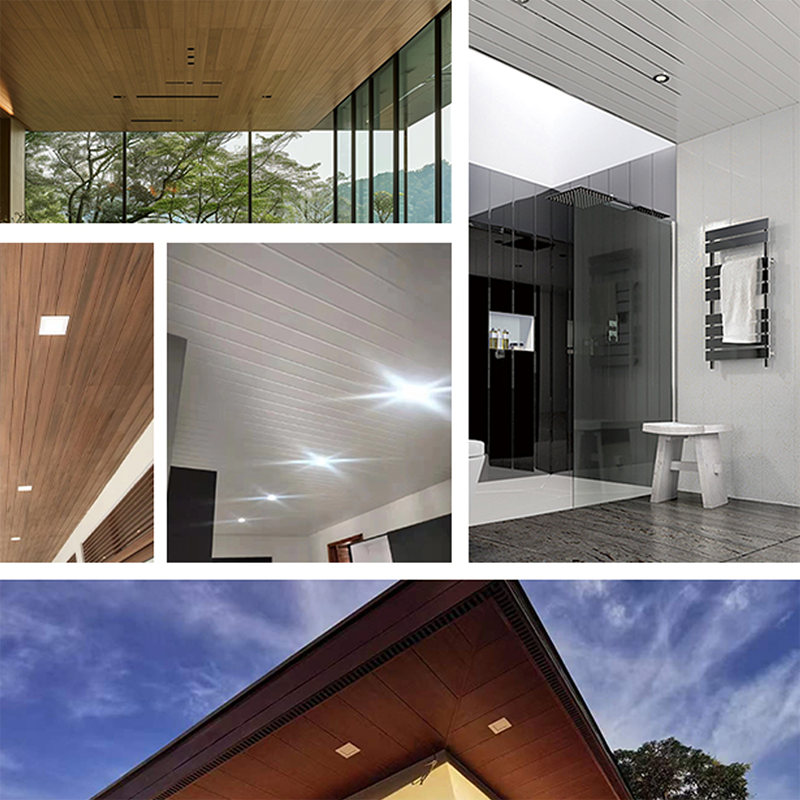
Why Wall Panels Are a Popular Choice
Before diving into material comparisons, let’s understand why wall panels are in high demand:
Aesthetics: Wide range of textures, colors, and finishes.
Durability: Protects walls from scratches, moisture, and damage.
Insulation: Provides thermal and sound insulation.
Cost-Efficiency: Quick to install, reducing labor and maintenance costs.
Versatility: Suitable for homes, offices, hotels, hospitals, and factories.
Common Types of Wall Panel Materials
1. PVC Wall Panel
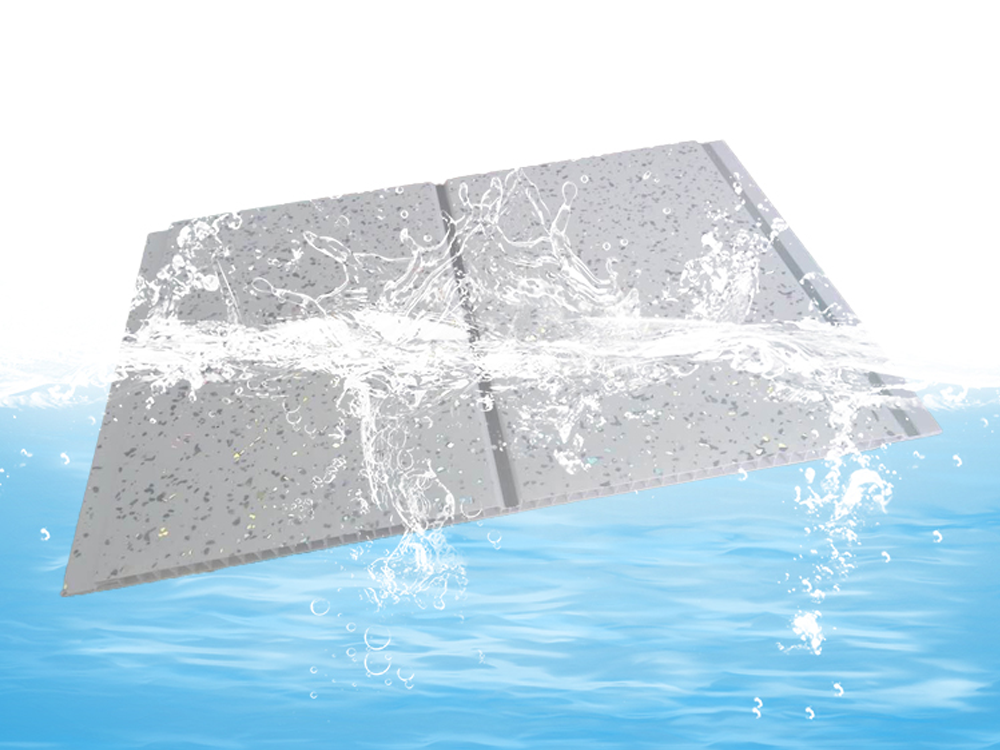
PVC wall panel is among the most popular choices today, thanks to their lightweight and waterproof properties.
Advantages:
Waterproof and moisture-resistant.
Lightweight and easy to install.
Fire-retardant and low maintenance.
Available in multiple colors, prints, and finishes (wood, marble, stone).
Disadvantages:
Not as strong as solid wood or metal.
Prolonged UV exposure may cause fading if not UV-coated.
Applications:
Bathrooms, kitchens, ceilings, commercial interiors.
Ideal for humid environments where traditional wood panels would warp.
Case Example: A hotel chain in Southeast Asia replaced traditional gypsum boards with PVC wall panels in all bathrooms, reducing maintenance costs by 40%.
2. Wooden Wall Panel
Wood is a classic material for wall panels, offering warmth and natural beauty.
Advantages:
Rich, timeless aesthetics.
Can be polished, painted, or carved.
Excellent sound insulation.
Disadvantages:
Expensive compared to other wall panel materials.
Vulnerable to termites, rot, and moisture damage.
Applications:
Luxury homes, offices, hotels, and auditoriums.
Case Example: A corporate office in Europe used wooden wall panels in its boardroom to create a premium, acoustic-friendly environment.
3. MDF (Medium-Density Fiberboard) Wall Panel
MDF is a cost-effective engineered wood product commonly used for wall panels.
Advantages:
Smooth surface, easy to paint or laminate.
More affordable than solid wood.
Can be molded into different designs.
Disadvantages:
Not water-resistant; swells when exposed to moisture.
Less durable than solid wood.
Applications:
Decorative interior panels, feature walls, partition walls.
Case Example: A retail store chain in the US chose MDF wall panels for its showrooms due to the balance of affordability and aesthetics.
4. Gypsum Wall Panel
Gypsum boards are widely used as wall panels for both residential and commercial interiors.
Advantages:
Fire-resistant and non-combustible.
Provides good sound insulation.
Smooth surface finish.
Disadvantages:
Not waterproof; requires protection from moisture.
Less durable than PVC or metal.
Applications:
Office interiors, hotels, hospitals, and apartments.
Case Example: A hospital in India used gypsum wall panels for patient rooms, providing cost-effective fire resistance and clean aesthetics.
5. Metal Wall Panel
Metal is a durable and industrial choice for wall panels, often used in large-scale projects.
Advantages:
Extremely durable and long-lasting.
Resistant to fire, pests, and impact.
Suitable for both interior and exterior use.
Disadvantages:
Expensive compared to other wall panel materials.
Can feel cold and less “homely.”
Applications:
Industrial buildings, airports, stadiums, commercial exteriors.
Case Example: An airport in the Middle East installed metal wall panels for high-traffic areas, ensuring durability and low maintenance.
6. Acrylic / Glass Wall Panel
Acrylic and glass provide a sleek and modern finish for wall panels.
Advantages:
Glossy, high-end appearance.
Resistant to scratches and stains.
Available in transparent, tinted, and frosted options.
Disadvantages:
Can be fragile and prone to cracking.
More expensive than PVC wall panels.
Applications:
Luxury homes, showrooms, hotels, and retail stores.
Case Example: A fashion boutique used acrylic wall panels in bright colors to highlight its brand identity and attract customers.
7. Fabric-Covered Wall Panel
Fabric-covered wall panels are often chosen for acoustic and decorative purposes.
Advantages:
Excellent sound absorption.
Wide range of fabric choices.
Adds warmth and comfort.
Disadvantages:
Not suitable for humid or wet areas.
Requires cleaning and maintenance.
Applications:
Theaters, recording studios, conference halls.
Case Example: A recording studio in Los Angeles installed fabric wall panels to improve sound quality and aesthetics.
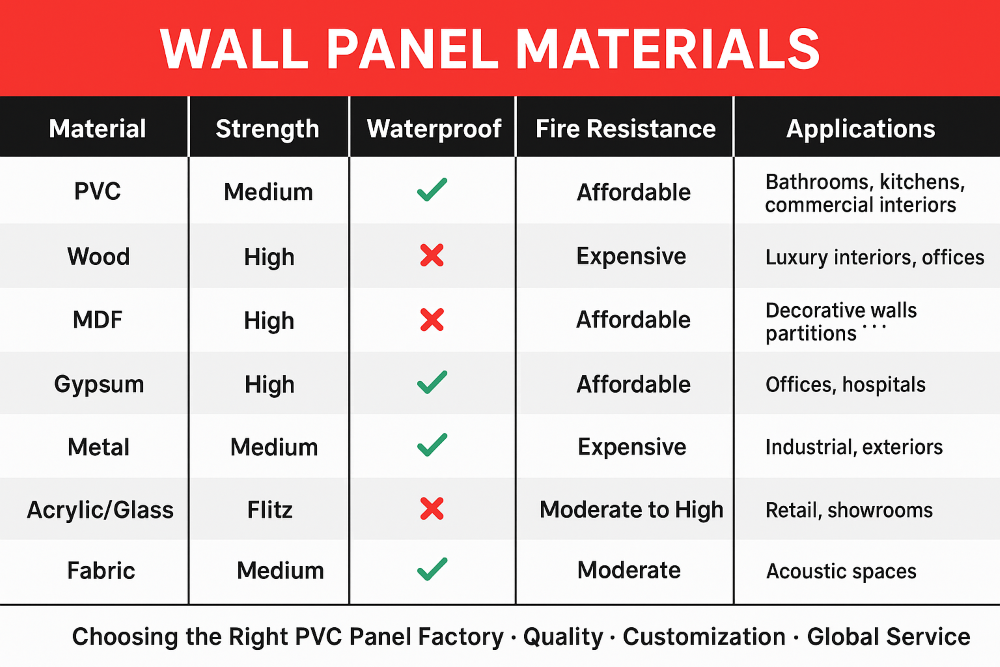
Comparison Table of Wall Panel Materials
| Material | Strength | Waterproof | Fire Resistance | Cost | Applications |
|---|---|---|---|---|---|
| PVC | Medium | ✅ Excellent | ✅ Good | Affordable | Bathrooms, kitchens, commercial interiors |
| Wood | High | ❌ Poor | ✅ Moderate | Expensive | Luxury interiors, offices |
| MDF | Medium | ❌ Poor | ❌ Low | Affordable | Decorative walls, partitions |
| Gypsum | Medium | ❌ Poor | ✅ Excellent | Affordable | Offices, hospitals |
| Metal | Very High | ✅ Excellent | ✅ Excellent | High | Industrial, exteriors |
| Acrylic/Glass | Medium | ✅ Good | ❌ Low | Moderate to High | Retail, showrooms |
| Fabric | Low | ❌ Poor | ❌ Low | Moderate | Acoustic spaces |
How to Choose the Right Wall Panel Material
Consider Environment – For bathrooms and kitchens, PVC wall panel is ideal due to moisture resistance.
Budget Constraints – For affordable interiors, MDF or gypsum wall panels are cost-effective.
Durability Needs – For industrial spaces, metal wall panels are best.
Aesthetic Preferences – For luxurious interiors, wood or acrylic wall panels provide elegance.
Acoustic Requirements – For theaters or studios, fabric wall panels are unmatched.
SW-trusted manufacturer
Choosing the right wall panel depends on the balance of aesthetics, durability, and budget. For projects requiring waterproofing, low maintenance, and cost-effectiveness, PVC wall panels stand out as the most practical choice. For high-end aesthetics, wood or acrylic may be better suited, while metal excels in industrial applications.
At SW, with 20 years of experience as a professional PVC panel factory, we provide custom solutions for global clients. From standard designs to fully customized wall panel production, we ensure quality, durability, and innovative designs tailored to your project needs.
If you are looking for a reliable partner for PVC wall panels, SW is your trusted manufacturer.
We have a PVC pipes factory of skilled engineers ready to support you in your product development journey from idea design to production.Any ideas about your product you can contact us freely,and our engineers will get back to you with a quote asap. Whatsapp +86 188 2072 7151
Who is Shuowei?
Since 2006, Shuowei is a professional extrusion profiles factory based in Guangdong, China. There are total about 51-100 people in our office. Shuowei PVC extrusion factory is committed to the design and production of extruded profiles, such as PVC pipes, PE trunking, PVC skirting line. Since its inception, we have won the wide recognition of the market and the deep trust of customers with our ingenious design, exquisite technology and the ultimate pursuit of quality.
Are you a manufacturer or a trader?
We are a Chinese top PVC extrusion profiles manufacturer and our factory is located in Huizhou. Our factory has a 16,000㎡ production base, 5+ automated extrusion profiles production lines, an annual production capacity of 30,000 tons, and serves more than 500 customers worldwide. Welcome to visit our factory!
What is your product range?
We pecialize in the design and production of high quality extrusion profiles,such as PVC pipe, ABS extrusion, PC lampshades, PVC skirting lines, PP trunking, PE profiles…
How long does the custom development process take?
We support custom extrusion products. The usual process has 4 steps: demand confirmation → 3D design/proofing → test certification → mass production (cycle 3-8 weeks).
Do you have any international certifications?
We have passed ISO 9001, CE, RoHS, SGS and other certifications, and meet the mainstream standards of Europe, America, the Middle East and Asia


