





1. Why PMMA Pipe Matters in Modern Industry
In today’s industrial and architectural landscape, clarity, strength, and chemical stability are critical when designing piping and tubing systems. Among the many plastic materials available, PMMA pipe (Polymethyl Methacrylate pipe) stands out for its exceptional optical transparency, UV resistance, and long-term durability.
At SW, a professional extrusion manufacturer with over 20 years of experience in custom PMMA pipe production, we’ve seen firsthand how this material has revolutionized industries — from lighting and display systems to laboratory and fluid transport applications. PMMA’s unique combination of strength and transparency has made it one of the most versatile materials in engineering and design.
In this comprehensive blog, we’ll explore everything you need to know about PMMA pipe — from its material composition and properties to its applications, production process, and installation guidelines. Whether you’re a designer, engineer, or procurement specialist, this guide will help you make an informed choice.
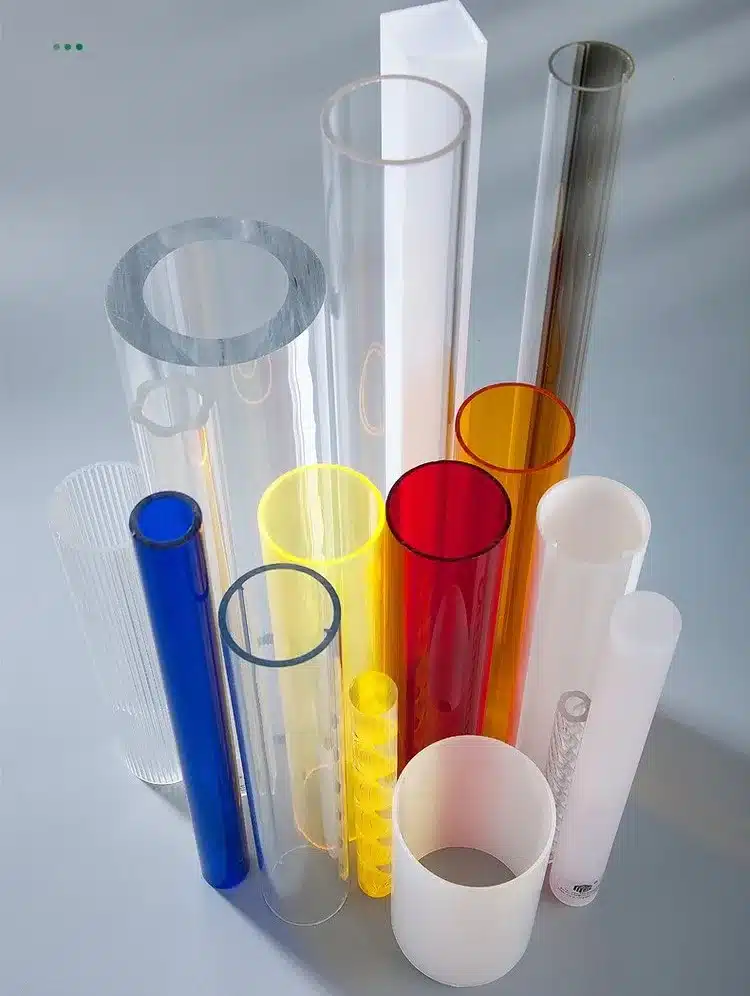
2. What Is PMMA Pipe? Composition and Material Structure
PMMA, or Polymethyl Methacrylate, is a thermoplastic polymer often marketed under trade names like Acrylic, Plexiglass, or Lucite. When extruded into pipe form, PMMA pipe offers high transparency (up to 93% light transmission), excellent weatherability, and rigidity.
Key Chemical Structure
PMMA is composed of polymerized methyl methacrylate monomers, which create a strong, lightweight, and transparent material. Unlike polycarbonate (PC), PMMA contains no Bisphenol A (BPA) and has superior resistance to yellowing under sunlight.
General Characteristics
Transparency: Up to 93% light transmittance (similar to glass)
Density: Approximately 1.18 g/cm³
Melting Point: Around 160–200°C
Hardness: Excellent surface hardness and scratch resistance
UV Stability: Outstanding; PMMA does not degrade easily under UV exposure
At SW, our PMMA pipe extrusion lines are designed for maximum clarity and consistency, ensuring optical-grade performance for lighting and display applications.
3. Physical and Mechanical Properties of PMMA Pipe
| Property | Typical Value | Performance Notes |
|---|---|---|
| Light Transmission | 92–93% | Comparable to optical glass |
| Tensile Strength | 65–70 MPa | Stronger than PVC |
| Impact Strength | 20 kJ/m² | Moderate; less than PC |
| Heat Deflection Temperature | 95–100°C | High temperature tolerance |
| Density | 1.18 g/cm³ | Lightweight and rigid |
| UV Resistance | Excellent | Ideal for outdoor use |
| Chemical Resistance | Good | Resists many diluted acids and bases |
| Transparency | Outstanding | Ideal for lighting and display |
| Recyclability | 100% | Environmentally friendly |
PMMA pipes strike a perfect balance between aesthetics and functionality. Their excellent optical clarity makes them ideal for LED lighting covers, aquariums, and laboratory tubing, while their hardness ensures resistance to scratches and abrasion.
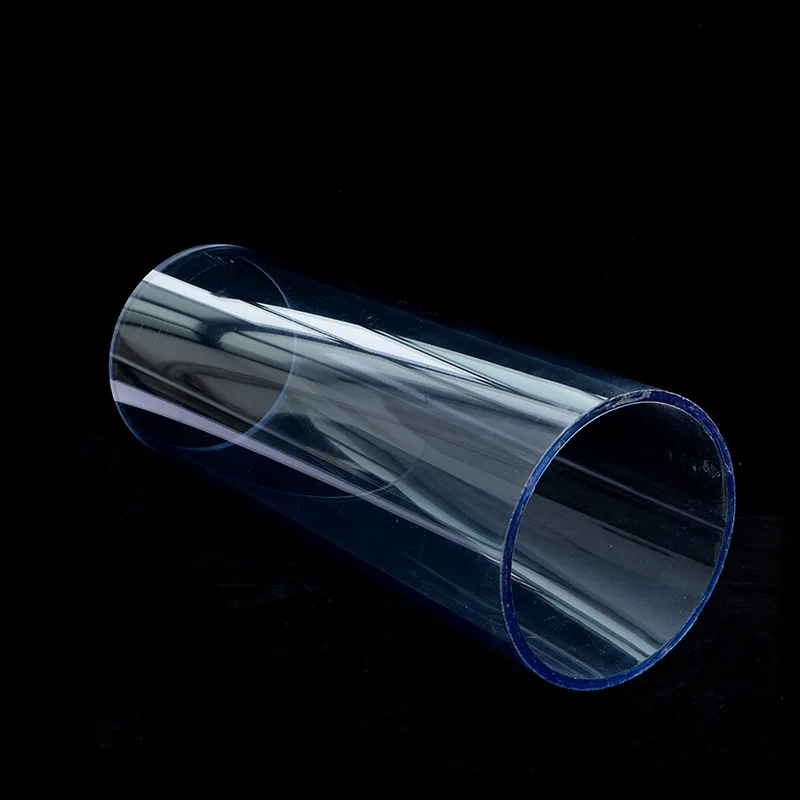
4. Advantages of Using PMMA Pipe
Using PMMA pipe offers a range of benefits across industrial, architectural, and consumer applications. The most notable include:
1. Exceptional Optical Clarity
PMMA pipe transmits light better than many plastics and even rivals glass, making it perfect for lighting, decorative, and fluid visualization applications.
2. UV and Weather Resistance
Unlike many polymers that degrade under sunlight, PMMA retains its color, clarity, and mechanical integrity even after years of exposure.
3. Lightweight Yet Strong
It is less than half the weight of glass but offers excellent rigidity and dimensional stability.
4. Excellent Chemical Resistance
PMMA pipe resists many acids, bases, and cleaning agents, which makes it suitable for laboratory and chemical transport use.
5. Thermal Stability
PMMA pipe maintains its mechanical properties even at elevated temperatures, ensuring reliable performance in hot environments.
6. Easy to Fabricate
It can be cut, machined, and polished easily — allowing precise customization.
7. Aesthetic Appeal
The high-gloss surface of PMMA pipe is ideal for visible installations, lighting housings, or architectural features.
At SW, every PMMA pipe is extruded with optical-grade precision and polished finish to meet the highest quality standards.
5. Applications of PMMA Pipe Across Industries
The versatility of PMMA pipe has made it a popular material across numerous sectors. Here are some of its primary applications:
Lighting and LED Systems
Used as diffuser tubes and light guides in LED fixtures.
Provides consistent light transmission and diffusion.
Retains clarity and color under UV exposure.
Architectural and Interior Design
Used in decorative water features, modern lighting systems, and transparent columns.
Ideal for combining structural functionality with transparency.
Aquariums and Display Systems
Perfect for aquarium tubing, museum exhibits, and point-of-sale displays requiring high optical clarity.
Laboratory and Medical Applications
Used in fluid transport, sample handling, and sight glass tubing.
Chemically resistant and non-toxic.
Industrial Applications
Employed in fluid visualization systems, inspection lines, and process monitoring setups.
SW provides custom PMMA pipe solutions to match precise dimensions, tolerances, and optical requirements for each industry.
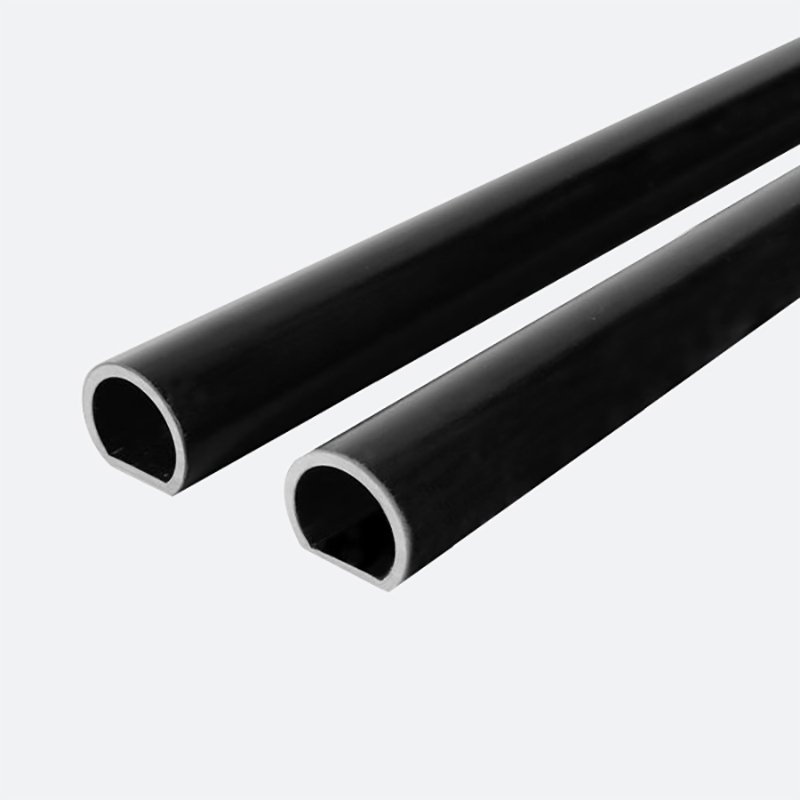
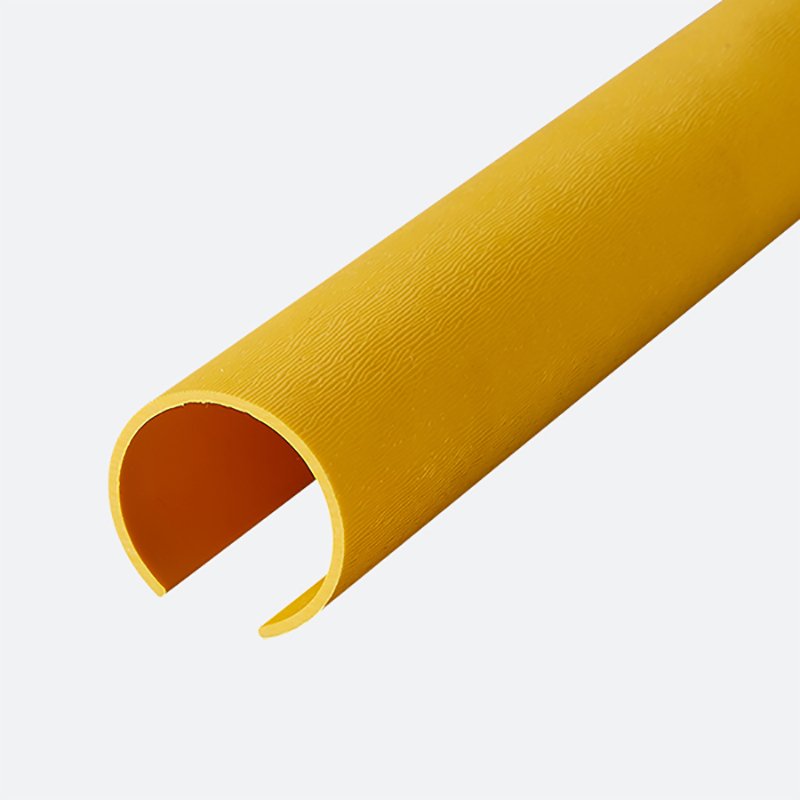
6. How to Choose the Right PMMA Pipe
Selecting the correct PMMA pipe depends on several key parameters. Engineers and designers should consider the following:
Size and Wall Thickness — Match internal pressure and mechanical load requirements.
Clarity Grade — Optical-grade PMMA for lighting or display applications; industrial-grade for general use.
Color Options — Clear, frosted, tinted, or diffused options for lighting applications.
Thermal Resistance — Ensure the pipe can handle operating temperatures up to 100°C.
Impact Resistance — For applications exposed to mechanical stress, choose modified PMMA or copolymer blends.
UV Stability — Outdoor installations require UV-stabilized formulations.
At SW, our team assists customers in selecting and customizing the best PMMA pipe based on specific project demands — from clarity and impact resistance to custom extrusion profiles.
7. Manufacturing Process of PMMA Pipe
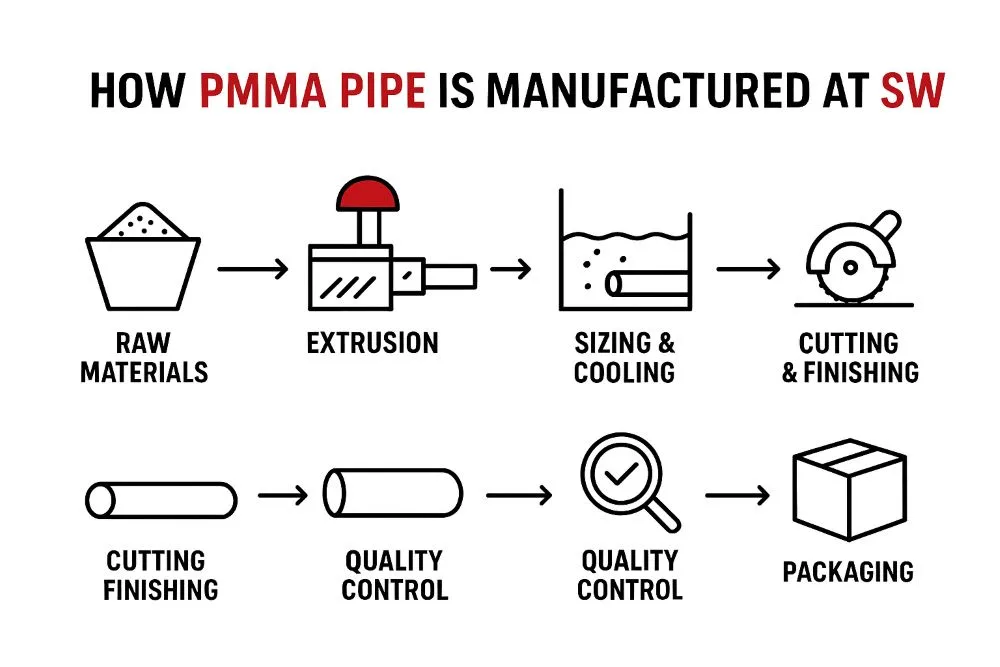
At SW, the manufacturing of PMMA pipe involves precision-controlled extrusion technology to ensure clarity, consistency, and dimensional accuracy.
Step 1: Raw Material Preparation
High-purity PMMA resin is dried to remove moisture.
Additives such as UV stabilizers and colorants are blended as required.
Step 2: Extrusion
The resin is melted and extruded through a precision die.
Temperature and pressure are carefully controlled to ensure uniform flow.
Step 3: Sizing and Cooling
The extruded pipe enters a calibration tank to form the correct outer diameter.
It then passes through cooling baths to solidify the shape.
Step 4: Cutting and Finishing
The pipe is cut to length with automatic cutters.
The ends are chamfered or polished for visual and functional perfection.
Step 5: Inspection
Each PMMA pipe is tested for transparency, dimensions, and surface quality.
Optical clarity and light transmission tests are performed in SW’s QC labs.
Step 6: Packaging
Pipes are wrapped with protective film to prevent scratches during shipment.
This controlled process ensures that every PMMA pipe produced by SW meets international standards for optical and mechanical performance.
8. Installation Guidelines and Jointing Techniques
When installing PMMA pipe, following proper handling and assembly practices ensures longevity and safety.
Installation Tips
Avoid Excessive Force: PMMA is rigid but can crack under impact or stress.
Temperature Consideration: Allow for thermal expansion and contraction in fixed installations.
Support Spacing: Use adequate support brackets to prevent sagging.
Jointing: Use solvent bonding or mechanical fittings depending on the application.
Recommended Adhesives
Use acrylic-based adhesives specifically formulated for PMMA bonding.
Machining and Cutting
Use fine-tooth saws and avoid high friction to prevent heat buildup.
9. Usage Precautions and Maintenance Best Practices
Although PMMA pipe is durable and stable, certain precautions extend its lifespan:
Avoid prolonged exposure to strong solvents like acetone or benzene.
Clean using mild soap and water — never abrasive cleaners.
Prevent contact with sharp or heavy objects that could scratch the surface.
Store in a cool, dry place away from direct sunlight before installation.
Routine inspection and cleaning help maintain the optical performance of PMMA pipe in lighting or display applications.
10. Comparison: PMMA vs. PC vs. PVC vs. Acrylic Tubes
| Property | PMMA Pipe | PC Pipe | PVC Pipe | Acrylic Tube (Generic) |
|---|---|---|---|---|
| Transparency | Excellent | Good | Moderate | Excellent |
| UV Resistance | Excellent | Moderate | Poor | Excellent |
| Impact Strength | Moderate | Very High | High | Moderate |
| Weight | Light | Light | Light | Light |
| Cost | Moderate | High | Low | Moderate |
| Machinability | Easy | Moderate | Moderate | Easy |
| Temperature Resistance | High | Very High | Moderate | High |
| Optical Quality | Outstanding | Good | Poor | Good |
Conclusion:
When clarity, weather resistance, and aesthetics are priorities, PMMA pipe offers the best balance of performance and appearance. For optical or display applications, SW PMMA pipes deliver unmatched quality.
11. Why Choose SW as Your PMMA Pipe Manufacturing Partner
With 20 years of professional experience, SW is a leading PMMA pipe factory specializing in custom plastic extrusion.
Our Advantages
Advanced Extrusion Lines: Precision control for consistent wall thickness and clarity.
Custom Solutions: Tailor-made dimensions, finishes, and colors.
Quality Assurance: Every pipe undergoes optical and mechanical inspection.
Global Supply Capability: Exported to multiple countries with on-time delivery.
Expert Technical Support: From design consultation to post-sales assistance.
Our long-standing partnerships with lighting, laboratory, and architectural brands prove SW’s reliability as a professional PMMA pipe manufacturer.
12. The Future of PMMA Pipe in Engineering
The demand for PMMA pipe continues to grow as industries move toward materials that combine performance, sustainability, and aesthetics. With its superior optical properties, chemical resistance, and recyclability, PMMA is increasingly replacing glass and PVC in modern systems.
At SW, we remain committed to developing advanced PMMA pipe solutions through continuous innovation, precision extrusion, and strict quality control. Whether for architectural lighting, industrial applications, or custom OEM projects, our PMMA pipes deliver clarity, strength, and reliability.
For engineers, designers, or procurement teams seeking a trusted PMMA pipe manufacturer, SW offers unmatched technical capability and professional support — turning material science into practical, elegant engineering solutions.
We have a PVC pipes factory of skilled engineers ready to support you in your product development journey from idea design to production.Any ideas about your product you can contact us freely,and our engineers will get back to you with a quote asap. Whatsapp +86 188 2072 7151
Who is Shuowei?
Since 2006, Shuowei is a professional extrusion profiles factory based in Guangdong, China. There are total about 51-100 people in our office. Shuowei PVC extrusion factory is committed to the design and production of extruded profiles, such as PVC pipes, PE trunking, PVC skirting line. Since its inception, we have won the wide recognition of the market and the deep trust of customers with our ingenious design, exquisite technology and the ultimate pursuit of quality.
Are you a manufacturer or a trader?
We are a Chinese top PVC extrusion profiles manufacturer and our factory is located in Huizhou. Our factory has a 16,000㎡ production base, 5+ automated extrusion profiles production lines, an annual production capacity of 30,000 tons, and serves more than 500 customers worldwide. Welcome to visit our factory!
What is your product range?
We pecialize in the design and production of high quality extrusion profiles,such as PVC pipe, ABS extrusion, PC lampshades, PVC skirting lines, PP trunking, PE profiles…
How long does the custom development process take?
We support custom extrusion products. The usual process has 4 steps: demand confirmation → 3D design/proofing → test certification → mass production (cycle 3-8 weeks).
Do you have any international certifications?
We have passed ISO 9001, CE, RoHS, SGS and other certifications, and meet the mainstream standards of Europe, America, the Middle East and Asia


