




Why Plastic Extrusion Is a Core Technology in Modern Manufacturing
Plastic extrusion is one of the most important and widely used manufacturing processes in modern industry. From construction and infrastructure to automotive systems, electrical installations, medical equipment, and consumer products, plastic extrusion enables manufacturers to produce continuous, precise, and cost-effective components at scale.
As a professional plastic extrusion factory with more than 20 years of manufacturing experience, SW has produced a wide range of custom plastic extrusion products for customers in Europe, Japan, North America, Southeast Asia, and the Middle East. Our role as a trusted plastic extrusion manufacturer goes far beyond simple production—we support customers with material engineering, profile design, tooling development, quality control, and long-term production stability.
This article provides a comprehensive introduction to plastic extrusion, covering materials, processes, common extruded products, applications, manufacturing workflows, quality considerations, and practical precautions. It is designed to help engineers, buyers, and product developers gain a deeper understanding of how plastic extrusion works and how to successfully develop custom extrusion solutions.
What Is Plastic Extrusion? A Clear Technical Definition
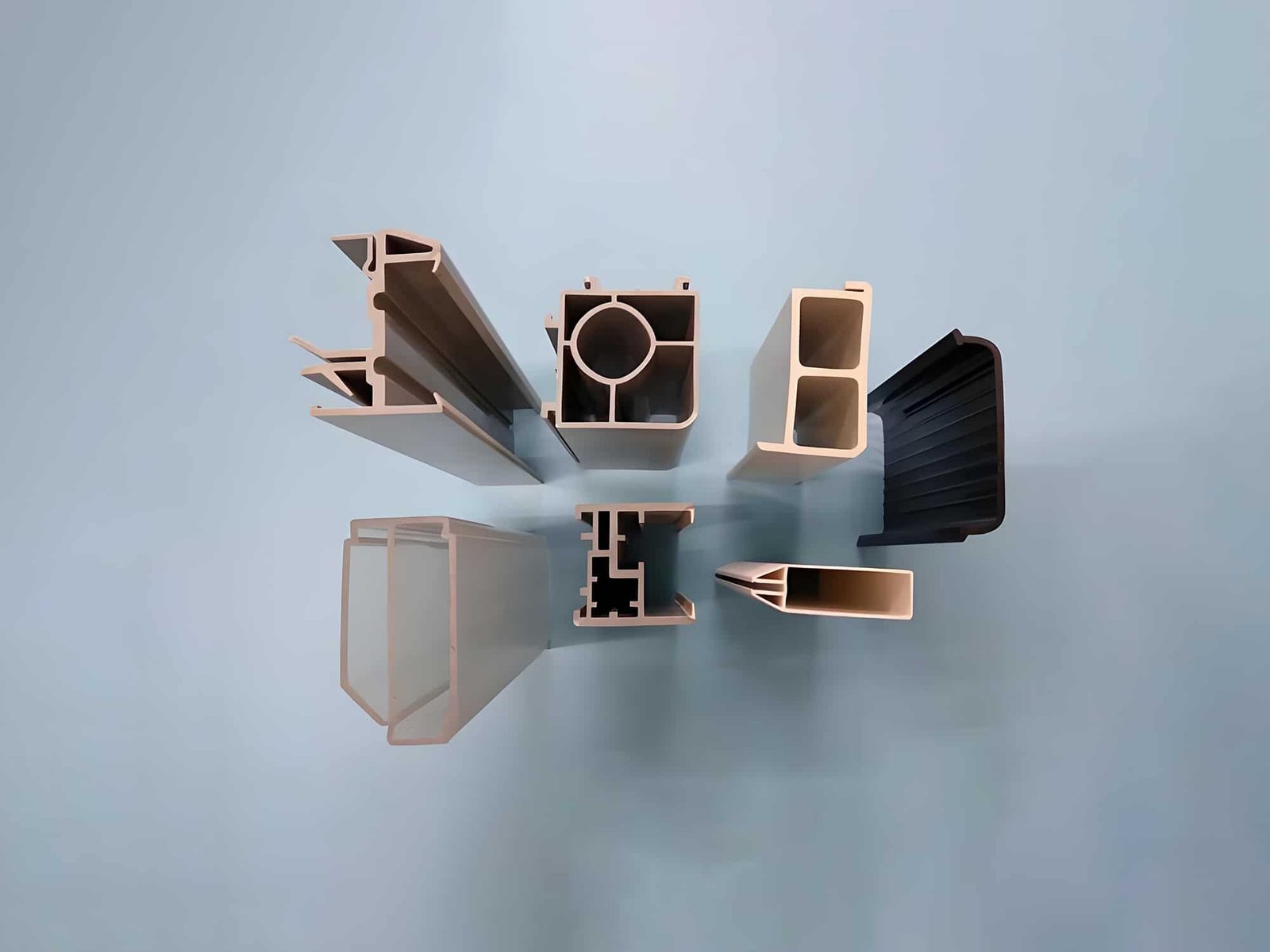
Plastic extrusion is a continuous manufacturing process in which thermoplastic material is melted and pushed through a specially designed die to create a product with a fixed cross-sectional shape. Once the material exits the die, it is cooled, calibrated, and cut or coiled into finished products.
Key Characteristics of Plastic Extrusion
Continuous and highly efficient production
Uniform cross-section along the entire length
Excellent dimensional repeatability
Suitable for rigid, semi-rigid, and flexible plastics
Ideal for medium-to-high volume manufacturing
Because of these characteristics, plastic extrusion is widely used by manufacturers seeking stable quality, scalability, and cost efficiency.
Materials Used in Plastic Extrusion
Material selection is one of the most critical decisions in any plastic extrusion project. The material determines mechanical performance, durability, chemical resistance, environmental stability, and cost.
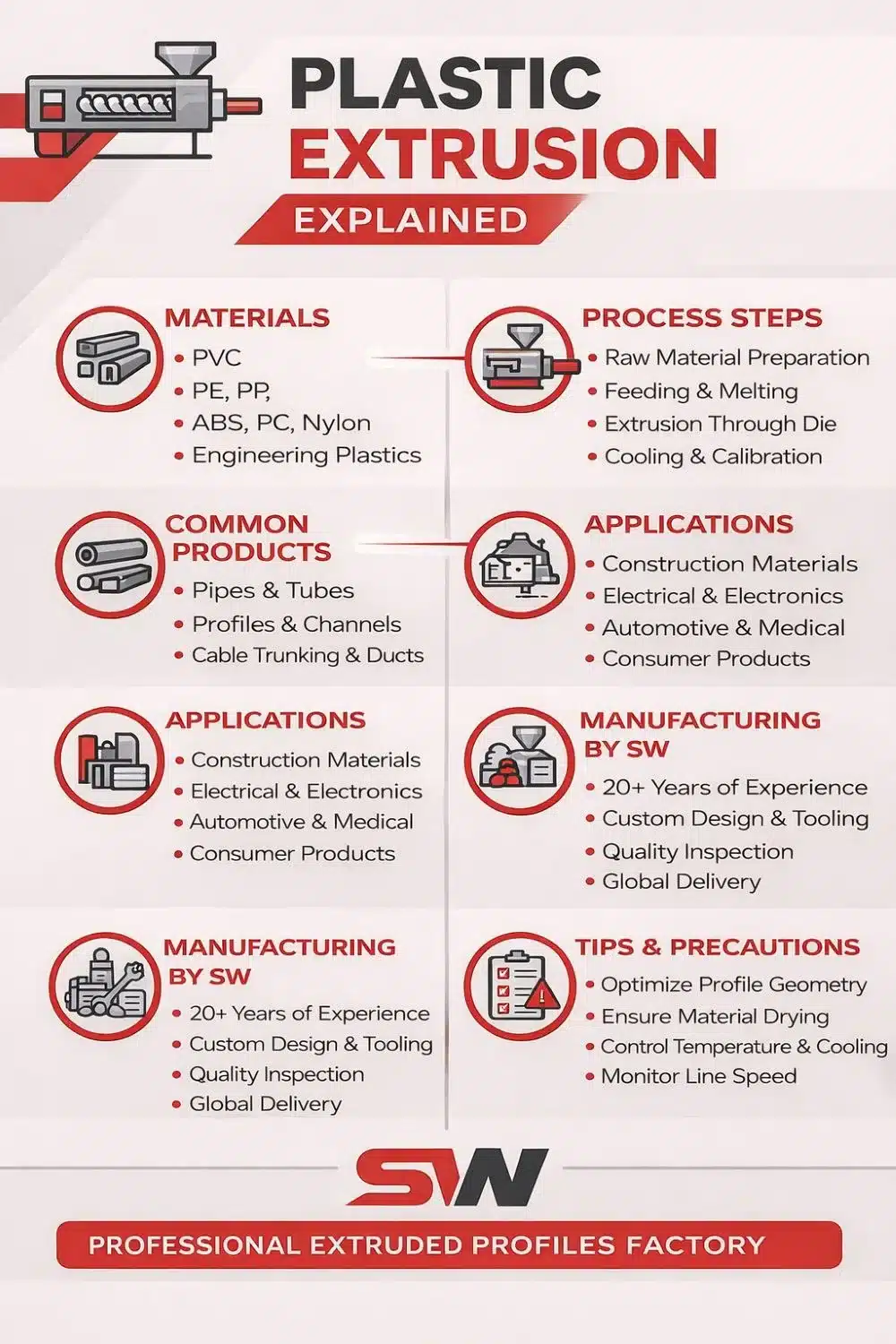
Common Thermoplastics for Plastic Extrusion
PVC (Polyvinyl Chloride)
PVC is one of the most commonly used materials in plastic extrusion.
Advantages:
Excellent chemical resistance
Good flame retardancy
Strong electrical insulation
Cost-effective
Easy to process
Typical applications:
PVC pipes, trunking, wall panels, profiles, cable protection systems.
ABS (Acrylonitrile Butadiene Styrene)
ABS offers a balance between strength and toughness.
Advantages:
High impact resistance
Good dimensional stability
Attractive surface finish
Typical applications:
Consumer electronics housings, industrial profiles, automotive components.
PE (Polyethylene)
PE is widely used for flexible and chemically resistant extrusion products.
Advantages:
Excellent chemical resistance
Good low-temperature performance
High flexibility
Typical applications:
Pipes, tubing, protective liners, industrial profiles.
PP (Polypropylene)
PP is lightweight and fatigue resistant.
Advantages:
High chemical resistance
Good heat resistance
Lightweight
Typical applications:
Chemical handling systems, industrial extrusions, structural profiles.
Engineering Plastics (PC, PA, PMMA, PPO)
Engineering plastics are used for high-performance extrusion applications.
Advantages:
High mechanical strength
Temperature resistance
Optical clarity (PMMA, PC)
Typical applications:
Lighting diffusers, technical profiles, precision components.
As an experienced plastic extrusion manufacturer, SW also develops custom material formulations by adjusting stabilizers, modifiers, and additives to meet specific performance requirements.
Plastic Extrusion Process: Step-by-Step Explanation
Understanding the plastic extrusion process helps customers better design and specify their products.
Step 1: Raw Material Preparation
Plastic resin pellets or powder are dried (if necessary) and mixed with additives such as stabilizers, color masterbatch, and modifiers.
Step 2: Feeding and Melting
The material is fed into the extruder barrel, where rotating screws heat, melt, and homogenize the plastic.
Step 3: Extrusion Through the Die
The molten plastic is forced through a precision-engineered die that defines the final cross-sectional shape of the extruded product.
Step 4: Calibration and Cooling
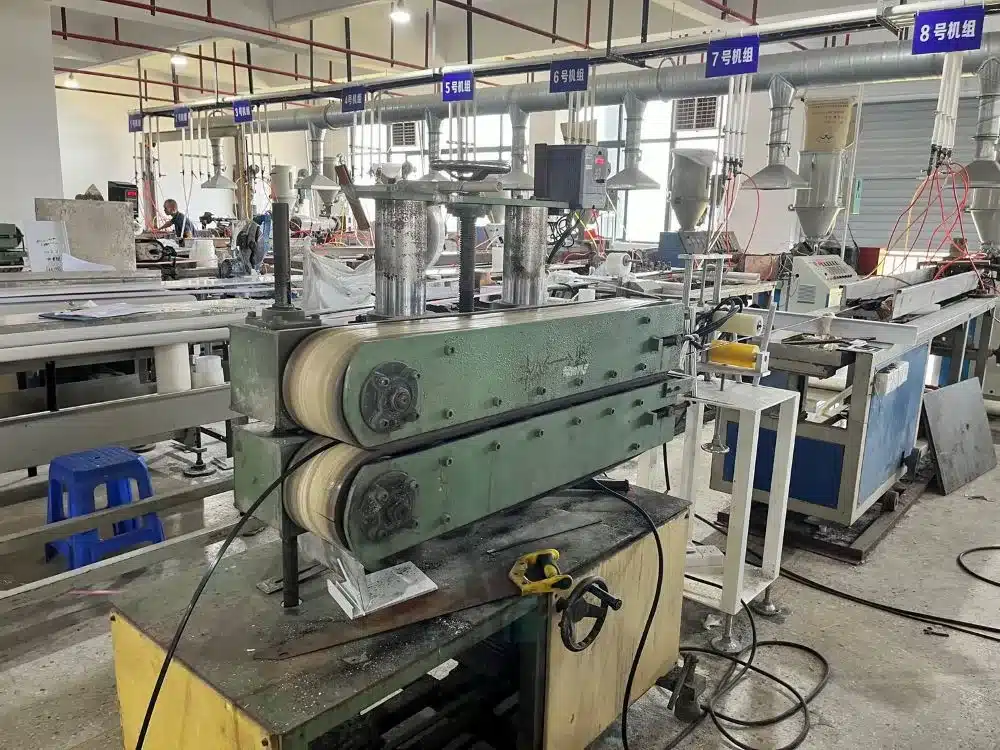
The extruded profile passes through vacuum calibration and cooling systems to stabilize dimensions and shape.
Step 5: Haul-Off and Cutting
The profile is pulled at a controlled speed and cut into fixed lengths or coiled, depending on the product type.
At SW, every plastic extrusion line is equipped with monitoring systems to ensure stable temperature, pressure, and dimensional control throughout production.


Common Plastic Extrusion Products and Their Uses
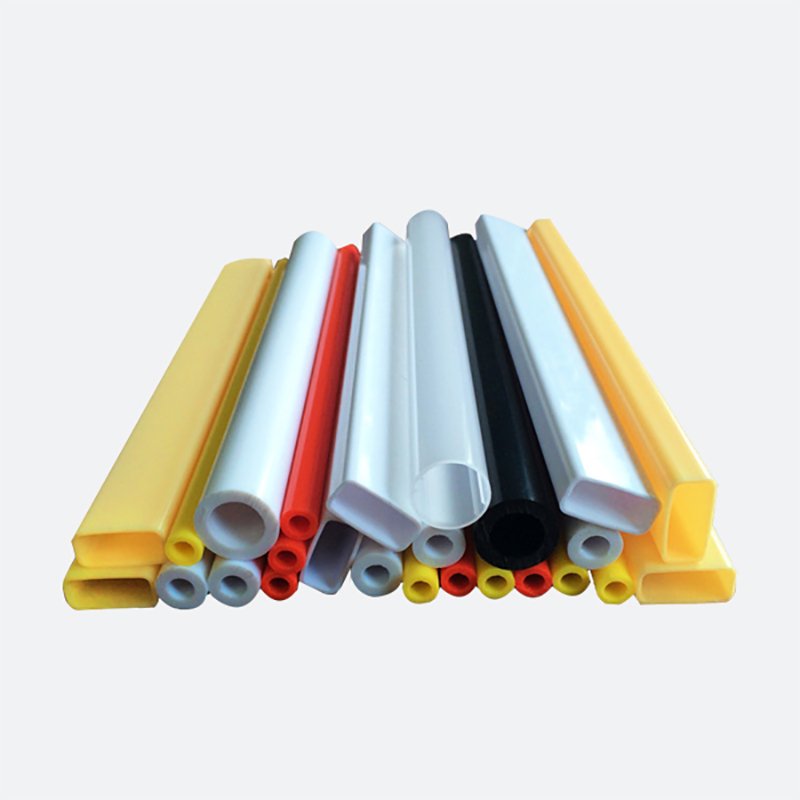
Plastic extrusion supports a wide variety of products across industries.
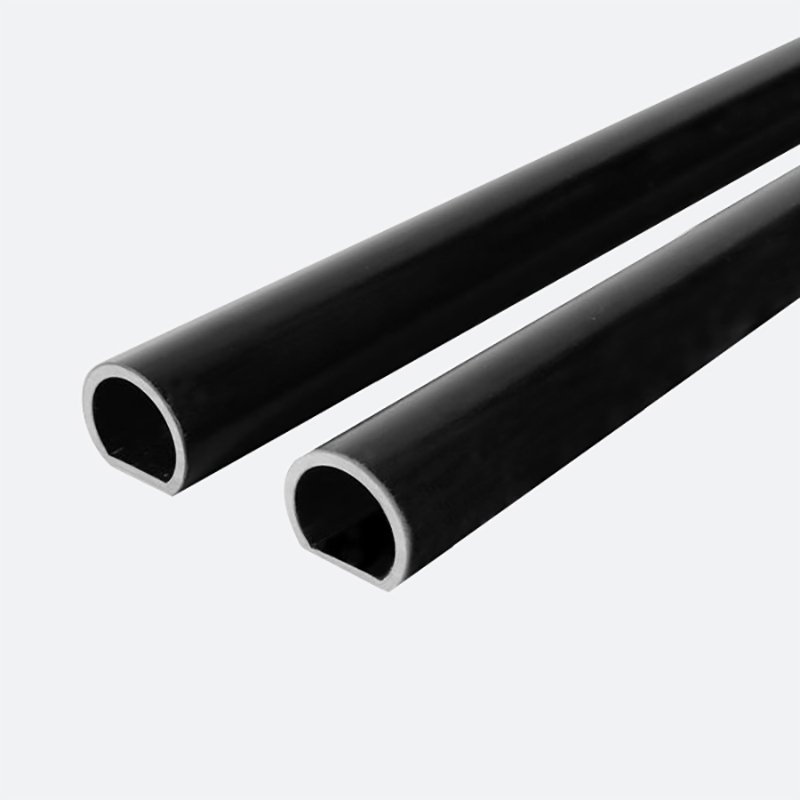
Pipes and Tubes
One of the most common plastic extrusion products.
Uses:
Water supply, drainage, electrical conduit, industrial fluid handling.
Profiles and Channels
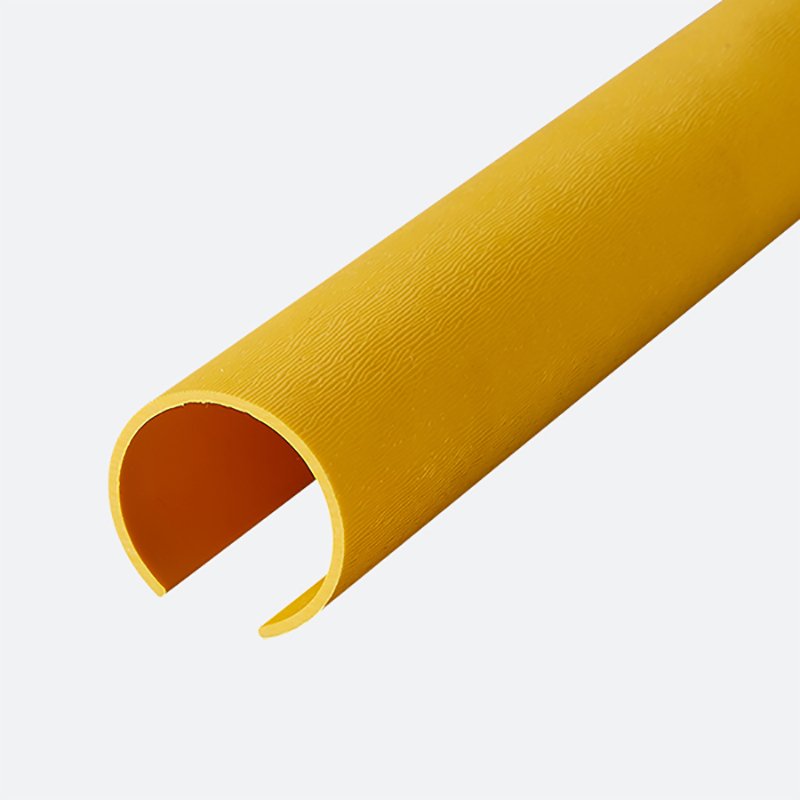
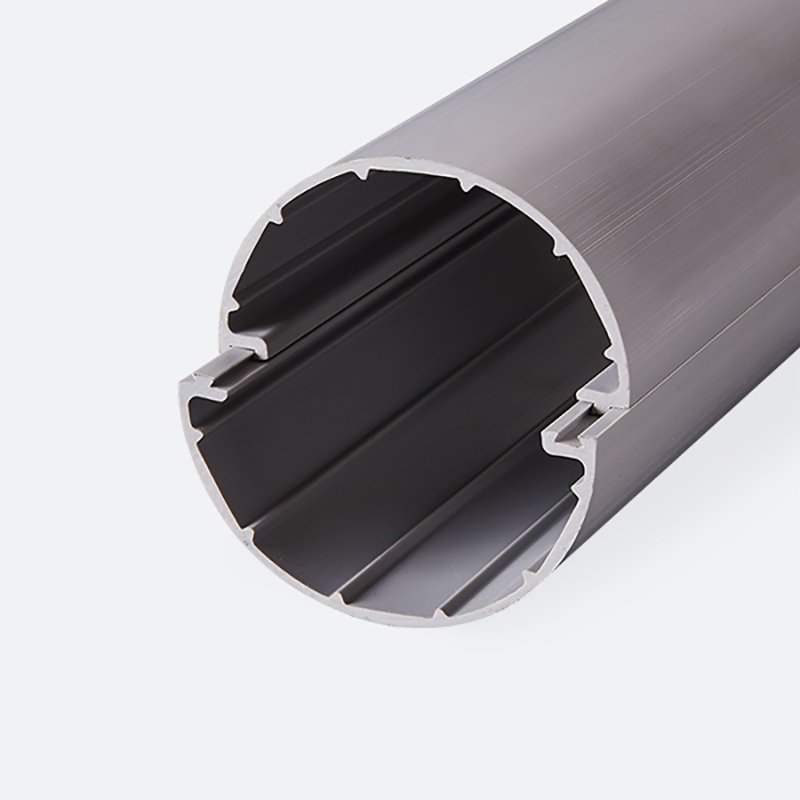
Extruded profiles can be solid, hollow, or multi-chamber.
Uses:
Window frames, skirting boards, structural supports, decorative trims.
Cable Trunking and Ducts
Designed to protect and organize electrical cables.
Uses:
Commercial buildings, data centers, industrial equipment.
Sealing Strips and Gaskets
Flexible extruded products made from PVC, TPE, or rubber-like materials.
Uses:
Automotive, construction, appliance sealing applications.
Panels and Boards
Extruded panels provide lightweight and durable surface solutions.
Uses:
Wall panels, ceiling systems, decorative cladding.
Applications of Plastic Extrusion Across Industries
Construction and Building Materials
Plastic extrusion is widely used in modern construction.
Applications:
PVC pipes, profiles, wall panels, window systems.
Electrical and Electronics Industry
Extruded products provide insulation, protection, and organization.
Applications:
Cable trunking, conduits, protective housings.
Automotive and Transportation
Plastic extrusion supports lightweight and functional designs.
Applications:
Sealing systems, interior trim, protective profiles.
Medical and Healthcare Equipment
Precision extrusion supports medical device manufacturing.
Applications:
Tubing, protective profiles, equipment housings.
Consumer Products and Appliances
Plastic extrusion enables both functional and aesthetic components.
Applications:
Lighting diffusers, trims, cable organizers.
Custom Plastic Extrusion: From Concept to Mass Production
Requirement Analysis
Every custom plastic extrusion project begins with understanding the application environment, performance requirements, and regulatory standards.
Profile Design
SW engineers optimize profile geometry for strength, manufacturability, and cost efficiency.
Tooling Development
Precision extrusion dies are designed and manufactured to ensure stable production.
Trial and Validation
Prototype samples are produced and tested for dimensional accuracy and performance.
Mass Production
Once approved, production scales to meet customer demand with consistent quality.
How SW Manufactures Plastic Extrusion Products
As a professional plastic extrusion factory, SW follows a standardized but flexible manufacturing workflow:
Technical consultation
Material selection and formulation
Profile and die design
Trial extrusion and optimization
Mass production
Quality inspection
Packaging and global delivery
This end-to-end approach allows SW to support customers efficiently and reliably.


Quality Control in Plastic Extrusion Manufacturing
Quality is critical for long-term performance.
SW implements:
Incoming material inspection
In-process dimensional checks
Mechanical property testing
Surface inspection
Batch traceability
This ensures every plastic extrusion product meets customer specifications.
Precautions and Best Practices in Plastic Extrusion
Design Considerations
Maintain uniform wall thickness
Avoid sharp internal corners
Consider material shrinkage
Material Handling
Proper drying for hygroscopic materials
Clean storage to prevent contamination
Processing Control
Stable temperature control
Balanced cooling
Consistent line speed
Ignoring these factors can lead to warpage, dimensional instability, or surface defects.
Advantages of Working with a Professional Plastic Extrusion Factory
Choosing the right plastic extrusion factory directly affects product success.
SW’s advantages include:
20+ years of extrusion experience
Global customer service capability
Custom material and tooling expertise
Stable mass production
International standards compliance
Plastic Extrusion vs Other Manufacturing Processes
Compared to injection molding or machining, plastic extrusion offers:
Lower tooling cost for long profiles
Continuous production efficiency
Greater design flexibility for length
This makes plastic extrusion ideal for linear and profile-based products.

Sustainability and Future Trends in Plastic Extrusion
The plastic extrusion industry is evolving toward:
Recyclable materials
Energy-efficient production
Lightweight structural design
Smart functional profiles
SW continuously invests in sustainable and advanced extrusion technologies.
Frequently Asked Questions About Plastic Extrusion
How long does custom plastic extrusion development take?
Typically 3–6 weeks, depending on complexity.
Can small volumes be produced?
Yes, pilot runs and low-volume production are supported.
Can products meet international standards?
Yes, SW supports EU, US, and Asia compliance requirements.
Plastic Extrusion as a Strategic Manufacturing Solution
Plastic extrusion remains one of the most versatile and efficient manufacturing processes in modern industry. By working with an experienced plastic extrusion manufacturer like SW, customers gain access to engineering expertise, stable production, and long-term quality assurance.
With over 20 years of experience and a global customer base, SW continues to deliver reliable, high-performance plastic extrusion solutions tailored to the evolving needs of modern industries.
We have a plastic extrusion factory of skilled engineers ready to support you in your product development journey from idea design to production.Any ideas about your product you can contact us freely,and our engineers will get back to you with a quote asap. Whatsapp +86 188 2072 7151
Who is Shuowei?
Since 2006, Shuowei is a professional extrusion profiles factory based in Guangdong, China. There are total about 51-100 people in our office. Shuowei PVC extrusion factory is committed to the design and production of extruded profiles, such as PVC pipes, PE trunking, PVC skirting line. Since its inception, we have won the wide recognition of the market and the deep trust of customers with our ingenious design, exquisite technology and the ultimate pursuit of quality.
Are you a manufacturer or a trader?
We are a Chinese top PVC extrusion profiles manufacturer and our factory is located in Huizhou. Our factory has a 16,000㎡ production base, 5+ automated extrusion profiles production lines, an annual production capacity of 30,000 tons, and serves more than 500 customers worldwide. Welcome to visit our factory!
What is your product range?
We pecialize in the design and production of high quality extrusion profiles,such as PVC pipe, ABS extrusion, PC lampshades, PVC skirting lines, PP trunking, PE profiles…
How long does the custom development process take?
We support custom extrusion products. The usual process has 4 steps: demand confirmation → 3D design/proofing → test certification → mass production (cycle 3-8 weeks).
Do you have any international certifications?
We have passed ISO 9001, CE, RoHS, SGS and other certifications, and meet the mainstream standards of Europe, America, the Middle East and Asia


